
Finding relief from the sharp, stabbing heel pain of plantar fasciitis can feel like an endless cycle of trial and error. Because this common foot condition stems from inflammation of the thick band of tissue supporting your arch, there is no single, universal support device that works for everyone. The ideal solution depends entirely on when your pain peaks, your daily activity level, and the types of shoes you wear throughout the day.
Instead of buying multiple products blindly, matching your specific symptom patterns to the correct category of support can save you time, money, and unnecessary discomfort. Structural insoles, compression sleeves, and night splints each target different phases of the inflammatory and healing cycles. Understanding how these tools function mechanically allows you to select the precise support your foot needs to heal.
Identify Your Pain Pattern and Daily Routine
To narrow down your options, start by tracking exactly when your heel pain feels most intense. The classic hallmark of plantar fasciitis is a sharp, knife-like sensation in the bottom of the heel during your very first steps out of bed in the morning. If this describes your primary struggle, your plantar fascia is likely contracting and tightening overnight, making it highly susceptible to micro-tears the moment you stand up.
Products mentioned in this guide
Prices are valid at publication and may change. Please refer to the product page for the latest price.
Alternatively, you might experience a dull, throbbing ache that gradually intensifies as the day goes on. This pattern is common among those who spend long hours standing or walking on hard surfaces, such as the tiled or concrete floors typical in many homes and workplaces. If your pain peaks during or immediately after athletic activities like running, basketball, or badminton, your foot is likely struggling with the repetitive impact and lack of structural stabilization.
Your daily footwear habits also dictate which support type is practical. If you prefer walking barefoot or wearing flat, unsupportive slippers at home, a structural insole will not help you during those hours because you have no shoe to hold it. Conversely, if you wear rigid work boots or fitted athletic sneakers for most of the day, you must choose a support option that fits comfortably within those specific boundaries without causing painful friction.
Before purchasing any over-the-counter gear, observe your foot for signs that require professional medical evaluation. If you notice visible swelling, redness, heat radiating from the heel, or if you experience pain even when resting and keeping weight off your feet, these are signals to consult a healthcare provider. These symptoms can indicate a more severe tear, a stress fracture, or systemic inflammation that over-the-counter supports cannot safely resolve.
Insoles and Orthotics: Structural Support for Active Hours
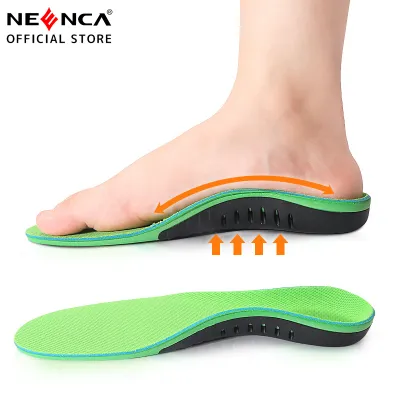
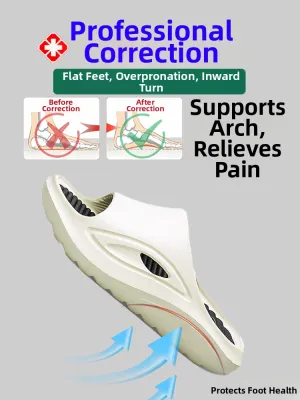
Over-the-counter insoles and orthotics are designed to provide structural support and alignment when your feet are actively bearing weight. When you walk, run, or stand, your arch naturally flattens to absorb impact. If the plantar fascia is inflamed, this flattening stretches the damaged tissue, causing pain. A supportive insole limits this excessive drop, keeping the arch stable and reducing the tension placed on the heel attachment point.

This category is highly effective if your pain primarily occurs while walking, running, or standing during long shifts in closed-toe shoes. However, before purchasing insoles, you must perform a quick shoe compatibility check. Remove the existing factory liners from your shoes; if they are glued down tightly or cannot be removed, adding a thick supportive insole may crowd your foot, leading to painful pressure on the top of your toes and instep.
When choosing insoles, you will encounter a trade-off between rigid structural support and soft cushioning. While soft gel or foam insoles feel comfortable initially, they often lack the structural integrity needed to prevent arch collapse. For active sports or long hours of standing, a semi-rigid or rigid nylon arch support is generally more effective at controlling motion, whereas cushioning is best reserved for absorbing heel-strike impact.
Keep in mind that over-the-counter insoles are designed for average foot shapes and mild to moderate biomechanical issues. If you have severe flat feet, exceptionally high arches, or complex gait abnormalities, standard insoles may cause discomfort or fail to provide relief. In these cases, a custom-molded orthotic prescribed by a podiatrist is necessary to address your unique foot structure.
Compression Sleeves: Low-Profile Relief on the Go
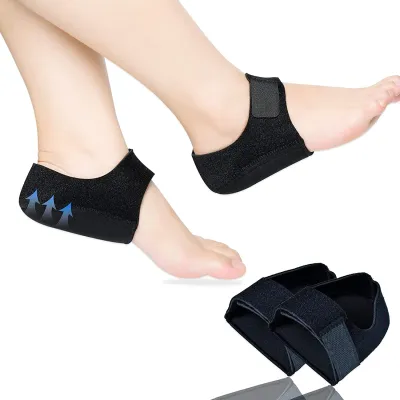
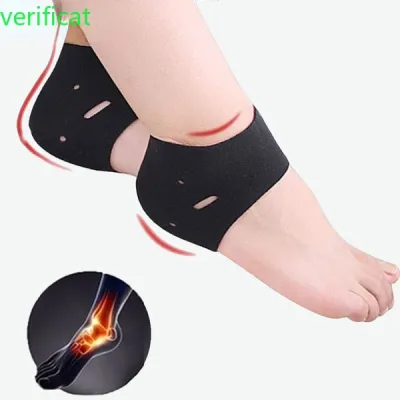
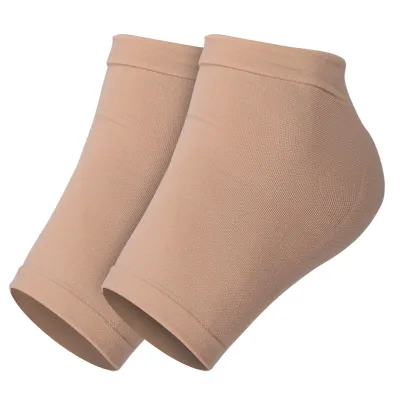
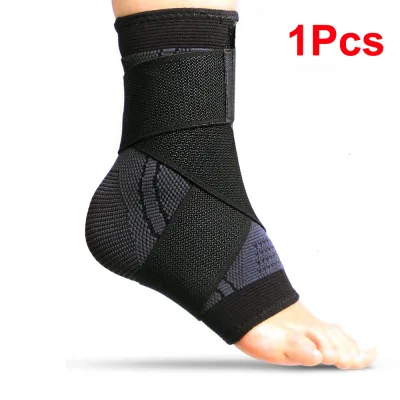
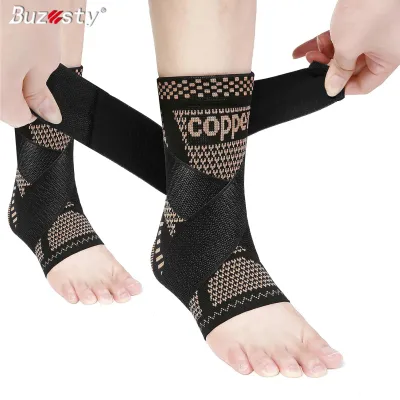
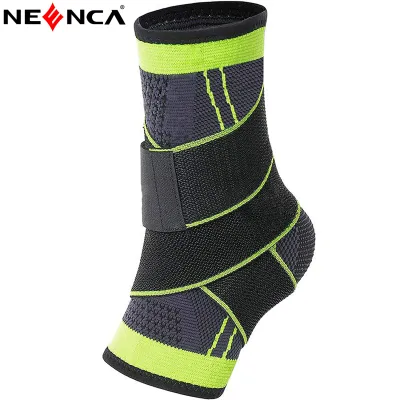
Compression sleeves offer a lightweight, low-profile alternative for those who need versatile, unobtrusive relief throughout the day. Unlike rigid insoles, these elastic sleeves slip over the foot and ankle, applying targeted compression to the arch and heel. This compression helps manage localized swelling, improves blood circulation, and provides proprioceptive feedback, which increases your awareness of foot positioning and stability during movement.
Sleeves are particularly useful if you experience mild aching or stiffness and require a highly flexible option. Because they are thin and fabric-based, they can be worn comfortably while walking barefoot at home, under socks, or inside tight-fitting athletic shoes where bulky insoles would never fit. In the warm, humid climate of the Philippines, choosing a sleeve made from highly breathable, moisture-wicking nylon-spandex blends is essential to prevent sweat buildup, skin chafing, and fungal irritation.
However, it is crucial to understand the mechanical limitations of compression sleeves. They do not provide rigid arch support, nor can they correct structural alignment issues. If your pain is driven by severe overpronation or structural flat feet, a sleeve alone will not prevent the plantar fascia from overstretching under your full body weight. They are best viewed as a tool for mild symptom management and recovery rather than structural correction.
When trying on a compression sleeve, check the fit carefully to ensure it is snug but not constricting. The bands at the top and bottom should lie flat against your skin without rolling or bunching, which can restrict circulation. If you notice your toes turning cold, pale, or tingling, the sleeve is too tight and should be replaced with a larger size immediately.
Night Splints: Targeting Severe Morning Stiffness
Night splints are specialized devices designed to address the excruciating pain associated with those first few steps in the morning. When you sleep, your foot naturally drifts into a pointed position, which allows the plantar fascia and calf muscles to shorten and tighten. A night splint holds your foot in a neutral, 90-degree position overnight, keeping the tissue under a gentle, continuous passive stretch so it heals in an elongated state.
This approach is highly recommended if your primary symptom is severe morning stiffness that gradually eases after ten to fifteen minutes of walking. By preventing the tissue from contracting overnight, you avoid the sudden, painful micro-tearing that occurs when you place your full weight on a cold, tight foot in the morning.
There are two primary design variations to consider: dorsal splints and boot-style splints. Dorsal splints run along the top of the foot and shin, leaving the heel and arch exposed. They are less bulky, lighter, and much cooler to wear in warm, humid environments, though they may apply localized pressure to the top of the foot. Boot-style splints run along the back of the calf and bottom of the foot, offering maximum stability and precise angle adjustment, but they can feel heavy, hot, and restrictive during sleep.
Achieving a safe and comfortable fit requires careful adjustment. Secure the straps so that your heel is held firmly in the back of the device, and set the ankle angle to a neutral 90 degrees. Avoid pulling your toes back too aggressively, as over-stretching can cause painful toe cramping, numbness, or Achilles tendon strain. If a night splint causes severe sleep disruption, tingling, or burning sensations, discontinue use and explore alternative stretching routines.
Decision Matrix: Matching Support to Your Lifestyle
To help you finalize your choice, use the following comparison framework to match the right support category to your daily routine and pain patterns.
| Support Type | Primary Pain Timing | Footwear Compatibility | Primary Mechanical Action |
|---|---|---|---|
| Insoles | Active hours, standing, walking | Closed-toe shoes with removable liners | Arch stabilization & heel impact absorption |
| Compression Sleeves | Mild all-day ache, post-exercise | Barefoot, sandals, tight athletic shoes | Targeted compression & mild swelling control |
| Night Splints | First steps in the morning | None (worn during sleep/rest) | Continuous passive stretch of the plantar fascia |
Choose Insoles if…
- Your pain peaks during active weight-bearing hours, such as long walks, runs, or standing shifts.
- You regularly wear closed-toe shoes, work boots, or athletic sneakers with removable factory liners.
- You require structural arch stabilization to prevent your foot from flattening or overpronating.
Choose Sleeves if…
- You need low-profile, flexible support that can be worn barefoot at home or with open sandals.
- Your pain is a mild, persistent ache accompanied by minor swelling after physical activity.
- You want a highly breathable, lightweight option for recovery during warm weather or light workouts.
Choose Night Splints if…
- Your most severe pain occurs during the very first steps of the morning and improves with movement.
- You are willing to tolerate wearing a structured device during sleep or periods of extended rest.
- You want to target calf and plantar fascia tightness directly while your body is recovering overnight.
Verify first if…
- You experience a combination of morning stiffness and active-hour pain, which may require using a night splint during sleep and supportive insoles during the day.
- Your shoes have enough interior volume to accommodate aftermarket insoles without pinching your feet. Always check the manufacturer's sizing charts and return policies, especially when budgeting between ₱500 and ₱2,000 for quality over-the-counter options.
Safe Usage Protocols and When to Stop
Introducing any new support device to your feet requires a gradual adaptation period to prevent secondary strain or compensatory injuries in your ankles, knees, or hips. For rigid or semi-rigid insoles, begin by wearing them for only one to two hours on the first day. Slowly increase your wear time by one hour each day, allowing your muscles and tendons to adjust to the corrected alignment before wearing them for a full day of activity.
Similarly, if you are using a night splint, start by wearing it for 30 to 60 minutes while resting on the couch before attempting to sleep with it on. This helps you get used to the sensation of a passive stretch. For compression sleeves, perform daily skin and circulation checks. Look for signs of redness, chafing, or deep strap marks, particularly in humid conditions where sweat can accumulate and cause skin irritation.
You must stop using any support device immediately if you experience red flag symptoms. These include increased swelling, numbness, a cold sensation in your toes, tingling, or a sudden worsening of sharp pain. Pushing through these warning signs can lead to nerve compression, skin blisters, or further damage to the plantar fascia.
While over-the-counter supports are excellent tools for managing mild to moderate symptoms, they cannot replace professional medical guidance. If your heel pain does not show noticeable improvement after three to four weeks of consistent, correct use, or if your mobility becomes severely limited, transition to professional care. Consulting a physical therapist or orthopedic specialist will ensure you receive a comprehensive treatment plan tailored to your specific recovery needs.
Community discussion
Share your experience or ask a question. Comments are reviewed before publication.