
Quick Answer: Which Boat Material is Right for You?
Choosing the right fishing boat hull material is one of the most critical decisions you will make. The material determines where you can fish, how much maintenance you must perform, how easily you can trailer the vessel, and how much money you will spend upfront and over time. There is no single “best” material for every angler; the right choice depends on your primary fishing environment, trailering capacity, and budget.
Plastic (polyethylene) is highly durable, low-maintenance, and budget-friendly, making it perfect for calm, shallow waters and rocky shorelines. Fiberglass offers a heavy, smooth, and quiet ride that excels in offshore swells and open sea conditions, though it requires a larger budget and meticulous upkeep. Aluminum provides a lightweight, exceptionally rugged, and easy-to-trailer option that balances durability with fuel efficiency, making it highly versatile for both shallow inland waters and coastal bays.
To make an informed choice, you must evaluate several critical decision dimensions: impact resistance, weight and towing requirements, maintenance demands, ride quality, and long-term resale value.
Products mentioned in this guide
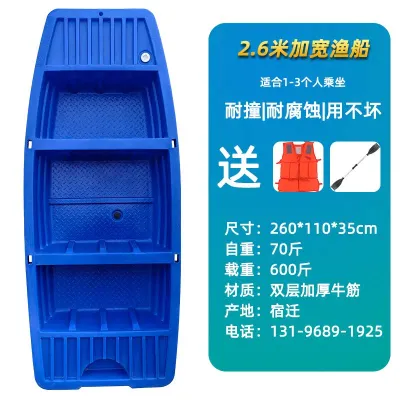
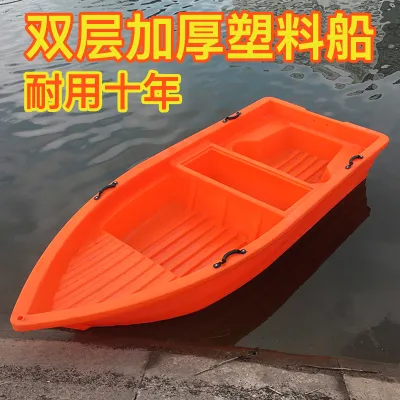
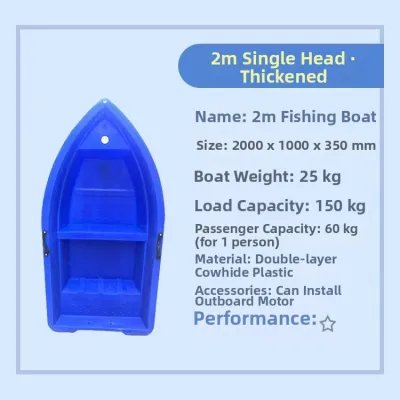
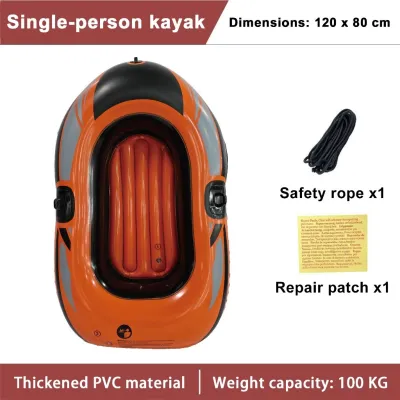
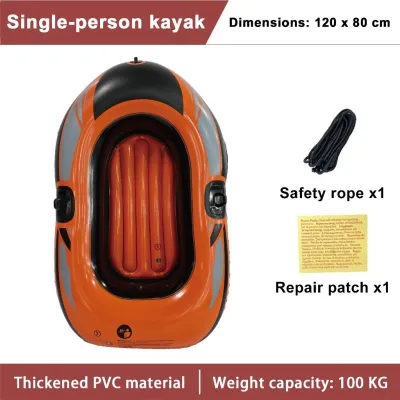
Prices are valid at publication and may change. Please refer to the product page for the latest price.
Material Profiles: What to Expect from Each Hull
Before comparing performance directly, it is essential to understand how each material is structured and manufactured. These underlying construction methods dictate the physical limits and overall design philosophies of each boat type.

Plastic (Polyethylene) Fishing Boats
Plastic fishing boats are typically constructed from rotomolded high-density polyethylene (HDPE). During manufacturing, powdered plastic is placed into a closed mold, heated, and rotated biaxially so that the melting material coats the entire interior surface uniformly. This process results in a seamless, single-piece hull that lacks joints, welds, or seams that could fail under stress.
Polyethylene has natural buoyancy and is highly resilient against physical wear. Because the color is molded throughout the material rather than applied as a surface layer, scratches and gouges do not reveal a different color underneath. These boats are generally designed with a utilitarian, rugged aesthetic, prioritizing functionality and durability over sleek, high-gloss finishes. While they are heavier than comparable aluminum boats due to the thick hull walls required to maintain structural rigidity, they are significantly lighter than fiberglass.
Fiberglass Fishing Boats
Fiberglass boats are constructed by layering woven glass fibers with liquid polyester or vinyl ester resin inside a precision-engineered mold. This process allows manufacturers to create highly complex, fluid hull shapes, such as deep-V designs, sharp strakes, and flared bows that cut through water efficiently. The exterior is finished with a smooth, high-gloss gel coat that provides a premium aesthetic and protects the underlying composite structure from water absorption.
The molded nature of fiberglass enables highly integrated deck layouts. Manufacturers can easily incorporate molded-in livewells, fish boxes, storage compartments, and console configurations directly into the deck liner. This results in a solid, heavy hull that delivers a premium feel on the water. However, this complexity and weight require more robust construction techniques and higher-quality materials, positioning fiberglass as a premium option in the boating market.
Aluminum Fishing Boats
Aluminum fishing boats are built from marine-grade aluminum alloys, typically welded or riveted together to form the hull. Riveted construction is common in smaller, utility-focused skiffs, while welded seams are preferred for heavy-duty, larger vessels because they eliminate the risk of rivets loosening over time. The metallic construction gives these boats a distinct, industrial appearance that is highly functional and straightforward.
Aluminum is exceptionally lightweight relative to its strength, which provides natural buoyancy and allows the boat to sit high in the water. This lightweight characteristic makes aluminum hulls highly customizable, ranging from simple, flat-bottomed utility punts to sophisticated, deep-V offshore vessels. The interior layouts of aluminum boats often feature marine-grade plywood or aluminum decks covered in vinyl or carpet, offering a highly practical and easily modified fishing platform.
Head-to-Head Comparison: Key Decision Dimensions
To determine which material fits your fishing style, you must compare how they perform across the practical realities of ownership, transport, and on-water operation.
Durability and Impact Resistance
When navigating shallow reefs, rocky shorelines, or crowded docks, impact resistance is a primary concern. Plastic hulls excel in this category due to the flexible nature of high-density polyethylene. If you strike a submerged rock or bump into a concrete pier, a plastic hull will typically bend and bounce off the impact, absorbing the energy without permanent deformation or structural damage.
Aluminum hulls offer excellent ruggedness but handle impacts differently. A hard strike against an obstacle will dent the aluminum rather than crack it. While a dent may affect the boat’s aesthetics and slightly alter its water flow, it rarely compromises the structural integrity or causes the hull to leak or sink. This makes aluminum highly reliable for navigating unfamiliar, debris-filled waters.
Fiberglass is the most vulnerable of the three materials to hard impacts. The rigid composite structure and brittle outer gel coat can crack, chip, or puncture when subjected to sharp rocks or heavy collisions. Even minor scrapes can expose the underlying fiberglass fibers to water, which can lead to osmosis and structural weakening if not repaired promptly. Maintaining the structural integrity of a fiberglass hull requires specialized, labor-intensive gel coat and resin repairs.
Weight, Trailering, and Fuel Efficiency
The physical mass of your boat’s hull has a cascading effect on your entire ownership experience, starting with how you transport it to the water. Aluminum is the lightest material by a wide margin. A lightweight aluminum boat requires a smaller, less expensive trailer and can easily be towed by standard mid-sized vehicles common in the Philippines, such as standard diesel utility vehicles. This low weight also means you can achieve excellent speeds and fuel economy with smaller outboard motors, reducing both your initial purchase cost and ongoing fuel expenses.
Fiberglass is substantially heavier than aluminum and plastic. This extra mass requires a heavier-duty trailer with robust suspension and braking systems, as well as a more powerful tow vehicle. On the water, a heavier fiberglass hull demands a larger, high-horsepower outboard motor to reach planing speeds, which significantly increases fuel consumption.
Plastic sits in a unique middle ground. While polyethylene is a lightweight material in itself, building a rigid, safe boat hull requires thick walls and internal foam filling. As a result, a plastic boat can be surprisingly heavy—often weighing more than a comparable aluminum boat of the same size, though still lighter than fiberglass. This weight means you may need a slightly larger outboard motor than you would for an aluminum hull, and trailering will require more effort than towing a light aluminum skiff.
Maintenance, Cleaning, and Repairs
Long-term upkeep determines how much time you spend enjoying your boat versus working on it. Plastic boats are the most forgiving and require minimal daily maintenance. They do not have a gel coat to polish, and they do not corrode. However, intense tropical UV exposure can cause polyethylene to fade, chalk, or warp over time. To prevent this, you must store the boat under a high-quality cover or in a shaded area when not in use.
Fiberglass requires a disciplined maintenance schedule to preserve its high-gloss finish and structural health. You must wash the hull regularly with marine-grade soap to remove salt buildup and apply wax or sealant at least twice a year to prevent oxidation and UV damage. If the gel coat is chipped, you must patch it promptly to prevent moisture from penetrating the fiberglass laminate, a process that requires specialized color-matching and sanding skills.
Aluminum is relatively low maintenance but demands strict vigilance regarding galvanic corrosion, particularly in saltwater environments. When aluminum comes into contact with saltwater and dissimilar metals (such as stainless steel fasteners or bronze fittings), an electrical current is generated that rapidly corrodes the aluminum. To prevent this, you must install sacrificial zinc or aluminum anodes on the hull and transom to draw the corrosion away from the boat’s structure. Additionally, you must thoroughly rinse the hull with fresh water after every outing to prevent salt buildup from pitting the metal.
Ride Quality, Noise, and Stability
The comfort of your fishing trip is heavily influenced by how your hull interacts with the water. Fiberglass hulls deliver the undisputed best ride quality. The heavy weight of fiberglass acts as a natural dampener, absorbing the impact of choppy waves rather than bouncing over them. Furthermore, the ability to mold complex hull shapes allows manufacturers to design deep-V entries and wide chines that slice through waves cleanly and deflect spray away from the cockpit, keeping you dry and comfortable. Fiberglass is also exceptionally quiet, as the dense composite material muffles the sound of water slapping the hull and dampens vibrations from the engine.
Plastic hulls offer a highly stable and forgiving ride. Polyethylene has natural dampening properties that absorb minor vibrations and water impacts, resulting in a soft feel. However, because plastic hulls cannot be molded with the same sharp, complex angles as fiberglass, they may “slap” the water more in choppy conditions and can sometimes feel less rigid. They are relatively quiet compared to aluminum, but they do not match the premium, silent ride of a heavy fiberglass boat.
Aluminum hulls are notoriously noisy on the water. The metallic structure acts as an acoustic amplifier, turning the sound of rain, waves, and dropped sinkers or tackle boxes into loud metallic clangs that can easily spook fish in shallow water. To mitigate this, many modern aluminum fishing boats feature foam-filled double hulls or marine carpet lining to dampen sound. Additionally, because aluminum is lightweight, these boats tend to ride rougher in choppy water, bouncing over waves rather than cutting through them, which can result in a wetter and more jarring ride.
Budget and Long-Term Value Considerations
Purchasing a fishing boat involves balancing your immediate financial outlay with the long-term costs of ownership, operation, and eventual resale. In the Philippine market, these financial tiers can be categorized into distinct investment levels.
Initial Purchase Costs: Plastic and aluminum boats generally offer the lowest entry barrier. Small rotomolded plastic boats or basic aluminum utility skiffs are highly affordable, making them accessible to recreational anglers looking for a straightforward setup. Fiberglass boats command a significant premium, reflecting the labor-intensive manufacturing process, high-quality resins, and complex mold designs.
Hidden Engine Costs: The weight of the hull directly dictates the size—and cost—of your outboard motor. Because aluminum is lightweight, you can pair it with a lower-horsepower engine, which is substantially cheaper to purchase and maintain. Fiberglass boats require larger, heavier, and far more expensive outboards to achieve acceptable performance, which can double or triple your initial drivetrain investment. Plastic boats fall in between, requiring moderate horsepower that keeps engine costs reasonable but slightly higher than aluminum.
Depreciation and Resale: Aluminum boats hold their value exceptionally well over time. Their rugged construction means they do not degrade structurally, and even an older, dented aluminum hull retains value due to its sheer utility and scrap metal worth. Fiberglass boats can also hold their value well, but only if they have been meticulously maintained, stored out of the sun, and kept free of fiberglass rot or osmosis. If a fiberglass boat shows signs of oxidation or structural damage, its resale value drops dramatically. Plastic boats tend to depreciate the fastest, particularly in tropical climates, as visible UV fading or minor warping can make them less attractive to buyers in the secondary market, despite remaining perfectly functional.
Repair Costs: When damage occurs, the financial impact varies widely. Repairing a cracked fiberglass hull or restoring a damaged gel coat is a highly specialized task that requires professional labor and expensive materials, leading to high repair bills. Aluminum repairs, such as welding a seam or patching a small hole, are straightforward and can be performed by local metal fabrication shops at a moderate cost. Plastic hulls are difficult to repair if they suffer a rare, major split, as welding polyethylene requires specialized plastic-welding equipment, though minor scrapes can simply be shaved down or left alone without affecting the boat’s safety. Always consult the boat manufacturer’s repair instructions before attempting any plastic welding, as using the wrong polymer or temperature can permanently damage the hull structure.
For example, while a basic plastic or small aluminum utility boat might fit into a budget tier of under ₱150,000, a fully equipped fiberglass offshore vessel can easily scale into premium tiers exceeding ₱1,500,000.
Matching the Hull to Your Fishing Environment
Your choice of material should ultimately be guided by where you plan to spend most of your time fishing. The diverse aquatic landscapes of the Philippines present unique challenges that favor specific hull designs.
Inshore, Lakes, and Calm Bays
If your primary fishing grounds consist of shallow estuaries, inland lakes, winding rivers, or mangrove channels, plastic and aluminum are the outstanding choices. These environments often feature hidden hazards such as submerged logs, shallow sandbars, oyster beds, and rocky shores. A plastic boat’s ability to bounce off obstacles without sustaining structural damage allows you to navigate tight, shallow spaces with complete peace of mind.
Aluminum is equally suited for shallow-water utility. The incredibly shallow draft of a lightweight aluminum hull allows you to venture into waters just inches deep where heavier boats would run aground. If you do bottom out on a sandbar or gravel bank, the lightweight nature of aluminum makes it easy to push the boat back into deeper water by hand. Additionally, both plastic and aluminum are highly resilient to beaching directly onto sandy or gravel shores, which is ideal for quick island-hopping or launching in areas without formal concrete boat ramps.
Offshore and Open Sea Conditions
When venturing into deep coastal waters, open bays, or offshore reefs where you are exposed to ocean swells and sudden wind shifts, fiberglass is the preferred material. The open sea demands a hull that can handle unpredictable, choppy waves safely and comfortably. The heavy mass of a fiberglass hull keeps the boat stable in rough water, preventing it from being easily tossed around by wind and waves.
The complex, deep-V hull designs unique to fiberglass are essential for offshore performance. These shapes allow the boat to cut through large waves cleanly rather than slamming over them, which minimizes passenger fatigue and keeps the deck dry. While heavy-duty, plate-aluminum offshore boats are highly capable and popular in professional maritime applications, they represent a highly specialized, premium niche that is significantly more expensive than standard recreational aluminum boats. For the vast majority of recreational offshore anglers, fiberglass provides the safest, most comfortable, and most reliable platform for open-ocean fishing.
Final Decision Framework: Choose Your Material
To finalize your decision, match your personal fishing style, budget, and logistical capabilities to the following profiles:
- Choose Plastic if you want a highly durable, virtually indestructible boat for shallow, rocky, or obstacle-heavy waters; you prefer a low-maintenance vessel that does not require regular waxing, polishing, or corrosion management; and you are working with a modest budget and want a straightforward, utilitarian fishing platform for calm bays and lakes.
- Choose Fiberglass if you prioritize ride comfort, stability, and a quiet, dry cabin when fishing in choppy offshore or open-sea conditions; you have a higher budget to accommodate a premium hull, a larger outboard motor, and increased fuel consumption; and you are willing to invest the time and effort required for regular washing, waxing, and gel coat maintenance to preserve resale value.
- Choose Aluminum if you need a lightweight, highly versatile boat that is exceptionally easy to trailer, launch, and retrieve with a standard vehicle; you want a rugged hull that can handle shallow-water impacts and beaching without cracking; and you seek excellent fuel efficiency and want to keep your long-term operating and engine maintenance costs as low as possible.
Before making your final purchase, always verify local dealer support in your specific region of the Philippines. Ensure that replacement parts, specialized accessories, and qualified marine technicians are readily available to service your chosen hull material and outboard engine.
Frequently Asked Questions (FAQ)
Do plastic fishing boats fade or degrade in the sun?
Yes, high-density polyethylene (HDPE) can fade, chalk, or become brittle over time when subjected to intense, direct tropical sunlight. To protect your investment, you should apply a marine-grade UV protectant spray designed specifically for plastics at least once a season. Additionally, always store your plastic boat in a shaded area, under a carport, or beneath a heavy-duty, UV-resistant boat cover when it is not in use to significantly extend the lifespan of the hull.
Can aluminum fishing boats be used safely in saltwater?
Yes, aluminum fishing boats can be used safely in saltwater, but they require strict preventative maintenance to avoid galvanic corrosion. You must thoroughly rinse the entire hull, trailer, and outboard motor with fresh water after every single saltwater outing to remove corrosive salt deposits. Additionally, you must inspect and regularly replace sacrificial zinc or aluminum anodes, which are designed to corrode first and protect your hull’s metal structure from electrical degradation. Before applying any anti-fouling paint or marine sealants, consult the manufacturer’s guidelines to ensure compatibility with marine-grade aluminum, as incorrect chemical applications can trigger rapid galvanic corrosion.
Community discussion
Share your experience or ask a question. Comments are reviewed before publication.