
Choosing the right leg press machine for your training setup is a pivotal decision that shapes your lower-body workouts for years to come. The choice between a plate-loaded and a selectorized leg press machine depends on your training style, space, and budget. Plate-loaded machines are highly suited for heavy strength training and progressive overload if you already own weight plates, while selectorized machines offer exceptional convenience, quick weight adjustments, and a compact footprint well-suited for fast-paced workouts or shared spaces. Whether you are setting up a personal garage gym in a humid tropical climate or selecting equipment for a commercial fitness center, understanding how these two designs function mechanically and practically will help you make an informed investment.
Core Differences in Design and Mechanics
To understand which machine fits your routine, you must first look at how they deliver resistance. Plate-loaded leg press machines rely on a physical sled that slides along solid steel guide rods. Most plate-loaded models position this sled at a 45-degree angle, though horizontal and vertical variations also exist. You manually load standard or Olympic weight plates onto storage pegs attached directly to the moving sled. This direct connection means the resistance you feel is a direct result of gravity acting on the physical plates, minus any mechanical advantage or friction from the track.
In contrast, selectorized leg press machines utilize a closed weight stack system. Instead of handling loose plates, you adjust the resistance by inserting a selector pin into the desired weight increment within the stack. The force is transmitted from the weight stack to the footplate through a series of cables, pulleys, or direct cam drives. This design typically features a horizontal or slightly angled seating position where the user pushes the footplate away, or the seat itself slides backward. The movement path is entirely fixed and guided by the internal pulley system, which introduces a different mechanical feel compared to a free-sliding sled.
Products mentioned in this guide
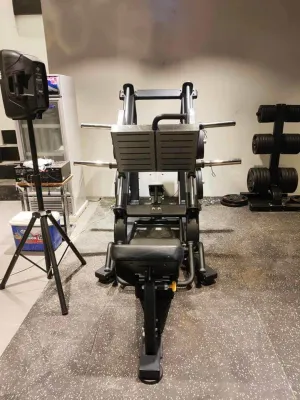
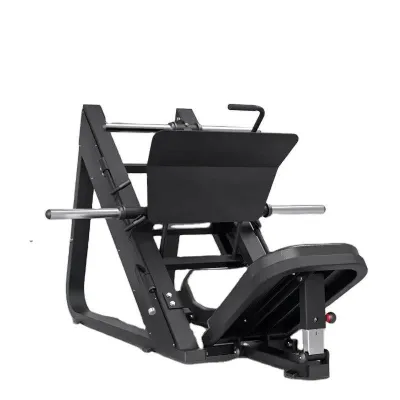
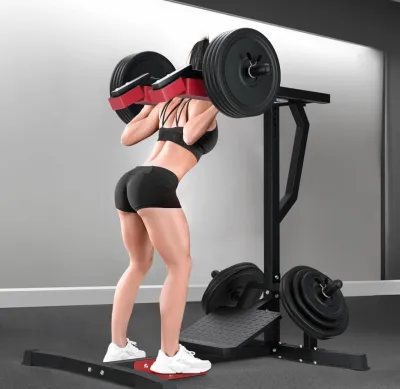
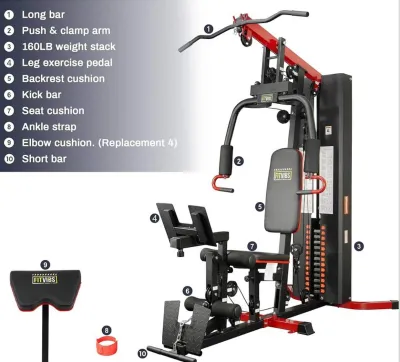
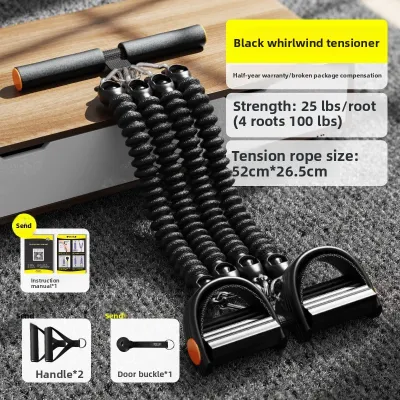
Prices are valid at publication and may change. Please refer to the product page for the latest price.
Both designs require careful attention to stability, friction, and track alignment. In plate-loaded machines, the alignment of the guide rods is critical; any slight warping or lack of lubrication can cause the sled to bind or glide unevenly. Selectorized machines, with their intricate cable and pulley networks, introduce a small amount of mechanical friction. This friction can slightly alter the resistance profile, making the weight feel slightly different during the concentric phase versus the eccentric phase. In high-humidity environments, such as non-air-conditioned garage gyms in the Philippines, both systems are susceptible to moisture-induced friction and rust, making regular upkeep essential.
Training Goals and Resistance Progression
Your specific fitness objectives should dictate which mechanical design you choose. If your primary goal is raw strength development and progressive overload, plate-loaded machines offer distinct advantages. They allow for micro-loading, which is the practice of adding very small weight increments, such as 1.25 kg or 2.5 kg plates, to continuously challenge your muscles. Because the weight capacity is limited only by the physical length of the weight pegs and the structural limit of the frame, advanced lifters can scale the resistance to exceptionally high levels that far exceed the capacity of standard weight stacks.

For those focused on hypertrophy, high-intensity training, or metabolic conditioning, selectorized machines excel. Advanced training techniques like drop sets—where you immediately reduce the weight after reaching failure to continue the set—are incredibly seamless with a pin-loaded stack. Instead of stepping off the machine, unloading heavy plates from both sides, and climbing back in, you simply reach over, move the pin, and resume lifting within seconds. This rapid transition keeps the target muscles under constant tension and maintains a high heart rate, which is highly beneficial for endurance and cardiovascular conditioning.
The biomechanics and range of motion also differ between the two systems. The 45-degree angle of a typical plate-loaded machine places a unique load on the hips and knees, often allowing for a deep range of motion that heavily recruits the quadriceps and glutes. However, this requires excellent hip mobility and core stability to prevent the lower back from rounding at the bottom of the movement. Selectorized machines often feature adjustable backrests and seat angles that support the spine more rigidly, guiding the body through a highly controlled, fixed path. This fixed tracking can be highly beneficial for individuals recovering from joint issues or those who prefer a highly stable, predictable movement pattern that minimizes the need for stabilizer muscle activation.
Space, Setup, and Equipment Requirements
Before purchasing any heavy fitness equipment, you must carefully evaluate your physical training environment. Plate-loaded leg press machines generally demand a larger overall footprint. Not only is the machine itself often wider and longer to accommodate the angled sled, but you also need to account for the clearance space required to load and unload plates from the sides. Furthermore, you must factor in the storage space for the weight plates themselves, whether on integrated storage pegs or separate weight trees. If you do not already own a substantial collection of Olympic plates, choosing a plate-loaded model means you must budget for and store hundreds of kilograms of additional iron or rubber plates.
Selectorized machines are highly self-contained and space-efficient. Because the weight stack moves vertically within a protective cage, the machine’s footprint is strictly limited to the frame of the unit itself. There is no need for extra side clearance to load weights, making selectorized models practical for tight corners, narrow home gyms, or compact commercial spaces. This self-contained nature also eliminates the clutter of loose plates lying around the floor, which is a significant safety and organizational benefit in smaller training areas.
Physical structural constraints like floor loading and ceiling height must also be verified. A fully loaded plate-loaded leg press, combined with the user’s body weight and a heavy storage rack, can easily exceed several hundred kilograms of concentrated force on a small area of flooring. In residential settings, particularly on the upper floors of townhouses or high-rise condominiums, you must verify that the subfloor can safely support this static and dynamic load. Additionally, while plate-loaded machines are relatively low-slung, some selectorized machines feature tall weight stack towers that require adequate ceiling clearance, especially in rooms with low-hanging beams or utility pipes.
Budget and Long-Term Maintenance
The financial investment required for these machines involves both the upfront purchase price and the long-term cost of ownership. On a pure machine-to-machine basis, a plate-loaded leg press might have a lower base price in ₱ compared to a selectorized model, but this difference can be deceptive. If you do not already own a comprehensive set of weight plates, the cumulative cost of purchasing a plate-loaded machine plus 200 to 300 kilograms of quality plates can quickly equal or exceed the price of a selectorized machine. You must calculate the total cost of the entire system, including shipping and assembly fees, which can be substantial for heavy steel equipment.
Long-term maintenance is another critical factor that varies by design. Plate-loaded machines are mechanically simple, featuring fewer moving parts that can fail over time. The primary maintenance tasks involve regularly wiping down the solid steel guide rods, checking the safety catches for structural integrity, and applying a thin layer of silicone-based lubricant to ensure the sled glides smoothly. This simplicity makes them highly durable and resistant to wear, even in humid, non-climate-controlled environments where dust and moisture can accumulate.
Selectorized machines require more frequent and detailed maintenance checks to ensure safe operation. The steel cables that lift the weight stack are subject to constant tension and bending, meaning they must be regularly inspected for fraying, plastic coating cracks, or tension loss. Pulleys and bearings must be checked for smooth rotation and alignment, as a misaligned pulley can cause the cable to rub and wear out prematurely. Additionally, the guide rods inside the weight stack must be kept clean and lubricated so the plates do not stick or chatter during use. While a high-quality selectorized machine can last for decades, the cost and complexity of replacing worn cables or damaged pulleys are generally higher than maintaining a simple plate-loaded sled.
Decision Framework: Which Leg Press Should You Choose?
To finalize your decision, align your choice with your practical constraints and training preferences.
Choose a plate-loaded leg press if:
- Your primary training goal is maximum strength development and heavy progressive overload.
- You already own a comprehensive set of Olympic weight plates or plan to buy them for other barbell exercises.
- You have a spacious garage gym, dedicated ground-floor workout area, or commercial space with ample room for side-loading plates.
- You prefer mechanical simplicity and minimal maintenance requirements.
Choose a selectorized leg press if:
- You prioritize workout efficiency, rapid weight transitions, and advanced training techniques like drop sets.
- The equipment will be shared by multiple users of varying strength levels who need to adjust the weight quickly and easily.
- Your training space is limited, such as a compact spare room, high-rise condo, or small studio gym.
- You prefer a self-contained unit that does not require purchasing or storing separate weight plates.
Before making any purchase, always verify the structural capacity of your flooring and measure your designated space carefully. Ensure there is at least one meter of clear pathway around the machine for safe entry, exit, and maintenance access.
Frequently Asked Questions (FAQ)
Is a plate-loaded leg press safer for beginners?
A plate-loaded leg press is not inherently safer or more dangerous than a selectorized machine, but it does require a higher level of user awareness and manual handling. Beginners must learn to engage and disengage the mechanical safety catches properly before and after every set. There is also a physical risk of injury when lifting, loading, and unloading heavy weight plates onto the storage pegs, which requires proper lifting form.
To ensure safety, beginners should always read the manufacturer’s operating manual and start with an empty sled to familiarize themselves with the movement path and safety lock mechanisms. In contrast, a selectorized machine keeps the weight stack enclosed, reducing the risk of dropping plates or pinching fingers, making it highly approachable for novices who want to focus solely on the exercise movement.
Can I build significant leg muscle using only a selectorized leg press?
Yes, you can build exceptional lower-body muscle mass using only a selectorized leg press. Muscle hypertrophy is primarily driven by mechanical tension, metabolic stress, and progressive overload, all of which can be achieved on a pin-loaded machine. As long as you perform your sets with high intensity and bring your muscles close to failure, the body does not distinguish whether the resistance comes from a physical plate or a cable-driven weight stack.
To maximize muscle growth on a selectorized machine, focus on controlling the eccentric phase of the lift, pausing briefly at the bottom of the movement, and maintaining constant tension on the quadriceps. If you eventually find yourself matching the maximum capacity of the weight stack, you can continue to stimulate growth by incorporating single-leg variations, increasing your training volume, or slowing down the repetition tempo to increase the time under tension.
Community discussion
Share your experience or ask a question. Comments are reviewed before publication.