
Choosing between a platform-mounted and a ceiling-mounted boxing speedball is a critical decision that directly impacts the quality of your home workouts and the structural integrity of your living space. A speedball setup is subjected to rapid, high-frequency impacts that generate significant vibration and lateral force. If the mounting system is unstable, the ball’s rebound becomes unpredictable, which disrupts your training rhythm and can lead to hand or wrist strain. Conversely, a rock-solid mount allows you to develop the fluid, high-speed hand-eye coordination that makes speedball training so effective.
For most home gyms, the decision comes down to your specific building materials, ceiling height, and whether you own or rent your home. Platform-mounted setups are highly favored for their height adjustability and compatibility with solid masonry walls, making them a common choice in modern residential layouts. Ceiling-mounted setups, on the other hand, offer an unobstructed, 360-degree training area that mimics professional boxing gyms, provided you have accessible, load-bearing wooden joists or a solid concrete ceiling slab to anchor the hardware safely.
Before purchasing any equipment, you must evaluate your physical space, your DIY capabilities, and the structural limits of your home. High-impact sports equipment requires careful installation to prevent structural failure or personal injury. Remember that proper equipment setup is a prerequisite for safe training, but it cannot replace proper technique, physical conditioning, and sound athletic judgment.
Products mentioned in this guide
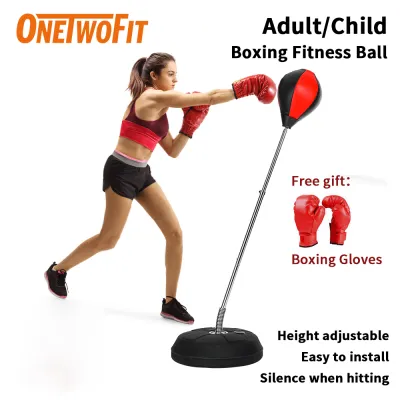
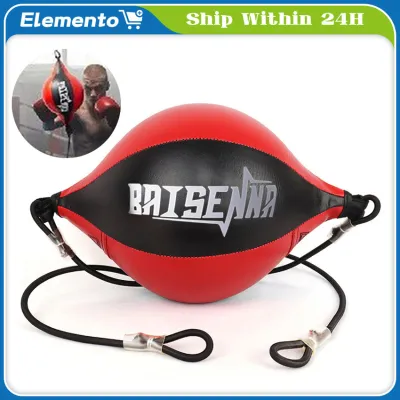
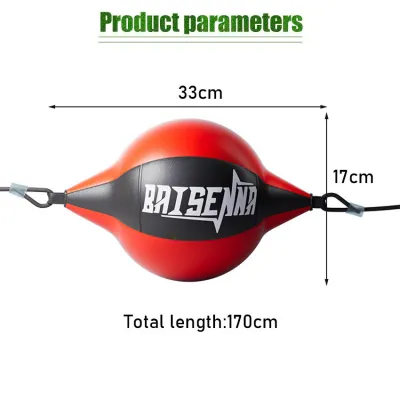
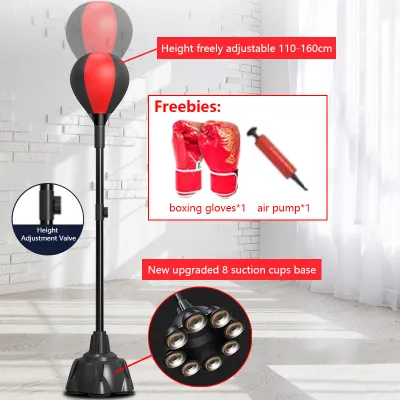
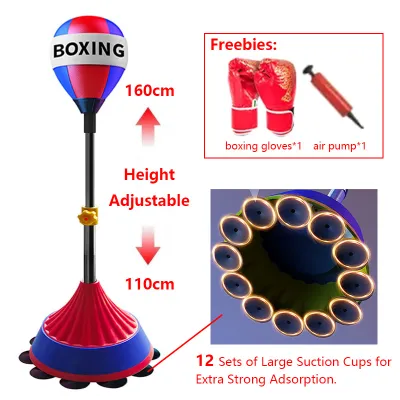
Prices are valid at publication and may change. Please refer to the product page for the latest price.
Space and Layout Constraints
Evaluating your physical room dimensions is the first step in determining which speedball mount is viable for your home training area. You must measure the vertical clearance from the floor to the ceiling to ensure you have adequate space for both the equipment and your physical movement. A speedball must hang at a specific height relative to your body, and the mounting hardware itself—whether a thick wooden platform or a ceiling bracket—takes up valuable vertical space. If your ceiling is particularly low, a bulky platform mount might force the ball too low, restricting your ability to punch with proper upward arm extension.
Floor space footprint is another critical differentiator between the two mounting styles. A platform-mounted speedball requires a dedicated wall section and projects outward into the room, typically extending 60 to 80 centimeters from the wall surface. This means you need a clear semi-circular training zone of at least 1.5 meters in front of that wall to step, slip, and throw punches without hitting the wall or nearby furniture. In contrast, a ceiling-mounted setup hangs directly from above, leaving the surrounding floor space completely clear when the bag is detached. This central layout allows you to move completely around the bag, practicing footwork from all angles.
Multi-use rooms, such as shared living areas, bedrooms, or carports, require careful consideration regarding equipment storage and environmental exposure. If you train in a multi-use space, you may want a platform mount that features a folding mechanism, allowing you to swing the board flat against the wall when not in use. For setups in semi-outdoor areas like balconies or covered carports, tropical humidity can quickly degrade your equipment. High moisture levels can warp wooden rebound boards and cause standard steel brackets to rust, so any setup in these areas must utilize weather-resistant coatings and rust-proof hardware.
Structural Safety and Installation Requirements
Before drilling any holes or mounting heavy, vibrating training gear, you must perform rigorous structural safety checks. The repetitive, high-velocity impacts of speedball training generate continuous vibrations that will quickly loosen weak or improper fasteners. Mounting a speedball directly to drywall, plasterboard, or decorative drop ceilings using standard plastic wall plugs is highly dangerous and will inevitably result in the equipment tearing free from the wall, causing severe structural damage or physical injury.

For ceiling-mounted setups, you must verify the composition of your ceiling. Many residential ceilings utilize light metal frames covered with gypsum board or fiber cement sheets, which cannot support the weight and vibration of a speedball. You must locate solid wooden ceiling joists using a reliable stud finder, or anchor the mount directly into a structural concrete ceiling slab. If you are mounting to wooden joists, you must use heavy-duty lag screws that penetrate deep into the center of the wood. For concrete slabs, high-quality steel expansion bolts are mandatory to ensure the mount remains secure under continuous vibration.
Wall-mounted platforms require a similarly robust vertical surface. In many local homes, walls are constructed from concrete hollow blocks (CHB). Because these blocks have hollow cores, standard masonry screws or plastic anchors will fail under the lateral stress of speedball training. To mount a platform securely on a CHB wall, you must target the solid concrete mortar joints or use specialized sleeve anchors that expand inside the hollow cavities to grip the block walls. If you are mounting to a drywall partition, the bracket must straddle and be bolted directly into at least two solid wooden or metal wall studs.
If you encounter any resistance during drilling, notice plaster dust crumbling excessively, or are unsure of the load-bearing capacity of your walls or ceiling, you must stop the installation immediately. Do not attempt to force a mount onto a questionable surface. Consult a qualified local contractor or structural professional to assess your home’s structural integrity and install the appropriate heavy-duty anchors safely.
Rebound Dynamics and Training Experience
The physical construction of your speedball mount directly influences the quality of your training sessions. The rebound board, often called the drum, is the circular platform that the speedball strikes as it ricochets back and forth. The thickness, weight, and material of this board dictate the speed and consistency of the ball’s rebound. A thin, lightweight plastic or wooden board will flex slightly upon impact, absorbing the ball’s kinetic energy and causing an uneven, sluggish rebound. For a fast, professional-grade training rhythm, look for a dense wooden board that is at least 2 to 3 centimeters thick to ensure maximum energy return.
Noise and vibration transfer are major considerations for home training, especially in high-density residential areas or shared housing. The rapid drumming of a speedball creates a low-frequency vibration that travels easily through building structures. A platform mount secured to a shared wall can act like a speaker, transmitting loud, rhythmic thuds directly into your neighbor’s living space. Ceiling mounts transfer these vibrations upward, which can be highly disruptive if there are bedrooms directly above your training area. To mitigate this noise, look for mounting brackets that feature rubber dampening gaskets, or install thick rubber washers between the mounting bracket and your wall or ceiling to absorb the worst of the vibration.
Height adjustability is a major advantage of platform-mounted systems. Many high-quality wall platforms are mounted on vertical steel tracks, allowing you to slide the entire board up or down by several inches and lock it securely in place. This adjustability is essential if multiple people of different heights share the training space, or if you want to vary your stance and striking angles. Ceiling-mounted setups are typically fixed in height once installed. To adjust the height of a ceiling-hung speedball, you must manually adjust the length of the hanging chain or swap out the speedball for a larger or smaller model, which is far less convenient during a workout.
Hardware and Budget Considerations
When planning your home boxing setup, it is important to look closely at what is included in retail speedball packages. Many standard kits include the speedball bladder and a basic swivel, but they rarely include the specific heavy-duty mounting hardware required for your unique wall or ceiling structure. You will likely need to make a trip to a local hardware store to purchase high-quality steel sleeve anchors, lag bolts, or concrete expansion shields that match your specific mounting surface.
Budgeting for your setup must also include the cost of the specialized tools required for a safe installation. To mount a platform on concrete hollow blocks or a concrete ceiling, you will need a high-torque hammer drill, high-quality masonry drill bits, a spirit level to ensure the board is perfectly flat, and heavy-duty wrenches. Purchasing or renting these tools, along with buying premium steel fasteners, can add anywhere from ₱1,500 to ₱4,000 to your total installation budget. Skimping on cheap fasteners to save money is a safety hazard that often leads to loose hardware and damaged walls.
Finally, verify the compatibility of your speedball, swivel, and rebound board. Swivels come in various designs, including ball-hook, chain-link, and plastic loop styles. The swivel must bolt flat against the underside of the rebound board without any play or wobble. A loose swivel will ruin the tracking of the speedball, causing it to rebound at odd angles and wearing out the connection points prematurely. Ensure the pre-drilled holes on your rebound board match the mounting pattern of your chosen heavy-duty swivel.
How to Choose the Right Speedball Mount for Your Space
To make the final decision for your home gym, evaluate your living situation against a clear set of practical conditions. Your choice should align with your structural constraints, budget, and training goals.
Choose a platform-mounted speedball if:
- You live in a rented property where ceiling modifications are strictly prohibited, but wall mounting is permitted.
- Your home has solid concrete hollow block (CHB) or brick walls that can easily support lateral forces.
- Multiple family members of different heights will be using the equipment, requiring quick height adjustments.
- You want to minimize the risk of ceiling damage and prefer an installation process that is easier to patch and repair later.
Choose a ceiling-mounted speedball if:
- You own your home and have verified the presence of solid, load-bearing wooden ceiling joists or a poured concrete ceiling slab.
- You want a dedicated, professional-style training corner with a clean, 360-degree clearance around the bag.
- You want to keep your wall space completely clear for other equipment, such as heavy bags, mirrors, or storage racks.
- You do not mind a fixed-height setup and are comfortable using chains or different bag sizes to make minor height adjustments.
| Feature / Constraint | Platform-Mounted Speedball | Ceiling-Mounted Speedball |
|---|---|---|
| Primary Structural Need | Solid masonry wall or dual wall studs | Load-bearing wooden joists or concrete slab |
| Space Footprint | Projects 60-80 cm from wall; requires front clearance | Hangs from ceiling; allows 360-degree movement |
| Height Adjustability | High (often features sliding vertical tracks) | Low (requires adjusting chains or swapping bags) |
| Vibration Transfer | High lateral vibration through walls | High vertical vibration through floors above |
| Installation Complexity | Moderate (requires leveling and stud/block alignment) | High (requires overhead drilling and joist finding) |
Frequently Asked Questions (FAQ)
Can I mount a speedball platform on a concrete wall?
Yes, concrete and masonry walls are excellent for platform mounts because they provide a highly rigid surface that minimizes vibration. However, you must use heavy-duty steel sleeve anchors or concrete expansion bolts rather than standard plastic wall plugs to handle the continuous lateral forces.
Do ceiling-mounted speedballs require a specific type of swivel?
Ceiling mounts can use standard ball-hook or chain-link swivels, but you must ensure the swivel is securely bolted to a rigid rebound board. Hanging a speedball directly from a ceiling hook without a solid rebound board is not recommended, as the ball needs a flat, hard surface to rebound against to maintain its rhythm.
How high should the speedball be mounted for proper training?
The speedball should be positioned so that the widest part (the belly) of the inflated bag is level with your eyes or nose when you are standing in your boxing stance. This alignment ensures proper striking posture, prevents shoulder strain, and allows you to maintain a correct guard during training.
Community discussion
Share your experience or ask a question. Comments are reviewed before publication.