
Finding the right plyometric box for a small condominium in the Philippines requires balancing your fitness goals with the physical realities of high-rise living. Unlike a spacious commercial gym, a condo unit demands careful consideration of ceiling height, floor space, noise transmission, and storage. The ideal setup allows you to perform explosive jumps safely without damaging your property, disturbing your neighbors, or cluttering your living area.
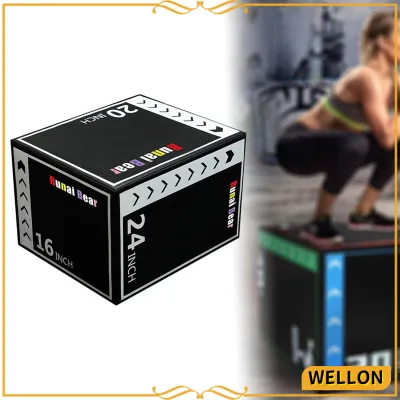
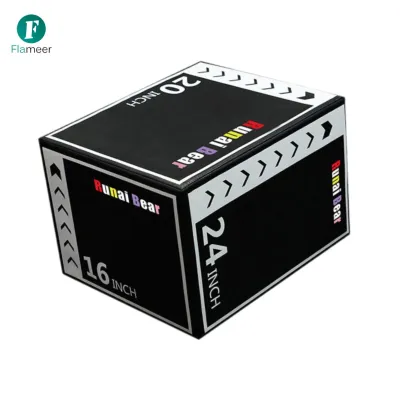
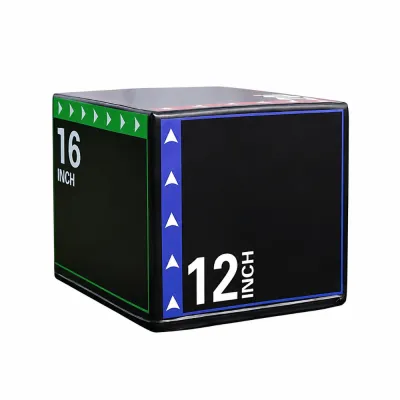
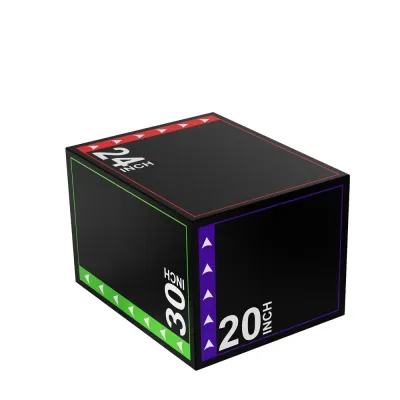
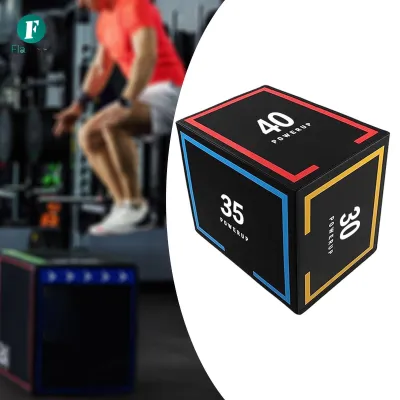
For most small condo gyms, a 3-in-1 wooden or soft foam plyometric box is the most efficient choice. These boxes offer three different training heights depending on which side you face upward, giving you multiple progression options within a single, compact footprint. Typically, a box with dimensions of 16 by 20 by 24 inches or 20 by 24 by 30 inches provides the versatility needed for dynamic workouts while remaining easy to tuck away when your training session ends.
Measure Your Space: Floor Area and Ceiling Clearance
Before purchasing any fitness equipment, you must accurately map out your available floor area. Start by clearing the designated workout zone and measuring the length and width of the usable floor space. Be sure to account for door swings, nearby furniture like sofa edges or dining chairs, and the natural walkways you need to navigate your home. A plyometric box requires a completely flat, unobstructed surface to remain stable during high-impact landings.
Products mentioned in this guide
Prices are valid at publication and may change. Please refer to the product page for the latest price.
Vertical clearance is even more critical than floor space when it comes to jump training. To calculate your required ceiling height, add your physical height, your maximum anticipated jump height, and a safety buffer of at least 30 to 50 centimeters. If your ceiling is standard or low, jumping onto a high box could put you at risk of hitting your head. Always measure from the floor to the lowest point of your ceiling to ensure you have a safe overhead margin.
Additionally, you must identify and avoid potential overhead hazards that are common in residential units. Look out for ceiling fans, low-hanging light fixtures, chandeliers, or exposed structural beams. Air conditioning units mounted high on the wall can also restrict your movement if you jump too close to them. Ensuring a clear path above your head is a fundamental safety step that prevents severe impact injuries and costly property damage.
Match Box Dimensions to Your Space and Skill Level
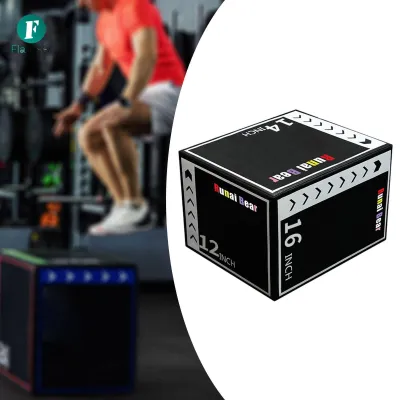
Plyometric boxes come in several standard sizes, and matching these dimensions to your current skill level is essential for both safety and progress. Beginners often start with lower heights, such as 12, 14, or 16 inches, which help build confidence and explosive power without overwhelming the joints. Intermediate and advanced fitness enthusiasts typically train with heights ranging from 20 to 30 inches to challenge their vertical leap and conditioning.

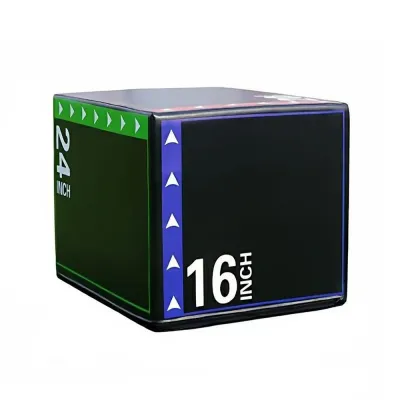
A 3-in-1 adjustable plyometric box is highly recommended for maximizing utility in a small condo. By rotating the box onto different sides, you can instantly switch between three distinct heights, such as 16, 20, and 24 inches. This design eliminates the need to buy and store multiple single-height platforms, saving valuable floor space while allowing you to progress your workouts over time. It serves as an all-in-one training tool that adapts to different exercises, from step-ups to high-intensity box jumps.
When selecting your box, evaluate the physical length and width of its base to ensure it does not dominate your room. A box with a wide base is inherently more stable, but it also occupies a larger footprint on your floor. For tight spaces, look for a compact base that still provides a secure landing platform. Balancing a stable base with a manageable physical size ensures your equipment remains safe to use without turning your living room into an obstacle course.
Choose the Right Material and Design for Apartment Living
The material of your plyometric box plays a major role in how well it fits into a shared residential building. Soft foam boxes are highly popular for condo living because they offer excellent floor protection and noise dampening. If you miss a jump, the soft foam prevents painful shin scrapes and reduces the loud, echoing thud of your landing. However, foam boxes can be bulkier to store, and their vinyl covers may become slippery when exposed to tropical humidity, requiring regular wiping down.
Wooden and metal boxes are incredibly durable and offer a highly stable landing surface, but they present unique challenges in an apartment. Wood and metal conduct sound easily, meaning every jump can send vibrations through the floor to the unit below. They also pose a higher risk of scratching delicate wood or tile flooring if dragged. If you choose a wooden box, look for models with rounded corners and smooth finishes to minimize the risk of splinters and accidental floor damage.
Foldable or stackable designs are alternative options worth considering for tight spaces. Foldable metal frames with rubberized platforms can be collapsed flat and slid under a bed or behind a wardrobe when not in use. When evaluating these designs, pay close attention to their structural integrity, locking mechanisms, and weight capacity. Ensure the locking pins are robust and that the frame does not wobble, as any instability during a high-impact landing can lead to falls.
Set Up Safe Clearances and Protect Your Floors
Creating a dedicated safety zone around your plyometric box is non-negotiable for home workouts. You must maintain a clear buffer zone of at least 1 to 1.5 meters on all sides of the box. This open space ensures that if you lose your balance, slip, or need to step off the box quickly, you will not collide with walls, sharp furniture corners, or glass doors. Never place your box directly against a wall or window, as a missed jump could push the box backward or cause you to fall into the structure.
To protect your floors and maintain peace with your downstairs neighbors, always place your plyometric box on a high-density rubber mat. A thick mat absorbs the heavy impact of your landings, dampens the acoustic vibrations, and prevents the box from sliding on smooth ceramic tiles or polished wood. Look for non-slip mats that grip both the floor and the bottom of your box securely. This simple addition dramatically improves stability and extends the lifespan of your flooring.
Before starting a high-impact training routine, check your condominium association rules or lease agreements. Many residential buildings in the Philippines have strict guidelines regarding noise levels, quiet hours, and the use of heavy fitness equipment in individual units. Understanding these rules beforehand helps you plan your workouts during acceptable hours and ensures your home fitness routine remains respectful of the community around you.
Frequently Asked Questions (FAQ)
Can I use a plyometric box on a balcony or outdoor condo area?
Using a plyometric box on a balcony requires careful safety and structural checks. First, verify the weight limits and structural integrity of your balcony with your building management, as high-impact jumping exerts significant downward force. Additionally, assess the weather resistance of your box material, as tropical humidity and sudden rain can warp wood or degrade foam. Always ensure the balcony tiles are completely dry and non-slip to prevent dangerous falls over the railing or onto the hard floor.
How do I store a plyometric box when not in use?
Storing bulky fitness equipment in a small apartment requires creative space management. If you have a foldable model, you can easily slide it under a bed or store it flat in a utility closet. For sturdy 3-in-1 wooden boxes, consider repurposing them as functional furniture when you are not training. By placing a custom cushion or a decorative wooden top over the box, you can easily transform it into a rustic coffee table, an entryway seating bench, or a side table, blending your gym gear seamlessly into your home decor.
Community discussion
Share your experience or ask a question. Comments are reviewed before publication.