
Choosing the right shelter is one of the most critical decisions you will make before heading out into the great outdoors. The choice between a pop-up and a manual folding retractable tent ultimately depends on your camping frequency, skill level, and how much convenience you prioritize over rugged durability. If you primarily car camp, attend casual outdoor events, or want a stress-free pitch after a long drive, a pop-up mechanism offers exceptional speed. Conversely, if you backpack, face unpredictable weather, or need a shelter that is easily repairable in the field, a manual folding tent provides better structural control and long-term reliability. Use the following comparison to match the right setup style to your specific outdoor needs.
In tropical environments like the Philippines, where sudden afternoon downpours and high humidity are common, your tent’s design directly impacts your comfort and safety. A tent that is difficult to pitch in a sudden deluge can leave your gear soaked before the night even begins. On the other hand, a tent that cannot handle a stiff coastal breeze might collapse when you least expect it. Understanding how these two distinct setup styles function will help you make an informed investment for your next adventure.
Understanding Pop-Up vs. Manual Folding Mechanisms
To choose the right retractable tent, you must first understand the engineering behind each style. A pop-up tent relies on a continuous, highly flexible frame made of spring steel or fiberglass. This frame is permanently sewn into the fabric of the tent itself. When you release the retaining strap, the built-in tension causes the frame to spring open instantly, taking its full shape in a matter of seconds. Packing it away requires twisting and folding this spring-loaded frame back into a flat, circular shape, which can then be slipped into its carrying bag.
Products mentioned in this guide
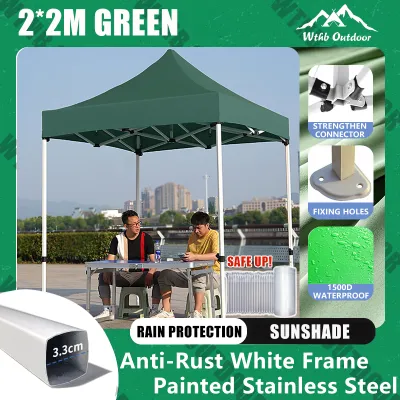
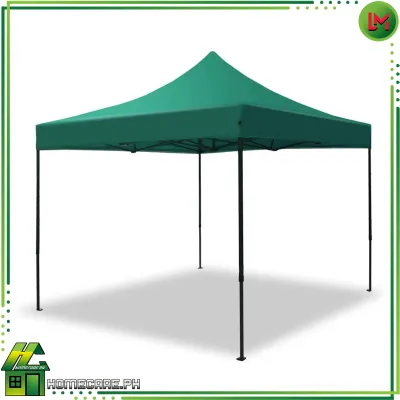
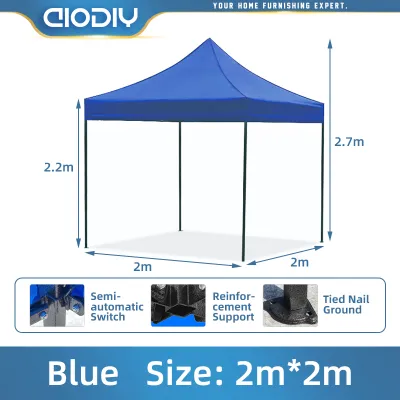
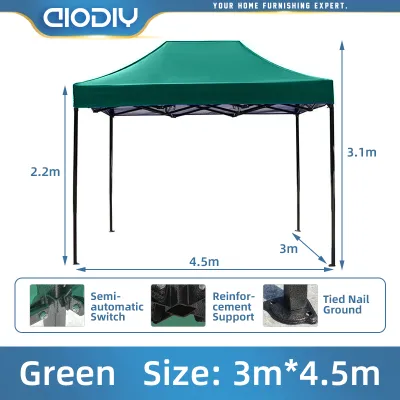
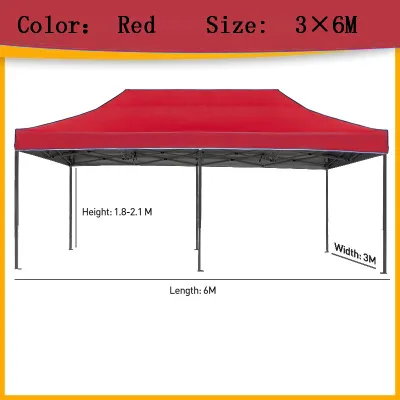
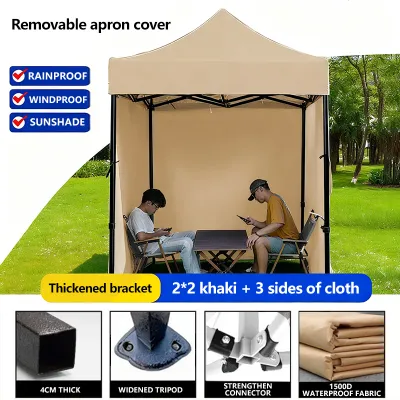
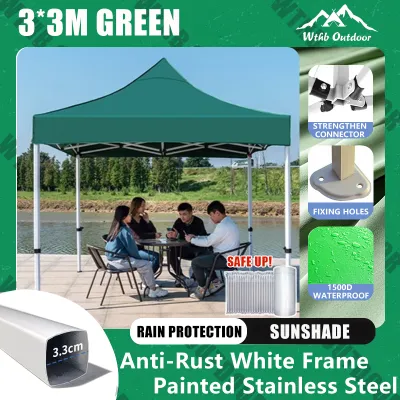
Prices are valid at publication and may change. Please refer to the product page for the latest price.
In contrast, a manual folding retractable tent uses a modular pole-and-sleeve or clip system. The poles, typically made of aluminum or segmented fiberglass, are separate from the tent body. Setting up this style requires you to assemble the shock-corded poles, thread them through fabric sleeves or clip them to the tent body, and then anchor the structure to the ground using stakes and guy lines. This traditional method allows you to control the tension of the fabric and the overall rigidity of the structure manually.
These mechanical differences directly affect how the tents are packed and transported. Pop-up tents fold down into flat, wide, circular discs. While they are relatively thin, their large diameter makes them awkward to carry over long distances or pack into tight spaces. Manual folding tents pack down into compact, cylindrical stuff sacks. This shape is highly efficient for packing into a car trunk, strapping to the bottom of a hiking backpack, or storing in a small closet at home.
Setup Speed, Convenience, and the Learning Curve
When it comes to setup speed, the pop-up tent offers distinct advantages in ideal conditions. If you arrive at your campsite late at night or during a sudden tropical rain shower, being able to toss your tent onto the ground and watch it deploy instantly is incredibly convenient. It minimizes your exposure to the elements and allows you to secure your sleeping gear inside immediately. However, this convenience comes with a hidden learning curve that many first-time campers overlook.

Collapsing a pop-up tent requires a specific sequence of twisting, folding, and compressing the spring-loaded frame. Without practicing this technique at home, you may find yourself struggling at the campsite, risking damage to the internal frame if you force it in the wrong direction. If a spring-steel frame is bent out of shape, the tent may never stand correctly again. Therefore, mastering the repacking process is essential before taking a pop-up tent into the field.
Manual folding tents require more time and effort to pitch, especially if you are setting up alone or in low-light conditions. Threading poles through sleeves and securing the rainfly requires patience and a basic understanding of tent geometry. In windy conditions, a manual tent can act like a sail during setup, requiring you to stake down the corners before inserting the poles. However, the advantage of this system is that it allows you to adjust the tension of the fabric precisely, ensuring that the rainfly is taut and positioned correctly to shed water and resist wind.
Durability, Weather Readiness, and Field Repairs
Evaluating the durability and weather readiness of a retractable tent requires looking closely at the materials and construction. Pop-up tents are generally designed for fair-weather camping and casual use. The flexible frames that allow them to pop open also make them more susceptible to collapsing under strong winds. Because the frame must remain highly flexible, it cannot offer the same rigid structural support as the thicker, stiffer poles used in manual tents.
To verify the weather readiness of any tent, you should check the manufacturer’s specifications on the product tag or packaging. Look for the hydrostatic head rating, which measures the fabric’s water resistance in millimeters. For tropical climates prone to heavy downpours, a rating of at least 1,500mm to 3,000mm is advisable. Additionally, inspect the seams to ensure they are factory-taped, which prevents water from seeping through the stitching. Manual folding tents often feature full-coverage rainflies that extend all the way to the ground, providing more robust protection against wind-driven rain compared to the partial rainflies common on many pop-up models.
Field repairability is another critical factor to consider, especially if you camp in remote areas far from help. If a pole on a manual folding tent breaks, it is relatively easy to perform a temporary field repair. You can use a metal repair sleeve and some duct tape to secure the broken section, allowing the tent to remain functional for the rest of your trip. If the spring-loaded frame of a pop-up tent snaps or bends permanently, it is extremely difficult to repair in the wild, often leaving you without a functional shelter.
Interior Space, Ventilation, and Livability
The physical shape of the tent frame dictates the quality of the living space inside. Pop-up tents often feature hoop-style or hoop-and-tunnel geometries, which can result in sloping walls. This design reduces the usable headroom near the edges of the tent, making the interior feel more cramped, especially for taller individuals. Manual folding tents, particularly dome or cabin styles, utilize crossed-pole configurations that create steeper walls and a higher peak height, maximizing the usable floor space and allowing you to sit up or move around more comfortably.
Ventilation is a vital consideration in hot, humid environments. Without adequate airflow, condensation will build up on the inside of the tent walls, leaving your sleeping bag and gear damp by morning. When evaluating a tent, look for large mesh panels, adjustable ground vents, and windows that can be opened even during rain. Many manual folding tents feature a double-wall design, consisting of a highly breathable inner mesh tent and a separate waterproof rainfly. This design creates an air gap that significantly reduces condensation. Pop-up tents are often single-wall structures with integrated rainflies, which can limit airflow and increase condensation unless they feature extensive, well-designed ventilation ports.
Storage options also differ between the two styles. Manual folding tents frequently include external vestibules—sheltered areas outside the main tent door created by the rainfly. These vestibules are highly practical for storing muddy hiking boots, wet gear, or bulky backpacks, keeping the interior clean and dry. Pop-up tents rarely feature large external vestibules, meaning you must store all your gear inside the tent with you, which can quickly crowd your sleeping area.
Decision Framework: Which Retractable Tent Fits Your Profile?
To finalize your decision, consider how your typical camping trips align with the strengths and limitations of each setup style.
Choose a pop-up retractable tent if:
- You prioritize setup speed and want a shelter that deploys in seconds.
- You primarily engage in car camping, backyard camping, or beach trips where you do not have to carry your gear far.
- You attend casual outdoor events or music festivals where convenience is your main priority.
- You prefer a beginner-friendly, low-effort pitch and are willing to practice the folding technique at home.
Choose a manual folding retractable tent if:
- You plan to go backpacking or hiking where compact packed size and low weight are essential.
- You expect to face unpredictable or harsh weather conditions, including strong winds and heavy rain.
- You value field repairability and want a durable shelter that can be serviced on the trail.
- You are planning extended basecamp trips where interior space, ventilation, and gear storage are critical for comfort.
Before making your purchase, always verify the specific packed dimensions, weight limits, and seasonal ratings on the manufacturer’s label. Ensure that the packed tent will fit comfortably in your vehicle’s cargo space or can be securely strapped to your backpack. If you are camping in tropical regions, prioritize models with high waterproof ratings and robust ventilation features to ensure a comfortable night’s sleep. Verify if the tent’s price fits your budget, whether you are looking at entry-level options around ₱2,000 or premium models exceeding ₱8,000.
Frequently Asked Questions (FAQ)
Can I use a pop-up retractable tent for backpacking?
While it is physically possible to carry a pop-up tent, it is generally not recommended for backpacking. Pop-up tents fold into large, flat discs that are difficult to pack inside a standard hiking backpack or strap securely to the exterior. Their wide profile can easily catch on branches and brush along narrow trails, throwing off your balance. Additionally, pop-up tents tend to be heavier than manual folding backpacking tents of equivalent capacity due to the continuous frame design. For trail use, a manual folding tent that packs into a compact, cylindrical stuff sack is a much safer and more practical choice.
How do I clean and store a retractable tent to prevent mold?
Proper maintenance is essential to preserve the waterproof coatings and fabric integrity of your tent. After every trip, especially in humid climates, set up your tent in a dry, shaded area at home to let it air-dry completely before storing it. Never pack away a damp tent, as this will quickly lead to mold, mildew, and a foul odor that can ruin the fabric. If the tent is dirty, gently wipe it down using a soft sponge and mild, non-detergent soap. Avoid harsh chemical cleaners, bleach, or machine washing, as these will strip away the factory-applied waterproof coatings and damage the seams. Store the dry tent in a cool, dry place out of direct sunlight.
Community discussion
Share your experience or ask a question. Comments are reviewed before publication.