
Choosing the right basketball hoop for your home depends on your available space, installation flexibility, and how permanently you want to set up your playing area. Portable hoops offer mobility and easy setup; in-ground systems provide maximum stability and professional-grade rebound performance; wall-mounted hoops save valuable ground space by utilizing existing structural walls. By evaluating your property and playing habits, you can select a system that ensures safe, active fun for years to come.
Quick Diagnostic: Which Basketball Hoop Matches Your Setup?
Choosing the right basketball hoop starts with an honest assessment of your physical environment and playing goals. A flat, paved surface is essential for any setup, but how you secure the hoop depends heavily on your property. If you are renting a home or using a shared driveway, permanent modifications are likely out of the question, making a portable option the logical choice.
For homeowners with a dedicated concrete pad, backyard court, or spacious driveway, an in-ground system offers a permanent, high-performance arena. If ground space is at a premium but you have a sturdy concrete or brick garage wall facing a paved area, a wall-mounted hoop maximizes your playing zone without taking up any footprint.
Products mentioned in this guide
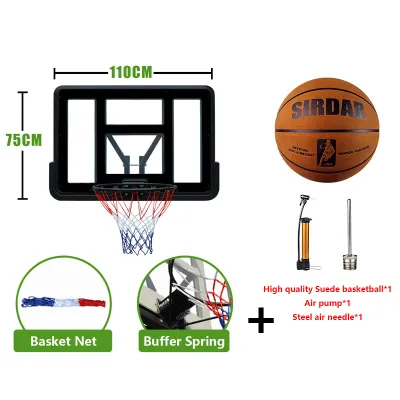
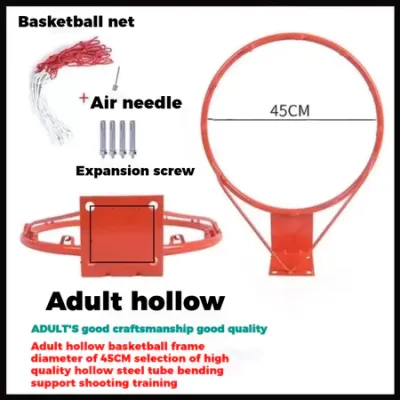
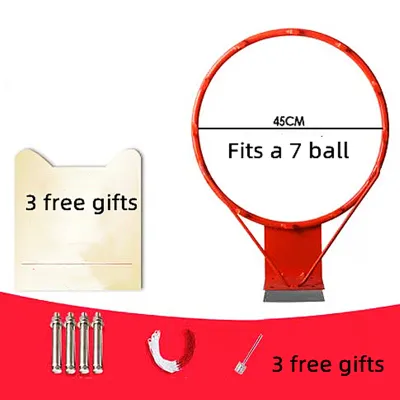
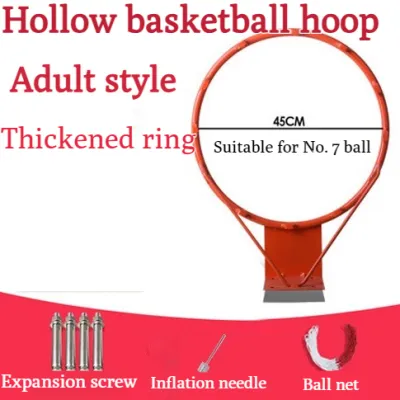
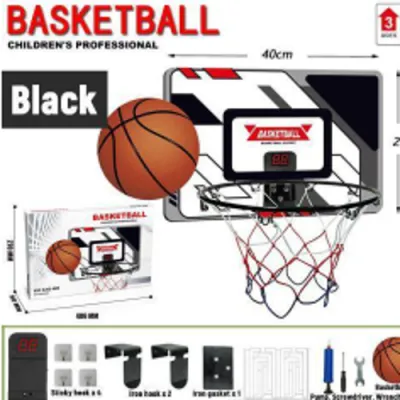
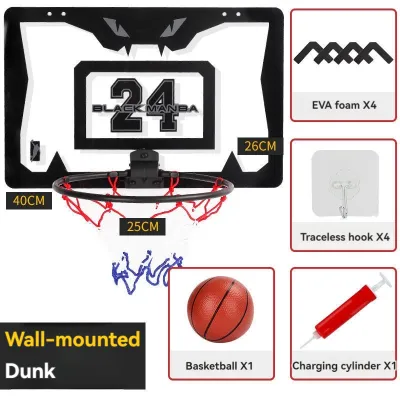
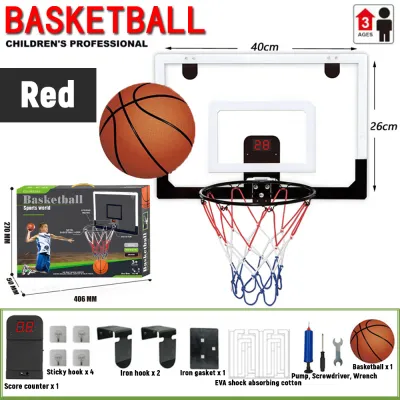
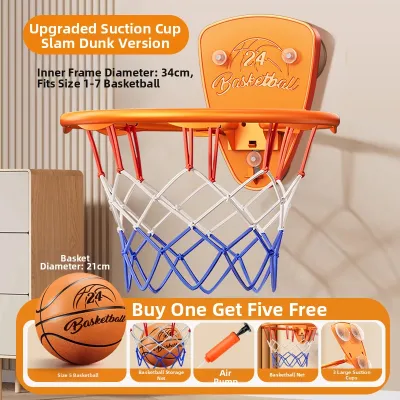
Prices are valid at publication and may change. Please refer to the product page for the latest price.
Finally, consider who will be playing. Younger children and casual recreational players benefit from adjustable systems that can grow over time. Serious players practicing high-impact moves or competitive shooting require the rigid stability and true rebound response that only fixed or heavy-duty installations can deliver.
Portable Basketball Hoops: Best for Driveways and Flexible Spaces
Portable basketball hoops are the most popular choice for households seeking immediate playability without a long-term construction commitment. These systems feature a roller-equipped base filled with ballast, a support pole, and a backboard. Because they require no professional installation or digging, you can assemble them and start playing on the same day.

Before purchasing, measure your driveway or yard to ensure the base footprint does not block vehicle parking or pedestrian pathways. A typical portable base requires a significant amount of flat ground space, often extending several feet behind the backboard. You must also verify overhead clearance, checking for low-hanging tree branches, power lines, or roof overhangs that could obstruct the hoop when raised to its full height.
Stability relies entirely on the ballast inside the base, which is typically filled with water or sand according to the manufacturer’s instructions. While water is easier to fill and drain, sand provides greater density and stability, reducing the risk of the system tipping over during aggressive play. In tropical climates prone to high winds and heavy rains, a water-filled base may also be susceptible to evaporation or minor leaks over time, making regular level checks essential.
Keep in mind that portable hoops have inherent structural limits. Even when fully weighted, the entire system can sway slightly during shots, which dampens the rebound quality compared to fixed systems. If your area experiences severe weather, you must have a plan to roll the hoop into a garage or secure it to a fixed anchor point to prevent wind damage.
In-Ground Basketball Hoops: Best for Dedicated Courts and Serious Play
For players seeking a professional court experience at home, an in-ground basketball hoop is the gold standard. By anchoring the support pole directly into a concrete foundation, these systems eliminate the bulky plastic base, providing a clean, professional look and an unobstructed playing area. This design allows players to run underneath the basket safely without fear of tripping over a ballast tank.
The primary benefit of an in-ground system is its exceptional stability. The rigid connection to the earth minimizes vibration, ensuring that the backboard delivers a true, consistent rebound similar to what you experience in a gymnasium. This makes it the preferred choice for competitive athletes practicing shooting drills, layups, and high-intensity training.
However, installation is a labor-intensive process that requires careful preparation. You must dig a deep hole, verify that there are no underground utility lines, and pour wet concrete to secure the ground sleeve or anchor system. The concrete must cure completely—often taking several days depending on local humidity and weather conditions—before you can mount the heavy pole and backboard.
Because this is a permanent addition to your property, you must carefully evaluate your long-term landscaping and spatial plans. Once the concrete sets, relocating the hoop is extremely difficult and usually requires cutting the pole or digging up the entire concrete block. Ensure the chosen location will remain a viable play space for years to come.
Wall-Mounted Basketball Hoops: Best for Garages and Limited Yards
When ground space is limited but you have a solid vertical structure, a wall-mounted basketball hoop offers an excellent compromise. By mounting the backboard directly to an existing wall, you completely eliminate the need for a ground pole or a bulky base. This setup is ideal for tight driveways, urban homes, or compact outdoor play areas.
The performance of a wall-mounted hoop depends entirely on the structural integrity of the wall you choose. Solid concrete, brick, or heavy-duty wooden studs are suitable mounting surfaces, whereas thin siding or hollow blocks without reinforcement cannot support the dynamic forces of basketball play. You must verify the wall’s load-bearing capacity and use the correct mounting brackets and masonry anchors specified by the manufacturer.
Safety is a critical consideration when planning a wall-mounted installation. Because the backboard is close to the wall, you must measure the overhang distance—the space between the backboard and the wall surface. A larger overhang provides more room for players to complete layups without colliding with the wall, but it also places greater leverage and stress on the mounting hardware.
Ensure there is adequate run-out space beneath and around the hoop. Players need a safe zone to slow down after driving to the basket, so the area directly under the board must be clear of steps, garden beds, or parked vehicles. Regular inspections of the mounting bolts are necessary to ensure they remain tight and secure against the vibrations of daily play.
Final Checklist: Verifying Your Space and Installation Readiness
Before finalizing your purchase, perform a thorough site survey to guarantee a safe and legal setup. Start by measuring the exact dimensions of your planned playing court, ensuring there is enough flat, level ground for safe movement. Check for overhead obstructions such as tree branches, roof gutters, or low-hanging utility lines that could interfere with high-arching shots.
Next, consult your local homeowner association (HOA) guidelines or community regulations. Many residential areas have strict rules regarding permanent outdoor structures, street encroachment, or the placement of portable hoops on public sidewalks and driveways. Verifying these rules beforehand prevents costly fines or the need to dismantle your new equipment.
Finally, match the backboard material and size to your specific needs and environment. Acrylic and polycarbonate backboards offer excellent durability and weather resistance for outdoor use, while tempered glass provides the most realistic rebound but requires a highly stable mounting system. Choose a backboard width—ranging from compact 44-inch models for tight spaces to regulation 72-inch models for spacious courts—that fits your playing area without overwhelming the surroundings.
Frequently Asked Questions (FAQ)
Can I convert a portable basketball hoop into an in-ground system later?
Converting a portable hoop into a permanent in-ground system is generally not recommended unless the manufacturer offers an official, certified conversion kit. Standard portable poles are designed to slip together and sit inside a plastic base, and they may lack the wall thickness or corrosion resistance required for direct burial in concrete. Attempting a DIY modification without approved parts can compromise structural integrity, leading to system failure or injury. Always check your product manual for compatible mounting accessories before altering the setup.
How do I protect my basketball hoop during typhoons or strong winds?
In regions prone to severe tropical weather, taking proactive steps is essential to protect your equipment and property. For adjustable portable hoops, lower the rim to its lowest setting to minimize wind resistance and lower the center of gravity. If possible, roll portable units into a secure garage or shed, or lay them down flat on the grass away from vehicles and windows. For in-ground and wall-mounted systems, regularly inspect the anchor bolts, mounting brackets, and net attachments to ensure they are tight and free of rust or structural wear.
What is the standard rim height, and should I get an adjustable one?
The standard regulation rim height for competitive basketball is 10 feet (approximately 3.05 meters). An adjustable hoop is highly beneficial for households with growing children, as it allows you to lower the rim to 7 or 8 feet so younger players can develop proper shooting mechanics without straining. When selecting an adjustable system, look for a reliable, counterbalanced adjustment mechanism that can be locked securely at various heights, ensuring the system remains stable during active play.
Community discussion
Share your experience or ask a question. Comments are reviewed before publication.