
Selecting the right home workout equipment is a balancing act between your fitness aspirations, available floor space, and budget. In many Philippine households, where space in urban condominiums or townhouses is at a premium, finding a machine that fits seamlessly into daily life without cluttering the living room is a common challenge. The three most popular options for home cardio—the portable pedal exerciser, the spin bike, and the treadmill—each serve distinct lifestyles, physical needs, and spatial constraints.
A pedal exerciser portable unit is the ultimate space-saving tool, designed primarily for low-impact active recovery, joint mobility, and light multi-tasking while seated. It is highly affordable and can be tucked away in a small drawer or under a bed when not in use.
A spin bike offers a step up in intensity, providing a robust platform for high-intensity interval training (HIIT) and lower-body strength development within a moderate, fixed footprint. It is ideal for those who want a dedicated workout station but cannot spare the room required for larger machinery.
Products mentioned in this guide
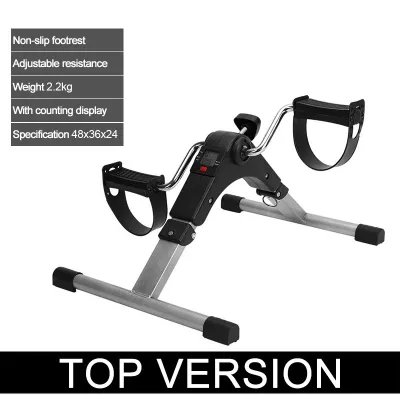
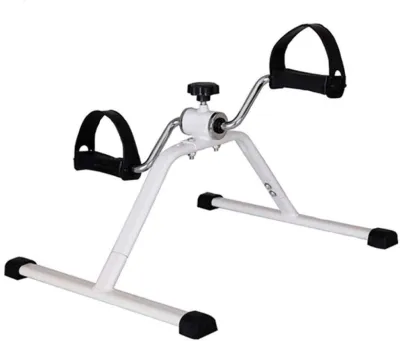
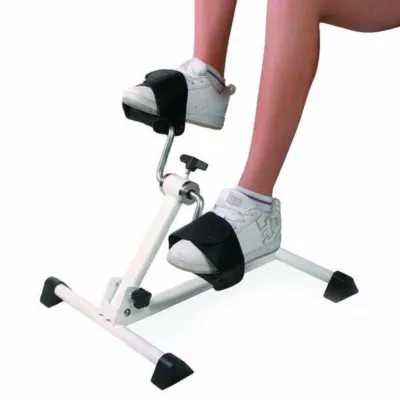
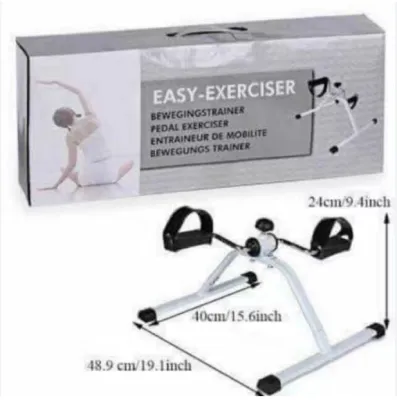
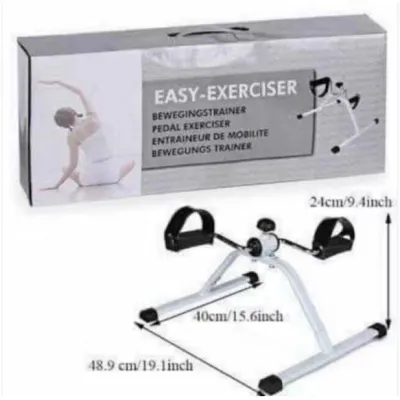
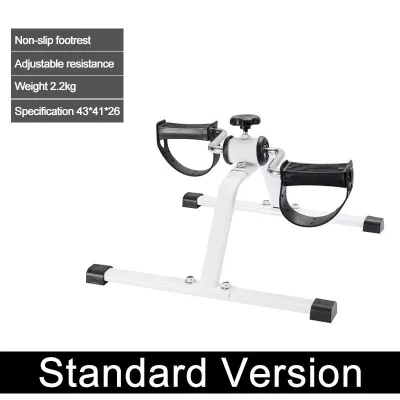
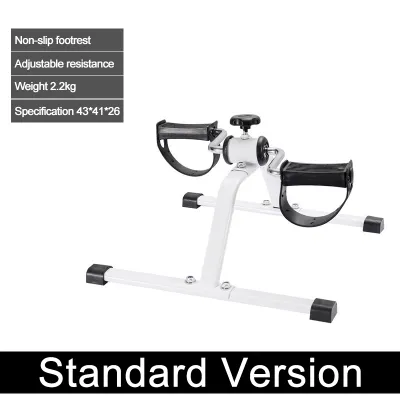
Prices are valid at publication and may change. Please refer to the product page for the latest price.
A treadmill remains the gold standard for natural, weight-bearing movement like walking, jogging, and running, though it demands the most floor space, vertical clearance, and financial investment. Understanding how these three machines compare across spatial, physical, and financial dimensions will help you make an informed decision that aligns with your home environment and long-term health goals.
Maximizing Small Spaces with a Pedal Exerciser Portable and Other Cardio Gear
Urban living spaces in major Philippine cities often require creative furniture arrangements, making the physical footprint of fitness equipment a primary decision factor. Before committing to any purchase, you must evaluate not only where the machine will sit during a workout but also where it will be stored when guests visit or when the room needs to be cleaned.
Portable Pedal Exerciser The physical profile of a portable pedal exerciser is remarkably small, typically measuring no more than 40 centimeters in width and 50 centimeters in length. Weighing between 3 to 5 kilograms, these devices are exceptionally easy to lift, carry, and relocate. You can place one directly under a work desk, in front of a living room sofa, or even on top of a table to exercise your arms. When your session is complete, it slides effortlessly into a closet, under a bed frame, or behind a television console, leaving your living space completely unobstructed.
Spin Bike A spin bike occupies a moderate, stationary footprint, generally requiring an area of about 100 to 120 centimeters in length and 50 to 60 centimeters in width. While it cannot be folded flat or tucked under a bed, most modern spin bikes are equipped with small transport wheels on the front stabilizer bar. This allows you to tilt the bike forward and roll it into a corner or against a wall when it is not in use. Because of the high-speed spinning flywheel and the potential for sweat dripping during intense sessions, placing a dedicated rubber floor mat underneath the bike is highly recommended to protect your tiles or wooden flooring from scratches and moisture.
Treadmill Treadmills are the most demanding option in terms of physical space, with standard motorized models requiring a dedicated floor area of at least 150 to 200 centimeters in length and 70 to 90 centimeters in width. Even if you opt for a folding treadmill, the space savings can be deceptive. While folding mechanisms lift the running deck upward to a near-vertical position, the machine still requires significant vertical clearance and retains its original width. Furthermore, moving a folded treadmill is a labor-intensive task; these machines often weigh between 50 to over 100 kilograms, making frequent relocation impractical for a single person.
Actionable Space Assessment To avoid purchasing equipment that does not fit your home, follow these practical measurement steps before ordering:
- Measure your intended workout area and mark the dimensions on the floor using masking tape to visualize the machine's actual footprint.
- Ensure there is at least 50 centimeters of clear space on both sides of a spin bike or pedal exerciser, and at least 1 meter of clear space behind a treadmill for safety in case of a fall.
- Check your ceiling height if you plan to buy a treadmill; add your own height to the treadmill's deck height (usually 20 to 30 centimeters), and ensure you have at least 15 to 20 centimeters of overhead clearance to prevent head injuries during runs.
- Always verify the exact folded and unfolded dimensions provided in the manufacturer's product specifications sheet rather than relying on promotional images.
Fitness Goals: Matching the Machine to Your Routine
Your physical capabilities, health history, and specific fitness objectives should dictate the type of movement pattern you choose. Each of these three machines interacts with your joints, muscles, and cardiovascular system in fundamentally different ways.

Portable Pedal Exerciser (Low Impact & Active Recovery)
A portable pedal exerciser is designed for continuous, low-resistance movement that prioritizes joint mobility and active recovery over intense cardiovascular conditioning. Because you use this machine while seated in a standard chair, it removes almost all weight-bearing stress from your knees, hips, and ankles, making it an exceptional tool for physical rehabilitation, seniors, or individuals recovering from lower-body injuries.
The primary fitness outcome of a mini pedal cycle is the promotion of daily physical activity, often referred to as Non-Exercise Activity Thermogenesis (NEAT). It helps stimulate blood circulation, reduce muscle stiffness during long hours of sedentary desk work, and maintain joint flexibility. However, it has clear limitations; the lightweight flywheel and simple tension mechanisms cannot provide the high resistance levels needed for significant muscle hypertrophy or advanced athletic conditioning. It should be viewed as a tool for consistent, gentle movement rather than high-intensity training.
Spin Bike (High Intensity & Endurance)
Indoor cycling on a spin bike is a highly effective, low-impact method for building cardiovascular endurance, burning calories, and strengthening the lower body. Unlike running, cycling is a closed-chain exercise, meaning your feet remain in constant contact with the pedals, which significantly reduces the jarring impact forces transmitted through your joints. This makes it an excellent option for high-intensity interval training (HIIT) for individuals who want a demanding workout but need to protect their knees from high-impact stress.
To maximize the benefits of a spin bike and prevent repetitive strain injuries, achieving a proper bike fit is essential. Adjust the seat height so that your knee has a slight bend (approximately 15 to 20 degrees) at the bottom of the pedal stroke, and adjust the handlebar reach to avoid excessive rounding of your lower back. When shopping, check the product specifications for the resistance mechanism and flywheel weight. Magnetic resistance systems offer a smoother, quieter ride and require virtually no maintenance, while friction resistance systems use felt pads that wear down over time. A heavier flywheel (typically 10 to 18 kilograms) provides greater momentum and a more realistic, road-like cycling feel.
Treadmill (Weight-Bearing & Versatility)
Treadmills offer the most natural and versatile movement patterns, accommodating everything from slow recovery walks to high-speed running intervals and incline training. Walking and running are weight-bearing exercises, which are crucial for stimulating bone remodeling and maintaining healthy bone density as you age. Additionally, treadmill training engages your entire body, requiring core stabilization, arm swing, and active engagement of the glutes, hamstrings, calves, and quadriceps.
However, the repetitive impact of running on a treadmill deck can place substantial stress on your joints, particularly if you have a history of knee or ankle issues. To mitigate this risk, look for treadmills equipped with built-in deck cushioning systems that absorb a portion of the impact shock. When evaluating treadmill specifications, pay close attention to the motor’s Continuous Horsepower (CHP) rating rather than the Peak Horsepower (PHP). For walking, a motor with 1.5 to 2.0 CHP is sufficient; for jogging, look for 2.0 to 2.5 CHP; and for regular running, a minimum of 2.5 to 3.0 CHP is highly recommended to ensure the motor does not overheat. Furthermore, ensure the running belt is at least 50 centimeters wide and 140 centimeters long to safely accommodate your natural stride length at higher speeds.
Budget and Upkeep: Evaluating Long-Term Value
Investing in home fitness equipment involves both upfront acquisition costs and ongoing maintenance responsibilities. In the Philippines, where tropical humidity and dust can accelerate the wear and tear of mechanical and electronic components, understanding these long-term factors is vital for protecting your investment.
Relative Cost Tiers The financial commitment required for these machines varies widely, allowing you to choose an option that fits your budget:
- Entry-Level (Portable Pedal Exercisers): These are the most budget-friendly options, typically ranging from ₱1,500 to ₱4,000. They feature simple mechanical designs with minimal electronics, making them highly accessible.
- Mid-Range (Spin Bikes): Spin bikes generally sit in the middle tier, with prices ranging from ₱5,000 for basic friction-resistance models to ₱25,000 or more for high-quality magnetic-resistance bikes with smart connectivity features.
- High-End (Motorized Treadmills): Treadmills represent the most significant financial investment. While manual, non-motorized walking pads can be found for under ₱10,000, reliable motorized treadmills suitable for running typically range from ₱15,000 to ₱80,000+, depending on motor power, deck size, and console technology.
Maintenance Checks To ensure your equipment remains safe and functional, you must perform regular maintenance based on the manufacturer’s guidelines:
- Treadmills: These require the most hands-on upkeep. You must periodically check the alignment of the running belt to ensure it does not drift to one side and fray. The space between the running deck and the belt must be lubricated with 100% silicone oil every 3 to 6 months (or after every 40 to 50 hours of use) to reduce friction and protect the motor from burning out.
- Spin Bikes: Wipe down the frame, handlebars, and flywheel after every workout to prevent acidic sweat from corroding the metal. If you have a friction-resistance bike, the felt pads will need occasional lubrication with silicone spray or replacement when they become worn. Periodically tighten the pedals and check the drive belt tension.
- Pedal Exercisers: These require very little maintenance due to their simple construction. Occasionally check the tension knob to ensure the threads are not stripped, and wipe down the pedals to remove dust.
Environmental Factors The warm, humid climate of the Philippines presents unique challenges for home gym equipment. High humidity can cause metal parts to rust quickly and can lead to moisture condensation on sensitive electronic consoles and motor control boards. To protect your gear, avoid storing or using your equipment on open balconies, wet laundry areas, or in rooms without proper ventilation. If you place your machine in a non-air-conditioned space, use a breathable protective cover when it is not in use to keep dust and moisture away from the internal components.
Warranty and Service Verification Before finalizing your purchase, verify the warranty terms offered by the seller or manufacturer. Motorized treadmills should ideally come with a multi-year warranty on the motor and frame, while spin bikes should cover the frame and resistance mechanism. Confirm whether the brand has authorized service centers or mobile technicians available in your region (such as Metro Manila, Metro Cebu, or Metro Davao) to avoid high shipping fees if the machine requires professional repair or replacement parts.
Decision Framework: Which Cardio Machine Should You Buy?
To finalize your decision, evaluate how your personal circumstances align with the specific strengths and limitations of each machine. Use this structured framework to guide your choice:
Choose a Portable Pedal Exerciser if:
- Your primary goal is to reduce sedentary time, improve circulation, or perform gentle joint rehabilitation.
- You live in a compact studio apartment or a shared room with virtually no space for permanent exercise equipment.
- You want a budget-friendly device under ₱4,000 that allows you to stay active while working at a desk or watching television.
- You require a lightweight, highly portable machine that can be easily carried between rooms or stored in a closet.
Choose a Spin Bike if:
- You want a high-intensity, calorie-burning workout that builds lower-body strength and cardiovascular endurance.
- You prefer low-impact exercise that minimizes stress on your knees, hips, and ankles.
- You have a dedicated corner of approximately one square meter to accommodate a stationary machine.
- You enjoy structured, rhythm-based cycling workouts or virtual spinning classes.
Choose a Treadmill if:
- You prefer natural, weight-bearing movement patterns like walking, jogging, or running.
- You want to improve bone density and engage your entire body, including your core and upper body.
- You have ample floor space, high ceilings, and a budget that accommodates a larger, motorized machine.
- You want the versatility of adjusting both speed and incline to simulate outdoor terrain.
Verify First if:
- You live in an upstairs apartment or condominium: Check the building's noise regulations. Treadmill foot strikes can generate significant low-frequency vibrations that travel through floors, whereas spin bikes and portable pedal exercisers operate almost silently.
- You have pre-existing medical conditions: If you suffer from severe joint pain, cardiovascular issues, or balance disorders, consult a qualified healthcare professional or physical therapist before starting a new exercise regimen to determine which movement pattern is safe for your body.
Frequently Asked Questions (FAQ)
Can a portable pedal exerciser help with weight loss?
A portable pedal exerciser can support a weight loss journey, but it should not be relied upon as the sole method for high-calorie expenditure. Because you use the device while seated, your core and upper body remain inactive, resulting in a lower overall calorie burn compared to standing, full-body exercises like running or high-intensity cycling. Instead, view the pedal exerciser as an excellent tool for increasing your daily Non-Exercise Activity Thermogenesis (NEAT). By pedaling consistently while working or reading, you accumulate extra physical activity throughout the day, which, when combined with a balanced diet, contributes to a sustainable caloric deficit.
Is a spin bike or treadmill better for knee pain?
For individuals experiencing mild, non-specific knee discomfort, a spin bike is generally a safer and more comfortable option than a treadmill. Cycling is a low-impact, closed-chain exercise that keeps your feet fixed to the pedals, eliminating the repetitive, high-impact forces associated with running or walking on a treadmill. This smooth, circular motion helps lubricate the knee joint with synovial fluid and strengthens the surrounding quadriceps and hamstrings, which can improve joint stability. However, improper bike setup—such as a seat that is too low or too far forward—can actually exacerbate knee pain. Always consult a physical therapist or medical professional for personalized guidance tailored to your specific joint health.
Do folding treadmills save significant space?
Folding treadmills do save floor space when stored, but they do not eliminate the need for a dedicated workout area. When folded, the running deck is lifted vertically, reducing the machine’s horizontal footprint by roughly 30% to 50%. However, the heavy steel frame, motor housing, and console uprights remain stationary, meaning the machine still occupies a permanent block of space in your room. Additionally, folding and unfolding a heavy treadmill deck requires physical effort, and cheaper models may lack hydraulic assist shocks to make this process safe. Always measure both the folded and unfolded dimensions of the treadmill to ensure it fits comfortably within your designated storage area.

Community discussion
Share your experience or ask a question. Comments are reviewed before publication.