
Quick Answer: Portable vs. In-Ground Basketball Hoops
Choosing the right basketball hoop depends on your living situation, playing style, and long-term property plans. If you rent your home, share a driveway, or need the flexibility to move your sports equipment, a portable basketball hoop is the practical choice. These systems rely on a fillable plastic base to stay upright, allowing you to roll the unit out of the way when it is not in use.
Conversely, if you own your property, have a dedicated concrete driveway or backyard court, and want a professional-grade playing experience, an in-ground basketball hoop is the ideal investment. In-ground systems are permanently anchored into a concrete foundation, providing unmatched stability for aggressive play. While portable hoops offer immediate convenience, in-ground models deliver superior rebound performance and long-term durability, provided you have the space and permission to install them.
Stability and Playing Experience
The structural design of your basketball hoop directly influences how the ball behaves when it hits the backboard and how much the entire system shakes after a shot. In-ground hoops are anchored directly into a deep concrete footing, which virtually eliminates the structural vibration common in portable systems. This rigid connection ensures that when the ball strikes the backboard, the rebound is true, consistent, and predictable, closely mimicking the feel of an indoor gymnasium court. For players practicing bank shots or competitive drills, this consistency is crucial for developing accurate muscle memory.
Products mentioned in this guide
![[best price]Standard Basketball Hoop Set For Teenagers and Adults Basketball ring and board set Height-adjustable 10FT Outdoor basketball court Basketball ring with stand 10ft Outdoor and Indoor portable basketball hoops](https://img.lazcdn.com/g/p/a1d2deea08d256d0c8dba790bda522cd.jpg_400x400q80.jpg_.webp)
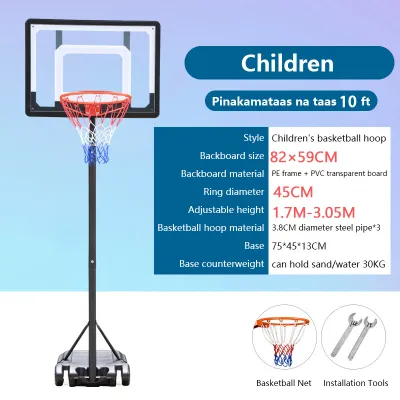
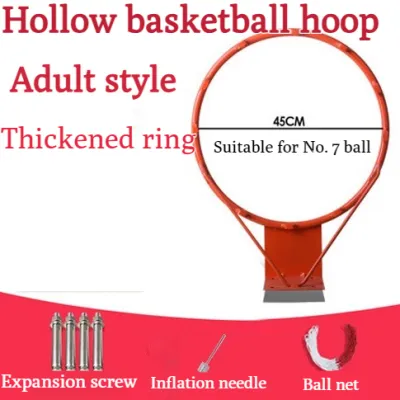
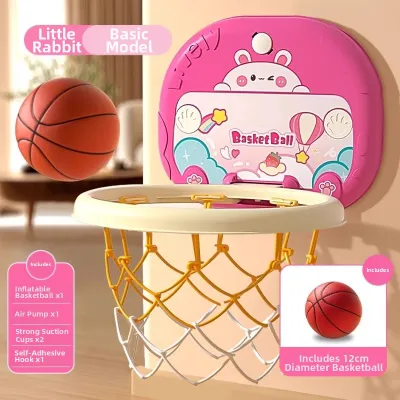
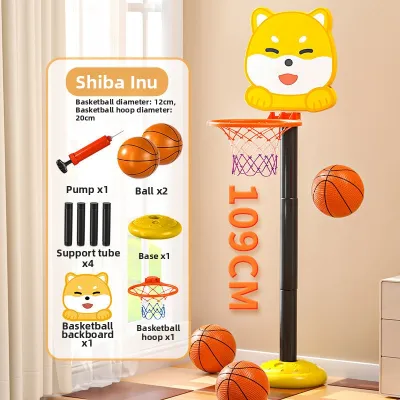
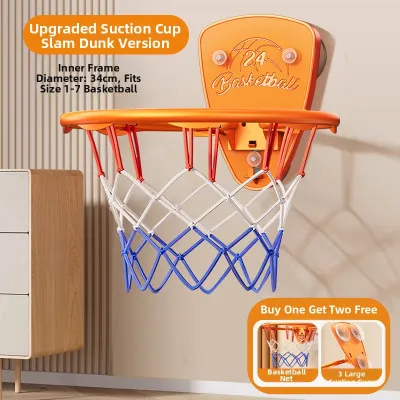
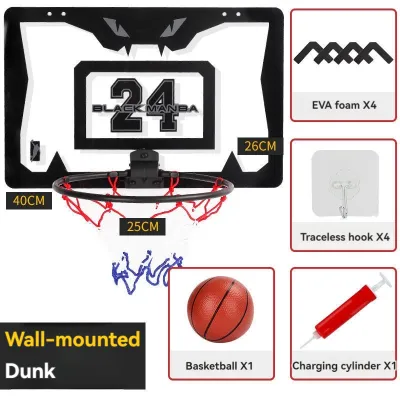
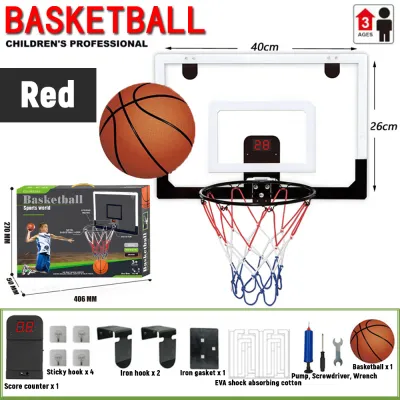
Prices are valid at publication and may change. Please refer to the product page for the latest price.

Portable hoops, by contrast, rely on a plastic base filled with water or sand to counteract the forward pull of the rim. Because the support pole is connected to a hollow base rather than a solid concrete foundation, some energy is absorbed by the system during impact, resulting in noticeable backboard shake and wobble. This movement can alter the trajectory of consecutive shots and reduce rebound quality. Furthermore, aggressive play such as dunking poses safety risks on portable systems. You must always check the manufacturer’s weight limits, warning labels, and structural ratings before attempting to hang on the rim, as excessive force can tip the unit forward or damage the adjustment mechanism.
Wind resistance is another critical factor, especially in tropical regions prone to severe weather and typhoons. An in-ground hoop with a thick, one-piece steel pole and a heavy-duty mounting system is highly resistant to high winds. Portable hoops present a larger wind profile, particularly those with large acrylic or polycarbonate backboards. During heavy storms, a portable hoop can act like a sail, catching the wind and tipping over, which can crack the backboard, bend the rim, or damage nearby vehicles and property. To prevent storm damage, owners of portable systems must often lay the hoop flat on the ground or secure it to a permanent structure when high winds are expected.
Installation, Mobility, and Space Requirements
Setting up your basketball hoop requires a realistic assessment of your physical space, DIY capabilities, and property rights. Installing an in-ground hoop is a labor-intensive process that requires digging a hole typically three to four feet deep, mixing and pouring multiple bags of concrete, and allowing the foundation to cure for several days before assembling the pole and backboard. Because this is a permanent modification to the landscape, you must verify property lines, check for underground utility lines before digging, and obtain any necessary permits or homeowner association approvals.
Portable hoops offer a much simpler assembly process that can usually be completed in a single afternoon. Once the frame is bolted together, you simply fill the base with water or sand to secure it. The primary advantage here is mobility; most portable units feature built-in wheels on the front of the base, allowing you to tilt the system forward and roll it across flat surfaces. This makes portable hoops highly suitable for shared driveways, multi-purpose outdoor spaces, or rental properties where permanent installations are strictly prohibited.
Before purchasing either system, careful space planning is essential to ensure safe play and prevent property damage. You must measure your driveway depth and width to ensure there is enough room for a player to shoot comfortably without stepping into active vehicle traffic. Additionally, consider the overhang clearance—the distance from the support pole to the backboard. A larger overhang provides more safe playing space under the rim but requires a deeper driveway. Finally, look upward to ensure the hoop’s path is clear of low-hanging tree branches, roof gutters, and overhead utility lines.
Durability, Maintenance, and Weather Resistance
Outdoor basketball hoops must withstand constant exposure to sun, rain, and humidity, which can degrade materials over time. For portable hoops, the plastic base is the most vulnerable component. Over years of exposure to intense tropical sunlight, the plastic can suffer from UV degradation, becoming brittle and prone to cracking. If a crack develops, the water or sand inside can leak out, silently compromising the hoop’s stability and creating a tipping hazard. Regularly inspecting the base for hairline cracks, leaks, or internal algae growth is a necessary maintenance task.
In-ground hoops do not have plastic bases to worry about, but their steel poles and mounting hardware are susceptible to rust, especially in humid coastal environments. To prevent structural failure, look for systems with powder-coated steel poles and galvanized hardware. If you notice paint chipping or rust spots forming near the ground level or around anchor bolts, you should promptly sand the area down and apply a rust-inhibiting outdoor paint.
The backboard material also dictates how well the system ages. Acrylic and polycarbonate backboards are highly impact-resistant and virtually shatterproof, making them excellent for active households with young children. However, polycarbonate can yellow and cloud over time when exposed to direct sunlight. Tempered glass backboards offer the best scratch resistance and visual clarity, maintaining their pristine appearance for decades, but they are heavier and can shatter under extreme, direct impacts from rocks or heavy tools.
The rim and net also require periodic attention. Breakaway rims use exposed or enclosed springs to absorb the impact of shots; these springs must be checked regularly for tension loss or rust. Standard nylon nets typically degrade within one to two years of outdoor exposure due to moisture and UV rays, so plan on replacing them periodically to keep your setup looking and performing its best.
Cost Breakdown and Long-Term Value
When budgeting for a basketball hoop, you must look beyond the initial retail price to account for installation materials and long-term utility. Portable basketball hoops generally offer the lowest barrier to entry. Entry-level portable models can range from approximately ₱8,000 to ₱20,000, making them highly accessible for casual play. High-end portable systems with tempered glass backboards and heavy-duty bases can cost between ₱25,000 and ₱55,000, but they still require no professional installation costs beyond the purchase of sand or water for the base.
In-ground hoops represent a larger financial investment. While mid-range in-ground systems can be purchased for around ₱20,000 to ₱40,000, premium, professional-grade models often exceed ₱60,000. Additionally, you must factor in the cost of concrete, rebar, digging tools, and potentially professional installation fees, which can add several thousand pesos to the total project cost.
Despite the higher upfront cost, in-ground hoops often provide better long-term value for homeowners. A professionally installed, high-quality in-ground hoop can last for decades and may even enhance the curb appeal and resale value of your home. However, because they are permanently set in concrete, you cannot take them with you if you move. Portable hoops offer excellent flexibility in this regard; when it is time to relocate, you can simply drain the base, disassemble the pole, and pack the entire system into a moving truck, preserving your investment.
Final Decision Framework: Which Hoop Should You Buy?
To make your final decision, evaluate your living situation against these specific criteria:
Choose a portable hoop if:
- You rent your home: You can easily pack up and transport the hoop when your lease ends.
- You have HOA or local restrictions: Many subdivisions prohibit permanent structures near the street.
- You use a multi-purpose driveway: You need to clear the playing area to park cars or access garage spaces.
- You want a quick setup: You prefer to start playing the same day without waiting for concrete to cure.
Choose an in-ground hoop if:
- You own your property: You want a permanent home improvement that adds long-term recreational value.
- You prioritize performance: You want a stable backboard with minimal shake and true ball rebounds.
- You practice aggressive play: You need a system structurally rated to handle high-impact shots and controlled dunking.
- You have a dedicated court space: You have a flat, concrete driveway or backyard pad with clear overhead clearance.
Before making any purchase, always verify local homeowner association rules, subdivision guidelines, or rental agreements to ensure your chosen setup complies with local property regulations.
Frequently Asked Questions (FAQ)
Can I convert a portable basketball hoop into an in-ground system?
Converting a portable hoop into an in-ground system depends entirely on the manufacturer’s design and pole structure. Some brands sell specific ground sleeve conversion kits designed to fit their portable poles, allowing you to slide the existing pole into a concrete foundation. However, you must never attempt a DIY structural modification—such as cutting the pole or burying a standard portable base in concrete—without official manufacturer approval. Doing so can compromise the structural integrity of the steel, void your warranty, and create a severe safety hazard if the pole buckles under load.
Is sand or water better for filling a portable basketball hoop base?
Both materials have distinct advantages depending on your priorities for stability and mobility. Sand is approximately 30% denser than water, providing a heavier, more stable base that significantly reduces backboard shake and wind tipping. However, sand is difficult to pour into small base openings and makes the hoop extremely heavy and challenging to move or empty during a relocation. Water is highly convenient, inexpensive, and easy to fill or drain using a standard garden hose, making it ideal if you plan to move the hoop frequently. If you choose water, you must regularly check for leaks, add a mild algaecide to prevent internal organic growth, and ensure the base remains completely filled to maintain safe operating weight.
Community discussion
Share your experience or ask a question. Comments are reviewed before publication.