
Choosing the right tennis ball can quietly transform your performance on the court, yet many players overlook this essential piece of gear. The primary decision comes down to choosing between pressurized and pressureless tennis balls. While they might look identical sitting in a sports shop, their internal designs create two entirely different playing experiences.
Pressurized tennis balls offer a lively bounce, crisp speed, and excellent spin control, making them the standard choice for competitive matches. However, they begin losing their bounce the moment you open the can. Pressureless tennis balls, on the other hand, rely on a solid, thick rubber core to bounce, allowing them to maintain their bounce indefinitely. This makes them highly practical for practice sessions, ball machines, and casual hitting, though they feel noticeably stiffer and heavier on impact.
For players in tropical climates like the Philippines, where high humidity and heat can accelerate gear degradation, understanding these differences is crucial. Selecting the wrong type can lead to premature wear, unnecessary expenses, or even physical discomfort during long rallies. By evaluating how each ball type behaves, you can make an informed choice that matches your playing frequency, budget, and performance goals.
Products mentioned in this guide
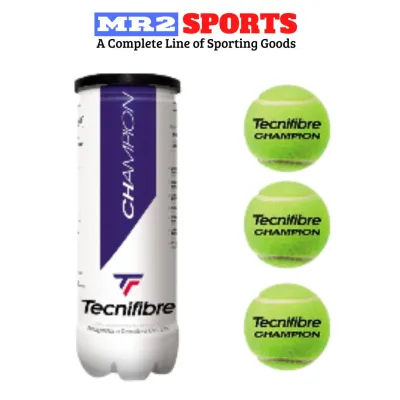
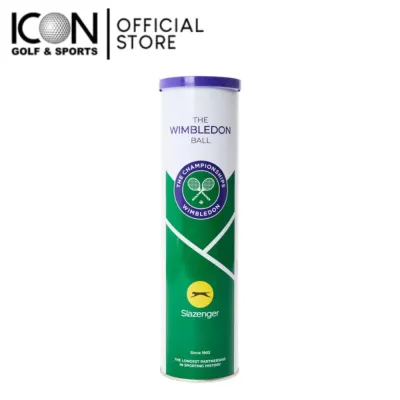
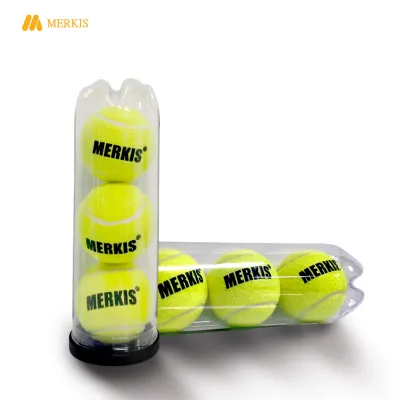
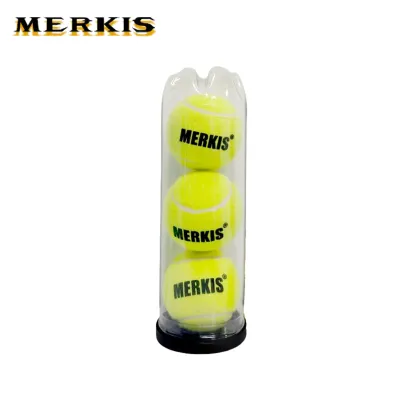
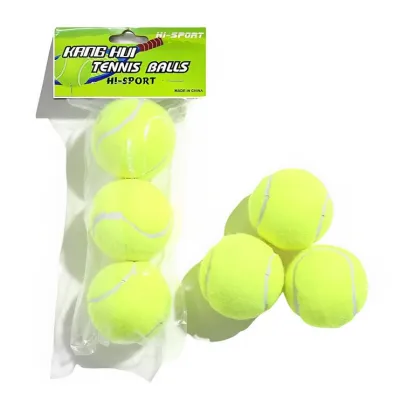
Prices are valid at publication and may change. Please refer to the product page for the latest price.
How Pressurized and Pressureless Balls Actually Work
To understand how these balls behave on the court, you have to look at what is happening inside their rubber shells. Pressurized tennis balls are manufactured by sealing compressed gas—usually air or nitrogen—inside a hollow rubber core. This internal pressure is significantly higher than the surrounding atmospheric pressure. The trapped gas acts like an internal spring; when the ball strikes a surface, it compresses, and the pressurized gas rapidly expands to push the ball back into its spherical shape, creating a high, energetic bounce.
In contrast, pressureless tennis balls do not rely on any internal gas pressure. Instead, their cores are molded from a thicker, heavier, and more resilient rubber compound. The bounce is generated entirely by the mechanical elasticity of the rubber itself. When a pressureless ball impacts the court or your racket, the thick rubber wall deforms and then snaps back to its original shape. Because there is no gas to escape, these balls never lose their bounce due to pressure loss.
Despite these internal differences, both ball types share a similar outer layer. Manufacturers wrap both pressurized and pressureless cores in a felt cover made from a blend of wool and synthetic fibers like nylon. This felt is not just for show; it creates aerodynamic drag, helps the ball grip the court surface, and allows the racket strings to grab the ball for spin control. Both types must also conform to standard weight and size regulations set by international governing bodies to ensure they feel familiar to players, even if their internal physics are completely different.
On-Court Feel: Spin, Speed, and Arm Impact
The physical differences between these two ball types translate directly into how they feel when you strike them with your racket. Pressurized balls are highly compressible, which allows them to sink deeper into your racket strings upon impact. This brief moment of extra contact time gives you exceptional control over spin generation. When you brush up on the ball for a topspin shot or slice underneath it, the felt and the compressible core work together to grip the strings, allowing you to shape your shots with high precision.

Speed and bounce predictability also favor pressurized models, at least initially. A fresh pressurized ball flies through the air with a crisp, fast trajectory and bounces off the court predictably. However, this performance is a moving target. As the internal gas slowly leaks out over hours of play, the ball becomes softer, the bounce grows shallower, and you must swing harder to achieve the same depth and speed.
Pressureless balls offer a very different sensation. Because of their thick rubber walls, they do not compress easily against the racket face. This stiffness can make spin generation feel more demanding, requiring cleaner technique and faster racket head speed to achieve the same level of control. Furthermore, the lack of compression means that more of the impact shock is transmitted directly up the racket frame and into your arm. Over a long hitting session, this increased vibration can lead to quicker arm fatigue and may cause discomfort for players prone to joint sensitivity.
Durability: How Long Each Type Really Lasts
Durability is where the trade-offs between these two designs become most apparent. Pressurized tennis balls have a notoriously short peak lifespan. The pressure loss begins the moment the factory seal on the can is broken, and the gas continuously permeates through the rubber shell even when the balls are sitting idle in your bag. In warm, humid environments, this process can happen even faster. Within a few games or a couple of weeks, the balls lose enough pressure to feel flat, resulting in a low, sluggish bounce that disrupts your rhythm.
Pressureless balls, by comparison, are incredibly long-lasting. Since they do not rely on gas pressure, they do not go flat. In fact, as you play with them, the thick rubber core gradually softens, which can actually make them feel slightly bouncier over time. Their lifespan is not limited by pressure, but rather by the wear and tear of their felt covers.
The court surface plays a massive role in how both types degrade. Hard courts, which are common in many public and private facilities, act like sandpaper on the felt. For a pressurized ball, the internal pressure often dies long before the felt wears out, meaning you discard a ball that still looks fuzzy. For a pressureless ball, the felt will eventually wear down to the smooth rubber core while the ball still bounces perfectly. Once the felt is gone, the ball becomes slick, flies unpredictably, and loses its ability to grip the court or your strings, signaling that it is finally time for a replacement.
Which Type Should You Buy? A Decision Framework
Choosing the right ball requires balancing your playing style, frequency, and physical comfort.
You should choose pressurized tennis balls if you regularly play competitive matches, participate in tournaments, or enjoy fast-paced, high-intensity rallies. If you prioritize precise spin control, a soft feel on impact, and a highly predictable bounce, pressurized is the standard choice. They are ideal for players who do not mind opening a fresh can for each match to ensure peak performance.
You should choose pressureless tennis balls if you are focused on practice, coaching, or casual recreation. They are the perfect choice for filling up ball machines or teaching hoppers, where balls must sit for weeks or months between uses without losing their bounce. If you are a casual player who hits occasionally and wants a set of balls that will remain usable in your bag for months, pressureless models offer unmatched value and convenience.
Before making your final decision, verify a few key factors. If you have a history of tennis elbow, wrist pain, or shoulder sensitivity, the stiff impact of pressureless balls may cause discomfort; in this case, pressurized balls are generally much gentler on your joints. Additionally, if you are training for an upcoming tournament, always practice with the pressurized balls specified by the event organizers, as switching from pressureless to pressurized right before a match can severely disrupt your timing and depth control. Finally, consider your storage habits; if you live in a highly humid area and choose pressurized balls, investing in a pressurized storage tube can help extend their lifespan between sessions.
Pressurized vs. Pressureless Comparison Matrix
| Feature | Pressurized Tennis Balls | Pressureless Tennis Balls |
|---|---|---|
| Bounce Mechanism | Compressed gas inside a hollow core | Elasticity of a thick rubber wall |
| Lifespan Pattern | Loses bounce quickly as gas leaks out | Retains bounce; discarded when felt wears out |
| Best Use Case | Competitive matches and tournament play | Ball machines, coaching hoppers, and casual practice |
| Spin Potential | High (better string pocketing and compression) | Moderate (requires more physical effort to generate spin) |
| Arm Impact | Soft and cushioned; lower vibration | Stiff and firm; higher vibration transmitted to the arm |
| Storage Sensitivity | High; degrades quickly once the can is opened | Low; can be stored indefinitely without losing bounce |
Frequently Asked Questions (FAQ)
Can I use pressureless tennis balls for official matches?
While some international tennis federations approve specific pressureless ball models for play—particularly at high altitudes where pressurized balls bounce excessively high—the vast majority of competitive tournaments and leagues mandate the use of pressurized balls. Standard match play relies on the specific speed, spin, and soft feel that only pressurized models can deliver. Before entering a tournament, always check the official event guidelines to ensure you are practicing with the approved ball type, as playing with pressureless balls can alter your timing and stroke mechanics.
Do pressureless tennis balls get heavier over time?
Pressureless tennis balls do not actually gain physical weight over time unless they absorb water from a damp court or high atmospheric humidity. However, they often feel heavier to players as they age. This common perception occurs because the felt cover wears thin over time, leaving a bald, hard rubber shell. Without the cushioning effect of the felt, the ball impacts the racket face with a harsher, stiffer sensation, which many players mistake for increased physical weight.
Community discussion
Share your experience or ask a question. Comments are reviewed before publication.