
Selecting the right Proberos fishing lure for Philippine waters depends on matching the lure’s running depth, action, and hardware durability to the specific habitat and feeding habits of your target species. Whether you are casting into the weed-choked margins of freshwater lakes for snakehead or jigging deep saltwater drop-offs for grouper, understanding how to evaluate and configure these lures is key to a successful catch. By analyzing water conditions, target species behavior, and lure specifications, you can make an informed decision before heading out to the water.
Angling in the Philippines presents unique environmental challenges, including high humidity, intense tropical sunlight, and diverse aquatic structures ranging from dense water hyacinths to sharp volcanic rocks and coral reefs. To consistently hook fish in these varied settings, anglers must look beyond basic aesthetics and focus on how a lure behaves in the water column. This guide breaks down the essential selection criteria, rigging methods, and maintenance practices for using Proberos lures in both freshwater and saltwater environments.
Quick Guide: Matching Proberos Lure Types to Target Fish
To maximize your efficiency on the water, it is helpful to categorize lures by their running depth and action. Lures generally operate in one of three primary zones: topwater, subsurface, or bottom-bouncing. Matching these zones to the active feeding depth of your target fish prevents wasted casts and keeps your presentation in the strike zone longer.
Products mentioned in this guide
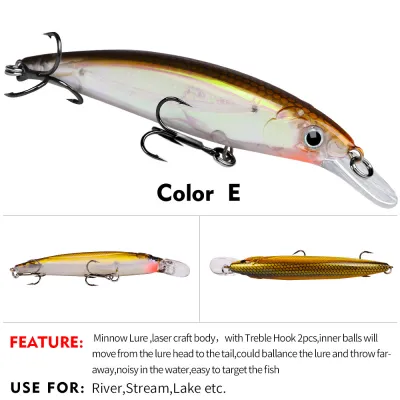
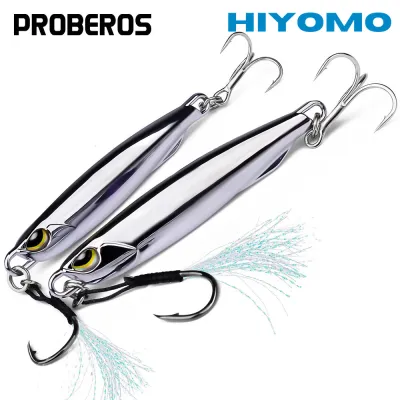
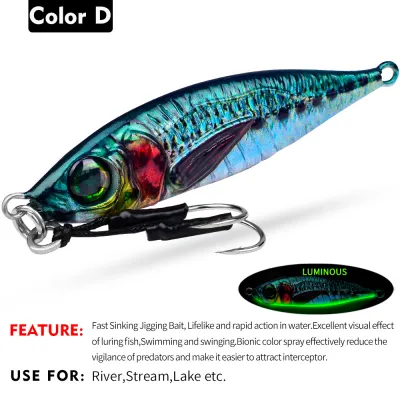
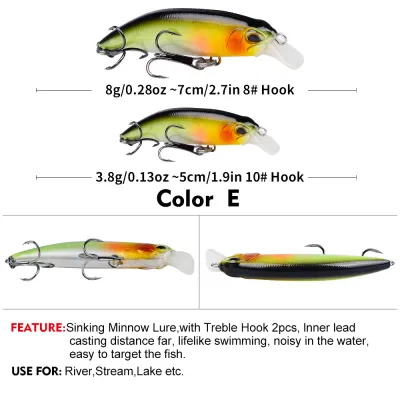
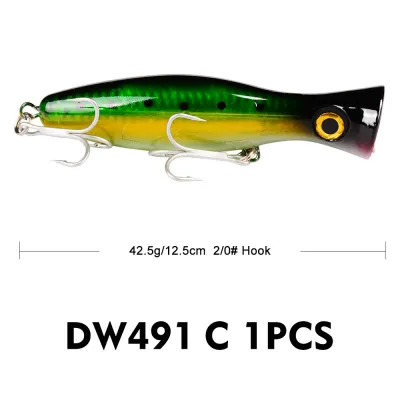
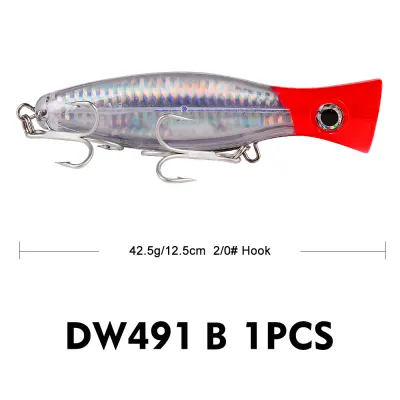
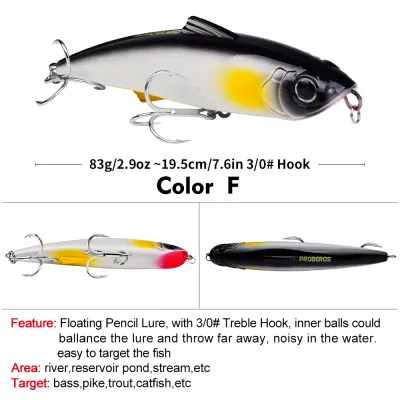
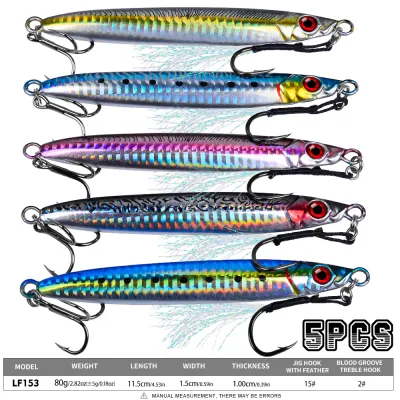
Prices are valid at publication and may change. Please refer to the product page for the latest price.
Topwater lures, such as poppers, pencil baits, and floating frogs, are designed to disturb the surface of the water. They mimic injured baitfish, insects, or small amphibians struggling on the surface. These are highly effective when predatory fish are actively patrolling shallow flats or when low-light conditions encourage surface feeding.
Subsurface lures, including minnows, crankbaits, and jerkbaits, operate in the mid-water column. These lures rely on integrated lips or specific body shapes to wobble, dart, or suspend at predetermined depths. They are ideal for targeting predators that hover around submerged structures, bridge pylons, or the edges of drop-offs.
Bottom-bouncing lures, such as weighted metal jigs, soft plastic grubs, and lead-head jigs, are engineered to sink rapidly to the floor. They mimic bottom-dwelling prey like crabs, shrimp, or dying baitfish seeking refuge. This category is essential for targeting species that feed primarily along the seabed or lake floor.
Before purchasing, use this quick-reference checklist to narrow down your options:
- Identify the target species and its typical feeding zone (surface, mid-water, or bottom).
- Assess the water depth and current strength of your fishing spot.
- Check the lure's rated diving depth on the packaging to ensure it can reach the target zone.
- Verify that your rod and reel setup can cast the lure's weight effectively.
Proberos Lure Categories for Common Philippine Freshwater Species
Freshwater angling in the Philippines often centers around lakes, rivers, and reservoirs where species like snakehead (locally known as dalag), tilapia, and largemouth bass reside. These environments are frequently characterized by heavy cover, including water hyacinths, submerged brush, and standing timber, which require specific lure styles to avoid constant snagging.

Soft plastics and grub tails are highly effective in structure-heavy habitats. When targeting dalag hiding in thick vegetation, rigging a soft plastic paddle tail or grub on a weedless offset hook allows the lure to slide over lily pads and through reeds without catching. The subtle, vibrating action of a grub tail often coaxes wary tilapia and bass out of dense cover.
For open or semi-open freshwater zones, shallow-diving minnows and spinnerbaits offer excellent coverage. Spinnerbaits create significant flash and vibration, making them easy for predators to locate in turbid lake waters. Shallow-diving minnows, retrieved with a stop-and-go action, mimic small native fish and trigger aggressive reaction strikes from active bass patrolling the shoreline.
When selecting these lures, always verify the hook sizes and rigging options indicated on the product labels. For snag-prone freshwater areas, look for lures that explicitly support weedless rigging or feature single hooks rather than exposed trebles. Ensuring the hook size matches the body profile of the soft plastic is critical for maintaining a natural swimming action and securing a solid hookset.
Proberos Lure Categories for Common Philippine Saltwater Species
Saltwater fishing along the coastlines, estuaries, and deep drop-offs of the Philippines demands rugged tackle capable of withstanding corrosive environments and powerful predators. Common targets include grouper (lapu-lapu), snapper (mangagat), and trevally (talakitok), each requiring distinct lure actions to entice.
Metal jigs and heavy sinking minnows are indispensable for deep-water drop-offs and areas with strong coastal currents. When fishing rocky reefs or deep channels for lapu-lapu and mangagat, a heavy metal jig sinks rapidly through the current to reach the bottom structure where these predators ambush prey. A fast, vertical jigging motion mimics a fleeing baitfish and triggers instinctual strikes.
For surface-feeding predators like talakitok, poppers and surface walkers are highly effective, particularly during low-light conditions at dawn or dusk. The loud popping sound and splashing water created by a surface popper mimic a panicked school of baitfish, drawing pelagic predators from deeper water to strike aggressively on the surface.
Because saltwater species possess immense crushing power and sharp teeth, you must check the manufacturer specifications for saltwater-resistant coatings and reinforced hardware. Look for lures equipped with heavy-duty split rings and corrosion-resistant hooks. Upgrading standard hardware to reinforced options is often necessary to prevent fish from bending the hooks or pulling the split rings apart during a hard fight.
Essential Specifications to Verify on Proberos Packaging
To ensure a Proberos lure performs as intended, you must carefully evaluate its physical specifications against your existing tackle setup before making a purchase. Using mismatched gear can lead to poor casting distance, tangled lines, or even equipment damage.
First, compare the lure’s weight and length against the casting weight rating printed on your fishing rod. Attempting to cast a heavy saltwater jig on a light-action rod can fracture the blank, while casting a lightweight micro-lure on a heavy setup results in extremely limited casting distance. Ensure the lure falls comfortably within the recommended range of your rod.
Next, inspect the hook quality, wire gauge, and barb design. Standard hooks may suffice for light freshwater applications, but larger or more aggressive species require heavy-duty hooks. Evaluate whether the lure’s design allows you to easily swap out the stock treble hooks for inline single hooks, which can reduce snags and cause less harm to fish intended for release.
Finally, assess the material durability and finish quality. Look for multi-layer paint finishes and durable ABS plastic construction in the product descriptions. Reading user feedback on online retail platforms can provide valuable insights into how well the lure’s finish resists chipping when repeatedly cast against rocks or subjected to the sharp teeth of predatory fish.
Purchasing Channels and Authenticity Checks in the Philippines
With the popularity of recreational fishing growing across the archipelago, sourcing genuine tackle is essential for ensuring product durability and performance. Counterfeit or poorly manufactured lures often suffer from water leakage, off-center weights, and weak hooks that fail on the first fish.
To ensure you are buying authentic gear, prioritize official brand stores on major e-commerce platforms, authorized local tackle shops, and reputable outdoor distributors. Buying from established sellers guarantees that the product specifications match the manufacturer’s standards and that the materials used are of high quality.
Be cautious of suspiciously low prices. While authentic Proberos lures are generally budget-friendly, listings priced significantly below the standard market range of ₱100 to ₱400 for hard baits may indicate low-quality imitations. These cheap alternatives often use inferior plastics that crack easily and low-grade metal hardware that rusts after a single exposure to moisture.
Always verify seller ratings, return policies, and customer feedback before finalizing your purchase. Look for reviews that include detailed photos of the packaging and the lure itself. Positive feedback regarding the lure’s swimming action, paint durability, and hook sharpness is a strong indicator of a genuine product.
Frequently Asked Questions (FAQ)
Can I use Proberos freshwater lures in saltwater?
Yes, you can use freshwater lures in saltwater, but you must take specific precautions to prevent rapid deterioration. Freshwater lures are typically equipped with standard steel hooks and split rings that lack anti-corrosive coatings, meaning they will begin to rust almost immediately upon contact with saltwater.
To protect your gear, establish a strict post-trip cleaning routine. Thoroughly rinse the lures with clean, fresh water to remove salt deposits, dry them completely with a soft cloth, and store them in a well-ventilated tackle box away from unexposed lures. If you plan to use a freshwater model in the ocean frequently, consider replacing the stock hooks and split rings with dedicated marine-grade stainless steel or tin-plated hardware.
Stop using any lure that shows signs of structural compromise, such as hairline cracks in the plastic body or deep rust on the hook hook-eyes. Corroded hooks can snap easily under pressure, resulting in lost fish and leaving rusted metal in the marine environment.
How do I choose the right Proberos lure color for murky waters?
Selecting the right lure color depends heavily on water clarity and light penetration. In murky, stained, or muddy freshwater environments—often caused by heavy rains or agricultural runoff—fish rely more on silhouette and vibration than detailed vision. In these conditions, opt for high-visibility colors like chartreuse, bright orange, or solid dark colors like black and deep purple, which create a sharp, easily trackable silhouette against the turbid water.
In contrast, when fishing in clear saltwater or calm coastal flats, predatory fish can inspect lures closely. In these environments, natural, translucent, or silver patterns that mimic local baitfish are highly effective. These realistic finishes reflect natural sunlight and do not spook wary fish.
Always consult manufacturer color charts and seek advice from local anglers regarding what colors are currently producing results in your specific area. Local conditions can change rapidly, and real-time reports are often more reliable than general color rules.
Community discussion
Share your experience or ask a question. Comments are reviewed before publication.