
The Promax PM18 is a widely utilized bicycle brake lever designed to control your stopping power, but its performance depends entirely on how well its technical specifications match your existing bicycle setup. Before upgrading your cockpit or replacing worn-out parts, verifying details like clamp diameter, pull ratio, and material composition is essential for ensuring both safety and optimal braking response. Understanding these parameters prevents costly compatibility errors and helps you achieve a reliable, comfortable grip on every ride.
Identifying Your Exact Promax PM18 Variant
Bicycle components often undergo subtle design revisions across different production batches or regional markets. To ensure you have the correct information for your specific Promax PM18 levers, start by inspecting the component itself for any laser-etched markings, stamped model numbers, or production codes. These identifiers are typically located on the underside of the lever body or near the handlebar clamp area.
If the original packaging is available, cross-reference the printed barcode and model suffix with the manufacturer’s official digital spec sheets. Regional variations may feature slight differences in finish, hardware materials, or clamp tolerances that are not immediately visible to the naked eye. Verifying these exact details before beginning installation prevents compatibility mismatches with your existing brake cables and calipers, saving you time and avoiding potential safety hazards on the road.
Products mentioned in this guide
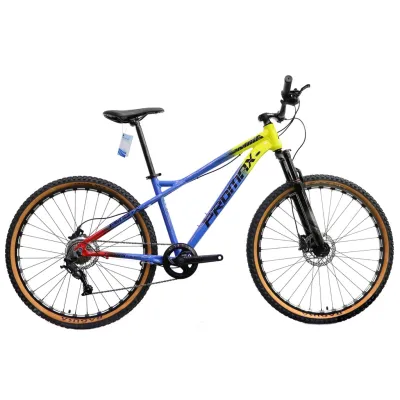
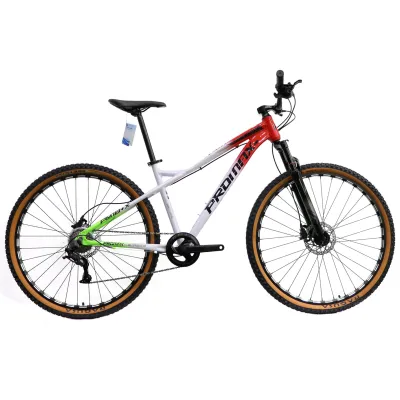
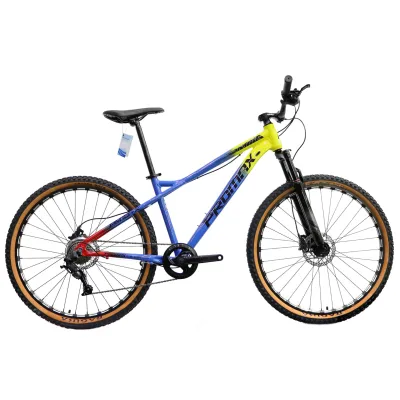
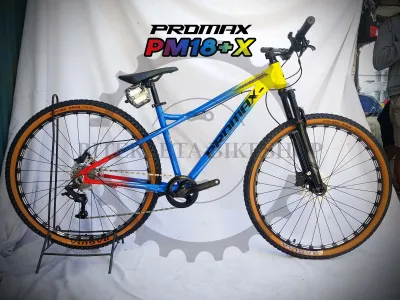
Prices are valid at publication and may change. Please refer to the product page for the latest price.
Critical Specs to Check on the Promax PM18
When evaluating the Promax PM18, several key technical parameters dictate how the component integrates with your bicycle’s cockpit and braking system.

Material and Build Examine the product labels or official documentation to identify the primary construction materials of your specific variant. Many levers in this category utilize aluminum alloy for the main body and lever blade to balance weight and structural strength, while some budget-friendly or entry-level versions may incorporate composite or plastic elements. Verifying the material composition helps you anticipate the lever’s resistance to flex under heavy braking pressure and its long-term durability against environmental exposure, such as high humidity or salty coastal air.
Leverage and Pull Ratio The pull ratio determines how much brake cable is pulled per millimeter of lever movement. You must verify whether your PM18 variant is designed for short-pull systems (typically compatible with caliper brakes, cantilever brakes, and road disc brakes) or long-pull systems (designed for linear-pull V-brakes and mountain mechanical disc brakes). Mismatching the lever’s pull ratio with your brake calipers can result in either a dangerously spongy lever feel with insufficient stopping power or an overly stiff lever that lacks modulation and locks up too easily.
Clamp Diameter and Mounting Before attempting to mount the levers, check the clamp diameter specified on the product packaging or official documentation. Standard flat handlebars typically require a 22.2 mm clamp diameter, but some alternative handlebar designs or drop bars may feature different sizing. Ensuring an exact match prevents you from over-tightening the clamp, which can crush lightweight handlebars, or leaving it too loose, which allows the lever to rotate unexpectedly during a sudden stop.
How These Specs Translate to Your Ride
The technical dimensions of your brake levers directly influence how your bicycle handles and responds to your inputs on the road or trail.
Braking Modulation Modulation refers to your ability to precisely control the amount of braking force applied, rather than simply locking up the wheels. A properly matched pull ratio ensures that the lever travel corresponds predictably to deceleration, allowing you to navigate steep descents or slippery, wet asphalt during sudden tropical downpours with confidence. If the mechanical leverage is correct, you can easily scrub off speed gradually without losing traction.
Ergonomics and Reach The physical shape of the lever blade determines how comfortably your fingers rest on the control surface. Evaluating the ergonomics of the PM18 involves checking for reach adjustability, which allows you to bring the lever blade closer to the handlebar grip. This feature is particularly beneficial for riders with smaller hands or those wearing thick riding gloves, as it reduces hand fatigue during long rides and ensures you can always apply maximum braking force instantly when needed.
Weight Distribution While a few grams of difference in a brake lever may seem negligible, cockpit weight directly affects steering responsiveness and overall handling. Lightweight alloy levers reduce the rotational inertia of your handlebars, making steering feel more agile and responsive when navigating tight corners or avoiding obstacles. Additionally, minimizing excess weight at the front of the bike contributes to overall climbing efficiency, especially when tackling steep, rolling terrain.
Setup Verification and Installation Safety
Safe installation requires a systematic approach to verify that the Promax PM18 is fully compatible with your bicycle before you head out on your next ride.
- Measure Cockpit Space: Ensure your handlebars have sufficient straight section length to accommodate the lever clamp alongside your shims, grips, and shifter pods without crowding.
- Inspect Cable Routing: Route the inner brake cables and outer housing along clean, gradual curves to minimize internal friction, which can cause sluggish lever return or sticky braking action.
- Check Torque Specifications: Use a calibrated torque wrench to tighten the clamp bolt to the manufacturer's exact recommended torque limit, preventing damage to both the lever and the handlebar.
- Identify Stop Conditions: Immediately halt the installation and consult a professional mechanic at your local bike shop if you notice any hairline cracks in the clamp, if the lever continues to slip even when tightened to the specified torque, or if the cable routing causes the housing to kink or bind during steering. If you need professional assistance, expect to pay a standard local service fee, which typically ranges from ₱150 to ₱500 depending on the complexity of the setup.
Frequently Asked Questions (FAQ)
Can I use the Promax PM18 with both linear-pull and mechanical disc brakes?
You must check the official documentation or the packaging of your specific Promax PM18 variant to confirm its pull-ratio design. Some variants are engineered specifically for long-pull systems like linear-pull V-brakes and mountain mechanical disc brakes, while others are built for short-pull road calipers. Using a short-pull lever with a long-pull brake caliper, or vice versa, compromises braking efficiency and safety, making it critical to verify compatibility before riding.
How do I adjust the reach on the PM18 brake levers?
To adjust the reach, locate the small adjustment screw or dial typically positioned near the pivot point of the lever blade. Using the correct size hex key or screwdriver, turn the screw clockwise to bring the lever blade closer to the handlebar grip, or counterclockwise to push it further away. Ensure that you do not back the screw out past its physical limits, and always verify that the lever still has sufficient travel to fully engage the brakes without bottoming out against the handlebar grip.
What should I do if the PM18 clamp doesn't fit my handlebars?
If the clamp diameter does not match your handlebars, do not attempt to force the fit using improvised shims, electrical tape, or excessive torque, as this can lead to sudden component failure while riding. Instead, check if the manufacturer offers approved, model-specific adapter shims for your handlebar size. If no official adapters are available, the safest course of action is to exchange the levers for a variant that natively matches your handlebar’s outer diameter.
Community discussion
Share your experience or ask a question. Comments are reviewed before publication.