
Quick Answer: Is the Prospec Aerobic Stepper Right for You?
Choosing the right aerobic stepper depends on your home workout space, fitness level, and the specific exercises you plan to perform. The Prospec aerobic stepper is highly recommended for fitness enthusiasts seeking a practical, adjustable, and space-efficient platform for standard home cardio, high-intensity interval training (HIIT), and traditional step aerobics. It offers a balanced combination of stability and affordability, making it an excellent addition to a home gym in the Philippines, where dedicated workout space is often shared with daily living areas.
However, this stepper may not suit everyone. If your routine involves heavy-duty strength training, such as high-impact barbell step-ups with substantial external loads, a heavier commercial-grade platform is more appropriate. Conversely, if your floor space is exceptionally limited, a compact mini-stepper with hydraulic resistance might serve you better. Evaluating your physical space and training goals will ensure you select the equipment that best supports your fitness journey.
Core Features to Evaluate in Any Aerobic Stepper
Before purchasing any fitness platform, understanding the technical and structural specifications is essential for safety and performance. A quality stepper must withstand repetitive, high-impact vertical and lateral forces while remaining firmly anchored to the ground. When comparing models, pay close attention to several critical design elements.
Products mentioned in this guide
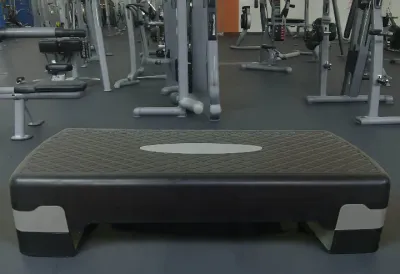
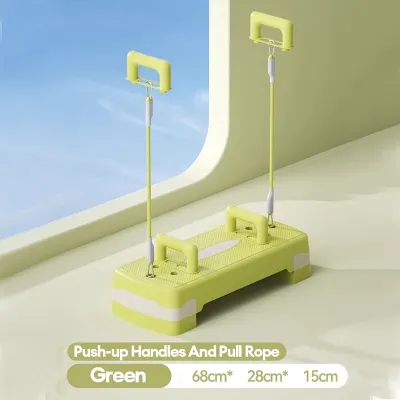
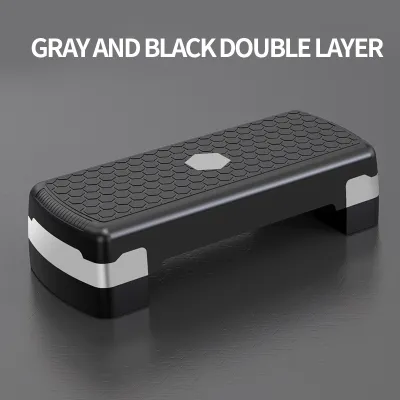
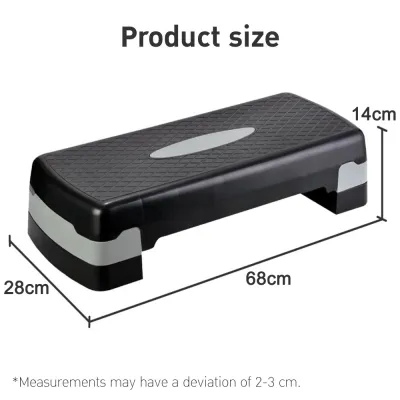
Prices are valid at publication and may change. Please refer to the product page for the latest price.

Adjustability and Height Risers
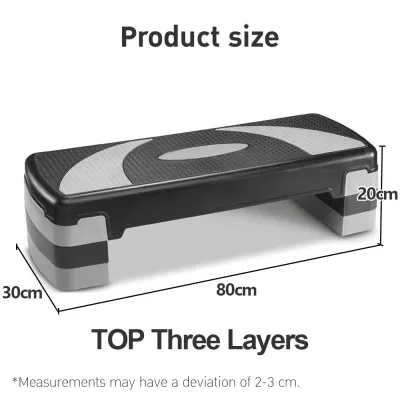
Adjustability directly dictates the intensity of your workouts. Most aerobic steppers utilize modular risers that stack underneath the main platform, allowing you to alter the height, typically between 10, 15, and 20 centimeters. Increasing the platform height increases the range of motion required for each step, thereby raising your heart rate and muscle recruitment. When evaluating a stepper, examine how the risers connect to the main deck. They must fit snugly without wobbling, slide-locking, or snapping out of place during rapid lateral movements.
Surface Area and Grip
The top surface of the platform is your primary point of contact and must provide reliable traction. Look for a textured, slip-resistant rubber or high-density thermoplastic top sheet. In warm, humid tropical environments, sweat accumulates rapidly on fitness equipment, turning smooth plastic into a serious slipping hazard. A deep, patterned texture helps channel moisture away from the soles of your athletic shoes, ensuring your feet remain securely planted during complex choreography or rapid jump-squats.
Weight Capacity and Structural Stability
An aerobic stepper must support your entire body weight plus the dynamic force of your landing, which can double or triple the static load during high-impact exercises. Flip the platform over to inspect its underside structure. High-quality steppers feature a dense, reinforced honeycomb or grid pattern molded into the plastic. This structural ribbing distributes weight evenly across the platform, preventing the center from flexing or bowing over time. Always verify the manufacturer’s maximum weight rating, especially if you plan to hold dumbbells or wear a weighted vest during your workouts.
Platform Dimensions and Footprint
The physical footprint of the stepper affects both exercise safety and storage convenience. A longer, wider platform (often referred to as a club-size stepper) provides a generous landing area, allowing for a wider stance and a broader range of lateral movements. However, these larger models require significant floor space and can be cumbersome to store. Smaller, compact home steppers are easier to tuck under a bed or sofa but require greater precision during foot placement to avoid stepping on the edges, which can cause the platform to tip.
Verification Rule
Because manufacturing specifications, material mixtures, and dimensions can vary significantly between production batches, always verify the exact weight limits, materials, and locking mechanisms on the product label, packaging, or official retailer listing before making a purchase. Never rely on generic assumptions regarding weight capacity.
Evaluating the Prospec Aerobic Stepper
In the Philippine fitness market, Prospec is recognized for providing accessible, practical home gym equipment. The Prospec aerobic stepper is designed specifically for home users who want a versatile workout tool without the high cost and massive footprint of commercial gym gear. Understanding its design characteristics helps you determine if it fits your specific home setup.
When inspecting a Prospec stepper, the first thing to evaluate is the build quality of its modular risers. These risers are typically designed to store directly underneath the main platform when not in use, which is a highly convenient feature for compact apartments. You should physically check the locking tabs on these risers to ensure they snap tightly into the main deck. A secure fit prevents the blocks from shifting when you perform lateral movements or step onto the outer edges of the platform.
Next, assess the usable stepping area in relation to your physical build. If you have a longer stride length or are relatively tall, you will need to step with greater precision on a compact home platform compared to a full-sized commercial gym model. Measure your natural stance and compare it to the platform’s length to ensure you have enough room to land your entire foot safely. Additionally, consider your ceiling height. In many residential homes or condominiums, stepping onto a platform adjusted to its maximum height of 20 centimeters can bring your head close to ceiling fans or low-hanging light fixtures. Always calculate your total clearance height before exercising.
Finally, take note of the weight capacity. Prospec steppers are engineered for standard cardiovascular workouts and bodyweight conditioning. If you plan to incorporate heavy strength training, carefully check the manufacturer’s stated weight limit. Ensure that your body weight combined with the heaviest dumbbells or barbells you intend to use does not exceed this rating, as overloading plastic components can lead to structural fatigue or sudden failure.
Prospec vs. Other Stepper Types on the Market
To make an informed decision, it is helpful to compare the standard Prospec home aerobic stepper against other common categories of stepping equipment available today.
Prospec vs. Premium Commercial-Grade Steppers
Premium commercial-grade steppers, often found in professional fitness clubs, are constructed from heavy-duty, high-density polyethylene (HDPE) and feature thick, shock-absorbing rubber top surfaces. These platforms are built to withstand constant, round-the-clock abuse from users of all sizes. They offer exceptionally high weight capacities and a very wide stepping surface, which provides maximum stability and safety during high-velocity workouts.
However, these commercial models come with significant trade-offs for home users. They are physically large, often measuring over 110 centimeters in length, making them difficult to store in standard household spaces. They are also heavy to move and carry a premium price tag, often costing several times more than a home-use model. The Prospec stepper serves as a highly practical alternative, offering sufficient durability and adjustable height settings for personal home use at a fraction of the cost and physical footprint.
Prospec vs. Mini or Fixed-Height Steppers
Mini steppers are compact, mechanical devices featuring two small pedals connected to hydraulic cylinders. They simulate a climbing motion while occupying a very small footprint on the floor. While mini steppers are highly portable and excellent for low-impact cardiovascular exercise while watching television, they lack the versatility of a traditional platform stepper. You cannot use a mini stepper for lateral stepping, choreographic step routines, plyometric box jumps, or as an elevated bench for strength exercises.
Fixed-height plastic steppers, on the other hand, lack adjustable risers entirely. While they are inexpensive and lightweight, they severely limit your fitness progression. Once your cardiovascular system adapts to the fixed elevation, you cannot increase the height to challenge yourself further. The Prospec stepper, with its adjustable riser system, provides the necessary versatility to scale your workouts as your strength and endurance improve over time.
Prospec vs. Multi-Function Fitness Benches
Multi-function fitness benches, sometimes called deck benches, are versatile pieces of equipment that transition between a flat aerobic stepper, an inclined weight bench, and a declined strength platform. They often feature built-in storage for resistance bands or hand weights, making them an attractive all-in-one solution for strength and cardio workouts.
Despite their versatility, these multi-function benches are substantially heavier and more expensive than a dedicated aerobic stepper. Their stepping surfaces are typically narrower to accommodate their folding backrests, which can make rapid, dynamic step aerobics more challenging and less secure. If your primary focus is rhythmic step cardio, high-speed HIIT, or if you prefer a lightweight platform that is easy to carry and store, a dedicated stepper like the Prospec is a safer and more user-friendly choice.
Decision Framework: Which Stepper Should You Buy?
To help finalize your purchasing decision, use this structured framework to match your workout style, space constraints, and budget to the correct equipment type.
Choose the Prospec stepper if:
- You want a budget-friendly, adjustable platform designed specifically for home cardio, step aerobics, and general bodyweight conditioning.
- Your workout area is multi-purpose, requiring equipment that can be quickly disassembled and stored under a bed or in a closet.
- You want to gradually increase your workout intensity using reliable, stackable height risers without purchasing multiple pieces of equipment.
- You reside in the Philippines and want a widely available, locally supported fitness accessory that fits standard residential spaces.
Choose a commercial-grade alternative if:
- You have a dedicated home gym room with permanent floor space to accommodate a large, club-sized fitness platform.
- You plan to perform high-impact plyometric training or heavy barbell step-ups where maximum weight capacity and absolute platform stability are critical.
- Multiple users of varying body weights will be utilizing the equipment daily, requiring maximum structural durability.
Choose a mini or fixed-height stepper if:
- Your living space is extremely restricted, and you only have enough room to store a device with a footprint smaller than a standard doormat.
- You do not plan to perform dynamic lateral movements, choreographic routines, or strength exercises that require a flat bench surface.
- You prefer a simple, low-impact stepping motion that requires minimal coordination or setup time.
Verify first if:
- The maximum height setting of the stepper you are considering allows for safe overhead clearance in your home.
- The length and width of the platform comfortably accommodate your natural stance and foot size to prevent accidental missteps.
Safety, Setup, and Maintenance for Home Steppers
To ensure a safe workout environment and extend the lifespan of your fitness equipment, establish proper setup, usage, and maintenance habits.
Proper Setup
Always place your aerobic stepper on a flat, level, and non-slip surface. Hardwood, tile, or polished concrete floors can be slippery, causing the stepper to slide when you apply lateral force. Placing a thin, high-density rubber gym mat underneath the platform is highly recommended. The mat protects your home’s flooring, dampens the noise of your steps, and provides essential traction to keep the stepper firmly in place.
Pre-Workout Verification
Before starting any exercise session, perform a quick physical check of the equipment. Ensure that all risers are fully engaged and locked into the main platform. Visually inspect the rubber feet on the bottom of the risers to confirm they are clean, intact, and free of dust or hair, which can reduce their grip on the floor. Never use a stepper if the risers appear cracked, loose, or unevenly stacked.
Cleaning and Climate Care
Sweat is corrosive and can make the textured surface of your stepper slippery. After every workout, wipe down the platform and risers with a damp microfiber cloth and a mild soap solution. Avoid using harsh chemical solvents or bleach, as these can degrade the plastic and dry out the rubber grip surfaces over time.
In the humid climate of the Philippines, proper storage is crucial. Store your stepper in a dry, well-ventilated indoor area away from direct sunlight. Prolonged exposure to high heat and ultraviolet (UV) rays can cause plastic components to become brittle and fade, reducing the structural integrity and safety of the platform.
Stop Conditions
Your safety must always come first. Stop your workout immediately if you experience any of the following conditions:
- The platform wobbles, tilts, or slides across the floor during a step.
- You hear cracking or popping sounds coming from the plastic when you step onto the deck.
- The modular risers fail to lock securely or begin to separate from the main body.
- You experience sudden joint pain, dizziness, or loss of balance.
Frequently Asked Questions (FAQ)
Are aerobic steppers bad for your knees?
Aerobic stepping is generally a low-impact exercise that is gentler on the joints than running or jumping on hard surfaces. However, improper form or using an incorrect height setting can place unnecessary stress on your knees. To protect your joints, always land your entire foot flat on the platform rather than letting your heel hang off the edge. Keep your knees aligned with your toes, avoiding any inward buckling as you step up. Beginners should start with the lowest height setting (10 centimeters) and gradually progress as leg strength and joint stability improve. If you have pre-existing knee injuries or chronic joint pain, consult a physical therapist or healthcare professional before beginning a step aerobics program.
Can I use an aerobic stepper for weight training?
Yes, an aerobic stepper can serve as a highly effective tool for weight training. You can use it as an elevated platform for dumbbell step-ups, split squats, elevated push-ups, mountain climbers, or as a low bench for chest presses. However, you must strictly adhere to the manufacturer’s maximum weight capacity, which must account for your body weight plus the weight of the dumbbells or barbells you are holding. Avoid dropping heavy weights directly onto the plastic platform, as concentrated point-load impacts can crack or shatter the molded plastic. For heavy, high-load strength training, a dedicated steel weight bench is always the safer option.
Community discussion
Share your experience or ask a question. Comments are reviewed before publication.