
Selecting the right protective boot for your AquaFlask jug in the Philippines is essential for safeguarding your vacuum-insulated bottle against dents, scratches, and daily wear. Whether you are commuting through busy transit hubs, working at an office desk, or hiking in humid tropical conditions, a durable boot acts as a reliable shield for your flask. By choosing a compatible accessory, you can preserve both the structural integrity and the vibrant powder-coated finish of your favorite hydration companion.
While these insulated jugs are built to endure daily use, their stainless steel bases remain vulnerable to high-impact drops on hard surfaces like concrete, tile, or asphalt. A quality protective boot not only absorbs shock but also eliminates the loud metallic clanging sound when placing your flask on hard tables. This guide provides practical steps to help you identify the correct boot size, compare different materials, and maintain your accessory for long-lasting performance.
Quick Guide to Choosing a Boot for Your AquaFlask Jug
To find the ideal protective boot, you must first identify the exact capacity and base diameter of your specific AquaFlask model. These jugs are available in several sizes, including 14-ounce, 18-ounce, 22-ounce, 32-ounce, 40-ounce, and 64-ounce options. Because base dimensions vary significantly between these capacities, a boot designed for a smaller bottle will not stretch enough to fit a larger one, while a larger boot will simply slip off.
Products mentioned in this guide
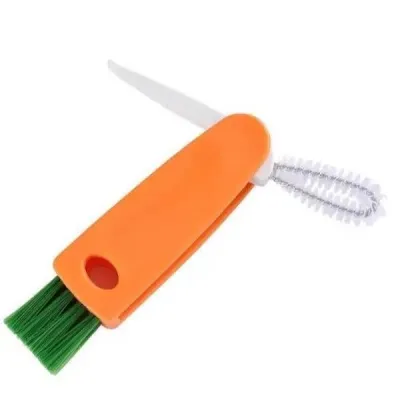
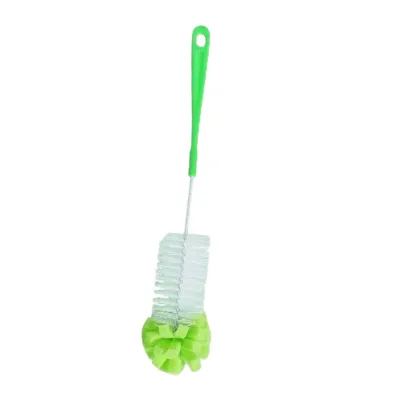
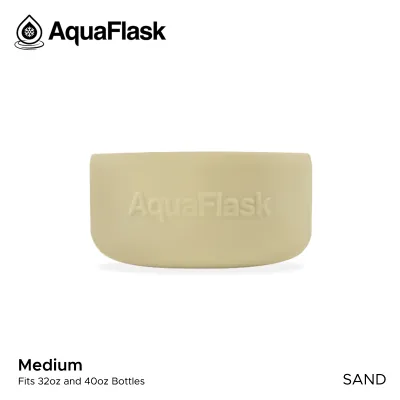
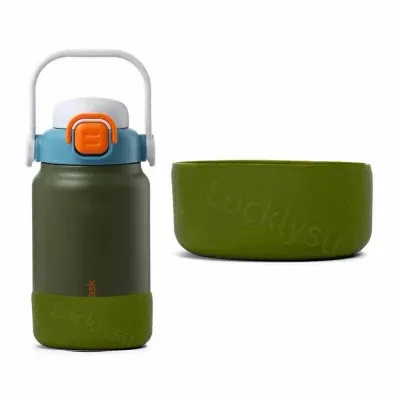
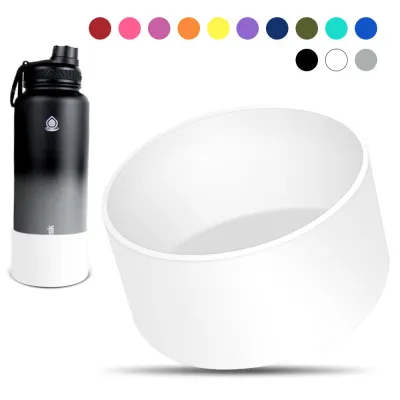
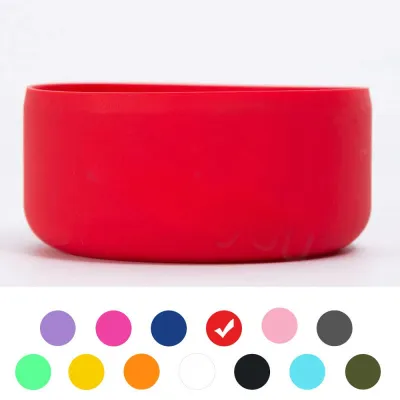
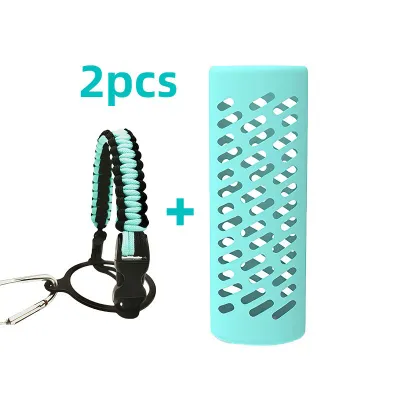
Prices are valid at publication and may change. Please refer to the product page for the latest price.
Prioritize protective boots that are explicitly labeled as compatible with your specific flask capacity or those verified by the manufacturer for an exact fit. While many third-party accessories are marketed as universal, subtle differences in base millimeter measurements can affect how securely the boot stays attached. Checking the compatibility list provided by the seller is the most reliable way to avoid sizing errors.
Your primary daily activities should also dictate the style and material of the boot you select. For office environments or light commuting, a slim, minimalist silicone boot offers sufficient scratch protection and a quiet landing on wooden or glass desks. If you frequently engage in outdoor sports, gym workouts, or weekend trail hikes, you may want to look for a thicker, heavy-duty boot with reinforced corners or a textured grip to handle rougher handling and uneven terrain.
How to Ensure a Proper Fit for Your AquaFlask Jug
Ensuring a proper fit requires verifying the physical dimensions of both your flask and the accessory before making a purchase. Most manufacturers and reputable third-party sellers list the exact base diameter of their boots in millimeters. Comparing these specifications to your flask’s base ensures that you do not end up with a boot that is too loose to stay on or too tight to install.

If you are unsure of your flask’s exact model or if the product page lacks detailed sizing information, you can easily measure the base manually. Place your empty flask on a flat sheet of paper, trace around the circular bottom with a fine-tip pen, and use a standard ruler to measure the widest point of the circle in millimeters. This manual measurement gives you a reliable reference point when browsing online listings.
Understanding the physical properties of boot materials is also crucial when evaluating fit and installation. High-quality silicone boots offer a moderate amount of stretch, allowing them to slide over the base of the flask and snap snugly into place. However, silicone has a physical limit; forcing a boot onto a base that is even a few millimeters too large can overstretch the material, leading to premature tearing, thinning, or a loss of elasticity over time.
An effective protective boot should also feature design elements that enhance stability on smooth surfaces. Look for boots that incorporate a small air release hole or a textured anti-vacuum design at the bottom. This feature prevents air from getting trapped inside the boot during installation, which can cause the boot to bulge and make the flask wobble when set down on flat surfaces.
Material and Design Options for Protective Boots
When comparing protective accessories, you will primarily choose between silicone boots and neoprene or fabric sleeves, each offering distinct advantages depending on your lifestyle.
Silicone Boots
Silicone is the most common material used for flask protection due to its excellent grip and water resistance. When shopping for silicone boots, check the product descriptions for terms like “food-grade silicone” or “heavy-duty thickness” to ensure durability. Key factors to consider include:
- Tear Resistance: Look for reinforced upper rims that resist tearing when you pull the boot on and off for cleaning.
- Grip Texture: Some boots feature ribbed or cross-hatched patterns on the bottom to provide extra traction on wet surfaces, such as poolside tiles or gym floors.
- Ease of Cleaning: High-quality silicone is non-porous, meaning it can be easily wiped clean or washed with mild dish soap without retaining stains or odors.
Neoprene and Fabric Sleeves
Neoprene or woven fabric sleeves offer an alternative style of protection, often covering a larger portion of the flask rather than just the bottom base. These sleeves are highly valued for specific outdoor and travel scenarios:
- Shock Absorption: The cushioned, spongy texture of neoprene provides excellent impact resistance against side dings and drops on rocky trails.
- Moisture Management: While neoprene can absorb external condensation or rain, high-quality outdoor sleeves are designed to dry relatively quickly.
- Carrying Features: Many fabric sleeves come equipped with integrated handles, adjustable shoulder straps, or plastic D-rings, making them highly convenient for hands-free carrying during long walks or hikes.
Design Variations
Beyond material, you must decide between a partial-coverage boot and a full-coverage sleeve. A partial boot typically covers only the bottom two to three inches of the flask, preserving the aesthetic look of your flask’s powder coating while protecting the primary impact zone. In contrast, a full-coverage sleeve protects almost the entire height of the bottle from scratches, which is ideal if you frequently pack your flask inside a crowded backpack alongside keys, tools, or other metal gear.
Where to Buy and What to Check Before Purchasing
Finding the right protective boot in the Philippines is straightforward if you know how to navigate local e-commerce platforms and official retail channels. When searching online marketplaces, use highly specific search terms such as “silicone boot for AquaFlask 22 oz” or “anti-slip base protector” to filter out irrelevant listings and find products tailored to your exact bottle size.
Before adding an item to your cart, dedicate time to reading customer reviews, focusing specifically on feedback regarding fit, durability, and material quality. Look for reviews written by verified buyers who mention using the boot on the exact same AquaFlask capacity you own. Pay close attention to any user photos or comments highlighting issues like color fading, loose fitting after a few weeks of use, or a strong chemical odor upon unboxing.
It is also wise to verify the seller’s return and exchange policies before finalizing your order. Even with careful measurements, there is always a slight chance that a third-party boot might not fit your specific flask model as expected. Purchasing from sellers who offer hassle-free returns or exchanges ensures you can easily swap the boot for a different size without losing your money.
Finally, compare prices in ₱ across different listings and look for bundled deals. Many local sellers offer packages that include a matching silicone boot, a paracord carrying handle, and a long-handled cleaning brush for a slightly higher price than the boot alone. These bundles can provide excellent value if you are looking to fully equip a new flask for daily commuting or outdoor adventures.
Caring for and Maintaining Your Protective Boot
Proper maintenance of your protective boot is essential for hygiene and to extend the lifespan of both the accessory and your flask. Because the boot fits snugly against the metal base, moisture can easily become trapped in the small gap between the two surfaces, creating an ideal environment for mold, mildew, and unpleasant odors.
To prevent hygiene issues, establish a routine of removing the protective boot at least once a week to clean both the flask and the accessory. Wash the silicone or fabric boot thoroughly using warm water and a mild dish soap. Avoid using abrasive scrubbing pads, harsh chemical bleach, or strong solvents, as these can degrade silicone, strip away protective coatings, or cause fabric colors to bleed and fade.
Thorough drying is the most critical step in the maintenance process. After washing, allow both the flask and the boot to air dry completely in a well-ventilated area before reassembling them. Putting a damp boot back onto a wet flask traps moisture, which can eventually lead to musty smells or even cause minor cosmetic damage to the flask’s exterior finish over time.
Over months of continuous use, keep an eye out for visual signs of wear and tear that indicate it is time to replace the boot. If you notice the silicone material becoming thin, sticky, or showing micro-tears along the upper rim, its protective capabilities are compromised. Replacing a worn-out boot promptly ensures your flask remains continuously protected against unexpected drops and impacts.
Frequently Asked Questions (FAQ)
Can I use a generic silicone boot for my AquaFlask jug?
Yes, you can use a generic silicone boot, but you must verify the exact millimeter measurements of the boot’s inner diameter rather than relying solely on general capacity labels. While many generic boots are advertised to fit standard vacuum-insulated bottles, minor design variations between brands can result in a fit that is either too loose or excessively tight.
Using a poorly fitting generic boot can lead to several practical issues. A boot that is too loose may slip off unexpectedly when you lift the flask from your bag, while a boot that is too tight can be incredibly difficult to remove for regular cleaning. To ensure compatibility, compare the seller’s detailed sizing charts and customer-uploaded photos against your flask’s measured base diameter before purchasing.
Do protective boots affect the insulation of the jug?
No, adding a protective boot does not affect the hot or cold temperature retention of your flask. AquaFlask jugs utilize double-wall vacuum insulation, which relies on a sealed vacuum gap between two layers of stainless steel to prevent heat transfer. Because this insulation mechanism operates entirely within the metal walls of the flask, placing an accessory on the exterior surface has no impact on internal thermal performance.
While a thick neoprene sleeve might provide a very minor layer of external thermal resistance, its primary function remains physical protection and grip. The boot is designed to absorb impacts, prevent scratches, and provide a stable, non-slip base on smooth surfaces, allowing you to carry your flask safely without compromising its ability to keep your drinks cold or hot for hours.
Community discussion
Share your experience or ask a question. Comments are reviewed before publication.