
Choosing the right protein shaker bottle requires balancing chemical safety, physical durability, and daily convenience. While no single material is universally perfect for every athlete, food-grade stainless steel and Tritan copolyester consistently emerge as the most reliable options for active lifestyles. Stainless steel offers unmatched drop resistance and odor prevention, whereas Tritan provides a lightweight, shatterproof alternative that mimics the clarity of glass without the fragility. Standard polypropylene (PP) plastic remains a budget-friendly entry point, while glass offers the highest level of chemical purity at the expense of portability.
To make an informed decision, you must evaluate how each material handles the physical demands of your workout environment, the chemical stability of its composition, and the ease of maintaining hygiene in warm, humid climates.
Understanding Shaker Bottle Material Options
To select the safest vessel for your daily supplements, you must first understand the distinct structural characteristics of the materials available on the market. Shaker bottles are primarily manufactured from four distinct material classes: standard plastics, Tritan copolyester, stainless steel, and glass. Each material possesses unique physical properties that dictate how it responds to impact, temperature changes, and repeated cleaning cycles.
Products mentioned in this guide
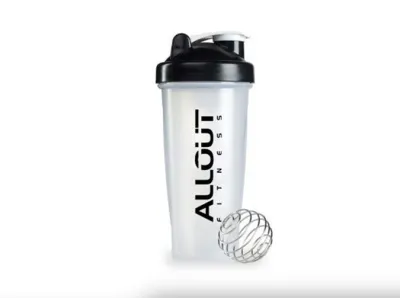
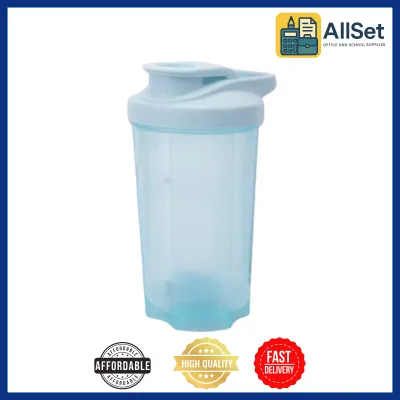
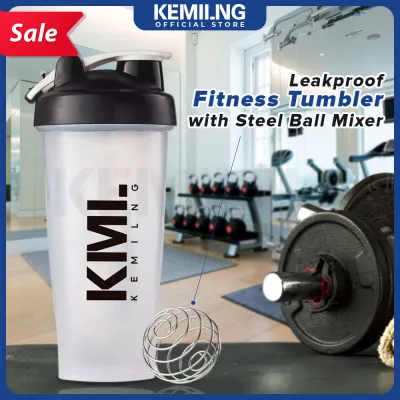
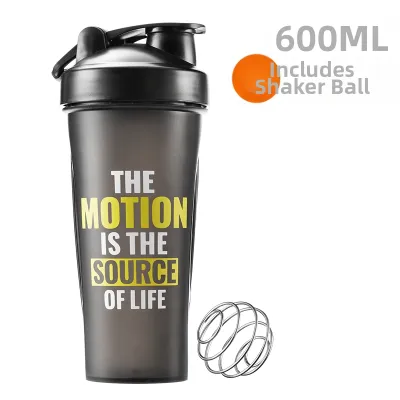
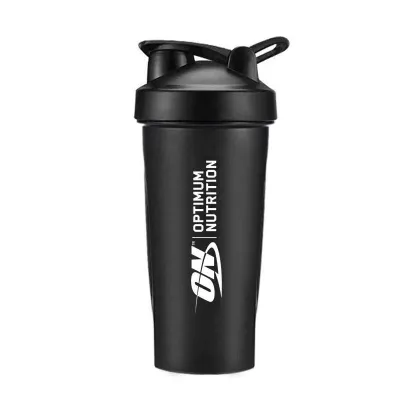
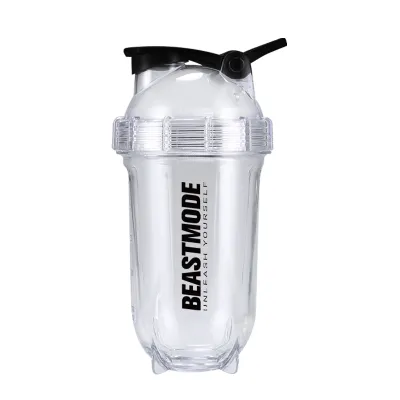
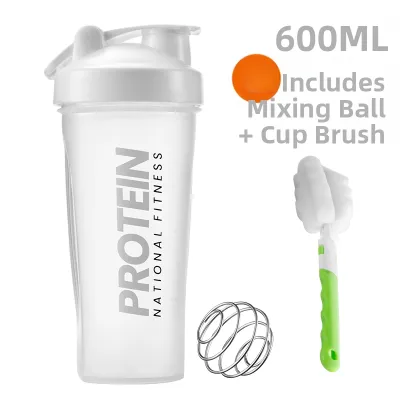
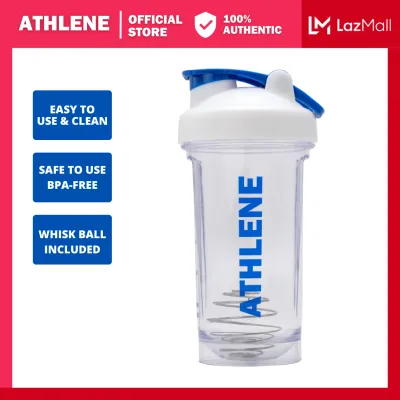
Prices are valid at publication and may change. Please refer to the product page for the latest price.
Standard plastic shaker bottles are typically made from polypropylene, a lightweight and flexible polymer. You can identify this material by looking at the bottom of the bottle for the triangular recycling symbol containing the number “5” and the letters “PP.” Polypropylene is highly affordable and resilient, but it is softer than other materials, making it more susceptible to surface scratches over time.
Tritan is a specialized, proprietary copolyester that has gained widespread popularity in sports accessories. It offers the crystal-clear appearance of glass combined with the lightweight, impact-resistant properties of plastic. To verify if a bottle is made of genuine Tritan, inspect the packaging or the base of the container for the molded Tritan trademark, which manufacturers display to distinguish it from standard plastics.
Stainless steel shaker bottles are constructed from food-grade alloys, most commonly designated as 18/8 or 304 stainless steel. These numbers indicate the percentage of chromium and nickel in the alloy, which provides excellent corrosion resistance and structural strength. These bottles are opaque, heavier than plastic, and often feature double-wall vacuum insulation to maintain liquid temperatures.
Glass shaker bottles represent the traditional choice for chemical purity. They are crafted from high-density borosilicate or soda-lime glass, designed to withstand moderate thermal shock. Because glass is naturally heavy and fragile, these bottles are almost always paired with an external protective sleeve made of silicone or plastic to cushion minor impacts.
Regardless of the material class you choose, verifying chemical safety is a critical first step. Always check the product label, packaging, or manufacturer specifications for explicit “BPA-free” and “BPS-free” certifications. Bisphenol A (BPA) and Bisphenol S (BPS) are chemical compounds historically used in plastic manufacturing that can mimic hormones if they leach into beverages. Ensuring your bottle carries verified food-grade indicators guarantees that the materials used are rated for safe contact with consumable liquids.
Evaluating Safety and Durability by Material
Evaluating how these materials perform under daily stress involves analyzing their chemical stability, physical impact resistance, and susceptibility to odor retention. Each material presents distinct trade-offs that affect its long-term safety and utility in a fitness routine.

Standard plastics and Tritan copolyester are highly valued for their lightweight nature and ability to survive accidental drops on gym floors. However, standard polypropylene is relatively soft, meaning that the abrasive action of mixing springs or protein powder clumps can create microscopic scratches on the inner walls. These micro-scratches can harbor bacteria and trap protein residues, leading to persistent, unpleasant odors that are difficult to wash away. Tritan addresses some of these limitations by offering superior scratch resistance and higher impact strength than standard PP, though it still requires careful inspection to ensure its surface remains smooth over months of continuous use.
Stainless steel stands out as the benchmark for physical durability and hygiene. It is virtually indestructible under normal gym conditions, resisting cracks, dents, and punctures from accidental drops. Because stainless steel is non-porous, it does not absorb organic compounds, making it exceptionally resistant to lingering odors even if a protein shake is accidentally left inside for several hours. When selecting a stainless steel shaker, it is important to check whether the interior has any artificial coatings or liners that could peel or degrade over time; high-quality food-grade stainless steel should have a bare, polished metal interior. Additionally, because metal is rigid, you must carefully inspect the lid threads and silicone gaskets to ensure they form a perfect, leak-proof seal without relying on the flexibility of a plastic rim.
Glass offers the highest level of chemical stability, as it is completely inert and will not react with any ingredients, acids, or temperature variations. It is entirely non-porous, meaning it will never retain odors or stains from colorful supplements. However, the primary trade-off is fragility; even with a thick silicone sleeve, a glass bottle remains vulnerable to shattering if dropped on hard concrete or tile surfaces. Glass is also significantly heavier than plastic or Tritan, which may make it less practical for carrying in a packed gym bag.
To maintain safety across all material types, you must respect the physical boundaries of each substance. Never assume a bottle is universally heat-tolerant or dishwasher-safe. Always consult the manufacturer’s specific guidelines regarding maximum temperature limits and cleaning compatibility. Exposing certain plastics to high heat can cause warping or accelerate material degradation, while washing non-compatible insulated stainless steel bottles in a dishwasher can compromise their vacuum seals.
Matching Material to Your Daily Workout Routine
Selecting the ideal protein shaker bottle requires aligning the material’s properties with your specific daily habits, workout environments, and cleaning preferences. A bottle that excels in a climate-controlled home gym might not perform as well during outdoor training sessions in tropical conditions.
For outdoor workouts, field sports, or commuting in high-humidity environments like the Philippines, durability and thermal performance are paramount. If you frequently train outdoors or travel with your gear, a double-walled insulated stainless steel shaker is highly advantageous. It prevents condensation from forming on the exterior—which can make the bottle slippery and wet your gym bag—while keeping your pre-workout or protein shake cold in warm weather. If weight is your primary concern when commuting, a Tritan bottle offers a lightweight, rugged alternative that can withstand being jostled inside a crowded bag without cracking.
Cleaning convenience is another critical factor in maintaining daily hygiene. Protein powders contain dairy and plant proteins that spoil rapidly, especially in warm climates, creating a breeding ground for bacteria. If you rely on a dishwasher, you must verify that both the bottle body and its lid assembly are rated for dishwasher use, typically on the top rack. For manual washing, look for bottles with wide-mouth designs. A wide opening allows your hand or a bottle brush to easily reach the bottom corners, ensuring no stubborn powder residue remains trapped in the crevices or around the base threads.
Finally, consider your budget and the expected replacement frequency of the bottle. Standard plastic shakers are highly affordable, often costing between ₱150 and ₱400, making them easy to replace if lost or damaged. However, because they scratch and retain odors more quickly, they generally require replacement every few months to maintain hygiene. Tritan bottles represent a mid-range investment, usually priced from ₱400 to ₱800, offering a longer lifespan due to their scratch resistance. Stainless steel and glass shakers require a higher initial outlay, often ranging from ₱800 to ₱1,800 or more, but their exceptional durability and resistance to degradation mean they can last for years if properly maintained, making them more cost-effective over the long term.
Inspection and Maintenance Checklist
To ensure your protein shaker bottle remains hygienic and safe to use throughout its lifespan, establish a regular routine of physical inspections and proper cleaning habits.
Perform a weekly visual and tactile check of your bottle’s components. Run your fingers along the inner walls to feel for deep scratches or rough patches where bacteria can accumulate. Inspect the silicone seal ring inside the lid; look for signs of mold, discoloration, or loss of elasticity. Check the plastic threads on both the lid and the bottle body for wear or stripping, which can compromise the leak-proof seal and lead to messy spills during shaking.
When cleaning your bottle, always use a soft sponge or a dedicated silicone bottle brush. Avoid abrasive scouring pads, steel wool, or harsh chemical cleaners, as these will scratch plastic, Tritan, and glass surfaces, and can damage the protective finish of stainless steel. After washing, disassemble all removable parts, including the mixing ball, lid, and silicone gaskets. In humid tropical climates, thorough air-drying is essential; leave the components separated in a well-ventilated, dry area until they are completely moisture-free before reassembling or storing them.
Knowing when to retire your shaker bottle is crucial for preventing bacterial contamination. You should immediately stop using and replace your bottle if you observe any of the following conditions:
- Persistent, sour odors that remain even after deep cleaning with baking soda or vinegar.
- Deep internal scratches, cracks, or structural chips in plastic, Tritan, or glass.
- Mold growth on silicone seals that cannot be completely removed.
- Persistent leaking from the lid threads or seams during normal use.
Frequently Asked Questions (FAQ)
Can I put boiling water in my plastic or Tritan shaker bottle?
You should avoid putting boiling water in plastic or Tritan shaker bottles unless the manufacturer explicitly states they are rated for high temperatures. Pouring boiling liquid into a sealed shaker can cause rapid pressure buildup when shaken, leading to hot liquid spraying out and causing burns. Always check the product’s user manual for the maximum safe liquid temperature.
Why does my shaker bottle smell bad even after washing?
Lingering odors are usually caused by microscopic protein residues trapped in surface scratches, or mold growing in the hard-to-reach crevices of the lid and silicone gaskets. In warm, humid environments, these organic residues spoil rapidly. To eliminate odors, deep-clean the bottle by soaking it in a mixture of warm water and baking soda or white vinegar, and ensure all components are completely air-dried before reassembly.
Community discussion
Share your experience or ask a question. Comments are reviewed before publication.