
Choosing the right yoga mat is one of the most critical decisions you will make for your practice. The surface beneath your hands and feet directly impacts your stability, joint comfort, and overall focus. If you have ever found yourself slipping out of a pose or feeling the hard floor press painfully against your knees, you know that a generic mat simply will not do. The market is filled with various options, but three materials dominate the landscape: Polyurethane (PU), Thermoplastic Elastomer (TPE), and natural rubber.
A pu yoga mat (polyurethane) is widely recognized as the gold standard for high-sweat environments, hot yoga, and intense Vinyasa flows due to its open-cell, ultra-grippy surface. Meanwhile, TPE serves as an exceptionally lightweight, budget-friendly, and easy-to-clean option that is perfect for beginners or daily commuters. Natural rubber provides unmatched density, eco-friendly biodegradability, and excellent dry traction, though it is heavy and unsuitable for those with latex sensitivities.
There is no single “best” material for everyone; the right choice depends on your sweat levels, portability needs, and budget. For instance, practicing in a high-humidity tropical climate like the Philippines presents unique challenges, as ambient moisture can turn a closed-cell mat into a slip hazard. By understanding the core decision dimensions—specifically wet versus dry grip, weight, durability, and maintenance—you can select a mat that supports your body and enhances your practice.
Products mentioned in this guide
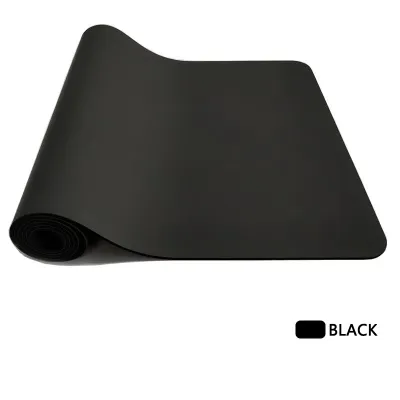
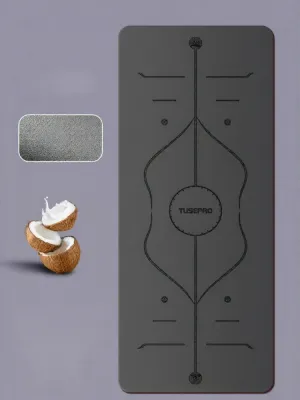
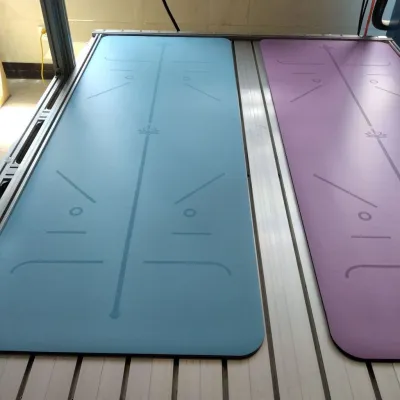
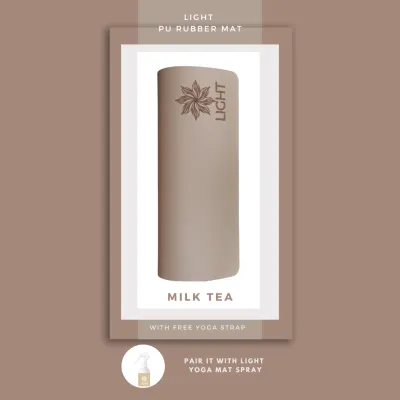
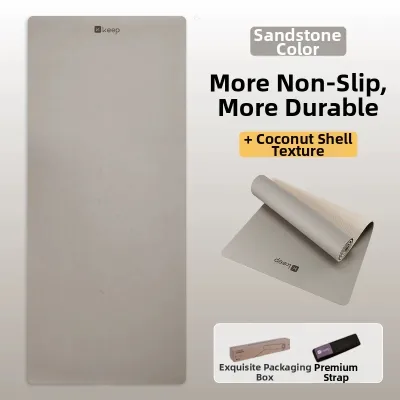

Prices are valid at publication and may change. Please refer to the product page for the latest price.
Material Breakdown: PU, TPE, and Natural Rubber
To make an informed decision, you must first understand the structural differences and inherent properties of each material. Each option is engineered differently, resulting in distinct performance characteristics during your practice.
Polyurethane (PU) Yoga Mats
Polyurethane (PU) mats are engineered specifically for practitioners who prioritize traction above all else. These mats typically feature a hybrid construction: a smooth, synthetic polyurethane top layer bonded to a dense natural rubber base. This combination delivers the heavy, stable grounding of rubber alongside the high-performance surface of PU.
The defining characteristic of a PU mat is its open-cell structure. Unlike closed-cell materials that repel moisture, open-cell polyurethane acts like a microscopic sponge, absorbing sweat instantly. When your hands and feet perspire during an intense flow, the moisture is drawn away from the surface contact points. This prevents a slippery liquid film from forming, allowing you to maintain a secure grip even in the sweatiest conditions.
However, this superior performance comes with distinct trade-offs. Because the open-cell surface absorbs liquids, it also pulls in skin oils, sweat, cosmetics, and body lotions. Over time, these substances can clog the pores, leading to dark stains and a gradual reduction in traction. Consequently, PU mats are considered premium, high-maintenance investments. They require diligent, gentle cleaning and must be protected from harsh chemicals, oils, and direct sunlight to prevent the polyurethane layer from degrading prematurely.
Thermoplastic Elastomer (TPE) Yoga Mats
Thermoplastic Elastomer (TPE) is a synthetic compound that blends plastic and rubber polymers. It has become incredibly popular as an accessible, budget-friendly entry point for yoga beginners and casual practitioners. TPE mats are manufactured using a closed-cell process, which yields a completely sealed, non-porous surface.
The closed-cell nature of TPE means it does not absorb sweat, dirt, or bacteria. Any moisture from your practice remains strictly on the surface, making these mats highly hygienic and remarkably easy to maintain. After a dusty outdoor class or a sweaty session, a simple wipe-down with a damp cloth and mild soap is all it takes to restore the mat. Additionally, TPE is exceptionally lightweight, making it easy to roll up and carry on long commutes.
Despite these benefits, TPE has clear limitations when it comes to high-intensity practices. Because the surface is non-porous, heavy sweat has nowhere to go. It pools on top of the mat, creating a slick barrier that can cause your hands and feet to slide during weight-bearing postures. If you tend to sweat heavily or practice in warm, humid spaces, a TPE mat may not provide the secure grip you need. It is best suited for dry, low-to-moderate intensity styles like Yin, restorative, or gentle Hatha yoga.
Natural Rubber Yoga Mats
Natural rubber mats are the premier choice for environmentally conscious yogis who want a sustainable, high-performing practice surface. Sourced from natural rubber trees, these mats are completely biodegradable and free from synthetic plastics like PVC. They are highly favored for their dense, supportive cushioning and excellent natural traction.
The standout benefit of natural rubber is its physical density. Unlike synthetic foams that compress easily under weight, natural rubber provides a firm, resilient barrier that protects your joints. When you place your knees, elbows, or wrists on the mat, the material absorbs the pressure without bottoming out, offering superior joint support during long holds. Furthermore, natural rubber provides an exceptional baseline dry grip, keeping you securely anchored during standard practices.
However, natural rubber has several practical drawbacks that you must consider. First, it is significantly heavier than TPE, which can make commuting to local studios physically demanding. Second, because it is harvested from rubber trees, it contains natural latex, making it entirely unsuitable for anyone with a latex allergy or sensitivity. Finally, new natural rubber mats emit a strong, distinct earthy odor. While this scent is non-toxic, it requires several days or even weeks of off-gassing in a well-ventilated, shaded area before the mat is comfortable to use.
Head-to-Head Comparison: Why a PU Yoga Mat Excels in Grip, Durability, and Portability
To choose the right mat, you need to compare how these three materials perform side-by-side across the most critical practical dimensions. Your choice will directly affect your safety, comfort, and how easily you can transport your gear.

Grip (Dry vs. Wet)
When comparing grip, you must evaluate how each material performs under dry conditions versus when you begin to sweat. A PU yoga mat is unmatched in wet grip. In a tropical climate like the Philippines, where high humidity and warm temperatures are common, even a standard indoor practice can quickly lead to sweaty palms. Under these conditions, a closed-cell TPE mat can become slippery, as moisture pools on the surface and destroys traction. Natural rubber offers decent dry grip and moderate wet traction, but it can still feel slick if sweat accumulates heavily. In contrast, the open-cell polyurethane layer of a PU mat draws moisture away from your skin instantly, ensuring your hands and feet remain firmly locked in place throughout your entire practice.
Durability and Care
The lifespan and maintenance requirements of these materials vary significantly. TPE is highly resilient to moisture and standard cleaning solutions, making it the easiest to maintain over years of casual use. However, TPE is highly sensitive to extreme heat; leaving a TPE mat in a hot car trunk or under direct sunlight can cause the material to warp, melt, or lose its structural integrity. Natural rubber is incredibly durable and resistant to tearing, but because it is an organic material, it biodegrades naturally over time. Exposure to UV rays from the sun accelerates this breakdown, causing the rubber to dry out, become brittle, and crumble. PU mats offer excellent physical durability but require the most meticulous care. The open-cell top layer is highly sensitive to skin oils, cosmetics, and acidic sweat. If not cleaned properly after sweaty sessions, the oils will permanently clog the pores, degrading the grip and leaving unsightly stains.
Weight and Portability
Portability is a major factor if you regularly commute to a studio, travel, or enjoy outdoor practices. TPE mats are the undisputed champions of portability. Because the material is highly aerated and lightweight, a standard 5mm TPE mat typically weighs under 1 kilogram, making it effortless to carry in a backpack or shoulder bag. On the other hand, natural rubber and hybrid PU mats are incredibly dense and heavy. A standard 4mm or 5mm natural rubber or PU mat can easily weigh between 2.5 to 3.5 kilograms. Carrying this weight during a long commute on public transit (such as the LRT or MRT in Manila) or walking through humid city streets can be physically exhausting. If you prioritize a lightweight, travel-friendly setup, TPE is the superior choice, whereas PU and rubber are better suited for home practices or dedicated studio use where you can store your mat on-site.
Comparison Table
To help you visualize the differences, here is a relative comparison of the three materials across key decision-making dimensions:
| Material | Best For | Wet Grip | Relative Weight | Maintenance Level | Price Range |
|---|---|---|---|---|---|
| Polyurethane (PU) | Hot yoga, Vinyasa, high-sweat practices | High | Heavy | High (Sensitive to oils/sun) | Premium (₱2,500 – ₱5,500) |
| TPE | Beginners, travel, gentle/dry practices | Low | Very Light | Low (Easy wipe-down) | Budget (₱500 – ₱1,500) |
| Natural Rubber | Eco-conscious yogis, dense joint support | Medium | Heavy | Moderate (Avoid UV rays) | Premium (₱3,000 – ₱6,000+) |
Matching the Mat to Your Practice Style and Environment
Your yoga mat should directly align with the intensity of your practice and the environment in which you train. No single material excels in every setting, so you must match the physical properties of the mat to your specific routine.
Hot Yoga and Sweaty Sessions
If you regularly attend hot yoga classes, practice fast-paced Vinyasa flows, or train in non-air-conditioned spaces during the hot summer months, managing sweat is your primary safety concern. Slipping on a wet mat is not just frustrating; it poses a genuine safety risk, potentially leading to muscle strains, wrist hyperextension, or joint injuries when your alignment collapses.
For these high-sweat scenarios, a PU yoga mat is the most effective tool to keep you safe and stable. The open-cell polyurethane surface ensures that your grip actually improves as you sweat, allowing you to focus entirely on your breath and alignment rather than worrying about sliding. Heavily textured natural rubber mats can also perform well, though they do not absorb moisture as rapidly as PU. If you currently own a closed-cell TPE mat and find yourself slipping, you do not necessarily need to buy a new mat immediately. Laying a specialized, slip-resistant microfiber yoga towel over your TPE mat is a highly practical, cost-effective alternative. The towel absorbs the excess moisture and provides the necessary traction, extending the usability of your existing gear.
Travel, Commuting, and Studio Hopping
If your yoga practice takes you on the road, to local parks, or across multiple studios, your priorities will shift toward portability, weather resistance, and ease of cleaning. Practicing outdoors on grass, dirt, or sand requires a mat that can withstand rough surfaces and be cleaned quickly without absorbing outdoor elements.
TPE is the ideal material for active, on-the-go lifestyles. Because TPE is incredibly lightweight, carrying it during a daily commute or packing it into a suitcase will not weigh you down. Its closed-cell surface acts as a protective barrier against outdoor grime; dirt, grass stains, and sand can be easily wiped away with a damp cloth, keeping your mat hygienic. However, you must accept the trade-offs in cushioning and wet grip. Lightweight travel mats are often quite thin (typically 1.5mm to 3mm), which provides minimal joint protection on hard outdoor ground. If you have sensitive knees or wrists, you may need to fold the mat over for extra padding during kneeling postures. Additionally, before purchasing a heavy premium mat, it is wise to check your local studio’s rules. Many premium yoga studios offer high-quality mat rentals or complimentary mat storage, which may allow you to leave your heavy PU or rubber mat at home and commute light.
Decision Framework: How to Make Your Final Choice
To finalize your decision, use this structured, conditional framework to match your personal needs to the correct material:
- Choose a PU yoga mat if:
- You practice hot yoga, Vinyasa, or high-intensity flows where heavy sweating is guaranteed.
- You prioritize maximum wet traction and want a surface that keeps you securely anchored.
- You are willing to invest in a premium price point (₱2,500 to ₱5,500) and commit to a strict, oil-free cleaning routine.
- Choose a TPE yoga mat if:
- You are a beginner, practice gentle styles (Yin, restorative, Hatha), or sweat minimally.
- You need a highly portable, featherlight mat for daily commuting or outdoor travel.
- You prefer a low-maintenance, easy-to-clean surface and want a budget-friendly option (under ₱1,500).
- Choose a Natural Rubber yoga mat if:
- You prioritize eco-friendly, biodegradable, and sustainably sourced materials.
- You require dense, firm joint cushioning to protect your knees and wrists during long, static holds.
- You do not mind carrying a heavier mat and can tolerate the initial natural rubber scent during the off-gassing period.
- Before making your purchase, verify these critical details:
- Latex Allergies: If you have a known latex allergy, completely avoid natural rubber mats. TPE is a safe, latex-free alternative, but always check the manufacturer's label to ensure no blended materials are used.
- Thickness and Support: Standard mats are 4mm to 5mm thick. If you have joint pain, look for 6mm options, but keep in mind that thicker rubber or PU mats will be significantly heavier.
- Return Policies: If purchasing from an online marketplace, carefully review the seller's return policy. Due to hygiene standards, many retailers do not accept returns on yoga mats once the protective plastic wrapping has been removed or the mat has been unrolled.
Frequently Asked Questions (FAQ)
How do I clean and maintain a PU yoga mat?
To clean a PU yoga mat, wipe the surface gently with a soft cloth dampened with water and a tiny drop of mild, oil-free dish soap. Never use essential oils, vinegar, alcohol, or harsh chemical sprays, as these substances will clog or permanently degrade the sensitive open-cell polyurethane layer, stripping away its grip. Avoid scrubbing the surface vigorously, which can cause the thin PU layer to peel. Never submerge the mat in water or place it in a washing machine. After cleaning, always allow the mat to air-dry completely in a shaded, well-ventilated indoor space away from direct sunlight, which can dry out and crack the material. When rolling it up for storage, ensure the colored PU side is facing outward to prevent creasing and preserve the flat surface.
Are TPE mats safe for people with latex allergies?
Yes, Thermoplastic Elastomer (TPE) is a synthetic material that is generally 100% latex-free, making it an excellent, safe alternative for individuals with latex sensitivities or allergies. Because TPE is formulated from synthetic polymers rather than natural tree sap, it does not contain the proteins that trigger latex allergies. However, because manufacturing standards and facilities vary, you should always verify the manufacturer’s product specifications. Ensure the product description explicitly states that the mat is latex-free and has not been processed on machinery that also handles natural rubber, minimizing any risk of cross-contamination.
Community discussion
Share your experience or ask a question. Comments are reviewed before publication.