
Choosing the right swimming pool buoy depends entirely on what you intend to do once you step into the water. While they all help you stay afloat, a pull buoy, a kickboard, and a leisure pool float serve completely different purposes. Selecting the wrong gear can lead to a frustrating workout, poor swim mechanics, or an uncomfortable afternoon of lounging.
To make an immediate decision, match your primary pool activity to the correct tool:
- For upper-body isolation and stroke refinement: Choose a pull buoy.
- For lower-body conditioning, leg endurance, or water aerobics: Choose a kickboard.
- For relaxation, sunbathing, or passive recovery: Choose a leisure pool float.
Investing in the correct swimming pool buoy ensures you do not waste money on gear that sits unused in your gear bag. By matching the tool to your actual pool routine, you can maximize your time in the water, whether you are training for a triathlon in a local 50-meter sports complex or cooling off in a backyard pool during a humid afternoon in the Philippines.
Products mentioned in this guide
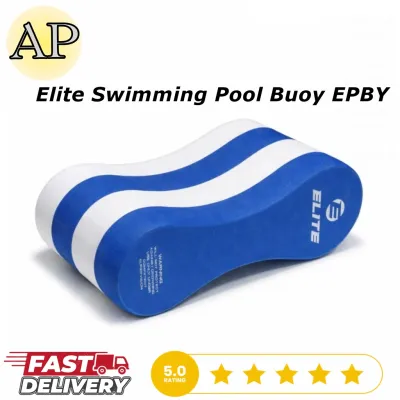
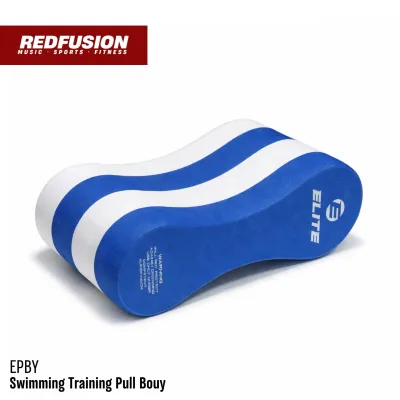
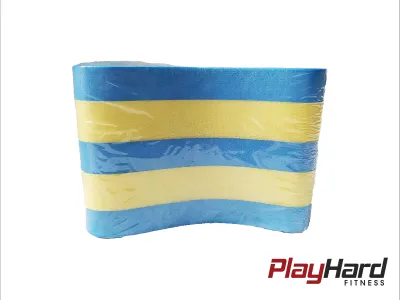
![[LA1R]Foam Pull Buoy Eva Kick Legs Board Kids Adults Pool Swimming Training-Blue+White](https://img.lazcdn.com/g/p/b8996d7ea9ef42760633988020372089.jpg_400x400q80.jpg_.webp)
![[COD] CISWGE SPORTS foam pull buoy float kick board kids adults pool swimming safety training tools](https://img.lazcdn.com/g/p/3071a015d8cada8725f5796efdb14210.jpg_400x400q80.jpg_.webp)
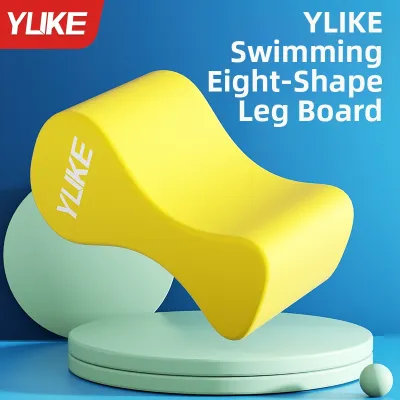
Prices are valid at publication and may change. Please refer to the product page for the latest price.
Signs You Need a Specific Type of Swimming Buoy
To determine which category fits your lifestyle, evaluate your current swimming habits, physical limitations, and fitness goals. Each swimming pool buoy is engineered to alter your body position in specific ways, meaning the wrong selection can actively hinder your progress or comfort.
Signs You Need a Pull Buoy for Swim Training
If you find your legs constantly sinking during lap swimming, or if you want to build upper-body strength, a pull buoy is your ideal tool. Many swimmers struggle with “heavy legs” that drag behind them, which destroys their body alignment and increases drag. A pull buoy solves this by providing targeted flotation at your hips and thighs, allowing you to focus entirely on your arm pull, catch, and rotation. Triathletes frequently use them to simulate the natural buoyancy of a wetsuit while training in a standard chlorine pool.
This compact, figure-eight-shaped foam device is placed securely between your thighs or ankles. By squeezing your legs together to hold the buoy in place, you temporarily eliminate your kick. This forces your core to engage and your shoulders, back, and arms to do all the propulsion work. It is an excellent way to isolate and diagnose flaws in your stroke mechanics without the distraction of maintaining a constant flutter kick.
When shopping for a pull buoy, pay close attention to the foam density and ergonomic contouring. High-quality EVA (ethylene-vinyl acetate) foam is the industry standard because it resists water absorption and maintains its shape over time. Look for a model with asymmetrical curves that match the natural shape of your thighs, which prevents the buoy from slipping out during aggressive turns or vigorous strokes. If you have a narrower build, select a smaller size to ensure a secure fit without straining your adductor muscles.
Signs You Need a Kickboard for Leg Workouts
Swimmers who want to build lower-body endurance, improve their kick technique, or engage in low-impact cardiovascular workouts should reach for a kickboard. If you notice your legs tire quickly during standard swimming, or if you are recovering from an upper-body injury and need to maintain your fitness without using your shoulders, a kickboard isolates your legs perfectly. It is also a staple tool for water aerobics and physical therapy, providing a stable platform to lean on while performing vertical or horizontal leg exercises.
To use a kickboard, you extend your arms forward and rest your hands or forearms on the board, keeping your upper body supported at the surface. This position isolates your legs, forcing your glutes, hamstrings, quadriceps, and calves to generate all forward momentum. It allows you to focus purely on the mechanics of your flutter, breaststroke, or dolphin kick, helping you build a more efficient and powerful propulsion system.
Before purchasing, verify the board’s physical specifications to match your skill level and body size. Look for ergonomic grip handles or side cutouts, which provide multiple hand placement options and reduce wrist strain. The thickness of the board directly dictates its buoyancy; heavier adults require a thicker, stiffer board to prevent the front end from submerging under weight, while children or smaller swimmers benefit from thinner, more flexible designs. Ensure the material is high-density closed-cell foam to withstand high-friction use and exposure to pool chemicals.
Signs You Need a Pool Float for Leisure and Recovery
If your pool time is dedicated to relaxation, family fun, or passive recovery after an intense workout, a dedicated training buoy will not serve you well. Instead, you need a leisure pool float. During hot, humid afternoons in the Philippines, lounging in the water is a popular way to stay cool without exerting physical energy. A high-quality pool float allows you to remain partially or fully suspended in the water, providing a comfortable space to read, chat, or simply drift. It is also an excellent tool for active recovery, letting tired muscles relax in a weightless environment after a hard training session.
Leisure floats come in several distinct formats, each offering a different balance of portability and comfort. Inflatable rings and lounge chairs are highly portable and easy to pack for trips to resorts, while solid foam noodles and heavy-duty foam mats offer immediate, puncture-free buoyancy. Your choice should align with how you plan to transport and store the float, as well as how much of your body you want to keep out of the water.
When evaluating a pool float, always check the manufacturer’s stated weight capacity limits to ensure safe, stable flotation. For inflatable options, inspect the valve design; dual-port valves or quick-safety valves prevent rapid air loss if the cap accidentally pops open. Because the tropical sun in the Philippines is exceptionally strong, prioritize UV-resistant materials like heavy-duty PVC or vinyl with a protective coating to prevent the float from fading, cracking, or degrading after a few weeks of outdoor exposure.
Sizing, Skill Level, and Safety Checks Before You Buy
Selecting the right swimming pool buoy requires a realistic assessment of your swimming ability and physical profile. Equipment that is poorly matched to your skill level can lead to poor body mechanics or, worse, safety hazards in deep water.

- Beginners and Children: For those still developing basic water confidence, kickboards and recreational pool floats are excellent tools because they provide a highly visible, stable surface to hold onto. They allow beginners to practice kicking and breathing drills without the fear of sinking. Conversely, a pull buoy is not recommended for absolute beginners. Because a pull buoy immobilizes the legs and alters your center of gravity, using one requires established breath control, core stability, and the ability to maintain a horizontal body position without panic.
- Adult Sizing and Buoyancy: Adults must carefully check the manufacturer's physical specifications, specifically weight limits and volumetric displacement. A buoy that is too small will not provide enough upward force, causing your hips or torso to sink and defeating the purpose of the training aid. If you are taller or have a higher muscle density, look for oversized pull buoys or high-volume kickboards designed specifically for larger athletic frames.
- Safety Boundaries and Limits: It is critical to understand that training buoys and leisure pool floats are classified as swimming aids, not certified personal flotation devices (PFDs) or life-saving equipment. They do not undergo the rigorous safety testing required for life jackets and are not designed to keep an unconscious person's airway clear of the water. Never use a kickboard, pull buoy, or inflatable lounger as a substitute for a life jacket in open water, fast-moving currents, or deep pools. Children using any pool buoy must always be under direct, competent adult supervision, regardless of the depth of the water.
When You Can Skip Buying a Dedicated Pool Buoy
You may not actually need to purchase a new swimming pool buoy. Before spending your money, consider whether your current gear or local pool facilities already meet your needs.
If your goal is simply casual leisure or staying cool in the water, you can often skip buying a specialized float. A standard foam pool noodle, which is inexpensive and widely available, can easily be wrapped under your arms or knees to provide adequate support. Similarly, if you already own a well-fitted life jacket for boating or snorkeling, it can serve as a highly secure floating aid for relaxed lounging in a backyard pool.
For fitness enthusiasts, if your primary objective is to swim continuous laps for general cardiovascular health and full-body conditioning, isolating specific muscle groups is unnecessary. Swimming without aids encourages natural body rotation, improves core stabilization, and ensures balanced muscle development across both your upper and lower body. In this scenario, adding a buoy can actually disrupt your natural stroke rhythm and slow down your overall skill progression.
Finally, check the amenities of your swimming venue before making a purchase. Most commercial gyms, community pools, and resorts in the Philippines provide shared kickboards and pull buoys for guest use free of charge. If you only swim at these facilities once or twice a week, relying on their clean, communal equipment is a practical way to save money and avoid carrying wet gear back and forth in your bag.
Frequently Asked Questions (FAQ)
Can I use a kickboard as a pull buoy?
While it is technically possible to squeeze a kickboard between your thighs, it is highly impractical and ergonomically risky. Kickboards are significantly wider and more buoyant than pull buoys. Forcing a large, flat board between your legs requires excessive muscle tension in your inner thighs, which quickly leads to fatigue and cramping. Furthermore, the high buoyancy of a kickboard will push your hips too high out of the water, forcing your lower back to arch excessively and increasing the risk of strain or spinal discomfort during your swim.
How do I clean and store foam pool buoys to prevent mold?
In the warm, humid climate of the Philippines, foam swim gear is highly susceptible to mold, mildew, and material degradation. To protect your investment, always rinse your foam pull buoy or kickboard with clean, fresh tap water after every pool session to remove chlorine, salt, and body oils. Shake off excess water and place the gear in a shaded, well-ventilated area to air dry completely. Avoid leaving foam buoys in direct, harsh sunlight, as extreme UV exposure breaks down EVA foam, causing it to become brittle, warp, or crumble over time.
Are inflatable pool floats better than foam ones?
Neither is universally superior; the best choice depends on your storage space and how you travel. Inflatable pool floats are highly portable, deflating into a compact size that fits easily into a travel bag or closet, making them ideal for beach trips and resort vacations. However, they are vulnerable to punctures and require time to inflate. Foam pool floats are incredibly durable, puncture-proof, and ready for immediate use, but they are bulky and difficult to transport. If you choose an inflatable option, always check the seam construction and valve quality to ensure it can withstand repeated inflation cycles.
Community discussion
Share your experience or ask a question. Comments are reviewed before publication.