
When navigating the coastal waters of the Philippines, having a reliable inflatable tender or utility boat is essential for island hopping, diving, and marine transport. However, the tropical environment presents unique challenges that can rapidly degrade flexible materials. Choosing between Polyvinyl Chloride (PVC) and Hypalon (CSM) is the most critical decision you will make when purchasing rubber boats.
Hypalon (CSM) rubber boats last significantly longer than PVC in tropical conditions. While PVC is an excellent, cost-effective choice for short-term or shaded use, it struggles to withstand the intense ultraviolet (UV) radiation, high humidity, and extreme heat characteristic of the Philippine climate. Hypalon’s superior chemical stability allows it to endure years of direct exposure without becoming brittle, making it the preferred choice for long-term durability.
Understanding the structural differences and environmental limits of these materials will help you make an informed investment. Whether you are selecting a tender for a yacht in Subic or a utility boat for island hopping in El Nido, matching the material to your local environment is key to ensuring safety and performance on the water.
Products mentioned in this guide
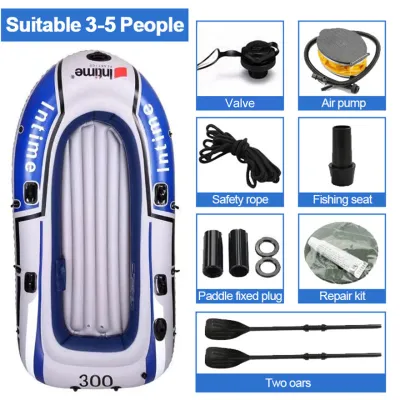
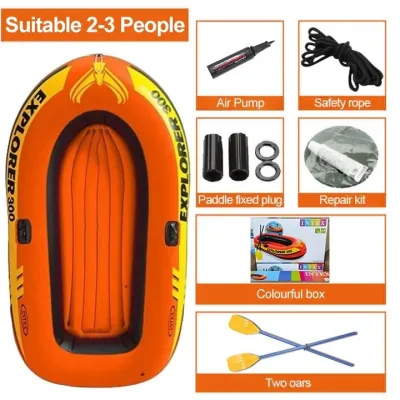
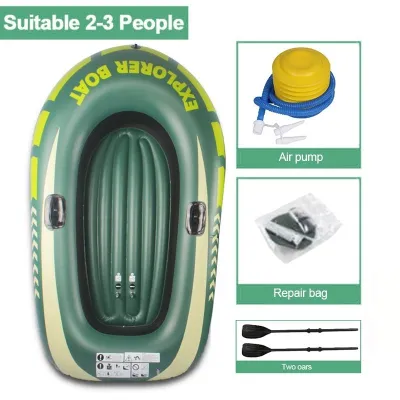
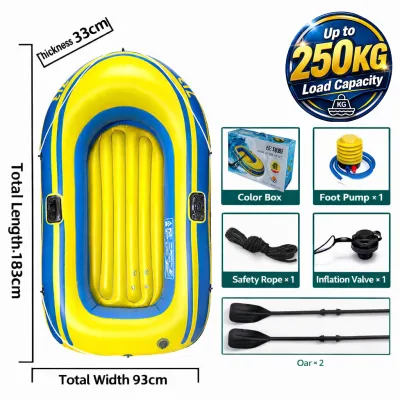
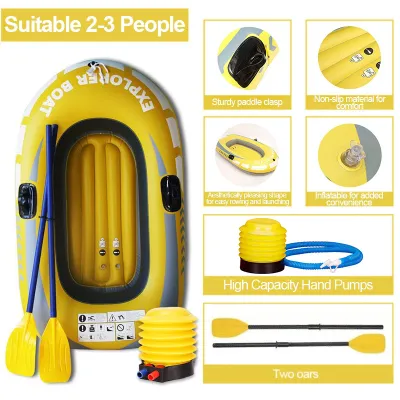
Prices are valid at publication and may change. Please refer to the product page for the latest price.
Understanding PVC and Hypalon Materials for Rubber Boats
Polyvinyl Chloride, commonly known as PVC, is a widely used, cost-effective plastic polymer. To make PVC flexible enough for inflatable boats, manufacturers mix it with plasticizers. This results in a lightweight, fabric-reinforced material that is easy to fold, transport, and mass-produce, keeping the initial purchase price relatively low.
Hypalon is a colloquial term still used in the marine industry, originally trademarked by DuPont. Modern “Hypalon” boats are actually constructed from Chlorosulfonated Polyethylene (CSM) synthetic rubber. CSM is a heavy-duty elastomer laminated over a polyester or nylon fabric core, offering exceptional resistance to environmental degradation.
The fundamental difference between these two materials lies in their manufacturing and seam construction. PVC is a thermoplastic, meaning it can be melted and fused together. Consequently, PVC fabrics are generally heat-welded or high-frequency welded at the seams, creating a permanent, molecular bond. CSM, as a thermoset rubber, cannot be welded; instead, the seams must be prepared by hand-sanding and joined using specialized, high-strength chemical adhesives.
It is also worth noting that while “rubber boat” remains a common consumer term, modern inflatables do not use natural rubber. Natural rubber degrades far too quickly when exposed to saltwater and sunlight. Instead, the industry relies entirely on these advanced synthetic polymers and elastomers to provide structural integrity and air retention.
How Tropical Conditions Affect Inflatable Boat Materials
The tropical climate of the Philippines introduces a combination of environmental stressors that accelerate the aging of synthetic fabrics. Intense and prolonged UV radiation, extreme ambient and surface heat, high humidity, and constant saltwater exposure work together to break down polymer chains.

UV radiation is the primary enemy of inflatable fabrics. Over time, solar radiation breaks the chemical bonds in standard plastics, leading to fading, chalking, and eventual brittleness. As the material loses its elasticity, it becomes highly susceptible to micro-cracking, pinhole leaks, and sudden tears under pressure.
Extreme heat compounding this UV exposure causes the air inside the inflatable tubes to expand significantly. This thermal expansion dramatically increases the internal pressure of the chambers, putting immense stress on the seams. Furthermore, high surface temperatures can soften certain plasticizers in PVC and weaken the adhesives used in glued seams.
Saltwater and high humidity also play destructive roles. When saltwater evaporates on the boat’s surface, it leaves behind sharp salt crystals that act as an abrasive under foot traffic or when folding the boat. Humidity can also trap moisture in seam crevices, promoting mold growth and slowly degrading lower-quality adhesives and metal fittings.
PVC vs. Hypalon: Durability Comparison in the Tropics
UV and Heat Resistance
CSM/Hypalon features outstanding inherent resistance to UV degradation and extreme heat. Its chemical structure does not rely on plasticizers, meaning it will not dry out, become chalky, or turn brittle even after years of exposure to the intense Philippine sun. It maintains its flexibility and color profile under continuous solar radiation.
Standard PVC is significantly more vulnerable to UV damage. Over time, solar heat causes the plasticizers in PVC to migrate to the surface, making the fabric sticky and eventually brittle. To counter this, reputable manufacturers apply UV-inhibitor coatings to modern PVC boats, though these protective layers can wear down over time.
When evaluating any boat, you must verify the manufacturer’s specifications for UV treatments, fabric weight (measured in denier or decitex, such as 1100 Denier), and the number of fabric layers. A high-density, multi-layer PVC fabric with premium UV inhibitors can sometimes outperform low-grade CSM fabrics, making specification checks vital.
Seam Construction and Longevity
PVC’s heat-welded seams are incredibly strong because they fuse the two fabric layers into a single piece. Under normal operating temperatures, these seams are highly resistant to peeling. However, if the boat is left in extreme tropical heat, the surrounding PVC fabric can soften, which may cause the welded seam to stretch or fail under high internal pressure.
CSM/Hypalon’s glued seams rely on chemical adhesives that create a tough, vulcanized bond. While highly durable, these adhesives can slowly degrade or soften if the boat is subjected to prolonged high surface temperatures without shade. If the adhesive is neglected or exposed to moisture for extended periods, the seams may begin to delaminate.
Seam failure is one of the most common points of degradation for inflatables in tropical climates. When inspecting a boat, pay close attention to the seam tape and the condition of the adhesive lines, as these areas bear the brunt of thermal expansion stress.
Abrasion and Chemical Resistance
Both PVC and CSM offer excellent abrasion resistance when constructed with adequate fabric thickness and reinforced rubbing strakes. This protection is crucial when dragging the boat onto sandy beaches, docking against concrete piers, or navigating shallow reefs.
However, CSM/Hypalon holds a distinct advantage in chemical resistance. It easily withstands exposure to fuel spills, engine oil, exhaust soot, and harsh cleaning agents. Standard PVC can stain, soften, or degrade rapidly if exposed to fuel or oil spills and not cleaned immediately with appropriate marine soaps.
Choosing the Right Material for Your Boating Needs
When to Choose PVC
PVC is the ideal option for budget-conscious buyers, occasional weekend recreational users, and those who plan to store their boat deflated in a shaded, indoor environment. Because PVC is lighter and highly flexible, it is much easier to fold up and store in a closet or transport in the trunk of a car.
In terms of cost, PVC boats sit in a highly accessible price band, typically ranging from ₱15,000 to ₱50,000 depending on the size and brand. If you only intend to use the boat for occasional fishing trips or lake excursions and can keep it out of the sun when not in use, PVC offers excellent value.
When to Choose CSM/Hypalon
CSM/Hypalon is the superior choice for heavy, daily use, commercial operations like dive charters or island tours, and situations where the boat must remain inflated and exposed to the elements. If you plan to leave your boat on a davit, a mooring, or parked on a sunny beach, CSM is the only material that will reliably survive the long-term exposure.
While CSM boats represent a much higher initial investment—often costing between ₱80,000 to over ₱200,000—they provide excellent long-term value. A well-maintained CSM boat can easily last 10 to 15 years in the tropics, whereas a PVC boat under continuous sun exposure may begin to degrade within 3 to 5 years.
Matching Storage and Warranty
Your choice must align with your actual storage capabilities. Even a premium CSM boat will degrade prematurely if neglected, while a well-cared-for PVC boat can provide years of reliable service if stored properly. Always check the manufacturer’s warranty terms before purchasing, specifically looking for clauses regarding UV degradation and seam failure in tropical climates.
Essential Maintenance to Extend Boat Life in Tropical Climates
To maximize the lifespan of your inflatable boat in the Philippines, you must establish a consistent maintenance routine. Taking simple, preventative steps will protect your investment from the harsh coastal elements.
- Cleaning: Always rinse your boat thoroughly with clean fresh water after every saltwater excursion. This removes salt crystals that can act like sandpaper between the fabric layers. Use a mild, non-abrasive dish soap or a dedicated marine inflatable cleaner; never use harsh solvents, bleach, or steel wool.
- UV Protection: Apply a high-quality, marine-grade UV protectant spray designed specifically for your boat's material (PVC or CSM). Always read the product label and the boat manufacturer's care instructions first to ensure compatibility. This spray acts as sunscreen, replenishing lost UV inhibitors.
- Pressure Management: Monitor and adjust your inflation pressure daily. When inflating your boat in the cool morning, leave a small amount of room for expansion. As the afternoon sun heats the tubes, the air inside will expand; use a pressure gauge to check the chambers and release a small amount of air if the tubes feel excessively hard.
- Storage: For long-term storage, deflate the boat, clean it thoroughly, and ensure it is completely dry to prevent mold and mildew. Store it in a cool, dry, and dark place away from rodents. If you must store the boat inflated outdoors, cover it with a high-quality, breathable, UV-blocking boat cover that does not trap heat or moisture.
Frequently Asked Questions (FAQ)
Can I leave my PVC inflatable boat inflated outside in the sun?
Leaving a PVC boat inflated in direct tropical sunlight is highly discouraged. The intense UV rays will rapidly break down the PVC material, causing it to become sticky, faded, and brittle within a few seasons. Additionally, the extreme midday heat will cause the air inside the chambers to expand, significantly increasing the risk of seam failure or chamber rupture. If you must store a PVC boat outside, always cover it with a heavy-duty, breathable, UV-blocking cover, and regularly check and release excess air pressure during the hottest parts of the day.
How can I tell if a used rubber boat is made of PVC or Hypalon?
Before performing any chemical tests, consult the manufacturer’s label or search the Hull Identification Number (HIN) for definitive proof. If no records exist, you can perform a non-destructive check. First, inspect the seams: PVC boats feature heat-welded seams that look completely smooth and fused, whereas CSM/Hypalon boats have glued seams with visible adhesive lines or overlapping seam tape. For a chemical check, first consult the boat’s manual, then test a tiny, hidden area by rubbing a cotton swab dipped in a small amount of acetone. PVC will become slightly tacky or transfer color to the swab, while CSM/Hypalon will not react or feel sticky.
Community discussion
Share your experience or ask a question. Comments are reviewed before publication.