
Choosing between quad skates and inline skates is the first major decision you will face when entering the world of roller skating. Your choice will shape how you balance, where you can skate safely, and how quickly you progress through the initial learning curve. While both options offer an excellent cardiovascular workout and a sense of freedom, they are engineered for entirely different movements and environments.
To make the right choice, you must evaluate your primary skating goals, your local pavement conditions, and your physical comfort with different types of balance. Neither style is universally easier to learn, but one will naturally align better with your personal fitness objectives and local surroundings. By understanding the mechanical differences between these two designs, you can select a pair of rolerskates that will keep you motivated, safe, and rolling smoothly.
Quick Diagnosis: Selecting Your First Pair of Rolerskates
Before diving into technical specifications, a quick self-assessment can point you toward the correct style. Your choice should depend on where you plan to spend most of your skating hours and what style of movement appeals to you most.
Products mentioned in this guide
![IMUTO[Free protective gear]Roller Skate Shoes for Kids Adjustable Quad Skates Roller Blades Skate Shoes for Girls Boys](https://img.lazcdn.com/g/p/825ea35eea06c587864d651862874cfc.png_400x400q80.png_.webp)
Prices are valid at publication and may change. Please refer to the product page for the latest price.
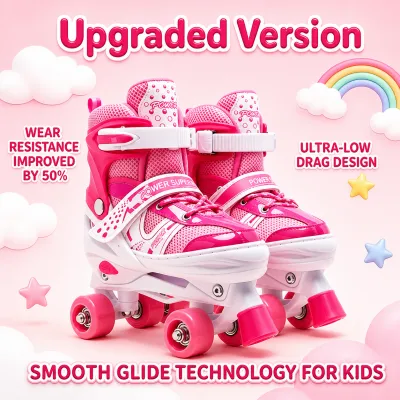
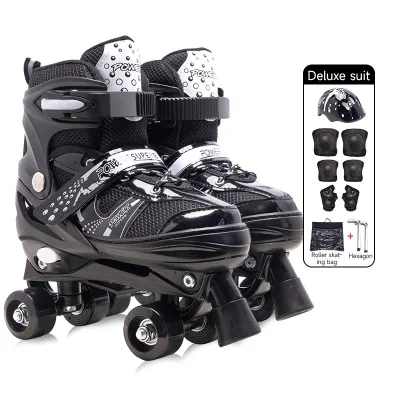
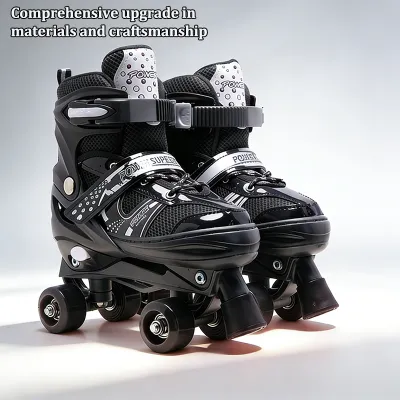
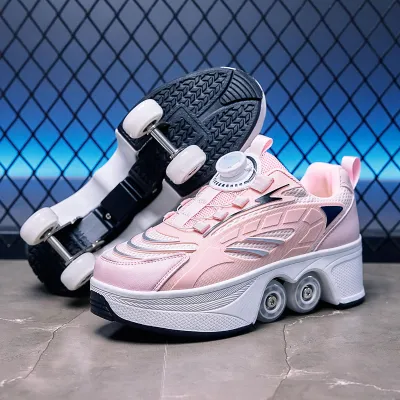
Quad skates feature the classic retro design with wheels arranged in a two-by-two grid. This configuration provides a highly stable platform when you are standing completely still, making them the traditional choice for indoor rinks, dance routines, and artistic maneuvers.
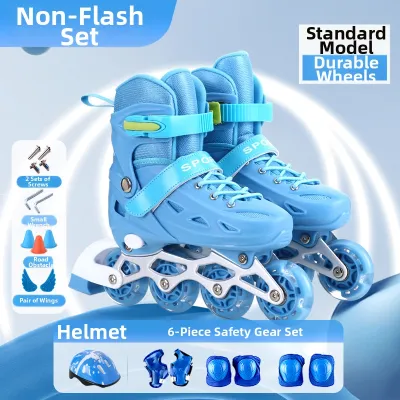
Inline skates arrange three to four wheels in a single straight line along the center of the sole. This streamlined profile is built for forward efficiency, speed, and navigating uneven outdoor terrain, making them the ideal choice for long-distance cruising and outdoor fitness.
Choose Quad Skates if:
- You want to skate primarily at indoor rinks, smooth concrete basketball courts, or covered barangay plazas.
- You are interested in dance skating, jam skating, or eventually joining a roller derby league.
- You prefer a wide, stable base for low-speed maneuvering and spinning.
- You are drawn to a classic, vintage aesthetic.
Choose Inline Skates if:
- You plan to skate outdoors on public roads, asphalt park paths, or long-distance trails.
- Your primary goal is cardiovascular fitness, leg conditioning, or daily commuting.
- Your local pavement is uneven, cracked, or frequently littered with small twigs and pebbles.
- You want to achieve higher top speeds and enjoy a smooth, continuous glide over long distances.
How Design Differences Affect Your Balance and Control
The physical architecture of each skate dictates how your body weight interacts with the ground. Understanding these mechanics helps you anticipate how each type will feel during your first few sessions on the pavement.

Wheel Configuration and Center of Gravity
Quad skates utilize a rectangular wheel layout that supports your foot from side to side. This wide footprint offers excellent lateral stability, meaning your ankles are highly unlikely to roll inward or outward while you are standing still. However, the wheelbase is relatively short from front to back, ending directly beneath your heel and the ball of your foot. This short longitudinal base means that if your weight shifts too far backward or forward, the skates can easily slip out from under you.
Inline skates feature a narrow wheel configuration that requires your ankle muscles to work actively to keep the boot upright. While this feels wobbly at first, the frame of an inline skate extends significantly past your heel and toes. This elongated wheelbase provides superior forward-and-backward stability, making you much less likely to tip over backward when rolling over minor bumps or cracks.
Braking Systems
Stopping mechanisms differ fundamentally between the two styles, requiring entirely different physical habits. Quad skates are equipped with a toe stop at the very front of the boot. To use a toe stop, you must drag one foot behind you, tilting your ankle forward to press the rubber stopper onto the ground. This motion requires you to balance confidently on a single leg while applying gradual pressure behind your body.
Beginner inline skates typically feature a rubber heel brake attached to the back of one boot. To activate this brake, you slide your braking foot slightly forward, flex your ankle upward to lift your toes, and press the heel pad into the pavement. Because this motion allows you to keep both feet on the ground, many beginners find the inline heel brake more intuitive to learn during their first few sessions.
Boot Support
The physical construction of the boot is engineered to complement the wheel layout. Inline skates almost always utilize a rigid, high-top plastic shell with supportive cuffs that wrap tightly around your ankles. This structural stiffness is mandatory to prevent painful ankle pronation (rolling inward) and to translate your leg movements directly into the narrow wheels.
Quad skates are available in both high-top and low-top designs, often constructed from softer materials like vinyl, suede, or leather. Because the two-by-two wheel layout naturally supports your ankle laterally, quad boots can afford to be more flexible. This flexibility allows for the deep ankle bends and precise edge control required for artistic dancing and tight indoor maneuvers.
Match Your Skating Environment and Activity
The surfaces available in your immediate neighborhood should play a decisive role in your purchasing decision. A skate that performs beautifully on a polished indoor floor can become frustrating, or even dangerous, on rough outdoor asphalt.
Best for Casual Cruising, Rinks, and Dance
Quad skates are the undisputed champions of smooth, flat, and enclosed spaces. If your local skating options consist of indoor roller rinks, smooth concrete basketball courts, or dry, covered multi-purpose halls, the agile nature of quad skates shines.
In tight spaces, the short wheelbase of quad skates allows you to execute sharp turns, spins, and intricate footwork with minimal effort. This agility is why quads remain the standard for roller derby, jam skating, and artistic figure skating. The lateral stability makes it easier to shift your weight from edge to edge when dancing or performing rhythmic steps to music.
While quads are traditionally associated with indoor rinks, they can be adapted for outdoor use. To do this safely, you must swap standard hard indoor wheels for soft, wide outdoor wheels (typically rated 78A on the durometer scale). These softer wheels act like shock absorbers, compressing over minor surface imperfections. However, even with outdoor wheels, the short wheelbase of quad skates means that hitting a sudden crack or a large pebble can still cause an abrupt stop, requiring quick reflexes to avoid a fall.
Best for Fitness, Commuting, and Outdoor Trails
If your goal is to explore outdoor trails, commute along city streets, or get a high-intensity cardiovascular workout, inline skates are highly superior. Their design is optimized for efficiency, speed, and handling unpredictable terrain.
The narrow, inline wheel configuration cuts down on rolling resistance, allowing you to maintain speed with far less physical effort than quad skates require. Furthermore, inline skates typically feature larger wheels (ranging from 80mm to 90mm for beginners) compared to the smaller, wider wheels of quad skates. This larger diameter allows the wheels to roll easily over common outdoor hazards like expansion joints in concrete, small twigs, gravel, and rough asphalt.
The long frame of an inline skate also provides an aerodynamic advantage and superior tracking, meaning the skate naturally wants to roll in a straight line. If you are navigating long stretches of outdoor pavement, inline skates allow you to cover kilometers of distance comfortably while building lower-body strength and endurance.
Assessing Your Balance, Ankle Strength, and Learning Curve
A common misconception among beginners is that quad skates are universally easier to learn because they look like stable shoes when sitting on a shelf. In reality, both styles present distinct physical challenges that require different balancing strategies.
When you stand still on quad skates, you feel an immediate sense of security because the wide base prevents lateral wobbling. However, once you begin moving, the short wheelbase makes you highly vulnerable to falling backward if your weight shifts even slightly behind your heels. Beginners often make the mistake of standing too upright, which can cause the skates to shoot forward out from under them. To mitigate this, quad skaters must learn to maintain a constant athletic stance—knees bent, hips lowered, and shoulders aligned slightly forward over the toes.
Inline skates present the opposite learning curve. Your first few minutes on inline skates will likely feel unstable as your ankles wobble side-to-side, trying to find center on the narrow wheels. This requires immediate activation of your core and lower leg muscles, particularly the tibialis anterior and peroneal muscles. However, once you initiate forward motion, the extended frame provides excellent longitudinal stability. You are much less likely to fall backward or forward on inline skates when rolling over uneven ground.
When deciding, consider your personal comfort with these balancing dynamics. If you already have decent ankle strength from hiking, ice skating, or sports, you may find the transition to inline skates remarkably fast. If you prefer a slow, methodical learning pace where you can stand completely still without effort while practicing basic movements, quad skates may feel more approachable.
Essential Safety Gear and Equipment Checks
Regardless of whether you choose quad or inline skates, roller skating is a high-velocity sport that carries an inherent risk of falls. Equipment cannot replace proper training, balance progression, and situational awareness, but high-quality safety gear is non-negotiable for preventing serious injuries.
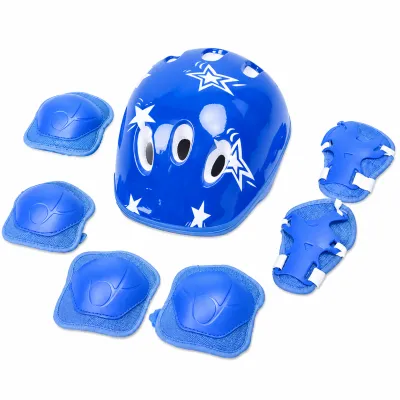
- Mandatory Protective Gear: Before your wheels touch the ground, ensure you are wearing a properly fitted helmet certified for skating or cycling. It should sit low on your forehead, covering the back of your head securely. Wrist guards are perhaps the most critical piece of gear for beginners, as instinctive human behavior is to break a fall with open hands; high-quality wrist guards absorb the impact and prevent wrist fractures. Additionally, wear durable knee pads and elbow pads to protect your joints from painful scrapes and hard impacts on concrete.
- Pre-Ride Equipment Check: Before every single skating session, perform a quick mechanical inspection. Check that all axle bolts are securely tightened; a wheel coming loose at speed can cause severe injury. Spin each wheel to verify it rotates freely without catching or making grinding noises. Inspect your brakes—whether a toe stop or a heel brake—to ensure they are not excessively worn down and are tightly fastened to the frame or boot.
- Climate and Environmental Maintenance: In tropical, humid climates like the Philippines, outdoor skating surfaces often carry moisture, salt air, or fine volcanic dust. High humidity and puddles are highly damaging to skate bearings. Never submerge your skates in water, and avoid riding through puddles. If your bearings get wet or dirty, they will quickly rust, locking up your wheels. Establish a regular maintenance routine: wipe down your boots after use, remove the wheels periodically to clean the bearings with a specialized solvent, and apply a light coat of speed lubricant to keep them rolling smoothly.
Final Fitting and Purchasing Checklist
Securing the right fit and avoiding low-quality equipment are the final steps to ensuring a safe, enjoyable introduction to roller skating.
- Fit Guidelines: Skate boots must fit snugly to provide adequate control and prevent friction blisters. When trying on skates, wear the exact socks you plan to skate in. Your heel should be locked firmly into the back of the boot without lifting when you bend your knees. Your toes should barely brush the front of the toe box when standing upright, and pull back slightly when you drop into an active, knees-bent skating stance. If your foot slides around inside the boot, the skate is too large, which compromises your ankle support and control.
- Testing Your Skates: When your new skates arrive, test them indoors on a clean carpet or smooth tile floor first. This allows you to verify the fit, test the ankle support, and practice standing up without scratching the wheels or frames, preserving your ability to return or exchange them if the sizing is incorrect.
- Purchasing Advice: Avoid the temptation to buy cheap, non-adjustable plastic "toy" skates from general online marketplaces. These low-cost models often cost under ₱1,500 but lack structural ankle support, use cheap plastic wheels that slide dangerously on smooth surfaces, and feature plastic bushings instead of real, rated bearings. Investing in an entry-level pair from specialized sporting goods brands or dedicated skate shops—typically starting around ₱3,500 to ₱6,000—ensures you receive a safe, durable boot with urethane wheels and functional bearings that will support your learning journey rather than hinder it.
Frequently Asked Questions (FAQ)
Is it easier to fall backward on quad skates?
Yes, it is physically easier to fall backward on quad skates because the wheels do not extend past the heel of the boot. If your weight shifts backward, there is no physical support behind your heel to stop you from tipping. To prevent backward falls, always maintain an active stance: bend your knees, sink your hips slightly, and keep your hands and head positioned forward over your toes.
Can I use the same skates for indoor rinks and outdoor streets?
Yes, you can use the same skate boot for both environments, but you must change the wheels to match the surface. Indoor rinks require hard wheels (typically 90A to 101A durometer) for speed and smooth slides. Outdoor streets require soft wheels (78A to 85A durometer) to absorb vibrations and grip uneven asphalt safely. Using hard indoor wheels outdoors will result in a harsh, unstable ride, while using soft outdoor wheels indoors will feel sluggish and sticky.
Community discussion
Share your experience or ask a question. Comments are reviewed before publication.