
Choosing how to secure your race number can mean the difference between keeping your high-performance running apparel pristine or ruining it before you even cross the starting line. Reusable race bib clips physically prevent punctures, making them the safer choice for expensive, technical fabrics, while traditional safety pins remain a viable, cost-effective option for durable, low-cost event shirts. For runners in the Philippines, where high humidity and intense tropical downpours are common, the choice of fastener also affects how gear handles heavy sweat and moisture. Understanding how these two fastening methods interact with modern athletic textiles helps you protect your investment in premium running gear.
Fabric Damage and Gear Protection
Modern running apparel relies on highly specialized synthetic blends, including lightweight polyester, elastane, and advanced nylon weaves. These fabrics are engineered to wick moisture away from the skin, provide targeted compression, or offer wind and water resistance. When you push a sharp metal safety pin through these delicate structures, you are physically severing the tightly woven synthetic fibers. Over the course of a long-distance run, the constant tugging and pulling of the race bib enlarges these tiny entry points, leading to permanent micro-tears and runs in the fabric.
In tropical climates, high humidity means runners sweat profusely, saturating their shirts within the first few kilometers. When technical fabrics become wet, their fibers swell and become more pliable, making them even more susceptible to structural damage. The weight of a sweat-soaked paper or Tyvek bib pulls downward on the safety pins, stretching the punctured holes into elongated tears. Once these fibers are stretched or broken, the fabric loses its shape, and the damaged area can easily run like a stocking, permanently ruining an expensive singlet.
Products mentioned in this guide
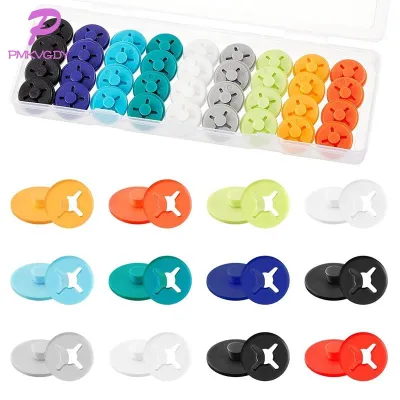
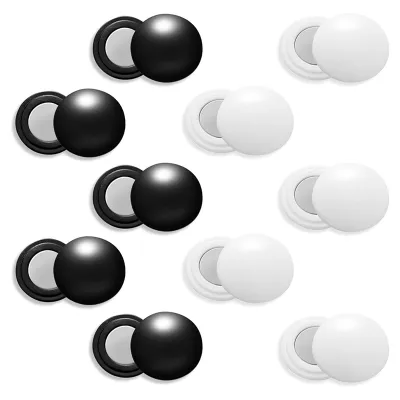
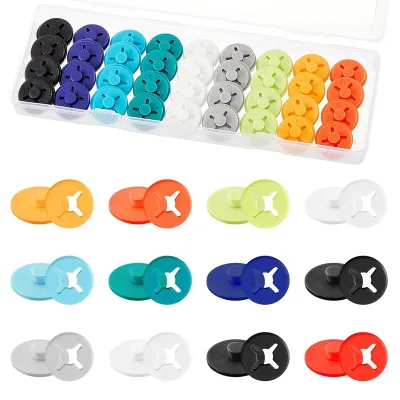
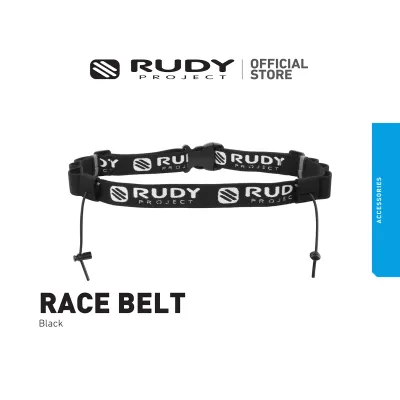
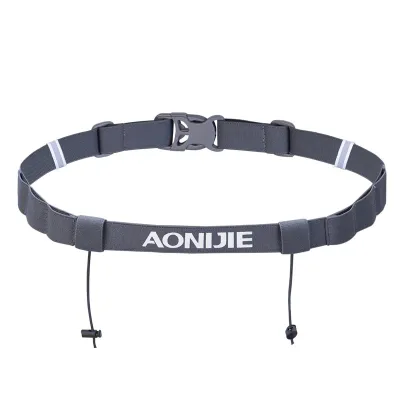
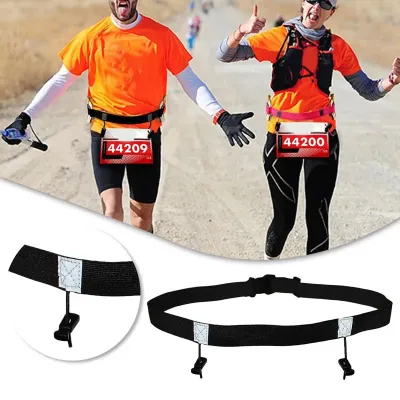
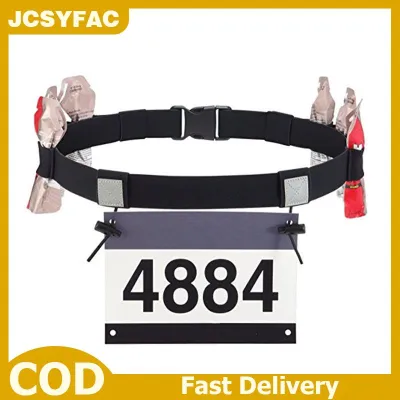
Prices are valid at publication and may change. Please refer to the product page for the latest price.
Another often-overlooked consequence of using safety pins in tropical environments is the risk of rust stains. When metal pins are exposed to heavy sweat and high humidity, they can quickly begin to oxidize. If you leave your pinned race shirt in a laundry hamper or gear bag for even a day after a race, the rust can transfer to the fabric, leaving permanent orange-brown stains that are incredibly difficult to remove. Reusable bib clips, which are typically made of high-grade plastics or encased in protective synthetic shells, completely eliminate the risk of rust transfer, keeping your light-colored singlets looking clean and fresh.
Furthermore, the physical mechanics of running introduce continuous dynamic tension to your apparel. As you breathe deeply and swing your arms, your chest expands and contracts, causing the fabric of your shirt to stretch in multiple directions. When a bib is pinned rigidly to the chest, this movement creates constant micro-friction at the pin insertion points. Over a marathon or even a 10K run, this repetitive friction acts like a tiny saw, gradually wearing down the surrounding threads until they snap. Magnetic holders, by allowing the fabric to slide slightly between the magnets under extreme tension, absorb this movement and prevent localized fiber fatigue.
High-compression gear and premium singlets are particularly vulnerable to pin damage. Compression garments rely on a precise balance of tension to support muscles and improve circulation. Piercing these materials under tension creates weak spots that can easily ladder or unravel during high-intensity movement. Similarly, ultra-lightweight racing singlets feature open-weave mesh patterns designed for maximum breathability in hot and humid tropical climates. A safety pin can easily snag these delicate threads, leaving behind unsightly holes and frayed edges that ruin the garment’s aesthetic and structural integrity.
In contrast, modern race bib number holders use mechanical clamping or magnetic force to secure the bib without piercing the fabric. Magnetic bib clips consist of two small, powerful magnets that sandwich the bib and the shirt fabric together. Toggle-style clips utilize a male-and-female locking mechanism that clamps down on the fabric, distributing the pressure evenly across a wider surface area rather than concentrating it on a single sharp point. This pressure-based system ensures that the individual fibers of your shirt are merely compressed temporarily rather than severed or stretched out of shape.
Before heading to your next race, it is essential to perform a fabric compatibility check on your selected apparel. If you plan to wear a premium singlet, a high-end compression top, or any garment featuring a waterproof membrane, you should strictly avoid using safety pins. The tiny punctures left by pins can permanently compromise the water-resistant barrier of technical jackets, allowing moisture to seep through during heavy rain. For these specialized garments, pressure-based or magnetic fasteners are the only reliable way to preserve the technical properties of the fabric.
Hold Security and Race-Day Comfort
A secure hold is critical when navigating crowded race courses, windy coastal routes, or sudden tropical downpours. Traditional safety pins offer a highly rigid, four-point anchor that keeps the bib flat against your chest. Because the pin physically pierces both the bib and the shirt, there is virtually no chance of the bib sliding or shifting, even when it becomes heavy and sweat-soaked. However, this rigidity can sometimes feel restrictive, causing the fabric of your shirt to pull awkwardly against your chest as your body moves through its natural running stride.

Magnetic and toggle-style bib clips handle movement differently. Because they rely on friction and clamping force, they allow for a slight amount of natural flex between the bib and the shirt. This can result in a more comfortable, less restrictive feel during long runs. However, if you are using a heavy, thick Tyvek bib or if the bib becomes saturated with heavy sweat during a humid morning run, you must ensure your clips have sufficient holding power. If the clamping force is too weak, the weight of the wet bib can cause the clips to slide down the fabric, requiring mid-race adjustments.
Weight and chafing are also major considerations for long-distance comfort. Standard safety pins are incredibly lightweight and have an extremely low profile, meaning they sit almost flush against the fabric. This minimizes the risk of the fastener rubbing against your skin, especially if you wear your singlet without a base layer. Plastic or metal bib clips, particularly magnetic ones, are inherently bulkier and heavier than pins. While the weight difference is negligible for most runners, the physical thickness of the inner clip can sometimes cause localized chafing if it presses directly against sensitive skin under a tight-fitting shirt.
Placement of your race bib also plays a crucial role in preventing discomfort on the road. When using safety pins, you can place the bib almost anywhere on your chest without worrying about the pins rubbing against your skin, thanks to their flat profile. With magnetic bib clips, however, you must be more strategic. Placing the clips too high can cause the inner magnets to press against your collarbone, while placing them too low might cause them to rub against your waistband or hydration belt. Finding the sweet spot on your chest where the fabric sits naturally away from high-friction areas is key to avoiding chafing during long-distance events.
Additionally, different body shapes and running gaits can influence how you perceive the weight of magnetic clips. Runners with a more pronounced chest expansion or those who use a high-cadence arm swing may notice the slight bounce of magnetic clips more than those with a quieter upper body. While the weight of four small magnets is minimal, the sensory feedback of a bouncing bib can be a distraction for some. Testing the setup during a short training run allows you to adjust the positioning of the clips to minimize movement and ensure a completely distraction-free race day.
Weather conditions play a significant role in how these fasteners perform on race day. In hot, humid environments, heavy sweating is inevitable, and sudden tropical rain showers can quickly drench your gear. When selecting magnetic bib clips, it is crucial to check the manufacturer’s specifications regarding magnetic strength and rust resistance. Low-quality magnets can lose their grip when wet or may begin to rust after repeated exposure to sweat and moisture, leaving permanent stains on your favorite running shirts. High-quality, plastic-coated, or sealed magnetic clips are essential for enduring wet conditions without compromising security.
Furthermore, wind resistance can put additional stress on your bib fasteners during coastal races or high-altitude trail runs. Strong gusts of wind can catch the edges of a race bib, acting like a small sail that pulls against your shirt. Safety pins hold firm but transfer all that pulling force directly to the tiny punctured holes in your fabric, increasing the risk of tearing. Magnetic clips, if sufficiently strong, will hold the bib in place while allowing the fabric to flex naturally with the wind, reducing the localized stress on any single point of your garment.
Setup Convenience and Long-Term Reusability
Preparing your gear the night before a race is a ritual for many runners, and the ease of attaching your bib can set the tone for your morning. Safety pins have a virtually non-existent learning curve, but aligning a bib perfectly straight while pushing sharp pins through a delicate shirt can be a tedious and frustrating process. It is easy to accidentally pin the front of your shirt to the back, or to prick your fingers in the pre-race rush. Additionally, adjusting a crooked bib requires unpinning and repinning, which doubles the risk of damaging the fabric.
Race bib clips require a slight learning curve, especially when aligning the inner and outer pieces for the first time. For magnetic clips, you must place one hand inside the shirt to position the backing magnet while aligning the outer magnet over the bib corner. While this can take a few attempts to master, it allows for quick, micro-adjustments without any risk of damaging the fabric. Once you find the correct alignment, the clips snap into place securely, providing a clean, professional look without the wrinkled fabric often caused by poorly placed safety pins.
From a long-term perspective, the reusability of bib clips offers excellent value compared to the disposable nature of safety pins. Safety pins are frequently lost, bent, or discarded after a single event, leading to a constant cycle of replacement. Over time, accumulating bent pins contributes to unnecessary waste. High-quality bib clips are designed for years of repeated use, making them a more sustainable choice. While they require a higher upfront investment—typically ranging from ₱150 to ₱500 depending on the brand and design—their durability means you will rarely need to worry about sourcing fasteners before a race.
When you consider the cost of premium running apparel, which can easily exceed ₱2,000 for a single high-performance singlet, investing in a reliable set of bib clips becomes a highly cost-effective decision. A single pair of ruined running shorts or a torn race singlet costs far more to replace than a set of reusable magnetic holders. By preventing puncture damage, these clips extend the lifespan of your favorite running gear, ensuring that your race-day wardrobe remains in excellent condition for many seasons to come.
Storing and traveling with your race gear is also simpler when using dedicated bib clips. Safety pins left loose in a gear bag can easily snag on expensive socks, technical shirts, or hydration packs, causing accidental damage before you even arrive at the venue. Magnetic or toggle clips can be snapped together and stored in a small, dedicated pocket of your running pack or gear bag. This keeps them organized, prevents them from scratching other items, and ensures they are always ready for your next starting line.
Feature Comparison Matrix
To help you decide which fastening method is best suited for your running style and wardrobe, the table below summarizes the key operational differences between race bib clips and traditional safety pins.
| Feature | Race Bib Clips | Safety Pins |
|---|---|---|
| Fabric Impact | Zero damage; uses pressure or magnetic force | High risk of punctures, micro-tears, and snags |
| Security on Heavy Bibs | Good (requires strong magnets/clamps) | Excellent (rigid physical anchor) |
| Weight and Bulk | Slightly heavier; noticeable inner profile | Extremely lightweight; flush profile |
| Setup Time | Moderate (requires alignment practice) | Fast (but prone to misalignment and finger pricks) |
| Reusability | High (durable, multi-year lifespan) | Low (frequently lost, bent, or discarded) |
Note: Specific magnetic strength, clamping tension, and fabric compatibility must always be verified on the product label or manufacturer guidelines before use on high-value gear.
Decision Framework: Which Holder Fits Your Running Wardrobe?
Choosing the right race bib number holder depends largely on the value of your running wardrobe and your personal comfort preferences. By evaluating your gear and racing habits, you can make an informed decision that protects your apparel while ensuring a distraction-free run.
You should choose reusable bib clips if you frequently wear expensive, technical, or highly breathable singlets, compression tops, or waterproof jackets. If you have invested significant money in premium athletic brands, protecting those garments from unsightly holes and structural damage is a priority. Bib clips are also ideal for runners who prefer a clean, modern look on their race photos without the wrinkled fabric and sagging bibs often associated with safety pins.
You should stick with traditional safety pins if you prefer an ultra-lightweight, zero-bulk feel and primarily wear standard cotton or durable polyester event shirts. If you do not mind the occasional micro-tear on low-cost or free race shirts, the simplicity and reliability of safety pins are hard to beat. They also serve as an excellent, cost-effective backup to keep in your gear bag in case you forget your reusable clips on race morning.
Before making your final choice, always verify the compatibility of your specific race bib material with your chosen clips. Some local events use exceptionally thick, laminated, or heavily textured Tyvek bibs that may require stronger magnetic clips or deeper toggle clamps to hold securely. Testing your clips on a mock bib or a piece of thick paper before race day ensures you won’t experience any slipping or lost bibs during your run.
Frequently Asked Questions (FAQ)
Can I use safety pins on waterproof running jackets?
No, you should avoid using safety pins on waterproof running jackets. Waterproof jackets rely on specialized membranes and Durable Water Repellent (DWR) coatings to keep rain out. Piercing these fabrics with safety pins creates permanent holes that compromise the waterproof barrier, allowing water to leak through during wet weather. Always check the jacket’s care label and opt for a magnetic race bib number holder or a dedicated race belt to preserve the garment’s weatherproofing.
Do magnetic bib clips interfere with running watches or timing chips?
Generally, high-quality magnetic bib clips do not interfere with modern GPS running watches, heart rate monitors, or shoe-mounted timing chips. However, because magnets can occasionally affect digital compasses or highly sensitive sensors if placed in direct contact, it is wise to keep them separated. To ensure complete accuracy, check the manufacturer guidelines for both your electronic devices and your magnetic clips, and avoid placing the clips directly adjacent to your wrist-based sensors or chest straps.
Community discussion
Share your experience or ask a question. Comments are reviewed before publication.