
Selecting the right race bib number holder is a small but critical decision that can directly impact your comfort, focus, and gear longevity on race day. In hot and humid tropical climates, where runners face intense sweat, sudden monsoon downpours, and high humidity, how you secure your race number matters more than you might think. A sagging, flapping, or chafing bib can quickly turn a promising personal record attempt into a frustrating struggle. The ideal attachment method depends on your specific running style, the distance of your event, and the delicate fabrics of your favorite running apparel.
Modern runners typically choose between three primary options: magnetic holders, race belts, and clip-on fasteners. Each system offers a distinct approach to securing your race number without resorting to traditional safety pins, which often ruin expensive technical fabrics. By understanding the physical mechanics, security levels, and comfort trade-offs of each type, you can select the perfect setup to keep your bib secure from the starting line to the finisher’s arch.
How Magnetic, Belt, and Clip-On Mechanisms Actually Attach
To make an informed choice, it is essential to understand how these three systems physically connect to your gear and how their designs perform under real-world running conditions.
Products mentioned in this guide
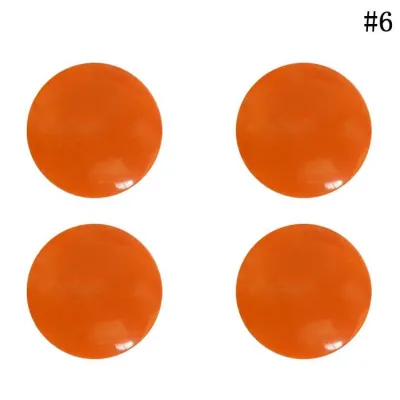
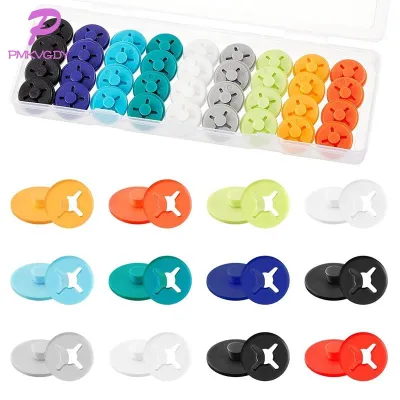
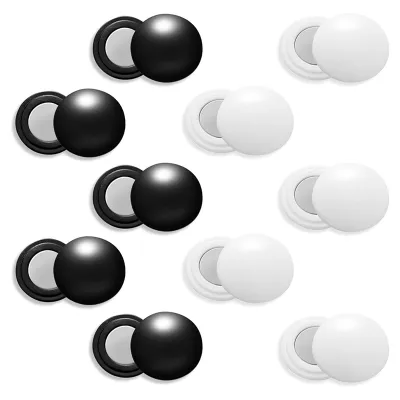
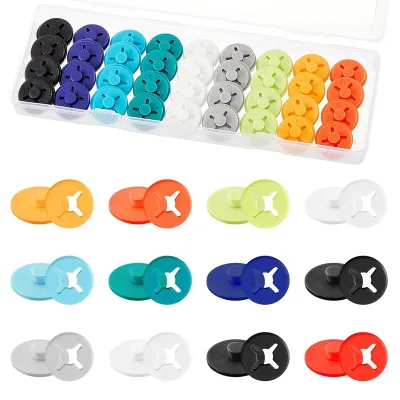
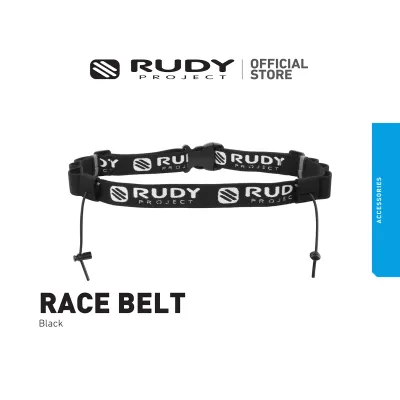
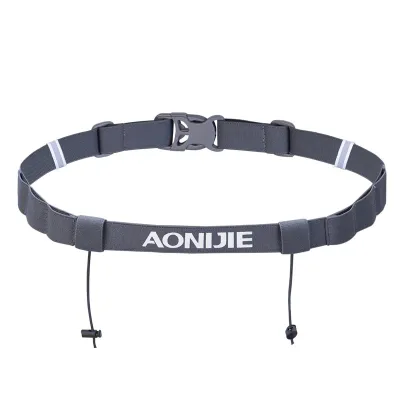
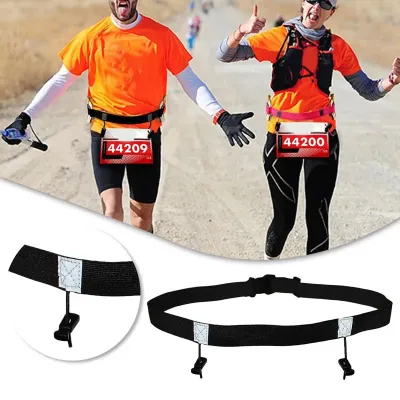
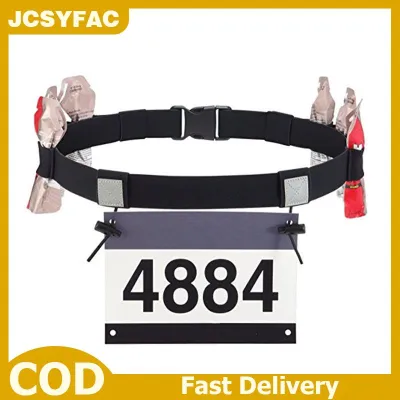
Prices are valid at publication and may change. Please refer to the product page for the latest price.
Magnetic holders utilize a dual-magnet clamping system to secure the bib. This design consists of four pairs of small, high-strength magnets. To attach your bib, you place one magnet on the inside of your shirt and its matching counterpart on the outside, sandwiching both the shirt fabric and the corner of the race bib between them. This magnetic connection relies entirely on the attraction force between the two pieces. Because there are no sharp points or interlocking teeth, this method leaves your clothing completely unmarked. However, the strength of the hold is directly affected by the thickness of your apparel. Before heading to a race, you must verify that your shirt fabric is within the thickness limits specified by the manufacturer, as extremely thick layers or double-layered fabrics can weaken the magnetic connection.
Belt holders take a completely different approach by bypassing your shirt entirely. A race belt consists of an elastic, adjustable waist strap equipped with two integrated toggles, plastic clips, or cord locks. You slide these fasteners through the pre-punched holes at the top of your race bib and lock them in place. The belt is then buckled around your hips or waist, allowing the bib to hang freely over your shorts. This design is highly favored by long-distance runners and triathletes because it eliminates any physical contact between the bib and your top. In tropical environments where heavy sweating causes shirts to cling to the skin, keeping the bib on a separate belt prevents the wet fabric from sagging or pulling forward.
Clip-on holders, often referred to as bib clips or snaps, use a mechanical locking or toggle design to grip the fabric. These compact plastic fasteners typically consist of a male and female piece that snap together, or a spring-loaded clamp. To use them, you align the clip with the pre-punched hole in your race bib and snap it directly onto the hem or fabric of your shirt. The clip physically pinches the fabric fibers to create a secure hold. While highly effective at preventing lateral movement, this mechanical grip requires a small amount of fabric to be compressed within the clasp. This means you must carefully evaluate the placement to ensure the clips do not rub against your skin or stretch out delicate, loose-weave mesh fabrics.
Weighing Security, Comfort, and Fabric Safety Trade-Offs
Every attachment method involves a balance of trade-offs. Evaluating how each holder handles fabric safety, security, comfort, and setup speed will help you determine which compromise is easiest to live with during a hard run.

Fabric safety is a primary concern for runners who invest in premium, lightweight technical singlets. Traditional safety pins are notorious for leaving permanent holes, snagging delicate threads, and rusting when exposed to heavy sweat or rain. Magnetic holders are the leaders in fabric preservation, as they apply flat, even pressure without piercing or pinching the weave. Clip-on holders provide a middle ground but carry a slight risk of fabric stretching or pilling if snapped onto ultra-thin, delicate mesh. When using clip-ons, always check your garment’s care labels and test the clips on an inconspicuous area of the shirt first to ensure the fabric can withstand the mechanical pressure.
Security and bounce are critical when running at high speeds or facing windy coastal conditions, such as running along seaside boulevards. A flapping bib is not only distracting but can also tear away if not properly secured. Magnetic holders offer excellent stability under normal conditions, but they can be vulnerable to accidental displacement. If you wear a hydration vest or a running pack, the straps can rub against the magnets, potentially knocking them loose. Belts provide exceptional security because they are buckled tightly around your waist, meaning the bib moves with your body rather than your clothing. However, you must verify that the belt’s elastic tension is adjusted correctly; a belt that is too loose will bounce excessively, while one that is too tight can cause discomfort. Clip-ons offer a highly secure mechanical lock that rarely fails, but because they attach to your shirt, any wind or movement that catches the bib will pull directly on your clothing.
Comfort over long distances is highly subjective and depends heavily on your gear setup and climate. In hot, humid weather, chafing is a constant threat. Magnetic holders placed near the chest can sometimes cause irritation if your shirt is tight, as the inner magnet sits directly against your skin or sports bra. To prevent this, some runners place a small piece of medical tape over the inner magnet. Race belts eliminate chest chafing entirely, but the friction of the elastic strap against a sweaty waistline can cause hot spots or chafing over marathon or ultra-marathon distances. Applying an anti-chafing balm around your waist before fastening the belt is a highly recommended precaution. Clip-ons are incredibly lightweight and virtually unnoticeable, provided your shirt is loose enough that the plastic backings do not press firmly against your chest.
Setup speed in crowded race corrals or early morning transition areas can set the tone for your entire event. Magnetic holders require a bit of patience to align properly, especially if you are trying to put them on while already wearing your shirt. It is often easier to lay the shirt flat on a table to align the magnets before putting it on. Race belts are incredibly fast and convenient; you can attach your bib to the belt the night before the race, and simply buckle it on in a single second when you arrive at the venue. Clip-ons require you to align the plastic snaps through the bib holes and press them firmly until they click, which can be challenging if your hands are cold, wet, or shaking with pre-race adrenaline.
Comparing the Three Attachment Methods at a Glance
To help you quickly compare these options, the table below outlines how each holder type performs across key categories, along with the critical variables you must verify before making your choice.
| Holder Type | Fabric Safety | Security Level | Comfort over Distance | Setup Speed | Key Verification Item |
|---|---|---|---|---|---|
| Magnetic | Excellent (No holes or fabric wear) | Moderate (Can slide on slick fabrics or under pack straps) | High (Avoids waist friction; check chest contact) | Moderate (Requires careful alignment) | Verify fabric thickness and compatibility with hydration pack straps. |
| Belt | Excellent (Bypasses shirt completely) | High (Stays secure around the waist) | High (Eliminates chest chafing; check waist friction) | Fast (Pre-assemble and buckle on) | Verify elastic adjustability and presence of bib toggles. |
| Clip-On | Moderate (Pinches fabric; potential for minor wear) | High (Mechanical lock prevents slipping) | High (Very lightweight; check inner snap contact) | Moderate (Requires manual snapping of parts) | Verify fabric weave strength and presence of pre-punched bib holes. |
When using this comparison, remember that your personal gear setup is the ultimate deciding factor. For instance, if your favorite racing singlet is made of an ultra-thin, open-weave mesh, a magnetic holder or a belt is far safer than a clip-on. Conversely, if you always run with a hydration vest, a belt or clip-on will prevent the vest straps from accidentally knocking off magnetic fasteners.
Choosing the Right Holder for Your Specific Race Conditions
To select the best race bib holder, match the attachment mechanism to your specific running style, the distance of your event, and your environmental conditions.
Choose magnetic holders if:
- Your primary goal is to protect expensive, high-performance technical singlets from damage.
- You typically run shorter to medium distances, such as 5K, 10K, or half-marathons, where hydration vests or heavy packs are not required.
- You prefer a clean, minimalist look without any extra straps around your waist or hips.
- You wear standard-thickness running shirts that allow the magnets to maintain a strong, reliable connection.
Choose belt holders if:
- You are tackling long-distance events like marathons, triathlons, or ultra-marathons where comfort and gear stability are paramount.
- You want to eliminate shirt pull, sagging, and chest chafing entirely, especially in hot, humid conditions where shirts become heavy with sweat.
- You already use a running belt or hydration system and want to integrate your bib attachment into your existing waist gear.
- You anticipate needing to add or remove layers (such as a light windbreaker) during the race without having to unpin and reattach your bib.
Choose clip-on holders if:
- You are looking for a highly lightweight, simple, and budget-friendly alternative to safety pins for casual weekend fun runs.
- You wear shirts made of slightly thicker or more structured fabrics that can easily withstand a firm mechanical pinch.
- You want a secure, mechanical lock that will not slide or shift, even during high-intensity sprinting.
Verify first before racing if:
- You wear tight compression gear, as magnets or clip-on backings may press uncomfortably into your skin.
- You are using ultra-thin, delicate technical fabrics that could be prone to stretching or tearing under mechanical clips.
- You are running in extreme weather conditions, such as heavy tropical downpours, where wet fabrics stretch significantly and may require a belt to keep the bib from sagging down to your knees.
Frequently Asked Questions (FAQ)
Can I use safety pins instead of a dedicated bib holder?
While safety pins are the traditional, budget-friendly standard provided at almost every race registration, they carry significant downsides. Pins physically pierce the fabric of your shirt, which can cause permanent holes, runs, or tears in expensive technical garments. Over time, exposure to heavy sweat and humid air can cause standard metal pins to rust, leaving stubborn orange stains on light-colored singlets. Additionally, pinning a bib straight and flat while wearing a shirt can be incredibly frustrating and time-consuming in a crowded race corral. Dedicated bib holders eliminate these issues, saving your clothing and your pre-race sanity.
Will magnetic bib holders interfere with my GPS watch or timing chip?
Under normal racing conditions, magnetic bib holders will not interfere with your running electronics or race timing. Modern timing chips are typically adhered to the back of the paper bib itself or integrated into your shoe laces, while GPS watches are worn on the wrist. The small, localized magnetic field of bib magnets is generally not strong enough to disrupt these systems. However, to ensure absolute accuracy, you should avoid placing magnets directly over or immediately adjacent to your timing chip. Always check the manufacturer’s specifications for both your GPS watch and your magnetic holders if you use specialized compass features or highly sensitive electronic gear.
How do I prevent my bib from flipping up in strong winds?
To prevent your race bib from flipping up or flapping loudly in strong winds, always utilize all four attachment points rather than just the top two. Securing the bottom corners of the bib keeps it flat against your body and prevents wind from catching underneath. Before crossing the starting line, double-check the alignment of your magnets or the tightness of your clips to ensure a firm, even grip. If you are using a race belt, adjust the toggles so the bib sits snugly against your lower abdomen or hips, minimizing the gap where wind can enter.
Community discussion
Share your experience or ask a question. Comments are reviewed before publication.