
Choosing the right Raleigh road bike as a beginner in the Philippines requires a clear understanding of your personal riding goals, your daily environment, and the specific demands of local roads. Raleigh offers a diverse range of designs that cater to different styles of riding, from fast weekend fitness sessions along bypass roads to daily multi-kilometer commutes through bustling urban centers. To make an informed decision, you must first determine whether your primary motivation is physical conditioning or practical transportation, as this choice dictates the frame geometry, handlebar style, and accessory compatibility you will need.
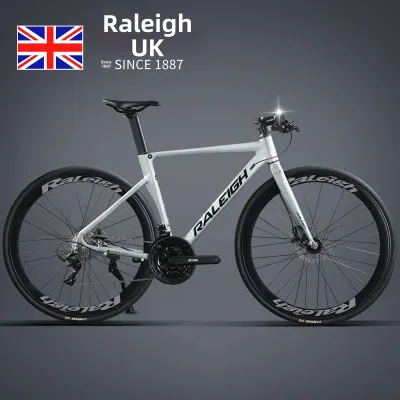
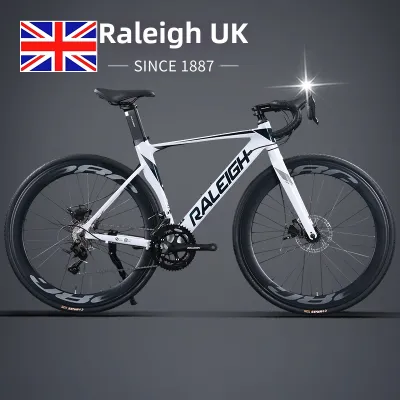
For fitness-focused riding, your priorities will lean toward efficiency, speed, and sustained physical effort. Fitness riders typically benefit from traditional road bike designs featuring drop handlebars, which offer multiple hand positions to reduce fatigue during long, continuous efforts. These bikes encourage a more aerodynamic, forward-leaning posture that helps you cut through wind resistance on open stretches of highway. The focus here is on maintaining a steady cadence and building cardiovascular endurance, making lightweight frames and narrower, faster-rolling tires highly desirable.
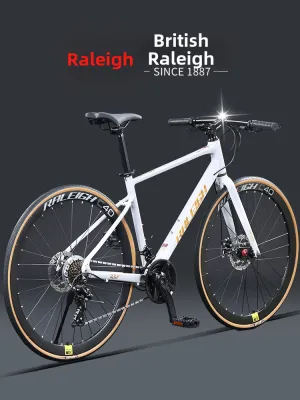
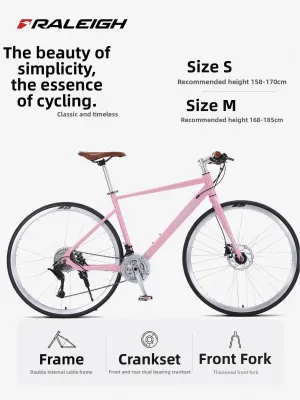
Conversely, daily commuting demands a bike that prioritizes stability, visibility, and utility over raw speed. Commuting in Philippine cities involves navigating dense traffic, sudden stops, and varied road surfaces, which makes an upright riding posture far more practical. Flat handlebars are often preferred for commuting because they place your hands near the brake levers at all times and keep your head elevated, allowing you to scan the road for hazards and keep an eye on surrounding vehicles. Additionally, a dedicated commuter bike must have the structural capacity to carry cargo, such as a change of clothes, laptop, or daily essentials, without compromising your balance.
Products mentioned in this guide
Prices are valid at publication and may change. Please refer to the product page for the latest price.
Local road conditions and tropical weather play a massive role in determining which bike characteristics are essential for your safety and comfort. Philippine roads can vary wildly, transitioning from smooth asphalt to concrete sections with expansion joints, potholes, and unexpected gravel. During the wet season, sudden downpours can quickly turn streets into slick, waterlogged paths. To handle these challenges, beginners should look for frames that offer generous tire clearance, allowing you to mount wider tires that provide better traction and shock absorption. Fender compatibility is another crucial factor, as full-coverage fenders prevent muddy water from spraying onto your back and keep road grime away from your bike’s moving parts.
Setting a realistic budget is the final step in framing your purchase decision. For an entry-level road or fitness bike, a budget range of ₱15,000 to ₱35,000 is highly practical in the local market. Within this price bracket, you can find reliable aluminum frames paired with durable, entry-level component groupsets that offer smooth shifting and dependable braking. It is wise to resist the temptation of premium features like carbon fiber frames or high-end electronic shifting, which significantly increase the cost and maintenance complexity without offering a proportional benefit to a beginner. Instead, focus your budget on a well-built frame and save some funds for essential accessories like a high-quality helmet, front and rear lights, and a reliable pump.
Key Features to Look for in a Beginner Raleigh Road Bike
When evaluating different Raleigh models, understanding the technical specifications of the frame and components will help you select a bike that is both comfortable and durable. The frame material serves as the foundation of the bike’s ride quality and longevity. Aluminum is the most common material found in entry-level road bikes, valued for its lightweight properties, stiffness, and excellent power transfer. Modern aluminum frames often feature hydroformed tubing, which allows manufacturers to shape the walls for optimal strength and compliance. While aluminum can sometimes transmit more road vibration to the rider, pairing it with a carbon fiber or steel fork can significantly dampen these vibrations, resulting in a smoother ride over rough pavement.
Steel remains a highly respected alternative, particularly for riders who prioritize comfort and long-term durability over weight savings. Steel frames possess a natural elasticity that absorbs road shocks beautifully, making them incredibly comfortable for long commutes and touring. This material is exceptionally robust and can withstand the daily abuse of rough roads, minor impacts, and heavy cargo loads. The trade-off is that steel bikes are noticeably heavier than their aluminum counterparts, which can make climbing steep hills more physically demanding for a beginner. If your daily route is relatively flat and comfort is your primary concern, a steel frame is an excellent option to consider.
The braking system is another critical component that directly impacts your safety, especially when riding in wet tropical weather. Traditional rim brakes are lightweight, simple to maintain, and highly cost-effective, making them a staple on entry-level road bikes. However, their stopping power can decrease significantly when the rims become wet or dirty during a sudden downpour. Disc brakes, which can be either mechanical or hydraulic, offer much more consistent stopping power regardless of the weather. Mechanical disc brakes use a cable to actuate the calipers and are relatively easy to adjust at home, while hydraulic disc brakes use fluid pressure to provide superior modulation and stopping power with minimal hand effort. For riders who plan to commute year-round, investing in a model with disc brakes is highly recommended.
Your choice of drivetrain and gearing will determine how easily you can tackle different terrains. Road bike drivetrains typically feature two chainrings in the front (a double crankset) paired with an eight-, nine-, or ten-speed cassette in the rear. For beginners, a “compact” front crankset (usually with 50 and 34 teeth) combined with a wide-range rear cassette (such as an 11-32 or 11-34) is ideal. This combination provides low enough gear ratios to help you climb steep hills, such as those found in Rizal or Tagaytay, without straining your knees, while still offering high enough gears to maintain speed on flat coastal roads. Ensure the shifting levers are integrated with the brake levers, a design often referred to as dual-control levers, which allows you to change gears safely without taking your hands off the handlebars.
Handlebar design is the primary interface that dictates your riding position and control. Drop handlebars curve downward and forward, offering three main hand positions: the tops for relaxed climbing, the hoods for general riding and easy access to brakes, and the drops for aerodynamic riding and high-speed descents. This variety of hand positions is incredibly beneficial on long fitness rides, as it allows you to shift your weight and prevent hand numbness. Flat handlebars, on the other hand, offer a single, wide grip that provides maximum leverage and steering control. This setup is highly advantageous for navigating tight spaces, filtering through slow-moving traffic, and maintaining an upright posture that maximizes your field of vision in busy urban environments.
Evaluating Raleigh Series for Different Beginner Needs
Raleigh designs its bikes around specific riding philosophies, and understanding these design intents will help you narrow down your choices. For fitness-oriented beginners, endurance road designs are highly suitable. These bikes feature a slightly longer wheelbase and a taller head tube compared to aggressive racing bikes, resulting in a more stable ride and a more relaxed, upright riding position. This geometry reduces strain on your lower back, neck, and shoulders, allowing you to ride longer distances with greater comfort. When looking at Raleigh’s offerings, seek out models that emphasize endurance geometry and feature tire clearances of at least 28mm or 30mm, which allow you to run lower tire pressures for a smoother ride.

If your primary goal is daily commuting or light touring, you should focus on Raleigh models designed for urban utility and versatility. These bikes are built to be workhorses, featuring robust frames with dedicated mounting points for rear racks, front racks, and full-coverage fenders. Having integrated eyelets on the frame is incredibly important, as it allows you to bolt accessories securely to the bike without relying on flimsy clip-on adapters. Commuter-focused models also tend to feature wider tire clearances, often accommodating tires up to 35mm or even 40mm. This extra volume allows you to run wider, puncture-resistant tires that can easily handle gravel paths, train tracks, and poorly maintained city streets.
To help you make a decision, you can use a simple conditional framework based on your primary riding goals. If your priority is daily commuting through heavy traffic with cargo, look for a Raleigh model featuring flat handlebars, mechanical or hydraulic disc brakes, and integrated rack and fender mounts. This configuration will give you the visibility, control, and utility needed for a safe and practical daily commute. If your goal is weekend fitness, group rides, and building endurance, prioritize a Raleigh model with drop handlebars, a lightweight aluminum frame, a carbon fork, and a compact double drivetrain. This setup will provide the efficiency and speed necessary to enjoy longer road rides and keep up with local cycling groups.
Regardless of which style you choose, it is absolutely essential to verify the current availability and exact specifications of Raleigh models with local authorized dealers in the Philippines. Bike specifications can vary by region and production year, and manufacturers occasionally update components based on parts availability. When visiting a local bike shop, ask the staff to confirm the specific groupset model, tire clearance, and frame warranty details of the bike you are considering. This step ensures that you are getting a genuine product with the exact features you expect, and it establishes a relationship with a local shop that can assist you with future maintenance and adjustments.
Sizing, Fitting, and Local Purchasing Considerations
Securing the correct bike size is the single most important factor in ensuring your comfort, preventing injuries, and enjoying your riding experience. Unlike clothing, where a slightly incorrect size is merely inconvenient, an improperly sized bike can lead to chronic pain in your knees, lower back, neck, and wrists. The three primary measurements to understand are standover height, reach, and stack. Standover height is the clearance between your crotch and the top tube of the frame when standing flat-footed over the bike. You should have at least one to two inches of clearance for a traditional road bike to ensure you can dismount safely in an emergency. Reach refers to the horizontal distance from the saddle to the handlebars, while stack is the vertical distance from the bottom bracket to the top of the head tube, both of which dictate how stretched out or upright you will feel.
Before finalizing your purchase, you should perform a basic static fit check at the bike shop. Start by adjusting the saddle height so that when your foot is at the bottom of the pedal stroke, your knee has a slight bend of approximately 80 to 90 percent extension. If your hips rock side to side when pedaling backward, the saddle is too high. Next, sit on the saddle and place your hands on the handlebar hoods or grips; your elbows should be slightly bent, and your shoulders should feel relaxed, not shrugged or strained. A reputable local bike shop will have experienced staff who can guide you through this process and make minor adjustments, such as swapping the stem length or adjusting the saddle position, to customize the fit to your body.
When purchasing a Raleigh bike in the Philippines, it is highly recommended to buy from an authorized dealership or a reputable local bike shop rather than unverified online sellers. Purchasing through official channels ensures that your bike is backed by a valid manufacturer’s warranty, which is crucial in case of any structural frame defects. Furthermore, local bike shops provide invaluable after-sales support, often including a free initial tune-up after the first few weeks of riding. Avoid purchasing complete bikes from generic online marketplaces where assembly quality cannot be guaranteed, as a poorly assembled bike can pose a significant safety hazard.
Once you bring your new bike home, performing a few essential post-purchase checks will ensure everything is operating safely and smoothly. Even a professionally assembled bike can experience minor cable stretch and settling during the first few rides. Check that the front and rear brakes are properly aligned, with the brake pads making full contact with the rim or disc rotor without rubbing when the levers are released. Verify that the gears index smoothly, shifting up and down the cassette without hesitation or chain rub. Finally, use a torque wrench to check that all critical bolts—especially those on the handlebar stem, seatpost clamp, and pedal spindles—are tightened to the manufacturer’s specified torque values to prevent components from slipping while you ride.
Frequently Asked Questions (FAQ)
Can I use a Raleigh road bike for both fitness and commuting?
Yes, you can easily adapt a single Raleigh road bike to serve both fitness and commuting purposes by making a few thoughtful adjustments and accessory choices. If you choose an endurance road bike with drop bars, you can install a lightweight, removable rear rack or use a large frame bag to carry your commuting gear without permanently adding bulk to the bike. For tires, selecting a versatile, puncture-resistant model in a 28mm or 32mm width offers the perfect balance of fast-rolling efficiency for weekend fitness rides and robust durability for daily city commuting. Additionally, installing high-quality, rechargeable clip-on lights allows you to maintain high visibility during early morning commutes while keeping the bike sleek and lightweight for your weekend training sessions.
How often should a beginner service their new road bike?
A beginner should establish a regular maintenance routine based on mileage and local environmental conditions to keep their road bike running smoothly and safely. In the Philippines, high humidity, road dust, and sudden rain showers can accelerate wear on your drivetrain and brakes. You should clean and lubricate your chain every 100 to 150 kilometers, or immediately after any ride in heavy rain, to prevent rust and ensure smooth shifting. A basic safety check—inspecting tire pressure, checking brake pad wear, and ensuring quick-release skewers are secure—should be performed before every single ride. Finally, plan to take your bike to a professional mechanic for a comprehensive service every six months or 1,500 kilometers, during which they will check bearing play, true the wheels, and replace worn cables or brake pads.
Community discussion
Share your experience or ask a question. Comments are reviewed before publication.