
A truly complete, ready-to-fly kite set contains everything required to launch, fly, and retrieve a kite immediately upon opening the package. At its core, a complete set must include a durable sail (the kite body), a flexible frame (unless it is a frameless parafoil), a pre-tied bridle, a high-quality flying line, a secure connector or swivel, and an ergonomic spool or winder.
When purchasing a kite for kids with string, the primary goal is immediate usability. A genuine ready-to-fly package ensures that parents and children can head straight to an open field, park, or beach without needing to stop at a hardware store for extra line, tape, or assembly tools. In the tropical climate of the Philippines, where coastal breezes and open park spaces like those in Luneta or local barangay fields offer excellent flying conditions, having a fully equipped kit saves time and prevents disappointment.
Essential Components Every Kids' Kite Set Must Have
To ensure a successful first flight, several non-negotiable components must be present in the kit. Understanding these parts helps you evaluate whether a retail package is genuinely complete or simply a bare-bones sail that requires additional purchases.
Products mentioned in this guide
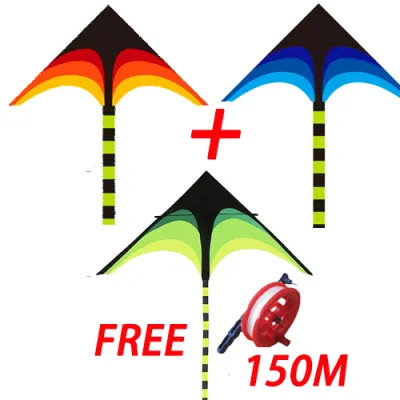
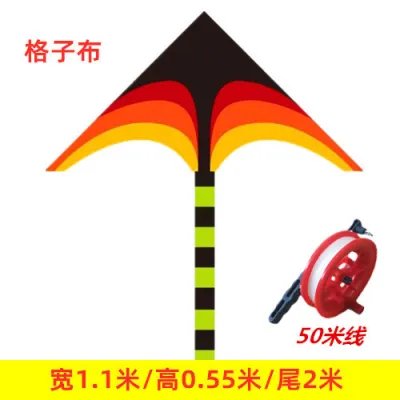
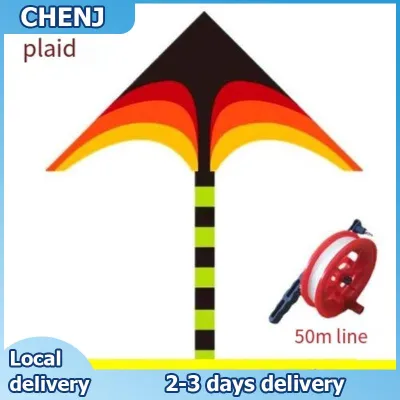
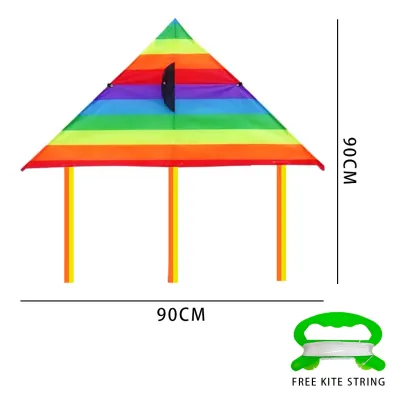
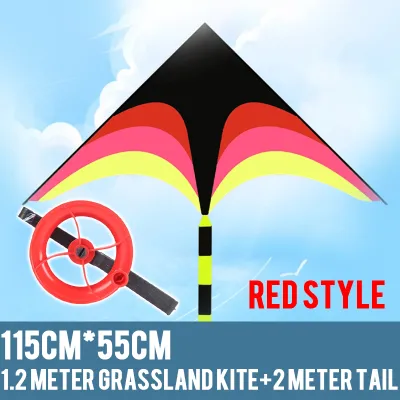
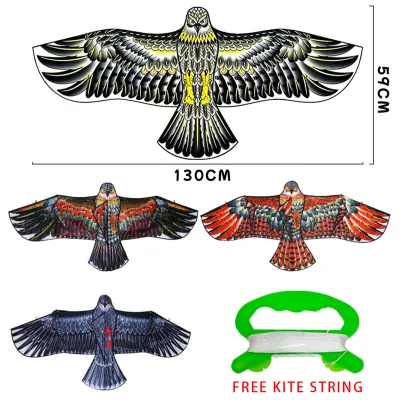
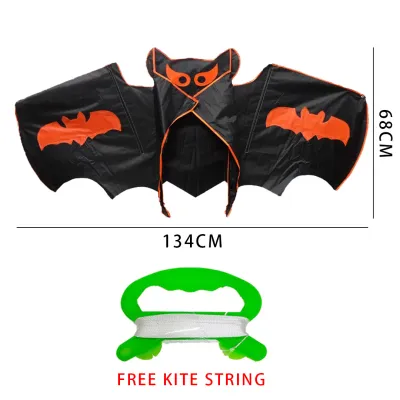
Prices are valid at publication and may change. Please refer to the product page for the latest price.
Kite Body and Frame
The sail is the fabric portion of the kite that captures the wind to generate lift. For children’s kites, the sail material should be constructed from durable, lightweight synthetics such as ripstop nylon or reinforced polyester. These materials resist tearing when the kite inevitably crashes into trees, bushes, or rough ground, and they do not degrade quickly when exposed to high humidity and intense tropical sunlight.
Supporting the sail is the frame, which consists of rigid rods called spars. High-quality children’s kites utilize flexible, shatterproof fiberglass or carbon fiber spars. Fiberglass is particularly well-suited for beginners because it bends under pressure without snapping, absorbing the impact of hard nose-dives. Ensure the set includes all necessary cross-spars and spine rods, and check that they fit snugly into reinforced pockets on the sail.
Flying Line and Spool/Winder
The flying line is the physical connection between the flyer and the kite, and its quality is paramount for safety and control. A standard beginner set should feature a braided polyester or twisted nylon line. These materials offer a high strength-to-weight ratio and minimal stretch, allowing the child to feel the kite’s movements and react accordingly. The line must have an appropriate tensile strength, typically between 30 and 50 pounds, to withstand sudden gusts of wind without snapping.
Equally important is the spool or winder. For small hands, a standard flat hoop winder or an ergonomic D-handle winder is ideal. These designs allow children to grip the handle securely with one hand while letting the line slide out smoothly, or wind it back in using both hands. Avoid sets that wind the line around a simple flat piece of cardboard, as this makes tension management difficult and frequently leads to tangled lines.
Tail and Bridle
The tail is not merely decorative; it plays a critical aerodynamic role by creating drag at the bottom of the kite. This drag stabilizes the kite, keeping its nose pointed upward into the wind. A complete set should include at least one pre-attached tail or a set of snap-on ribbon tails. Pre-attached tails are highly recommended for younger children, as they eliminate the risk of losing the tail during transport or assembly.
The bridle is the sub-system of strings attached to the kite body that dictates the angle at which the kite meets the wind. A properly set bridle is essential for flight. Parents should look for kits with a pre-tied, fixed bridle. This design ensures the kite is balanced perfectly right out of the factory, sparing parents from having to calculate knot positions or tie complex loops in the field.
Connectors and Swivels
To connect the flying line to the bridle, a high-quality set includes a metal or heavy-duty plastic snap swivel. This small connector is tied to the end of the flying line and clips directly onto the bridle loop. The swivel mechanism allows the kite to rotate and spin in turbulent air without twisting the main flying line. Without a swivel, the line will quickly twist, weaken, and tangle, making it difficult to wind back onto the spool.
Useful Extras That Elevate the Flying Experience
While the absolute essentials will get a kite into the air, several additional accessories can significantly improve convenience, safety, and the overall longevity of the equipment. High-quality kits often include these extras to provide better value.

Carrying Bag
A dedicated storage bag is highly beneficial for keeping all components organized. Kites consist of multiple loose parts, including removable spars, long tails, and the winder itself. A durable fabric sleeve or zippered pouch keeps these items together, preventing the loss of vital pieces during transport. In humid environments, a bag with breathable mesh panels is ideal, as it allows any moisture trapped on the sail after a day at the beach to evaporate, preventing mold and mildew growth.
Flying Gloves
When the wind picks up, even a small children’s kite can pull with surprising force. As the line slips quickly through a child’s fingers, the friction can cause painful line burns. Lightweight, fabric flying gloves protect sensitive hands, giving children the confidence to hold onto the winder securely during strong gusts. Gloves also improve grip, making it easier to manage the spool when the line is under high tension.
Spare Parts and Repair Kit
Inevitable collisions with branches, fences, or the ground can cause minor damage. A complete set that includes a basic repair kit is highly advantageous. Look for sets that provide a small roll of adhesive ripstop repair tape, extra connector clips, or even a spare fiberglass spar. Having these items on hand allows for quick, on-the-spot field repairs, preventing a minor tear from ruining a family day out.
Wind Indicator or Ribbon
Learning to read the wind is the first step in successful kite flying. Some premium sets include a simple wind ribbon or streamer that can be attached to a nearby post, stick, or even the user’s wrist. This visual aid helps children identify wind direction and strength before launching, teaching them the basic principles of aerodynamics and wind patterns in a practical, hands-on way.
Red Flags: When a "Complete" Set Isn't Really Complete
Many product listings claim to be “ready to fly” or “complete,” but a closer inspection of the packaging or online description may reveal missing components or substandard materials. Parents should watch out for several common red flags before making a purchase.
Missing Spool or Winder
Some budget listings advertise a “kite with string” but only provide a loose bundle of line wrapped in a plastic bag or around a cheap piece of cardboard. Attempting to unwind and fly a kite with a loose skein of string is incredibly frustrating, as the line will inevitably tangle into knots before the kite even leaves the ground. Always verify that the set explicitly includes a functional, rigid plastic spool or winder.
Inadequate Line Length
To reach stable, clean wind currents, a kite needs to fly at a reasonable altitude. Wind near the ground is often turbulent and blocked by trees, buildings, or hills. A major red flag is a set that includes an exceptionally short flying line, such as 10 to 20 meters. To ensure a good flying experience, the included line should be at least 30 to 50 meters long, allowing the kite to climb past the ground-level turbulence into smoother air.
Flimsy Plastic Winders
While the presence of a winder is necessary, its structural integrity is equally important. Flimsy, ultra-thin plastic winders can bend or crack under the tension of a pulling kite. If the winder breaks while the kite is high in the air, the line can slip away entirely, or the sharp edges of the broken plastic can cut the line. Look for robust, thick-walled plastic winders that feel solid in the hand.
Hidden "Assembly Required" Disclaimers
Read the product specifications carefully to ensure there are no hidden requirements. Some low-cost kits require the buyer to supply their own tools, such as scissors, glue, or adhesive tape, to secure the spars or attach the tail. A true ready-to-fly set should assemble completely tool-free, utilizing simple snap-fit connectors, Velcro tabs, or pre-installed pockets that require nothing more than basic hand assembly.
Recommended Kite Types for Kids and What to Check in Their Sets
Different kite shapes offer distinct flight behaviors, wind requirements, and assembly steps. When selecting a kite for a child, it is helpful to understand these styles and what specific inclusions to verify for each type.
Delta Kites
Delta kites feature a triangular, bird-like shape that offers excellent lift and stability. They are highly efficient and can fly in very light breezes, making them a popular choice for beginners.
When buying a Delta kite set, verify that the package includes a sturdy central spine and a cross-spar that locks securely into place. Because Delta kites generate substantial lift, ensure the included line is rated for at least 40 pounds of tension. The set should also include a long, stable tail to help keep the kite balanced in shifting winds.
Diamond Kites
Diamond kites represent the classic, traditional kite shape. They are highly responsive and visually appealing, making them a timeless favorite for children.
For a Diamond kite set, check that the cross-spars are easy to install and that the set includes a secure center connector clip where the two spars meet. Because Diamond kites are naturally less stable than Deltas, they rely heavily on their tails. Ensure the set includes a tail that is at least three to five times the length of the kite body to prevent the kite from spinning out of control.
Parafoil / Soft Kites
Parafoil kites are completely frameless, relying on the wind to inflate internal pockets (cells) to create an airfoil shape. Because they contain no rigid spars, they are virtually indestructible and cannot break when crashing into the ground.
When inspecting a Parafoil kite set, pay close attention to the bridle system. Since there is no frame, the bridle must distribute the wind’s force across the entire sail. Verify that the bridle lines are pre-sorted and securely stitched to the sail’s attachment points. Additionally, ensure the set includes a high-quality storage bag, as these kites can be folded up very tightly for easy transport.
Kids' Kite Types: Set Verification Guide
| Kite Type | Ideal Wind Condition | Key Set Inclusions to Verify | Pros & Cons for Kids |
|---|---|---|---|
| Delta | Light to moderate winds (6–20 km/h) | Sturdy cross-spar, pre-attached tail, 40-lb line | Pros: Easy to launch, high lift.<br>Cons: Can pull hard in strong winds. |
| Diamond | Moderate winds (8–25 km/h) | Secure center connector, extra-long tail | Pros: Classic look, highly responsive.<br>Cons: Prone to spinning without a proper tail. |
| Parafoil | Moderate to fresh winds (10–30 km/h) | Multi-point bridle, storage bag, high-strength line | Pros: Indestructible, compact.<br>Cons: Requires consistent wind to stay inflated. |
Frequently Asked Questions (FAQ)
How long should the string be for a beginner kids' kite?
For a beginner, a flying line length between 30 and 50 meters is ideal. This length provides enough distance for the kite to climb out of turbulent, ground-level air currents and reach the smoother, more consistent winds found at higher altitudes. Strings shorter than 30 meters often prevent the kite from staying aloft, while strings longer than 100 meters become difficult for young children to manage, increase the risk of severe tangles, and make retrieval exhausting.
Can I use regular sewing thread or fishing line for a kite?
No, you should never use sewing thread or fishing line to fly a kite. Sewing thread lacks the tensile strength required to handle wind pressure and will snap almost instantly, resulting in a lost kite. Monofilament fishing line is highly dangerous; it is thin, nearly invisible, and can cause severe cuts or friction burns to hands and fingers under tension. Always use the braided polyester or twisted nylon line specifically designed for kites, as it is thicker, easier to handle, and visible to others.
What is the best wind speed for flying a kids' kite?
The ideal wind speed for flying most children’s kites is between 8 and 25 kilometers per hour (a gentle to moderate breeze). You can easily identify these conditions without instruments: look for leaves rustling, small tree branches moving gently, and flags extending fully from their poles. If the wind is too weak (below 6 km/h), the kite will struggle to stay aloft. If the wind is too strong (above 30 km/h), it can damage the kite’s frame or make it too difficult for a child to hold safely.
Community discussion
Share your experience or ask a question. Comments are reviewed before publication.