
When you want to enjoy a breezy afternoon outdoors, nothing ruins the excitement faster than opening a brand-new kite only to discover it does not include the flying line. To get flying immediately without making an extra purchase, you need a package explicitly designated as “Ready to Fly” (RTF). Finding a complete sarangola with tali requires looking beyond flashy product titles and verifying the exact contents of the package before you buy.
A complete, out-of-the-box kite package contains the kite sail, the structural frame or spars, a pre-measured flying line, and a dedicated winder or handle. While many advanced kites are sold “kite-only” to allow experienced flyers to choose their own custom lines, beginner and family-oriented models are frequently bundled with everything you need. Understanding how to identify these complete sets ensures your next trip to the beach or park is filled with flying rather than frustration.
What Makes a Kite Truly "Ready to Fly"?
In the kite-flying community, the term “Ready to Fly” (RTF) serves as a specific industry standard. A genuine RTF package contains every single component required to launch the kite into the air immediately after unboxing. This means the box must contain the main kite body (the sail), the structural support rods (the spars or frame) if the design requires them, the flying line (the tali), and a functional handle or spool to control the line. If any of these elements are missing, the kite is not truly ready to fly, regardless of what the product listing claims.
Products mentioned in this guide
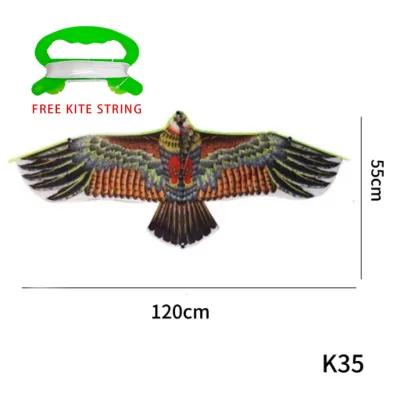
![[🇵🇭 Stock&COD] Long Tail Rainbow Kite With Kite String 50m Outdoor Kites Flying Toys Kite For Children Kids](https://img.lazcdn.com/g/p/ce533c1bc9e9dcd2de20474788d816b9.jpg_400x400q80.jpg_.webp)
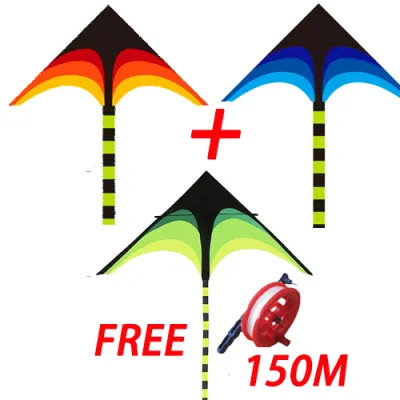

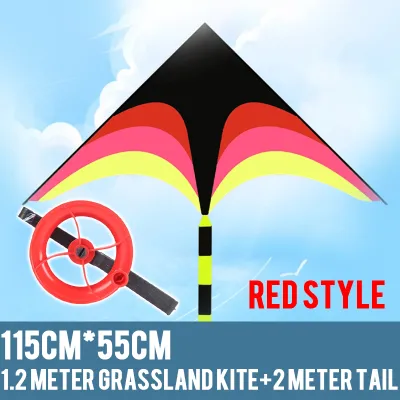
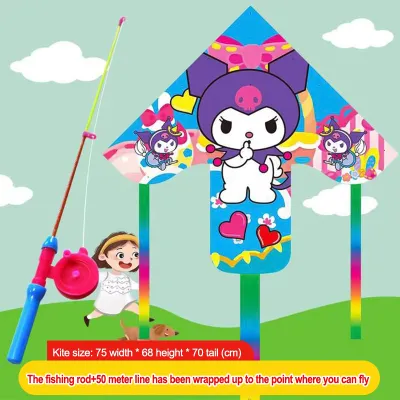
Prices are valid at publication and may change. Please refer to the product page for the latest price.
Many online marketplaces are flooded with “kite-only” listings that feature beautiful, vibrant photos of kites soaring high in the sky. However, a closer look at the fine print often reveals that these listings are for the replacement sail only, leaving out the essential string and handle. This common pitfall can lead to immense disappointment, especially if you have planned a spontaneous weekend trip to a local park or beach and find yourself with a piece of fabric but no way to launch it. Verifying the package contents beforehand eliminates the need for emergency trips to local hardware stores or waiting days for a separate string delivery.
For outdoor enthusiasts in the Philippines, having a complete RTF kite is incredibly convenient for spontaneous family outings. Whether you are heading to the wide-open spaces of Clark, the windy hills of Rizal, or the breezy shores of Laiya and Boracay, a self-contained kite kit fits easily into a backpack or car trunk. It removes the friction of packing separate accessories, ensuring that as soon as you feel a steady breeze, you can simply unbox your kite, connect the line, and watch it rise into the tropical sky.
Best Kite Types to Look for When You Need String Included
When searching for a complete kite package, focusing on specific kite shapes and designs is often more effective than looking for particular brand names. Manufacturers of beginner-friendly and recreational kites understand that their primary customers want immediate fun without technical hassle. Consequently, certain kite architectures are almost universally packaged as complete, ready-to-fly sets that include a reliable spool of string.

By identifying these beginner-friendly designs, you can narrow down your search to products that are highly likely to come bundled with all necessary accessories. These shapes are engineered for stability, ease of assembly, and reliable flight in various wind conditions, making them the perfect introduction to the hobby.
Delta Kites for Beginners and Light Breezes
The triangular delta kite is widely regarded as one of the most reliable designs for both beginners and experienced flyers. Its broad, triangular sail acts like a glider wing, generating high lift even in gentle tropical breezes. This aerodynamic efficiency makes delta kites incredibly easy to launch, as they can catch light, warm air currents and climb steadily with minimal effort from the flyer.
Because delta kites are the quintessential beginner choice, manufacturers almost always bundle them as complete RTF kits. These packages typically include a pre-wound spool of durable line that matches the pull of the kite, along with a simple, easy-to-grip plastic handle. The wide wind range of delta kites means they can handle the transitioning breezes common in coastal areas of the Philippines, performing beautifully in both light morning drafts and stronger afternoon winds.
Classic Diamond Kites for Kids and Families
The traditional diamond kite is a timeless symbol of outdoor play, offering a nostalgic and highly engaging experience for children and families. This classic shape relies on a simple cross-spar frame and a long, streaming tail to maintain balance in the air. The visual appeal of a brightly colored diamond kite dancing in the sky is unmatched, making it a favorite for family days at local parks.
Diamond kites are almost exclusively marketed to families and casual flyers, which means they are nearly always packaged with a basic string and handle set. The included tali is usually pre-measured to a safe, manageable length for children, preventing the kite from wandering too far or becoming difficult to control. Before launching, you should check if the cross-spar requires simple insertion into the corner pockets; this tool-free setup typically takes less than a minute and can be done easily at the flying site.
Parafoil Kites for Zero Assembly and Travel
If you want the absolute fastest path from unboxing to flying, a parafoil kite is the ultimate solution. Unlike delta or diamond kites, parafoils are completely frameless and contain no rigid rods or spars. Instead, they feature sewn air pockets that inflate and take shape as the wind flows through them, functioning similarly to a miniature paraglider.
Because there are no fiberglass or carbon rods to assemble, bend, or potentially snap, parafoil kites offer zero-assembly convenience. They pack down into a tiny fabric pouch that can fit into a pocket, making them incredibly easy to carry on hikes or beach trips. Parafoil packages almost always include a dedicated, pre-attached line set with a winder, as they are designed specifically for maximum portability and instant deployment. They rely entirely on steady, continuous wind to stay inflated, making them exceptional performers along windy coastal shorelines.
How to Verify a Sarangola Truly Comes with Tali
Shopping on digital marketplaces requires a critical eye to ensure you do not accidentally purchase a kite-only product. To verify that a sarangola truly comes with its tali, you must develop a systematic approach to analyzing online listings. Relying solely on the main product image or a generic title can be misleading, as sellers often use optimized keywords to attract clicks without offering the complete package.
First, always scroll past the main title and search for the detailed product description or the “What’s in the Box” section. A legitimate ready-to-fly listing will explicitly list the contents, using clear phrases such as “string included,” “comes with line and handle,” or “complete RTF set.” If the description only mentions the material of the sail (such as ripstop polyester) and the dimensions of the kite without mentioning a line, spool, or winder, it is highly likely a kite-only listing.
Second, carefully examine the product images, focusing on the secondary photos rather than just the primary promotional shot. Look for close-up pictures of the actual accessories included in the packaging. A complete kit will usually show a physical plastic winder, a spool of white or colored string, and sometimes a carrying bag. If all the images show only the kite flying in the sky or folded flat without any accessories in sight, treat the listing with caution.
Third, be aware of keyword stuffing in product titles. A seller might write “Sarangola with Tali” in the title simply to match popular search terms, even if they are only selling a replacement sail. To protect yourself, cross-reference the title with the product specifications table, looking for entries under “Package Includes” or “Accessories.” If the specifications are vague, the safest course of action is to send a direct message to the seller to confirm the inclusion of the flying line before placing your order.
Finally, leverage the experience of previous buyers by thoroughly reading the customer reviews and looking at user-uploaded photos. Buyers who were disappointed by a missing string will almost always leave feedback warning others. Conversely, photos of the unboxed product shared by satisfied customers will give you a clear, realistic view of the exact winder and line quality you can expect to receive.
What to Look for in the Quality of the Included String
While getting a kite with string included is highly convenient, the quality of that bundled string can vary significantly. The flying line is the only connection between you and your kite, meaning its strength, material, and handling characteristics directly impact your flying experience. Understanding what constitutes a high-quality line helps you determine if the included string is safe to use or if you should consider an upgrade for stronger winds.
The material of the string is the first indicator of its durability. Most standard RTF kites come with braided polyester or nylon lines. Braided lines are highly preferred over twisted lines because they resist unraveling, fraying, and tangling when subjected to the high tension of a flying kite. In the humid, salty air of Philippine coastal destinations, a high-quality braided synthetic line is essential, as it will not degrade or weaken when exposed to moisture and salt spray.
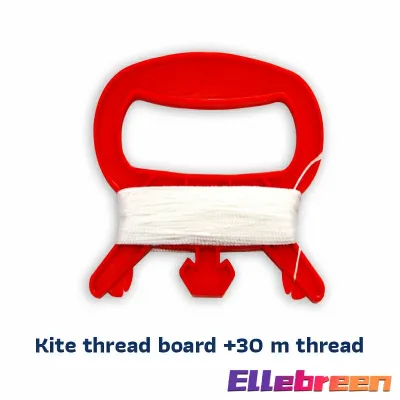
Next, evaluate the design of the included handle or spool. A basic flat plastic winder is common in budget kits, but it can be uncomfortable to hold during long flying sessions. Look for spools with ergonomic grips that fit comfortably in your hand, preventing hand fatigue as you manage the kite’s pull. The edges of the winder should be completely smooth; rough plastic seams can easily chafe your fingers or, worse, cut through the flying line under tension. Additionally, a good winder should feature built-in line locks or notches to secure the string at your desired length, preventing accidental unwinding.
You should also check the manufacturer’s specifications for the line’s length and tensile strength, usually measured in pounds (lbs) or kilograms (kg). The included string should match the size of the kite and the wind conditions it is rated for. For small children’s kites, a 30-lb to 50-lb test line is standard and safe. For larger delta or parafoil kites that generate significant pull, a line rated at 80 lbs or higher is necessary to prevent sudden snapping. While the included string is perfectly fine for casual, low-wind flights, investing in a separate, higher-grade braided dacron line on a larger hoop spool can greatly improve control and safety for larger kites or stronger wind conditions.
Safe Setup and Flying Tips for Tropical Weather
Flying a kite in the Philippines offers wonderful opportunities to enjoy natural coastal breezes, but our tropical climate requires specific safety precautions and preparation. Before heading out, you must establish clear safety boundaries to protect yourself, your equipment, and those around you. Always prioritize safety over the excitement of launching your new kite.
The most critical safety rule is to never fly a kite near overhead power lines, electrical substations, busy roads, or airports. If a kite or its string makes contact with a power line, it can cause severe electrical shock or localized power outages. Additionally, monitor local weather forecasts closely; tropical afternoons can quickly bring sudden thunderstorms. Never fly a kite when rain is approaching or during a storm, as a wet string can act as a conductor for lightning, posing a lethal hazard.
When you arrive at your chosen flying site, such as an open field or a wide beach, take a moment to assess the wind conditions. Tropical coastal breezes are often steady and predictable, which is ideal for kite flying, whereas inland wind can be gusty and turbulent due to trees and buildings. To set up your kite safely, always refer to the manufacturer’s instructions for your specific model. Securely assemble the frame, ensuring all spars are fully seated in their pockets, and tie the flying line securely to the designated tow point or bridle loop using a reliable knot, such as a lark’s head knot.
For a successful launch, stand with your back to the wind and hold the kite up, letting the breeze catch the sail. If the wind is sufficient, the kite will begin to lift from your hands. Slowly let out the line, maintaining gentle tension, and walk backward to help the kite climb into steadier, higher air currents. If the kite begins to pull excessively hard, if the wind becomes violently gusty, or if you notice any fraying on the included string, take this as a stop condition. Land the kite immediately, inspect your gear, and wait for safer, more manageable wind conditions before attempting to fly again.
Frequently Asked Questions (FAQ)
Can I use fishing line or sewing thread if the string breaks?
Using fishing line or sewing thread as a substitute for proper kite string is highly discouraged due to safety and performance risks. Fishing line is designed to be nearly invisible and thin, which makes it extremely dangerous in a public park or beach; it can easily slice through skin or cause severe friction burns to your hands or bystanders under tension. It also lacks the necessary stretch, making it prone to snapping suddenly under the dynamic gusts of wind. Sewing thread is simply too weak to withstand the aerodynamic pull of even a small kite, resulting in a snapped line that will lose your kite and create unwanted litter in the environment. Always replace broken lines with braided nylon or polyester string specifically rated for kite flying.
How do I untangle the included string without damaging it?
Untangling a knotted kite line requires patience and a gentle touch to avoid ruining the fibers. Never pull forcefully on a knot, as tightening it will weaken the synthetic fibers and create permanent, structural kinks in the line that make it susceptible to snapping later. Instead, find a clean, flat, and smooth surface to lay the tangled section down, away from grass or twigs that could catch the string. Use your fingers or a blunt, smooth tool like a plastic toothpick to gently loosen the loops of the knot from the center outward. Once the loops are loose, carefully feed the free end of the line through them to unravel the tangle, then wind the line back onto the spool under slight, even tension to ensure smooth deployment on your next flight.
Community discussion
Share your experience or ask a question. Comments are reviewed before publication.