
When planning an outdoor getaway, choosing the right shelter is the foundation of a successful trip. If you are shopping for a family or a group of friends, you will likely look at tents rated for six to eight people. However, the physical reality of these shelters rarely matches the mental image of a spacious cabin. A tent rated for six to eight people is designed to fit that exact number of standard sleeping bags laid side-by-side on the floor, with absolutely no space left over for luggage, walking paths, or personal elbow room.
For campers in tropical climates like the Philippines, where high humidity and sudden downpours are common, crowding the maximum number of people into a tent can quickly lead to an uncomfortable, stuffy night. To ensure your camping trip remains enjoyable, it is essential to understand how manufacturer capacity ratings work, how to calculate your actual floor space requirements, and how tent geometry affects your overall comfort.
Why a 6-8 Person Tent Might Feel Crowded
The outdoor gear industry uses a standardized method to determine tent capacity, but this standard is built on survival and space optimization rather than comfort. When a manufacturer labels a tent as a “6-person” model, they calculate the maximum number of standard adult sleeping pads that can physically tile the floor. These pads are typically narrow, measuring around 50 to 55 centimeters in width. In this scenario, campers must sleep shoulder-to-shoulder, with their heads and feet touching the tent walls, leaving no room to turn over, let alone store a backpack or a pair of shoes.
Products mentioned in this guide
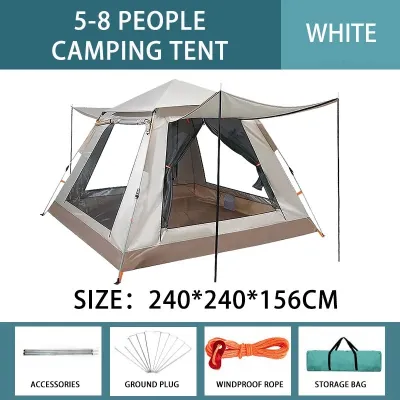
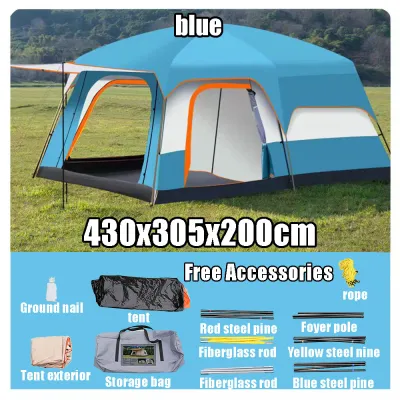
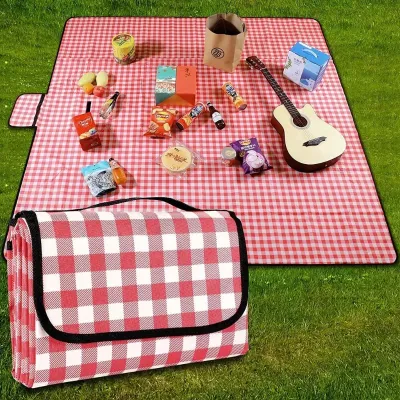
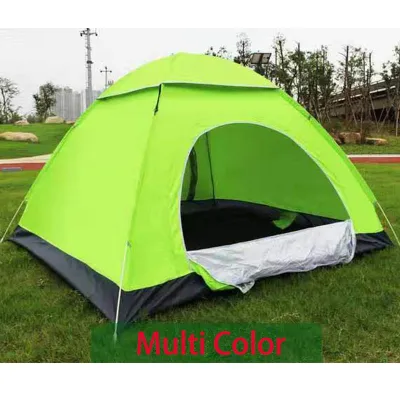
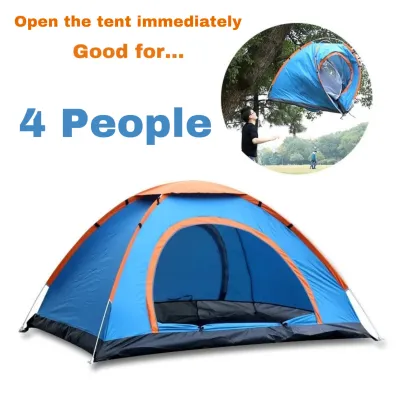
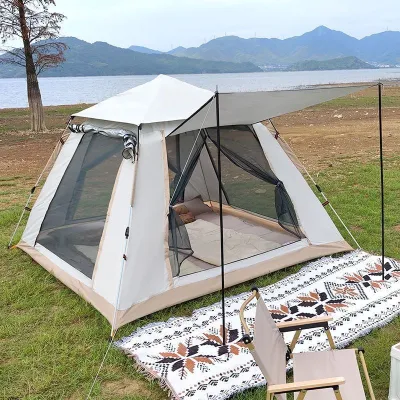

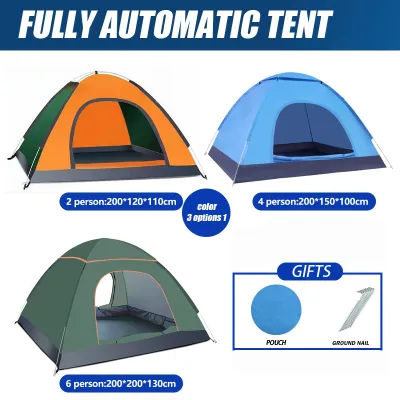
Prices are valid at publication and may change. Please refer to the product page for the latest price.
To avoid a cramped and sleepless night, experienced campers rely on the “minus-two rule.” This simple guideline suggests subtracting two people from any manufacturer’s stated capacity to find the true, comfortable capacity of the tent. Under this rule, a six-person tent is ideal for four campers, while an eight-person tent comfortably accommodates six. This extra breathing room is especially critical in warm, humid environments, where close physical proximity to other warm bodies can make the interior temperature rise rapidly.
Additionally, there is a major design difference between backpacking tents and car camping tents. Backpacking models prioritize weight reduction, utilizing ultra-light fabrics and tapered shapes that minimize floor area. Car camping tents, which are the standard choice for family trips to scenic spots in Rizal or Batangas, are designed with livability in mind. They feature heavier, more durable materials and larger footprints, but they still require careful planning to ensure everyone has enough space to sleep comfortably.
Calculating the Real Floor Space You Need
To determine if a tent will fit your group, you must look past the person-capacity label and analyze the actual floor dimensions. A typical six-person tent features a square floor plan measuring roughly 3 by 3 meters (10 by 10 feet), providing about 9 square meters of total area. An eight-person tent is usually rectangular, often measuring around 4.2 by 3 meters (14 by 10 feet), which yields approximately 12.6 square meters of floor space.

When you compare these dimensions to standard sleeping setups, the space shrinks rapidly. A standard single camping pad or air mattress takes up about 190 by 60 centimeters. However, many modern campers prefer the comfort of a queen-size air mattress, which measures roughly 203 by 152 centimeters. If you place a single queen-size mattress inside a 3 by 3-meter tent, it immediately consumes more than one-third of the available floor space. Attempting to squeeze two queen mattresses into the same tent will leave almost no room to stand, walk, or store gear.
The way you arrange your sleeping gear also impacts usable space. A side-by-side configuration is the most common, but it requires campers on the ends to climb over others to reach the door. A head-to-toe arrangement can sometimes offer slightly more shoulder room, but it does not solve the issue of floor clutter.
Furthermore, irregular floor shapes can severely limit your layout options. While a perfect rectangle allows you to place rectangular sleeping pads flush against the walls, many dome tents feature hexagonal, octagonal, or tapered floor plans. These angled corners create awkward, triangular gaps of wasted space where standard sleeping pads cannot fit, reducing the actual usable sleeping area far below the manufacturer’s advertised square footage.
Evaluating Headroom and Interior Layouts
Floor area is only one part of the comfort equation; vertical space and tent geometry play an equally important role in how spacious a tent feels. Tents generally fall into two design categories: cabin-style and dome-style. Cabin-style tents feature near-vertical walls and a high, flat ceiling, creating an interior that feels like a standing-room cabin. Dome-style tents utilize curved poles that slope steeply from a single center point, resulting in walls that lean inward.
This structural difference affects how you move inside the shelter. A dome tent might advertise a peak height of 180 centimeters, but that height is only available at the absolute center of the tent. As soon as you step away from the center, the sloping walls force you to bend over. In a cabin-style tent, the vertical walls allow you to walk upright across almost the entire floor plan, making it much easier to change clothes, organize gear, and move around without bumping into your tentmates.
However, higher headroom comes with distinct engineering trade-offs. Tall, vertical-walled cabin tents act like large sails in windy conditions. During the monsoon season in the Philippines, sudden tropical gusts can put immense stress on a tall tent’s frame, making sturdy stakes and secure guy lines absolutely essential. Additionally, cabin tents are heavier, require more poles, and have a more complex setup process than a simple, aerodynamic dome tent, which naturally sheds wind and rain much more effectively.
Factoring in Gear Storage and Living Areas
A common mistake among novice campers is forgetting to account for luggage and personal items when calculating tent size. If you have five campers in an eight-person tent, you also have five duffel bags, five pairs of shoes, and various personal items like water bottles, flashlights, and toiletries. If all of this gear is stored inside the main sleeping cabin, your spacious tent will quickly feel cluttered and disorganized.
To keep your sleeping area clear, look for tents that feature a vestibule. A vestibule is an outer awning or porch area created by the tent’s rainfly. It serves as a dedicated mudroom where you can store dirty hiking boots, wet rain jackets, and bulky gear bags outside the main sleeping compartment. This is particularly valuable in tropical climates, where keeping damp gear outside the sleeping area helps control humidity and prevents the interior from smelling musty.
Inside the tent, built-in storage solutions are invaluable for maximizing floor space. Many high-quality tents include gear lofts—mesh hammocks that clip to the ceiling—and wall pockets. Utilizing these overhead and wall-mounted storage options keeps small, easily lost items like phones, keys, and headlamps off the floor, leaving every square centimeter of the floor plan available for sleeping.
Finally, always plan your interior layout to leave a designated central clearing near the main entrance. Having a small, unobstructed zone allows campers to step inside, remove their shoes, and transition into the sleeping area without stepping on sleeping pads or tracking dirt onto clean bedding.
How to Choose the Right Tent Size for Your Group
Selecting the perfect tent size requires a realistic assessment of your group’s habits, gear, and camping style. To make an informed decision, use a practical checklist that balances your specific needs against the tent’s physical specifications.
First, evaluate your group’s composition. A family of four with two young children will have very different space requirements than four adult friends who value personal privacy. If your group consists entirely of adults, or if you plan to spend multiple days at a single campsite, upgrading to a larger tent size or splitting the group into two smaller tents is often the best approach. Pitching two four-person tents instead of one massive eight-person tent offers several advantages: it provides more privacy, makes it easier to find flat ground on uneven terrain, and fits better on standard wooden campsite platforms.
Second, consider the weather conditions of your destination. In hot, humid regions, extra interior space is not just a luxury—it is a functional necessity. A larger tent volume allows for better air circulation, which helps dissipate body heat and reduces the buildup of condensation on the inner walls during cool, damp nights.
Before making your final purchase, always bypass the marketing labels and verify the exact floor dimensions and peak height on the manufacturer’s specification sheet. Measure your sleeping pads and air mattresses at home, and sketch out a quick layout on paper to ensure everything will fit comfortably. Taking the time to verify these measurements beforehand guarantees that your chosen shelter will provide the real-world space and comfort your group needs for a memorable outdoor adventure.
Frequently Asked Questions (FAQ)
Can a 6-8 person tent fit two queen air mattresses?
Most standard eight-person tents, which typically measure around 4.2 by 3 meters, can physically accommodate two queen-size air mattresses. However, doing so will consume almost the entire floor area, leaving virtually no room for walking paths, gear storage, or changing clothes. For a standard six-person tent (usually measuring 3 by 3 meters), fitting two queen-size air mattresses is extremely difficult or physically impossible due to the sloping walls of dome designs, leaving zero clearance around the beds.
Is a 6-8 person tent too big for a family of four?
A six-to-eight-person tent is actually the ideal size for a family of four seeking a comfortable and stress-free camping experience. This size provides ample room for two adults and two children to sleep without feeling cramped, while leaving dedicated space for luggage, toys, and a central changing area. The primary trade-offs are a heavier carrying weight, a larger packed size in your vehicle’s trunk, and a slightly longer setup time, but the added comfort and livability—especially during a sudden tropical downpour—make it a highly practical choice.

Community discussion
Share your experience or ask a question. Comments are reviewed before publication.