
The choice between rebreakable plastic boards and traditional wood boards for Taekwondo depends entirely on your current training phase, practice volume, and specific goals. Rebreakable boards are highly effective for high-frequency repetition, technique refinement, and building confidence in beginners. In contrast, traditional wood boards remain the standard for official belt testing, advanced power development, and authentic impact conditioning. By evaluating your skill level, how often you practice breaking techniques, and your long-term budget, you can select the breaking board taekwondo option that best supports your martial arts progression.
Choosing the wrong type of board can stall your progress or lead to unnecessary expenses. For instance, practicing daily with single-use wood boards can quickly drain your training budget, while relying solely on plastic boards might leave you unprepared for the unique resistance of wood during a formal promotion test. Understanding how these materials behave under impact allows you to structure your training sessions safely and efficiently.
Understanding Material and Mechanical Differences
To make an informed decision, you must first understand how these two options differ in their physical construction and how they respond to physical force. Traditional wood boards are harvested from natural timber, meaning their structural integrity relies on organic fibers and grain patterns. When you strike a wood board, the force must exceed the natural shear strength of the wood grain to split the board cleanly in two. This creates a distinct, sudden release of resistance that many martial artists associate with a successful, clean technique.
Products mentioned in this guide
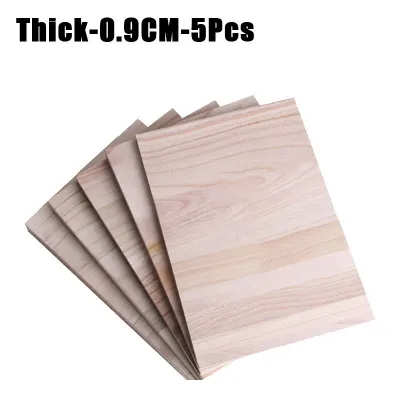
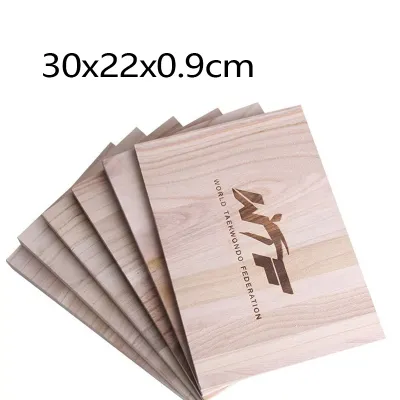
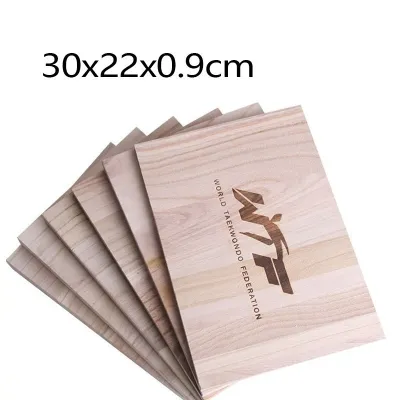
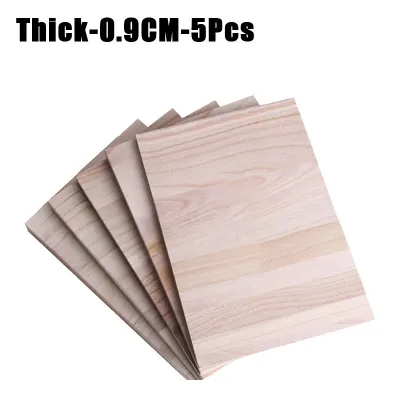
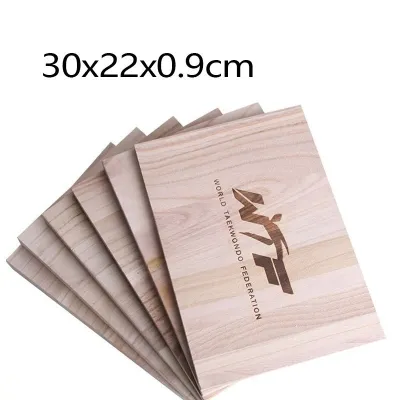
Prices are valid at publication and may change. Please refer to the product page for the latest price.
Rebreakable boards, on the other hand, are engineered from high-impact plastic polymers and feature an interlocking joint down the center. Instead of fracturing the material itself, your strike must slide or snap these joints apart. The mechanical resistance is determined by the design of the interlocking teeth and the rigidity of the plastic. This means the board does not break in a structural sense; rather, it unlatches under a specific threshold of kinetic energy and can be slid back together for the next attempt.
Because of these structural differences, the tactile feedback of each board is highly distinct. Wood offers a rigid, unyielding resistance up to the exact millisecond of the break, providing immediate sensory feedback through your knuckles or foot. Rebreakable boards can sometimes feel slightly more elastic or forgiving, absorbing a portion of the initial shock before the joint releases. It is important to note that the exact force required to break either type of board varies significantly by manufacturer, material density, and board thickness. Practitioners should always check specific product labels and specifications rather than relying on general assumptions about difficulty levels.
Matching Boards to Your Skill Level and Goals
Your current rank and training objectives should dictate which board you reach for during practice. For beginners, children, and those recovering from minor injuries, rebreakable boards are exceptionally valuable. Failed breaks on traditional wood can result in painful bruising, swelling, or joint strain because the wood absorbs and reflects the impact energy back into the limb if it does not split. Rebreakable boards designed for lower resistance levels allow novice students to focus entirely on proper alignment, speed, and follow-through without the psychological fear of injury.

As practitioners transition to intermediate and advanced levels, the training focus shifts toward power generation and bone conditioning. Traditional wood boards become essential at this stage because they do not yield to glancing blows or improper angles in the same way plastic joints might. Breaking wood requires a precise combination of speed, mass, and structural alignment. The natural resistance of the wood fibers forces the martial artist to condition their striking surfaces—such as the knuckles, instep, or heel—to withstand sudden, hard impacts.
Furthermore, your long-term goals within a specific Taekwondo school or federation will influence your choice. Official belt testing, promotional exams, and sanctioned tournament competitions almost universally mandate the use of traditional wood boards. These organizations typically enforce strict guidelines regarding the exact wood species, dimensions, and grain orientations allowed for each age group and rank. Training occasionally with wood ensures that you are accustomed to the exact feel, sound, and resistance you will encounter under the pressure of an official evaluation.
Evaluating Training Frequency and Long-Term Value
Financial considerations play a major role when equipping a home training space or a commercial dojang. Traditional wood boards are single-use items; once split, they cannot be used again for breaking practice. While a single wood board is relatively inexpensive, the recurring cost of purchasing them in bulk for daily or weekly drilling sessions can accumulate rapidly over several months. For dedicated students who practice breaking techniques multiple times a week, relying solely on wood can become a significant financial burden.
Rebreakable boards require a higher upfront investment, but they offer substantial long-term savings for high-volume training. A single high-quality plastic board can be put back together hundreds of times, making the cost per break exceptionally low over its lifespan. This makes rebreakable options highly economical for students who need to perform dozens of repetitions to perfect a complex spinning or jumping kick. The initial purchase price is quickly offset by the elimination of constant restocking fees and shipping costs associated with heavy wood shipments.
However, practitioners must also evaluate the practical lifespan of rebreakable boards. Although they are designed for repeated use, the plastic interlocking joints are not completely immune to wear and tear. Over time, the constant friction and impact can cause the plastic teeth to stretch, deform, or lose their original tension. In tropical environments with high humidity and ambient heat, such as the Philippines, plastic materials can degrade or soften if stored improperly. This gradual wear alters the breaking threshold, meaning a board that once required significant force may eventually snap too easily, requiring a replacement to maintain training integrity.
When to Choose Rebreakable Plastic Boards
Rebreakable plastic boards are the ideal choice for specific training scenarios where convenience, repetition, and portability are the primary priorities. If you are setting up a home practice area in a living room or garage, these boards allow you to drill your techniques daily without generating a constant pile of broken wood waste. They are also highly portable, making them easy to pack into a gear bag for seminars, outdoor training sessions, or demonstrations where carrying heavy bundles of wood is impractical.
These boards are also excellent tools for warming up before a heavy impact session or a demonstration. Performing a few successful breaks on a medium-resistance plastic board helps activate the target muscle groups, refines your spatial awareness, and builds the mental confidence needed for more challenging breaks. However, users must remain aware of their limitations. Rebreakable boards do not replicate the authentic grain resistance of natural wood, and they cannot be used to satisfy the requirements of official grading syllabi.
To maximize the safety and lifespan of your plastic boards, always adhere to the manufacturer’s guidelines. This includes verifying the recommended age limits, weight limits, and temperature storage conditions. Storing plastic boards in direct sunlight or inside a hot car in tropical climates can cause the polymer to warp or become brittle, increasing the risk of unexpected cracking during a strike.
When to Choose Traditional Wood Boards
Traditional wood boards are irreplaceable when authenticity, precision, and official standards are required. If you are preparing for an upcoming belt promotion, a public demonstration, or a high-level competition, practicing on the exact material you will face during the event is critical. The unique structural feedback of wood teaches you to commit fully to the strike, as any hesitation or deceleration will result in a failed break and potential discomfort.
Using wood also introduces practical considerations that require careful planning. After a breaking session, you must safely manage the resulting debris, which often includes sharp splinters and unevenly split pieces. Additionally, storing an inventory of unbroken wood boards requires a dry, climate-controlled space. In humid regions like the Philippines, wood boards can easily absorb moisture from the air, which increases their elasticity and makes them significantly harder to break cleanly. Ensuring your storage area is free from dampness is essential for maintaining consistent board quality.
Before purchasing wood boards in bulk, always consult with your instructor or review your specific Taekwondo organization’s rulebook. You must verify the exact wood species, the required thickness, and the correct grain direction. Aligning your practice materials precisely with these official standards ensures that your training translates directly to success on exam day.
Pre-Purchase Specification Checklist
Before purchasing any breaking board taekwondo accessories online or at a local martial arts supply store, review this practical checklist to ensure compatibility and safety:
- Dimensions: Verify the length, width, and thickness of the board. Ensure it fits securely into your existing board holders or breaking stations, and matches the physical size of the practitioner's hands or feet.
- Material Composition: Check the specific type of wood or the grade of plastic used. Look for manufacturer warnings regarding environmental limits, particularly temperature and humidity thresholds that could affect the material's structural behavior.
- Breaking Direction: Confirm how the board is designed to break. For wood, you must identify the grain direction to ensure you strike across or along the correct axis. For plastic, verify the alignment of the snap-joints to ensure your strike lands perpendicular to the seam.
- Resistance Rating: For rebreakable boards, check the color-coded resistance level to ensure it aligns with your current physical capability and training goals.
Frequently Asked Questions (FAQ)
Can I use rebreakable boards for official Taekwondo belt testing?
Most official Taekwondo governing bodies and traditional schools do not permit the use of rebreakable plastic boards for formal belt promotions or rank examinations. Traditional testing syllabi rely on wood boards to maintain a standardized level of difficulty and preserve the historical heritage of the martial art. You should always consult your school’s specific syllabus or your national federation’s official rulebook to verify their testing requirements before purchasing practice materials.
How do I safely dispose of broken wood boards?
Disposing of broken wood boards requires caution to prevent injuries from sharp splinters, rough edges, and protruding wood fibers. After a training session, wear heavy-duty protective gloves to gather all the broken pieces and sweep up any small splinters left on the floor. Place the debris into thick, heavy-duty waste bags to prevent punctures, and check your local municipal waste management guidelines to determine if the wood can be recycled, composted, or disposed of with regular household trash.
Do rebreakable boards lose their snapping resistance over time?
Yes, rebreakable boards will gradually lose their original snapping resistance after repeated use. The constant impact and friction of sliding the joints apart cause the plastic interlocking teeth to stretch, wear down, or slightly deform over time. Regularly inspect the locking mechanism for visible stress fractures, discoloration, or loose fitment, and replace the board once it no longer provides consistent resistance or fails to lock securely.
Community discussion
Share your experience or ask a question. Comments are reviewed before publication.