
Choosing the right headlamp can mean the difference between navigating a tricky, root-covered trail safely and being left completely in the dark. For outdoor enthusiasts planning treks through dense forests or high-altitude ridges, selecting between a rechargeable headlamp and a traditional battery-powered model is a critical gear decision. The ideal choice depends on your typical trip duration, your access to power sources, and the environmental conditions you expect to encounter. While one system offers modern convenience and long-term savings, the other provides reliable performance in remote areas without electricity.
In tropical environments, where high humidity, sudden downpours, and remote mountain trails are common, your lighting gear must be resilient. A headlamp is a primary safety tool for early morning summit climbs or unexpected delays on the trail. Understanding how each power system behaves under real-world conditions allows you to match your gear to your specific hiking style, ensuring you are never caught unprepared when the sun goes down.
Power Delivery and Runtime Management
The way a headlamp manages its power output directly affects how well you can see as your trip progresses. Rechargeable headlamps typically utilize lithium-ion or lithium-polymer batteries, which deliver a regulated power output. This means the headlamp maintains a consistent level of brightness throughout most of the battery’s charge cycle. However, once the battery is nearly depleted, the light output drops suddenly, sometimes leaving you with only a dim reserve light or turning off completely without warning. To avoid sudden darkness on a technical trail, actively monitor the headlamp’s built-in battery life indicators and adjust your brightness settings.
Products mentioned in this guide
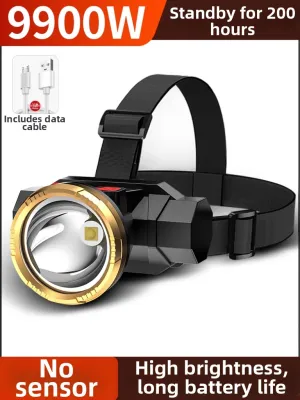
1,042 Lazada user ratings
The price is great, it looks fantastic, and the brightness at night is pretty good. The headband fits just right, and the battery life is so…Read full reviewShow less
The price is great, it looks fantastic, and the brightness at night is pretty good. The headband fits just right, and the battery life is solid—used it all night and still had some left. Definitely worth having!
This flashlight is great! I charged it right away, it's a good deal and really worth it. The seller has a really nice attitude. If you like …Read full reviewShow less
This flashlight is great! I charged it right away, it's a good deal and really worth it. The seller has a really nice attitude. If you like it, go ahead and get it!
The little light is super bright and really easy to wear. I'm curious to see how long the battery lasts, so I'll check back later with an up…Read full reviewShow less
The little light is super bright and really easy to wear. I'm curious to see how long the battery lasts, so I'll check back later with an update.
I've bought this several times now; it has a lot of features and is super bright, making it perfect for use at night in the countryside.
The three brightness settings are super handy. The product is functional, made of sturdy material, and has good quality.
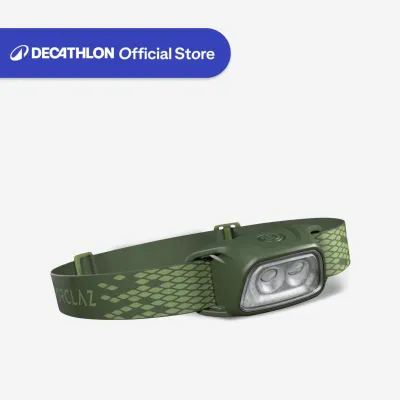
17 Lazada user ratings
Sturdy construction, Rechargeable battery, Good value for money, Easy to use, Perfect for hiking, Water resistant, Water resistant, 🔋Battery…Read full reviewShow less
Sturdy construction, Rechargeable battery, Good value for money, Easy to use, Perfect for hiking, Water resistant, Water resistant, 🔋Battery Life:Can last 8 hours constant use. As long as its charge for 3 hours. Very reliable head lamp. 💡Brightness:Is up to 120 lumens. So perfect for treking mountains and workplace. Has a red light option as well in order to for the user's eyes to easily adapt to dark environment.
Easy to use, Fast shipping, 💡Brightness:Bright and Wide coverage 🎧Comfort:flexible headpiece good for my size 🔋Battery Life:lasts long with …Read full reviewShow less
Easy to use, Fast shipping, 💡Brightness:Bright and Wide coverage 🎧Comfort:flexible headpiece good for my size 🔋Battery Life:lasts long with low settings
the item wasn’t packed too well but it arrived safely and is fully functional. excited to use it
Sturdy construction, Fast shipping,
Good value for money,
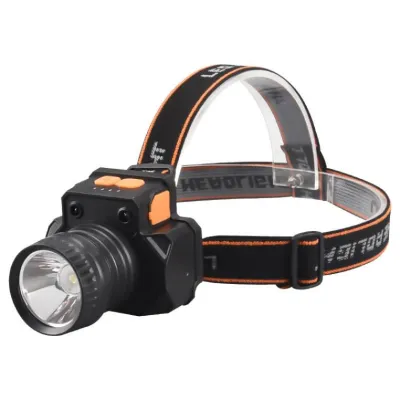
37 Lazada user ratings
ok Naman gumagana magkaibang model ang inorder ko kaya mas mahal ang isa pero parehong model ang dumating your nga mas mura pa
maliit at napakagaan parang laruan lang pero okay naman sya malakas ang ilaw at matagal malobat
Type C charging port, USB rechargeable battery, Lightweight and portable, .
💡Brightness:ok mangada naman sya
nice po thanks
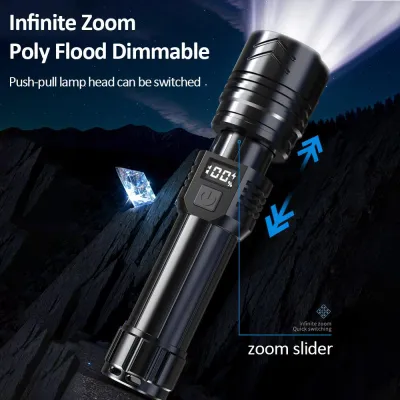
6 Lazada user ratings
🔨Durability:matibay 🔋Battery Life:matagal bago malowbat 💡Brightness:napakaliwanag
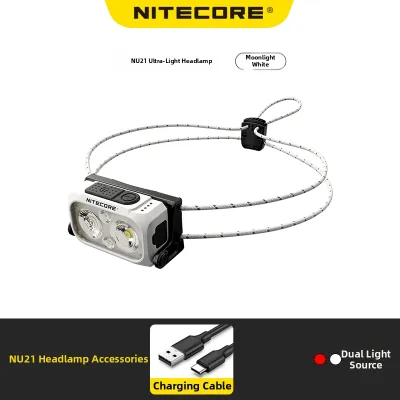
19 Lazada user ratings
Everything looks good. All buttons and click features are working, but I have yet to test its durability and usage endurance in real world s…Read full reviewShow less
Everything looks good. All buttons and click features are working, but I have yet to test its durability and usage endurance in real world scenarios... may reason na umakyat ulit 😄. Definitely lighter than my HA11 (considering the HA11 is already featherlight), brighter max light output and fit is similar (with ha11) but the NU21 is more stable in the forehead. First impressions are great!
🎧Comfort:different light modes 🔋Battery Life:havent tried yet 💡Brightness:very bright. good for hiking and camping and night trekking. seen …Read full reviewShow less
🎧Comfort:different light modes 🔋Battery Life:havent tried yet 💡Brightness:very bright. good for hiking and camping and night trekking. seen several trail runners use the same product
Looks durable and seems like it will last for hours. I’ll be using it for my upcoming trail run. Looking forward to testing it out!
legit Brand New lightweight Headlamp
Good. All functioning. Thanks
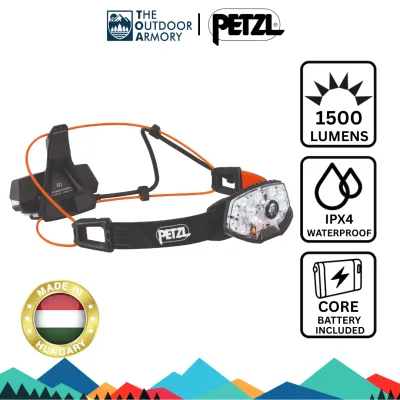
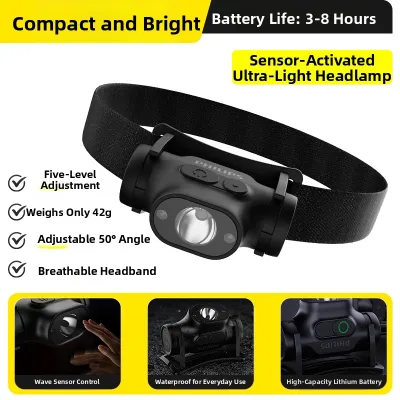
23 Lazada user ratings
🎧Comfort:10 🔋Battery Life:10 💡Brightness:10 working properly .
🎧Comfort:10 🔋Battery Life:10 💡Brightness:100000
Perfect for evening outings, super bright!
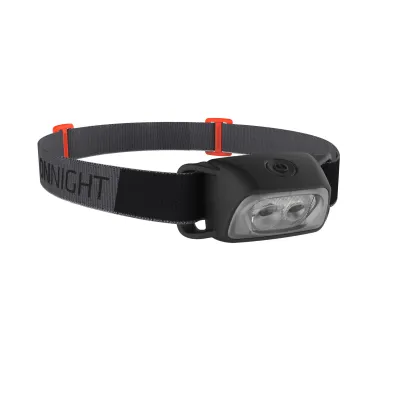
835 Lazada user ratings
💡Brightness:maayos ung ilaw nya..maliwanag 🔋Battery Life:hindi ko pa alam ganung katagal ang itatagal ng battery nya 🎧Comfort:maganda ung pi…Read full reviewShow less
💡Brightness:maayos ung ilaw nya..maliwanag 🔋Battery Life:hindi ko pa alam ganung katagal ang itatagal ng battery nya 🎧Comfort:maganda ung pinka strap nya malambot s ulo yung packaging lang talaga iisipin mo basura na itatapon consistent ang decathlon sa packaging nya ung walang bubble wrap at mukhang basta,pero maayos nman ang parcel...thanks kay kuya rider
🎧Comfort: 10/10 💡Brightness: 9/10 Excellent value for money. Thanks seller :) Much better if there’s a protective box since it has a glass/p…Read full reviewShow less
🎧Comfort: 10/10 💡Brightness: 9/10 Excellent value for money. Thanks seller :) Much better if there’s a protective box since it has a glass/plastic component that’s breakable.
received the wrong item, and it's hard to reach out for their cx service, always an automated response. Didn't even offer any consolation in…Read full reviewShow less
received the wrong item, and it's hard to reach out for their cx service, always an automated response. Didn't even offer any consolation in what happened.
Comfortable and easy to use, Highly recommended for trekking enthusiasts, 🔋Battery Life:👌🏽
Prices are valid at publication and may change. Please refer to the product page for the latest price.
Conversely, traditional battery-powered headlamps relying on disposable alkaline or lithium AA/AAA batteries exhibit a very different discharge curve. These systems generally use unregulated power, resulting in a gradual dimming effect over time. As the batteries drain, the light slowly loses its intensity, transitioning from a bright spotlight to a soft, low-lumen glow. While this means you will rarely be left in sudden darkness, it also means your usable high-output light decreases steadily from the moment you turn the device on. The actual runtime of these headlamps is highly dependent on the battery chemistry you choose. Alkaline batteries are inexpensive but lose power quickly in high-drain devices, whereas disposable lithium batteries offer a flatter discharge curve and improved performance in cold temperatures.
To make an informed decision, always look beyond the maximum lumen and runtime numbers printed on the packaging. Manufacturers often advertise peak brightness alongside maximum runtime, but these two metrics rarely occur simultaneously. Before purchasing, examine the manufacturer’s detailed runtime charts to see how many hours the headlamp can actually sustain a usable brightness level on its medium and low settings.
Weight, Bulk, and Packing Convenience
When packing for a multi-day trek, every gram counts, and the physical footprint of your lighting system can influence your overall comfort on the trail. Rechargeable headlamps feature integrated battery packs that are designed to be compact and streamlined. Because the battery is built directly into the housing, these units save physical space and eliminate loose, rattling spares in your pack. If you are embarking on a short weekend trip where a single charge is sufficient, a rechargeable headlamp offers a highly efficient, self-contained solution with a fixed, predictable weight.

On the other hand, battery-powered headlamps often feature a lighter base unit because they do not require heavy internal charging circuitry. However, this weight advantage quickly disappears on longer, multi-day expeditions. To ensure safety over several nights, you must pack multiple sets of spare batteries, which adds physical bulk and increases your total pack weight. Furthermore, loose batteries must be carefully protected from moisture and accidental contact with metal objects to prevent short-circuiting.
To optimize your load, it is highly practical to weigh your entire lighting system as a complete kit rather than comparing the bare headlamps alone. Use a digital kitchen scale to weigh the rechargeable headlamp alongside its required charging cable and a compatible power bank. Compare this total to the weight of the battery-powered headlamp combined with the exact number of spare batteries required for your trip duration. This practical comparison will reveal the true weight impact on your backpack, helping you choose the most efficient setup for your specific itinerary.
Reliability and Charging Access in Remote Areas
The environmental conditions of your destination should heavily influence your choice of power source. Rechargeable headlamps are exceptionally convenient for basecamp-style camping or structured treks where you have access to portable solar panels, power banks, or trail shelters with electrical outlets. However, their reliance on USB charging means that if your power bank fails, gets wet, or runs out of capacity, your primary light source becomes useless. Additionally, extreme temperatures can severely impact lithium-ion battery performance. In high-altitude areas where temperatures can drop significantly overnight, rechargeable batteries can experience rapid self-discharge, reducing your available runtime. Always verify the manufacturer’s operating temperature specifications if you plan to hike in cold climates.
For off-grid, deep-wilderness expeditions where charging is impossible, battery-powered headlamps remain the traditional standard for reliability. Carrying a few extra sets of disposable batteries guarantees that you can restore your light to 100% capacity in seconds, regardless of the weather. This instant power restoration is a critical safety factor during emergency situations or prolonged night navigation. Additionally, standard AA or AAA batteries offer excellent cross-compatibility, allowing you to swap them into other essential gear like GPS units or handheld radios.
Regardless of which system you choose, mechanical and environmental failures can still occur on the trail. Dust, sweat, and tropical humidity can corrode battery contacts over time, leading to flickering or complete power failure. Before every trip, inspect the battery compartment for corrosion and clean the contacts. Most importantly, always carry a compact, lightweight backup light source to ensure you can navigate safely if your primary headlamp fails.
Upfront Cost and Long-Term Value
Evaluating the financial aspect of your headlamp requires looking at both the initial purchase price and the ongoing operational costs over several years. Rechargeable headlamps generally command a higher upfront price, with quality models often ranging from ₱1,500 to ₱3,500 or more depending on their lumen output and water-resistance ratings. However, because you do not need to purchase disposable batteries, a rechargeable unit can quickly pay for itself if you hike or camp frequently. Over dozens of trips, the savings on single-use batteries can easily offset the initial investment. The primary long-term drawback is battery degradation; over several years, the internal lithium cell will gradually lose capacity, eventually requiring a replacement.
Battery-powered headlamps offer a much lower entry barrier, with reliable entry-level models available for a fraction of the cost of their rechargeable counterparts. This makes them an appealing option for occasional campers, beginners, or those assembling an emergency kit. However, the ongoing cost of purchasing high-quality disposable batteries can accumulate rapidly if you use the headlamp regularly. From an environmental perspective, single-use batteries contribute significantly to chemical waste and require proper disposal to prevent environmental contamination.
To determine which option offers the most suitable value for your lifestyle, estimate your annual trail hours. If you only camp once or twice a year for a couple of days, a battery-powered headlamp using inexpensive, long-shelf-life batteries is highly cost-effective and will remain ready for action even after months of storage. If you are an active hiker hitting the trails multiple times a month, the convenience, environmental benefits, and long-term cost savings of a rechargeable model make it a highly practical and cost-effective investment.
Decision Framework: Which Headlamp Should You Choose?
To finalize your decision, evaluate your typical hiking habits against the specific strengths of each power system. Your choice should align with your comfort level regarding gear maintenance, your packing style, and the environments you plan to explore.
Choose a rechargeable headlamp if you primarily go on weekend trips, day hikes, or organized camping trips with access to power. This option is ideal if you already carry a power bank or solar charger, and if you prioritize consistent, regulated brightness while avoiding the ongoing cost of disposable batteries.
Choose a battery-powered headlamp if you embark on multi-day, off-grid expeditions where carrying power banks is impractical. This system is highly practical if you want the security of instant power restoration by swapping in fresh batteries, or if you need a reliable emergency light that can sit in your pack for months.
Consider a hybrid model if you want the added flexibility of both worlds. Many modern manufacturers offer hybrid headlamps that can run on a proprietary rechargeable battery pack or standard AAA batteries, allowing you to use rechargeable power for regular trips while keeping disposable batteries in your pack as a reliable backup.
Before making any purchase, always verify the technical specifications on the manufacturer’s label. Pay close attention to the IPX water resistance rating; for tropical hiking where sudden downpours are common, look for a rating of at least IPX4 (splash-resistant) or ideally IPX7 (waterproof when submerged). Additionally, check the operating temperature limits to ensure the headlamp can handle the specific climate of your destination, whether it is a humid coastal trail or a freezing high-altitude peak.
Frequently Asked Questions (FAQ)
Can I use rechargeable batteries in a standard battery-powered headlamp?
Yes, in many cases you can use rechargeable NiMH (Nickel-Metal Hydride) AA or AAA batteries in a standard headlamp, but you must proceed with caution. Standard disposable alkaline batteries output 1.5 volts, whereas rechargeable NiMH batteries typically output only 1.2 volts. This lower voltage can cause some headlamps to appear dimmer, run less efficiently, or trigger premature low-battery warning lights. Always consult the manufacturer’s user manual or compatibility list before inserting rechargeable cells, as some high-performance headlamps are calibrated specifically for the higher voltage of alkaline or lithium disposables.
How should I store headlamp batteries for long periods?
Proper storage is essential for maintaining battery health and preventing damage to your headlamp. For battery-powered models, always remove the disposable batteries before storing the headlamp for more than a few weeks; alkaline batteries are prone to leaking corrosive acid over time, which can permanently ruin the device’s internal contacts. For rechargeable headlamps, store the unit in a cool, dry place away from direct sunlight. Avoid storing lithium batteries completely empty or fully charged; keeping them at roughly 40% to 60% charge during long periods of inactivity will help preserve their overall lifespan and capacity.
Community discussion
Share your experience or ask a question. Comments are reviewed before publication.