
Choosing a trike bike for adult riders is an excellent way to maintain mobility, improve physical fitness, or run daily errands with added stability. Unlike traditional two-wheeled bicycles, a three-wheeled configuration eliminates the need to balance at slow speeds or when coming to a complete stop. However, because adult trikes come in vastly different designs, selecting the right one requires evaluating your physical comfort, storage space, and riding goals.
An upright trike offers a familiar, high-seated riding position that is perfect for casual neighborhood rides and quick trips to local shops. A recumbent trike features a reclined seat that distributes your weight evenly, making it the ideal choice for riders seeking ergonomic comfort, joint relief, or longer fitness sessions. A cargo trike is built with a heavy-duty frame and a dedicated loading area, serving as a robust utility vehicle for hauling groceries or tools. By understanding the unique characteristics of each style, you can select a trike that fits your lifestyle and physical needs.
Quick Guide: Matching Adult Trike Types to Your Riding Goals
Selecting the right trike configuration depends on your primary riding goals, physical comfort requirements, and storage capabilities. Each of the three main designs—upright, recumbent, and cargo—serves a distinct purpose and comes with specific design trade-offs that influence handling, storage, and comfort.
Products mentioned in this guide
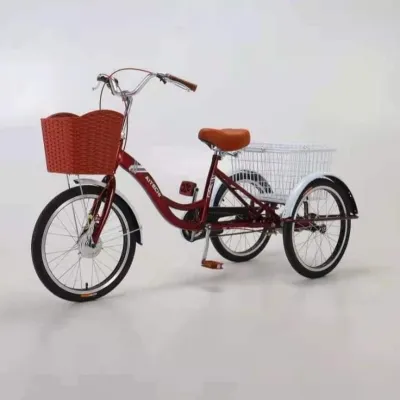

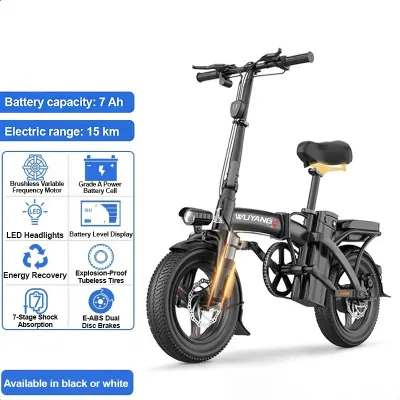
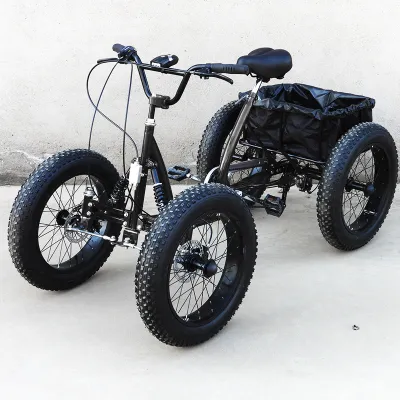
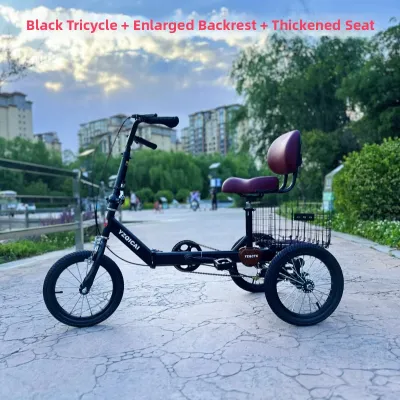
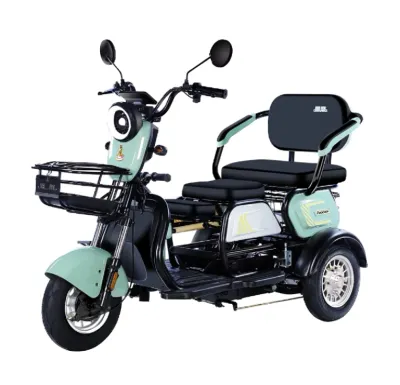
Prices are valid at publication and may change. Please refer to the product page for the latest price.
Upright trikes feature a traditional saddle, high handlebars, and a step-through frame, making them highly accessible for casual leisure and short neighborhood trips. Recumbent trikes position the rider in a reclined, bucket-style seat with the pedals extended forward, prioritizing ergonomic support and aerodynamic efficiency for fitness. Cargo trikes are built with reinforced frames and large cargo beds, designed specifically for heavy hauling and daily utility tasks.
When comparing these configurations, consider the key trade-offs in storage, posture, and maneuverability:
- Storage Space: Upright trikes require moderate garage space, while recumbent and cargo trikes have longer wheelbases that may require dedicated storage areas or specialized transport racks.
- Riding Posture: Upright models offer excellent visibility in traffic but place more pressure on the lower back and wrists. Recumbent models offer superb joint relief but sit much lower to the ground.
- Maneuverability: Upright and recumbent trikes steer quickly on paved paths, whereas cargo trikes require wider turning radiuses and careful speed management when fully loaded.
Upright Trikes: Ideal for Casual Leisure and Local Errands
The upright trike is the most common configuration seen on neighborhood streets and shared paths. It closely mirrors the design of a traditional cruiser bicycle, featuring a high seating position that allows you to ride in a natural, vertical posture. This elevated position provides excellent visibility, making it easy to scan your surroundings, navigate local traffic, and communicate with pedestrians.

One of the primary advantages of an upright trike is the ease of mounting and dismounting. Most models feature a low step-through frame, allowing you to step over the center bar without having to swing your leg high over a rear wheel. This design is highly beneficial for riders with limited hip or knee mobility. Additionally, upright trikes have a relatively compact footprint compared to other three-wheeled designs, making them easier to park in standard residential entryways.
While upright trikes excel at casual riding, they are best suited for flat, paved terrains and relatively short distances. The upright posture puts your body weight directly over the saddle, which can cause discomfort during extended rides. Furthermore, because the center of gravity is higher, riders must slow down significantly when taking sharp corners to prevent the inner wheel from lifting off the ground.
Before purchasing an upright trike, use this checklist to verify that the model fits your physical dimensions:
- Step-through clearance: Measure the lowest point of the frame to ensure you can step over it comfortably without losing your balance.
- Seat adjustability: Verify that the saddle height and angle can be adjusted easily, allowing your knees to remain slightly bent at the bottom of the pedal stroke.
- Handlebar reach: Check that you can grip the handlebars comfortably with relaxed shoulders and without leaning forward excessively.
Recumbent Trikes: Built for Ergonomic Comfort and Fitness
For riders who experience back pain, joint stiffness, or saddle soreness on traditional bicycles, a recumbent trike offers an incredibly comfortable alternative. By placing the rider in a reclined, bucket-style seat, these trikes distribute body weight evenly across the back and buttocks. This ergonomic design eliminates pressure points on the tailbone, reduces strain on the wrists and neck, and provides full lumbar support, allowing for longer, pain-free fitness sessions.
Beyond comfort, recumbent trikes offer distinct performance advantages due to their low profile. The low center of gravity makes these trikes exceptionally stable, virtually eliminating the risk of tipping over during turns. This stability allows riders to focus entirely on their pedaling technique and cardiovascular workout. The aerodynamic profile also reduces wind resistance, making it easier to maintain consistent speeds on open roads.
However, the unique shape of a recumbent trike introduces specific spatial considerations. The extended wheelbase and wider track mean these trikes require a substantial amount of storage space. They do not fit easily into standard hallways or narrow storage sheds. Transporting a recumbent trike to a park or trail often requires a folding frame model, a large utility vehicle, or a specialized heavy-duty rack mounted to your car.
To ensure a proper fit and optimal comfort on a recumbent trike, perform these adjustability checks:
- Boom length: Verify that the frame's telescoping front boom can be adjusted precisely to match your inseam, preventing knee strain.
- Seat mesh tension: Check if the seat material features adjustable straps to customize the level of lumbar and upper back support.
- Pedal reach: Ensure your feet can rest securely on the pedals throughout the entire rotation without stretching or straining your ankles.
Cargo Trikes: Designed for Hauling and Heavy Utility
When your primary goal is transporting goods, groceries, tools, or even pets, a dedicated cargo trike is the most capable tool for the job. These trikes are engineered with reinforced frames, heavy-duty wheels, and specialized cargo areas designed to handle substantial payloads that would easily destabilize a standard upright or recumbent model.
Cargo trikes generally come in two primary layouts, each offering distinct handling characteristics:
- Front-loading layouts: Often called tadpole cargo trikes, these position the cargo box between the two front wheels. This design keeps your cargo directly in your line of sight, making it easy to monitor pets or valuable items while riding.
- Rear-loading layouts: These feature a traditional delta configuration with a large basket or flatbed platform positioned behind the rider. This layout handles more like a standard trike and keeps the front steering light and responsive.
Operating a fully loaded cargo trike requires a different approach to riding and safety. The added weight increases your stopping distance significantly, making high-quality mechanical or hydraulic disc brakes an absolute necessity. When navigating turns, you must slow down and steer gradually to prevent the shifting weight of your payload from pulling the trike off course. Always verify the manufacturer’s maximum payload limits and distribute heavy items low and centered within the cargo box to maintain optimal stability.
Additionally, consider how you will protect your cargo from environmental factors. Look for frames that feature integrated tie-down points or cargo nets to secure loose items on bumpy roads. If you ride in areas prone to sudden weather changes, check for compatible waterproof covers or canopy attachments to keep your cargo dry and protected.
How to Finalize Your Adult Trike Selection
Finalizing your choice requires looking beyond the trike itself and evaluating your local riding environment, storage constraints, and daily routine. In the tropical climate of the Philippines, high humidity and sudden downpours are common daily realities. If you plan to store your trike in an outdoor carport or a semi-exposed area, prioritizing rust-resistant aluminum or treated alloy frames over standard steel is highly recommended to ensure long-term durability.
Next, analyze the terrain you will encounter most frequently. If your neighborhood features steep inclines, uneven roads, or frequent stop-and-go traffic, a trike with a wide gearing range is essential. Look for models equipped with internal gear hubs, which allow you to change gears while standing still—a massive advantage when starting from a complete stop on a hill. For flat, well-paved coastal roads, a simpler single-speed or three-speed system may be perfectly adequate.
Before making a final decision, perform these critical specification checks:
- Frame material: Verify if the frame is made of lightweight aluminum or corrosion-resistant treated steel.
- Gearing range: Ensure the gear ratios match your local topography and physical fitness level.
- Braking systems: Confirm the trike features reliable dual-wheel brakes and an easy-to-use parking brake to keep the vehicle secure when stationary.
If you are balancing multiple needs—such as wanting a trike for morning fitness but also needing to carry groceries—look for hybrid solutions, such as adding a removable rear basket to a recumbent trike. When budgeting for your purchase, compare local prices in ₱ to find a model that fits your financial plan. Finally, because physical fit is highly subjective, always stop and arrange a test ride at a local specialty shop if possible. Feeling how the steering responds and verifying that the trike’s physical dimensions fit through your home’s doorways will prevent costly purchasing mistakes.
Frequently Asked Questions (FAQ)
Do I need special safety gear for riding a recumbent trike?
While standard bicycle helmets are essential for all trike riders, recumbent trikes require a few unique safety considerations due to their low profile. Because you sit much closer to the ground, you are less visible to motorists, especially in busy traffic or parking lots. Attaching a tall, brightly colored safety flag to the rear of your frame and using high-intensity LED front and rear lights are highly recommended visibility measures. Additionally, because your body faces upward toward the sky, wearing a wide-brimmed helmet visor and applying high-SPF sunscreen are crucial for protecting yourself from intense tropical sun exposure.
Can I add heavy cargo accessories to a standard upright trike?
You can install aftermarket baskets, racks, or panniers on a standard upright trike, but you must respect the manufacturer’s structural weight limits. Standard leisure trikes are not engineered to handle heavy payloads. Overloading the rear basket can strain the axle, compromise your steering control, and increase the risk of tipping when cornering. If you consistently need to transport heavy groceries, water jugs, or business supplies, investing in a dedicated cargo trike with a reinforced frame and heavy-duty wheels is a much safer and more reliable option.
What maintenance checks are critical for heavily loaded cargo trikes?
Heavily loaded cargo trikes experience significant mechanical stress, requiring regular maintenance to ensure safe operation. You should inspect the brake pads weekly, as stopping a heavy payload wears down braking surfaces much faster than casual riding. Check your tire pressure before every ride; under-inflated tires increase rolling resistance and are highly susceptible to pinch flats under heavy loads. Finally, clean and lubricate the chain frequently to prevent rust from high humidity, and regularly inspect the frame welds and wheel spokes for any signs of stress or loosening.
Community discussion
Share your experience or ask a question. Comments are reviewed before publication.