
Selecting the right Reebok knee support for boxing and martial arts depends entirely on your training style, the intensity of your movements, and the specific physical demands of your discipline. A boxer bouncing on canvas, a kickboxer checking low kicks, and an MMA practitioner grappling on a mat all place vastly different stresses on their knee joints. Because combat sports involve rapid directional changes, explosive power, and sudden impacts, a single, universal knee support does not exist. Instead, athletes must evaluate their individual needs to choose between compression sleeves, adjustable wraps, or heavy-duty braces.
In the high-heat and high-humidity environments typical of tropical training spaces, such as local boxing gyms in the Philippines, choosing the wrong gear can lead to discomfort, skin irritation, and premature wear. A support that is too thick can trap excessive heat, while one that lacks secure grip will constantly slide down during intense sparring sessions. Understanding how each design functions within the context of combat sports is the first step toward protecting your joints and maintaining peak performance on the mats.
Knee supports serve several critical functions in training, including providing compression to manage minor swelling, retaining heat to keep joints lubricated, and enhancing proprioception—the body’s ability to sense joint position and movement. However, it is vital to remember that external supports are supplementary tools. They are designed to assist your training and recovery, but they cannot replace proper technique, physical conditioning, or professional medical treatment. If you are experiencing severe pain or structural instability, consulting a healthcare professional is always the necessary first step.
Products mentioned in this guide
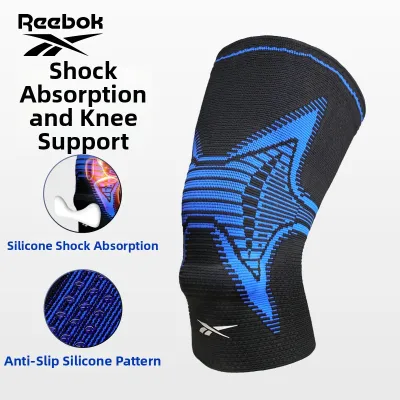
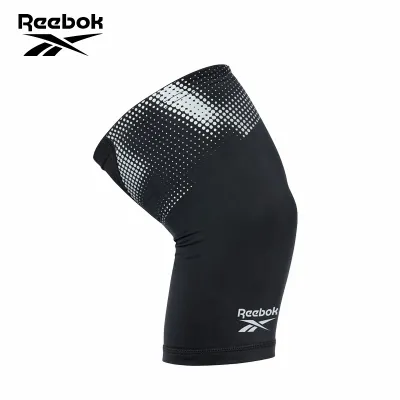
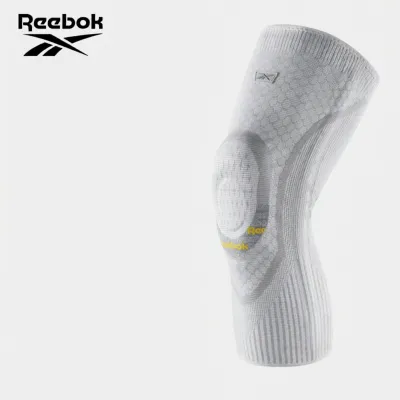
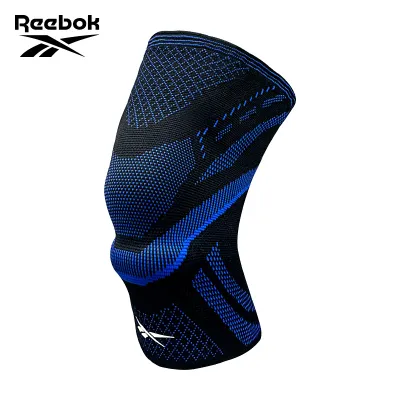
Prices are valid at publication and may change. Please refer to the product page for the latest price.
Understanding Knee Support Needs in Combat Sports
Combat sports demand a unique combination of mobility, stability, and resilience from your knees. In striking-based disciplines like boxing, kickboxing, and Muay Thai, the knees are constantly subjected to rotational forces. When you pivot to throw a hook or cross, your foot plants while your hips and torso rotate, transferring torque directly through the knee joint. Additionally, the constant bouncing, lateral footwork, and sudden stops required to evade punches place repetitive stress on the patellar tendon and surrounding ligaments.
In kickboxing and Muay Thai, the knees face the added challenge of impact. Checking a low kick requires absorbing a direct blow on the outer leg, which can jar the joint. Delivering knee strikes in the clinch requires deep flexion and explosive hip extension, demanding a support that does not pinch or restrict your range of motion. The high humidity of tropical training environments can exacerbate joint stiffness during warm-ups, making the heat-retaining properties of a compression sleeve highly beneficial for local athletes.
Grappling-heavy martial arts, such as Brazilian Jiu-Jitsu (BJJ), wrestling, and mixed martial arts (MMA), present a completely different set of mechanical challenges. Grapplers spend significant time on the mats, where the knees are subjected to constant friction, compression, and twisting forces. Executing a double-leg takedown or sprawling to defend one requires explosive knee extension and sudden impact with the mat. During guard work or submission attempts, the knees are often bent at extreme angles, requiring maximum flexibility from any protective gear.
Recognizing when to use a knee support versus when to seek medical attention is crucial for long-term joint health. Mild soreness, slight stiffness during warm-ups, or a general desire for extra joint warmth and stability are common reasons to wear a compression sleeve or wrap. These symptoms often respond well to light compression, which helps manage minor fluid retention and keeps the joint lubricated during movement.
However, certain warning signs indicate a more serious issue that cannot be solved by a knee support. If you experience sharp or sudden pain, localized swelling that appears rapidly after training, popping or clicking sounds accompanied by pain, or a feeling that your knee is “giving way” or locking in place, you must stop training immediately. These symptoms suggest potential ligament, tendon, or meniscus damage that requires professional medical evaluation and load management rather than simple compression.
Ultimately, a knee support should be viewed as a tool to enhance your body’s natural mechanics, not a shield that makes you immune to injury. The compression provided by a quality sleeve stimulates sensory receptors in the skin, sending feedback to your brain about the joint’s position. This heightened proprioception helps you maintain better alignment during complex movements, but it must be paired with targeted strength training, mobility work, and proper technique to truly safeguard your knees.
Comparing Reebok Knee Support Types for Training
Reebok offers a variety of knee support designs, each tailored to different levels of physical activity and joint requirements. When selecting a model for combat sports, it is helpful to categorize them by their structural design: compression sleeves, wraparound supports, and heavy-duty or hinged braces. Matching the structural characteristics of these supports to the specific movements of your martial art ensures you get the right balance of protection and mobility.

Compression Sleeves for Mobility and Warmth
Compression sleeves are slip-on, tubular supports designed to slide over the foot and sit snugly around the knee joint. They are typically constructed from materials like neoprene, nylon, polyester, or breathable knit fabrics. Because they lack rigid straps or hinges, compression sleeves offer the highest level of flexibility, making them the preferred choice for athletes who prioritize unrestricted movement.
These sleeves are highly suited for boxing footwork, light bag work, shadowboxing, and general warm-up routines. The continuous compression helps promote blood flow, keeps the joint warm, and provides constant proprioceptive feedback as you bounce, pivot, and slide across the canvas. For boxers who rely on quick, agile footwork, a lightweight knit sleeve provides just enough support without adding unnecessary bulk or restricting speed.
When choosing a Reebok compression sleeve, it is essential to check the product labels and specifications for material composition. In hot and humid climates, such as the Philippines, sweat management is a primary concern. A thick, non-perforated neoprene sleeve can quickly trap sweat, leading to skin irritation, slipping, and an uncomfortable buildup of heat. Look for breathable knit blends or specialized moisture-wicking fabrics that allow heat to escape while maintaining consistent compression.
It is equally important to understand the limitations of standard compression sleeves. While they are excellent for warmth and minor swelling, they offer minimal structural support. If you suffer from lateral instability, ligament laxity, or are recovering from a moderate to severe joint injury, a simple slip-on sleeve will not provide the mechanical stabilization needed to prevent hyperextension or lateral twisting. For those conditions, more structured options must be considered.
Wraparound Supports for Adjustable Compression
Wraparound knee supports feature an open design that wraps around the leg and secures with adjustable straps, typically utilizing high-quality hook-and-loop fasteners. This design allows the user to customize the level of compression and tension applied to different areas of the knee, making it highly adaptable to individual leg shapes and fluctuating joint conditions.
This adjustability is particularly beneficial for kickboxing, Muay Thai, and general fitness training where knee swelling might fluctuate during or after an intense session. If your knee begins to feel tight or swollen mid-workout, you can easily loosen the straps to maintain comfortable circulation, or tighten them for extra stability during heavy kicking drills. The open-patella design common in many wraps also helps reduce direct pressure on the kneecap while providing localized support to the surrounding tendons.
Before purchasing a wraparound support, closely verify the strap mechanism and closure quality. In combat sports, repetitive kicking, pivoting, and clinching place immense stress on gear closures. If the hook-and-loop fasteners are weak or poorly constructed, they can easily peel open mid-kick, causing the support to unravel and creating a tripping hazard. Look for heavy-duty, wide straps that distribute pressure evenly and remain securely locked during explosive movements.
Another factor to consider is the physical bulk of a wraparound support. Because they use overlapping layers of material and multiple straps, wraps are inherently bulkier than slim compression sleeves. This added bulk can interfere with the fit of shin guards during sparring or catch on your training partner’s clothing during close-quarters clinching. If your training involves a high volume of grappling or partner work, a lower-profile sleeve may be more practical than a bulky wrap.
Hinged or Heavy-Duty Braces for Injury Recovery
Hinged or heavy-duty knee braces incorporate rigid side stabilizers, plastic stays, or metal hinges designed to mechanically limit lateral movement and prevent hyperextension of the knee joint. These braces provide the highest level of structural support, physically preventing the knee from bending in directions that could reinjure healing ligaments or tendons.
In the context of combat sports, the use of rigid or hinged braces is strictly reserved for post-injury recovery, rehabilitation, or under the direct guidance of a medical professional. They are suitable for light, controlled drilling, stationary shadowboxing, or strength conditioning where movement is predictable. They are generally not suitable for full-contact sparring, explosive grappling, or high-intensity rolling.
One of the primary reasons to avoid rigid braces during active sparring or grappling is the safety of your training partners. Hard plastic hinges, metal stays, and exposed metal joints can easily scrape, bruise, or cut a training partner during close-quarters work, such as clinching in Muay Thai or rolling on the mats in BJJ. Many martial arts academies and boxing gyms have strict safety policies that prohibit the use of hard-hinged braces during partner training to prevent accidental injuries.
If your joint health requires the structural support of a hinged brace, it is imperative to consult a sports physiotherapist, orthopedic specialist, or qualified medical professional before incorporating it into your martial arts routine. They can help you determine if your knee is stable enough for training, guide you on the correct brace settings, and provide a structured rehabilitation plan to rebuild the surrounding muscles so you can eventually transition back to lighter, more flexible supports.
Key Features to Check Before Buying
When shopping for a Reebok knee support on an online marketplace or at a local sporting goods store, it is easy to get overwhelmed by various product descriptions. Whether you are investing in a basic ₱1,200 compression sleeve or a premium ₱2,500 adjustable wrap, verifying these features ensures your gear can withstand the rigors of daily training.
Material and Breathability: Combat sports are highly aerobic, leading to heavy sweating, especially in warm, tropical climates. Look for knee supports that feature moisture-wicking properties and breathable panels. Materials that allow airflow help regulate skin temperature and prevent sweat from pooling inside the sleeve. Additionally, check for anti-odor treatments or antimicrobial properties, as damp protective gear is highly susceptible to bacterial growth and persistent odors if not properly ventilated.
Seam Construction: Pay close attention to how the support is stitched together. Look for flatlock stitching, seamless construction, or bonded edges. During repetitive movements like deep squats, lunges, pivoting, and sprawling, the skin behind the knee is subjected to constant friction. Thick, raised seams can quickly cause painful chafing, blisters, and skin abrasions, which can sideline you from training just as easily as a minor joint strain.
Grip and Slippage: A knee support is only effective if it stays in its proper position over the joint. Look for models that feature silicone grip strips, anti-slip bands, or textured inner linings along the top and bottom cuffs. During explosive movements, rapid footwork, or when sweat begins to coat your skin, a standard sleeve without these grip features can easily slide down your calf, requiring constant adjustments and distracting you during critical training moments.
Washability: Hygiene is paramount in combat sports, where close physical contact and shared mat space increase the risk of skin infections. Your knee support must be washed frequently—ideally after every training session. Review the manufacturer’s care instructions to ensure the materials can withstand regular washing. Supports that require complex cleaning procedures or degrade quickly when exposed to water are impractical for daily martial arts training.
Sizing, Fit, and Maintenance for Longevity
An improperly fitted knee support can do more harm than good. If a sleeve is too tight, it can restrict blood circulation, cause muscle cramping, limit your range of motion, and lead to discomfort that hinders your performance. Conversely, if the support is too loose, it will fail to provide the necessary compression, slide down constantly, and offer virtually no proprioceptive benefit. Finding the precise fit is essential for both safety and comfort.
To determine your correct size, always refer to the manufacturer’s specific sizing chart rather than guessing based on your clothing size. Use a flexible measuring tape to measure the circumference of your leg. Most sizing guides require you to measure around the center of your kneecap, while others may ask for measurements three to four inches above and below the patella. Take these measurements while standing with your leg slightly bent to ensure an accurate representation of your joint during movement.
Once your knee support arrives, do not immediately take it into a heavy sparring session. Test the fit in a controlled environment first. Put the support on and perform a series of bodyweight squats, deep lunges, and light shadowboxing movements. If you practice grappling, try a few slow sprawls on a clean mat. Pay attention to whether the sleeve pinches the skin behind your knee, slides down your thigh, or feels so tight that your lower leg begins to feel cold or tingle. If you experience any of these issues, exchange it for a different size.
Proper maintenance is key to extending the usable life of your Reebok knee support and preserving its elastic properties. After a sweaty training session, avoid leaving the damp support crumpled at the bottom of your gym bag, as this encourages mold and bacteria to grow. Instead, hand-wash the support in cool water using a mild detergent. Gently squeeze out excess water without wringing or twisting the fabric, as harsh wringing can damage the elastic fibers and warp the shape of the sleeve.
Always air-dry your knee support flat or hanging in a well-ventilated area, away from direct sunlight and artificial heat sources. Never put your knee support in a tumble dryer, as the high heat will rapidly degrade the rubber, neoprene, or elastic components, rendering the support loose and ineffective. Additionally, avoid using fabric softeners or bleach, which can break down the synthetic fibers and weaken the adhesive bonds of hook-and-loop straps.
Frequently Asked Questions (FAQ)
Can I use Reebok weightlifting knee sleeves for MMA?
Weightlifting knee sleeves are typically designed for linear, heavy lifting and are often constructed from thick, dense neoprene (such as 5mm or 7mm thickness). While they provide excellent compression and warmth for squats and deadlifts, they are generally not ideal for the dynamic, multi-directional movements of MMA. The thick material can severely restrict the deep knee flexion required for grappling, sprawling, and guard work, and the bulkiness can make it difficult to move fluidly on the mats. Before using any sleeve for MMA, check the product specifications to ensure it is flexible enough for agile movement.
How tight should a knee sleeve be for kickboxing?
A knee sleeve for kickboxing should feel snug and secure, providing a noticeable sensation of compression and warmth without restricting your blood flow or range of motion. You should feel comfortable pivoting, kicking, and bouncing without any pinching behind the knee. If you experience numbness, tingling, coldness in your foot, or deep muscle cramping, the sleeve is too tight and should be replaced with a larger size. If your knee tends to swell during long, intense training sessions, consider using an adjustable wraparound support that allows you to loosen the tension as needed.
Community discussion
Share your experience or ask a question. Comments are reviewed before publication.