
Deciding whether to dive in your existing board shorts or invest in specialized scuba diving shorts depends entirely on your dive frequency, environment, and gear setup. While regular swimwear is perfectly adequate for casual, warm-water vacation dives, purpose-built diving shorts offer specific structural advantages for frequent divers dealing with equipment friction, drag, and the need for secure storage. If you only dive occasionally in tropical climates, your standard beachwear will likely suffice, but understanding how gear interactions affect your safety and comfort can help you make an informed decision before your next underwater excursion.
When planning a dive, your apparel must do more than simply look good on the boat. It serves as a protective barrier between your skin and your heavy dive equipment, such as your buoyancy compensator device (BCD) and weight belt. In tropical destinations like the Philippines, where warm waters tempt divers to skip full wetsuits, choosing the wrong lower-body apparel can lead to painful chafing, gear slippage, or even safety hazards if loose fabric becomes entangled. Evaluating the functional differences between these two types of shorts will ensure you stay comfortable and focused on your dive profile.
How Scuba Diving Shorts Differ from Regular Board Shorts
Regular board shorts are engineered primarily for surface water sports like surfing, wakeboarding, or casual swimming. They are typically constructed from lightweight, quick-drying synthetic fabrics such as polyester or nylon blends, often featuring two-way or four-way stretch. While these materials are excellent for shedding water on land, they lack the structural density required to withstand the heavy compression and abrasive friction of scuba gear. Under the weight of a scuba cylinder and harness, lightweight board shorts can easily bunch up, pinch, or wear thin over time.
Products mentioned in this guide
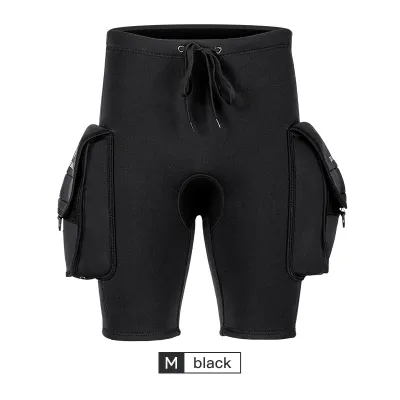
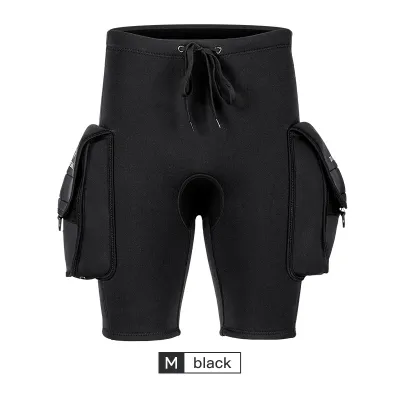
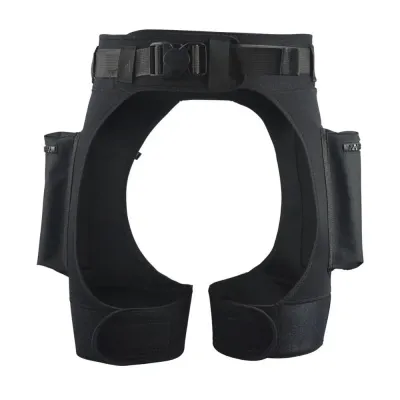
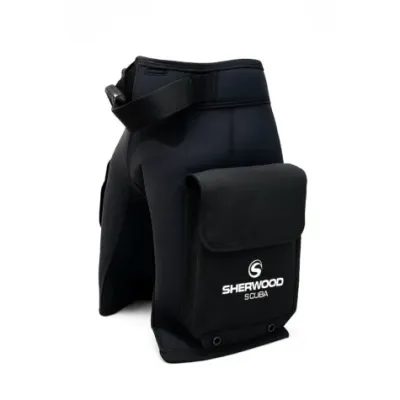
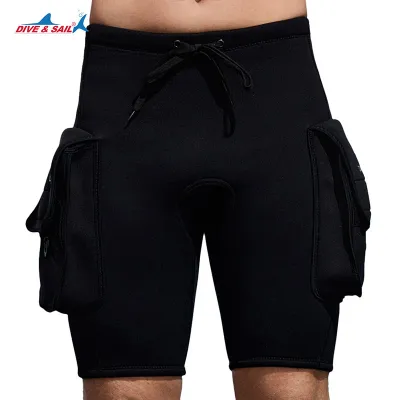
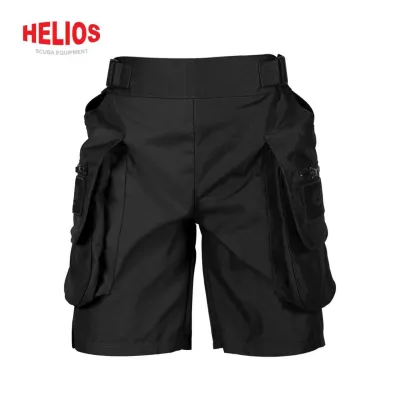
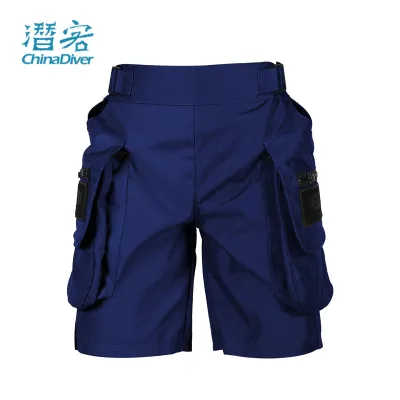
Prices are valid at publication and may change. Please refer to the product page for the latest price.
Specialized scuba diving shorts, by contrast, are built to handle the unique physical demands of the underwater environment. Many models are constructed from thin neoprene, ranging from 1mm to 3mm in thickness, or heavy-duty nylon blends reinforced with abrasion-resistant panels. This robust construction protects the fabric from pilling or tearing when it rubs against rough boat decks, non-skid surfaces, or the textured straps of your BCD. The added material density also provides a stable layer that cushions your hips and thighs from the hard edges of integrated weight pockets.
Cut and fit variations represent another major distinction between the two styles. Board shorts feature a loose, relaxed drape designed to look casual on the beach. Underwater, however, this excess fabric traps water, creating unnecessary hydrodynamic drag that forces you to exert more energy and consume your breathing gas faster. Scuba diving shorts feature a streamlined, form-fitting profile that hugs your legs. This snug fit eliminates pocketing—where water balloons inside the shorts—and prevents the waistband from riding up or shifting when you transition from a giant stride entry into a horizontal swimming position.
Seam construction is a critical comfort factor that is easily overlooked on land but highly noticeable underwater. Standard board shorts often feature raised, stitched seams that run along the inner thighs and groin. When subjected to the constant leg movement of finning, combined with the pressure of a tight weight belt, these raised seams can cause severe skin irritation and chafing. Dedicated dive shorts utilize flatlock stitching or glued and blind-stitched seams. These flat, smooth seams lie completely flush against your skin, eliminating friction points even during long, repetitive dives.
When Regular Board Shorts Are Enough for Diving
For casual recreational divers, regular board shorts are often perfectly adequate, especially when diving in warm, tropical waters. If the water temperature is comfortable enough that you do not require thermal protection, a pair of standard board shorts paired with a rash guard is a highly common setup. This configuration is ideal for shallow reef dives where you are not carrying heavy technical gear or multiple accessory slates, allowing you to enjoy the freedom of movement that lightweight swimwear provides.

Occasional divers or vacationers who only log a few dives a year during holiday trips rarely need to invest in specialized diving apparel. Purchasing dedicated dive shorts that will sit in a closet for most of the year is often an unnecessary expense. Standard board shorts are highly versatile, serving as beachwear, boat wear, and activewear all in one. This versatility saves valuable luggage space and keeps your packing list simple when traveling to tropical dive destinations.
If you choose to dive in regular board shorts, you can optimize their performance by wearing them over a thin, snug-fitting rash guard or dive skin. This layering technique helps hold the loose fabric of the shorts in place, preventing them from riding up under your BCD crotch strap. It also provides a basic layer of defense against minor stings from jellyfish or hydroids in the water column. Just ensure that the shorts you choose do not have excessive metal hardware, such as heavy zippers or decorative grommets, which can press painfully against your skin under your gear.
When You Actually Need Specialized Scuba Diving Shorts
Frequent divers who log dozens of dives a year will quickly find the limits of standard swimwear. The constant friction from heavy BCD straps, harness webbing, and weight belts can cause regular board shorts to deteriorate rapidly, leading to frayed seams and thin spots in the fabric. If you find yourself replacing your favorite beach shorts every season due to gear wear, upgrading to specialized scuba diving shorts made of durable neoprene or reinforced nylon is a highly cost-effective decision.
Another major operational advantage of specialized dive shorts is the inclusion of secure, high-capacity utility pockets. Technical divers, divemasters, and instructors frequently need to carry essential safety and navigation tools, such as dive slates, surface marker buoys (SMBs), spools, backup masks, or cutting devices. Regular board shorts rarely feature pockets capable of holding these items securely. Specialized dive shorts are designed with large, expandable cargo pockets on the sides of the thighs, complete with internal D-rings to clip off your gear, heavy-duty closures, and drainage grommets that prevent water from pooling inside.
Repetitive diving over multiple days can also take a toll on your skin, making specialized shorts a necessity for liveaboard trips or dive vacations. When saltwater dries on loose board shorts during surface intervals, the salt crystals crystallize within the fabric fibers. During your next dive, the loose fabric moves against your skin, acting like sandpaper and causing painful raw spots on your inner thighs. Form-fitting neoprene or hybrid dive shorts eliminate this fabric movement entirely, protecting your skin from friction and ensuring you remain comfortable throughout consecutive days of diving.
Quick Checklist: Evaluating Your Current Board Shorts
Before you decide to use your everyday swimwear on your next dive, it is important to evaluate its design and condition to ensure it does not pose a safety hazard or cause discomfort underwater. Use the comparison matrix below to understand how standard swimwear stacks up against purpose-built dive apparel across key performance areas.
| Feature | Regular Board Shorts | Specialized Diving Shorts |
|---|---|---|
| Hydrodynamic Drag | High (loose fabric traps water and increases resistance) | Low (streamlined, form-fitting profile cuts through water) |
| Abrasion Resistance | Low (lightweight fabrics prone to pilling and tearing) | High (reinforced panels, neoprene, or heavy-duty nylon) |
| Pocket Security | Low (shallow pockets, weak closures, no attachment points) | High (large cargo pockets with internal D-rings and drains) |
| Waistband Stability | Moderate (drawstrings can slip or loosen under weight) | High (reinforced waistbands, integrated belts, or high-rise cuts) |
| Thermal Protection | None (provides zero insulation in water) | Low to Moderate (neoprene options offer mild core warmth) |
| Chafing Prevention | Low (raised seams and loose fabric can rub skin raw) | High (flatlock seams and snug fit eliminate friction) |
To inspect your current shorts for potential underwater hazards, lay them flat and check for loose drawstrings, long cords, or decorative straps. These loose elements can easily migrate and become tangled in your BCD buckles, tank valves, or accessory clips, creating a safety hazard during a dive. Inspect any pocket closures; weak hook-and-loop fasteners or open pockets are highly likely to let small items slip out when you are in a horizontal or head-down position. Finally, check for any metal grommets, rivets, or zippers that could rust in saltwater or scratch your expensive dive gear.
There are specific conditions where you should stop using regular board shorts and immediately switch to dedicated dive apparel. If you experience persistent chafing that distracts you from monitoring your depth and air supply, your safety is compromised. Furthermore, if your shorts restrict your range of motion when performing a giant stride entry from a boat, or if they ride up so high that your weight belt sits directly against your bare skin, it is time to retire them from your dive kit and invest in proper scuba diving shorts.
How to Choose the Right Scuba Diving Shorts
If your evaluation indicates that an upgrade is necessary, selecting the right pair of scuba diving shorts requires looking closely at the waist fit and closure systems. The waistband must be low-profile and highly secure to accommodate your weight belt and BCD waistband without slipping or bunching. Look for designs that feature a wide, flat waistband, an integrated nylon belt, or a heavy-duty drawstring that sits flat against your stomach. Avoid bulky plastic buckles or thick, knotted cords that will press painfully into your skin when compressed by your scuba harness.
Evaluate the pocket design and drainage features carefully based on the gear you plan to carry. The best dive shorts feature expandable cargo pockets positioned on the sides of the thighs, which keeps your profile streamlined and ensures your hands can easily reach the pockets during a dive. Verify that the pockets have built-in stainless steel or brass grommets to allow water to drain instantly when you climb up a boat ladder. Internal bungee loops or D-rings are essential safety features, allowing you to clip your gear securely so nothing falls out when the pocket is opened underwater.
Finally, consider the material thickness, flexibility, and care requirements that match your typical diving environment. For warm tropical waters, a hybrid short combining a 1mm to 2mm neoprene seat with flexible spandex or nylon side panels offers an excellent balance of durability, flexibility, and comfort. Ensure the shorts allow for a full, unrestricted range of motion so you can perform frog kicks or flutter kicks easily. To maintain your investment, always rinse your dive shorts thoroughly in fresh water after every use, dry them flat in the shade, and avoid folding them tightly to prevent creasing the neoprene.
Frequently Asked Questions (FAQ)
Can I wear board shorts over a wetsuit?
While some divers wear regular board shorts over a wetsuit for aesthetic reasons or to gain extra pocket storage, it is generally not recommended unless the shorts are specifically designed for this purpose. Loose board shorts worn over neoprene create significant hydrodynamic drag, which increases your physical exertion and causes you to breathe through your air supply faster. If you require extra pocket storage over your wetsuit, you should opt for dedicated neoprene tech shorts designed to fit snugly over your suit without trapping water or creating excess drag.
Do scuba diving shorts provide thermal insulation?
Standard nylon or spandex diving shorts provide virtually no thermal insulation and are designed primarily for abrasion protection and pocket utility. Neoprene diving shorts, typically ranging from 1.5mm to 3mm in thickness, do provide mild thermal insulation for your core and upper thighs, making them excellent for warm tropical waters. However, they cannot replace a full wetsuit or shorty in cooler waters. If you find yourself shivering or losing focus due to the cold during a dive, prioritize your safety and switch to a proper thermal layer rather than relying solely on dive shorts.
Community discussion
Share your experience or ask a question. Comments are reviewed before publication.