
Navigating the bustling streets of Metro Manila, Cebu, or Davao requires a commuting strategy that is both flexible and cost-effective. A foldable bike has become the go-to solution for many Filipino commuters looking to beat traffic, save on transport fares, and seamlessly transition between riding and public transit like the MRT, LRT, or UV Express. However, finding a reliable model without breaking the bank can be challenging.
Fortunately, you can absolutely find a highly functional, durable foldable bike for under ₱15,000 in the Philippines. While this budget won’t buy you ultra-lightweight carbon fiber or professional-grade racing components, it is more than enough to secure a safe, dependable daily commuter. The key is knowing which components to prioritize, which features you can safely compromise on, and how to inspect your new ride to ensure it can withstand local road conditions.
What to Expect From a Foldable Bike Under ₱15,000
When shopping within the sub-₱15,000 price range, managing your expectations is crucial for making an informed purchase. In this tier, manufacturers balance cost and durability by utilizing reliable but heavier materials. You will primarily encounter frames made of either high-tensile steel or entry-level aluminum alloy. High-tensile steel is incredibly robust and absorbs road vibrations well, but it is noticeably heavier and prone to rust if not properly maintained in our humid, tropical climate. Aluminum alloy frames are lighter and naturally rust-resistant, making them a popular choice for those who need to carry their bikes up station stairs or lift them into car trunks.
Products mentioned in this guide
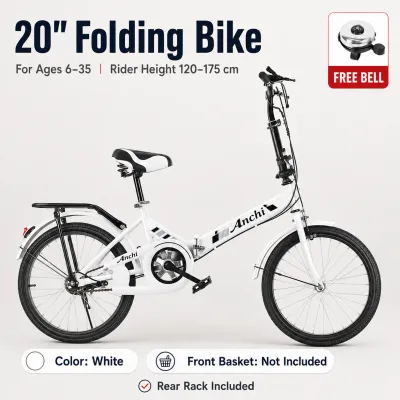
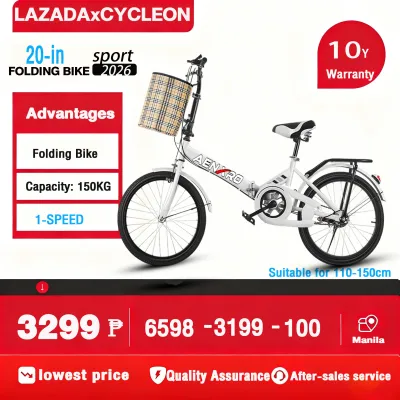
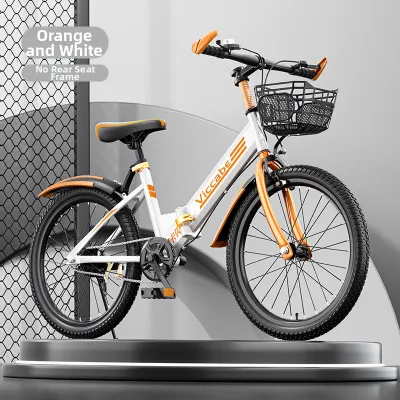
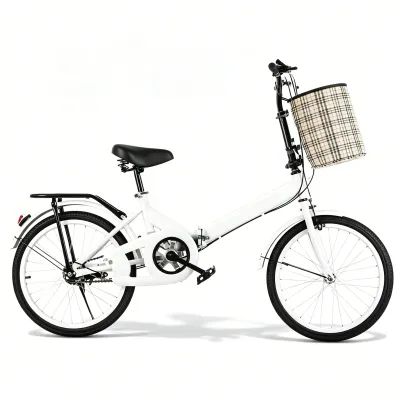
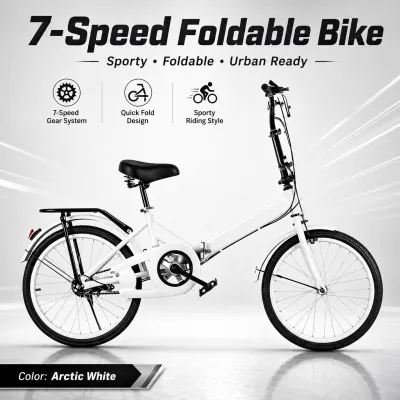
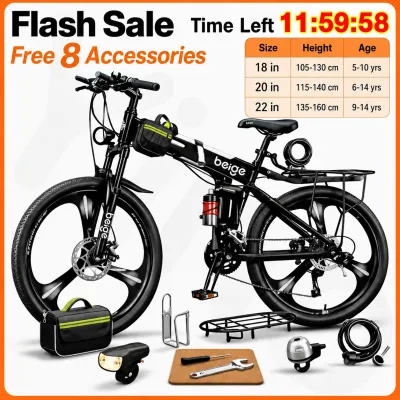
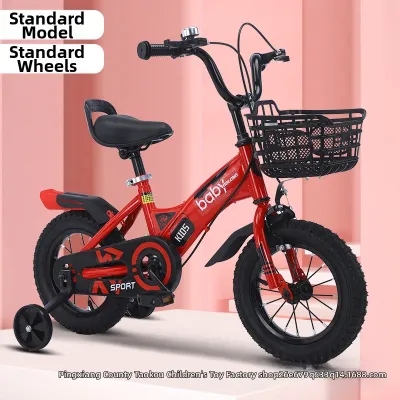
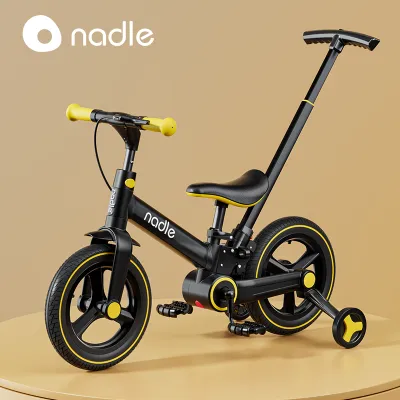
Prices are valid at publication and may change. Please refer to the product page for the latest price.
The componentry on these budget-friendly bikes is functional and straightforward. You will typically find entry-level drivetrains, such as Shimano Tourney, Shimano TY, or microSHIFT components, offering 6 to 8 speeds. These gear ranges are perfectly adequate for flat city streets and moderate flyovers, though they lack the ultra-smooth shifting of premium groupsets. Braking systems in this price bracket consist of either traditional V-brakes or mechanical disc brakes. Mechanical disc brakes provide more consistent stopping power in wet weather, which is a major advantage during the Philippine rainy season.
It is important to understand that a budget foldable bike is designed for utility rather than high-speed performance or off-road trail riding. These bikes generally weigh between 12 and 15 kilograms, which is heavier than premium models but still manageable for short carries. The folding mechanisms are robust but may require a bit more effort to operate than the seamless, one-handed folds found on high-end brands. By focusing on core utility, you can secure a workhorse of a bike that gets you to your destination safely and reliably day after day.
Must-Have Features vs. Acceptable Compromises
To get the absolute best value for your ₱15,000, you must distinguish between features that directly impact your safety and those that are merely nice to have. It is easy to get distracted by flashy paint jobs or unnecessary accessories, but your primary focus should always be on structural integrity and reliable operation.

Non-Negotiable Safety and Structural Specs
- Robust Folding Hinges: The most critical point of evaluation on any foldable bike is the quality of its folding joints. Because the frame hinges are subject to constant stress, they must feature secure, tight-fitting clamps with secondary safety locks. A loose or poorly manufactured hinge can fail mid-ride, leading to severe accidents. Before riding, always verify that the main frame latch and the handlebar stem clamp lock firmly into place with zero play or wobbling.
- Reliable Braking Systems: Stopping power is non-negotiable, especially when navigating unpredictable traffic, sudden pedestrian crossings, and slick, rain-soaked asphalt. Look for bikes equipped with either well-aligned mechanical disc brakes or high-quality aluminum V-brakes. Avoid bikes with cheap plastic brake levers, as they can flex under hard braking and compromise your ability to stop quickly.
- Certified Weight Capacity: Every reputable manufacturer will clearly state the maximum weight capacity of their foldable bike. For most budget models, this limit ranges between 90 and 110 kilograms. Exceeding this limit puts dangerous stress on the frame welds and folding hinges. Always check the user manual or manufacturer specifications to ensure the bike is rated for your body weight plus any cargo or backpack you plan to carry.
- Secure Stem and Seatpost Clamps: The quick-release clamps holding your seatpost and handlebar stem must provide a tight, slip-free grip. A seatpost that slowly slides down while riding is incredibly annoying, but a handlebar stem that suddenly slips or twists can cause a complete loss of steering control. Look for heavy-duty alloy clamps that require a firm, deliberate force to close.
Where You Can Safely Compromise
- Drivetrain Complexity: While premium bikes boast 10 to 12 speeds with wide-range cassettes, a basic 6-speed or 7-speed drivetrain is more than sufficient for urban commuting in the Philippines. Most city routes are relatively flat, and a simpler drivetrain is actually cheaper to maintain, easier to adjust, and less prone to mechanical failure. You can even consider a single-speed foldable bike if your daily route has no hills, which eliminates derailleur maintenance entirely.
- Rigid Forks Over Suspension: Many budget foldable bikes come equipped with cheap front suspension forks to look more rugged. However, at this price point, suspension forks are typically heavy, poorly dampened, and prone to developing play over time. A rigid steel or aluminum fork is highly preferable; it keeps the bike lighter, requires zero maintenance, and ensures all your pedaling energy goes directly into moving forward. You can easily compensate for the lack of suspension by running slightly wider tires at a lower, safer pressure.
- Upgradable Contact Points: Do not reject a bike just because the saddle feels stiff, the grips are hard plastic, or the pedals feel basic. These are known as contact points, and they are the easiest and cheapest parts to upgrade later. You can ride the stock components for a few weeks, identify exactly what feels uncomfortable, and then purchase affordable aftermarket gel saddles, ergonomic lock-on grips, or grippy aluminum pedals as your budget allows.
How to Inspect a Budget Foldable Bike for Quality
If you purchase your foldable bike online or receive it in a shipping box, you must perform a thorough quality inspection before taking it out on the road. Even if you purchase from a physical bike shop, knowing how to verify the assembly quality will keep you safe and prevent premature wear on your components. Always consult the manufacturer’s user manual for specific assembly steps, torque values, and folding instructions before making adjustments.
- Frame and Weld Inspection: Begin by closely examining the frame, particularly around the folding hinges and the bottom bracket. Look for clean, even weld beads that resemble a neat stack of coins. Avoid any bike that exhibits rough, porous, or cracked welds, as these are signs of poor structural manufacturing. Check the frame paint for any deep scratches or bubbling that might indicate underlying metal fatigue or rust.
- Hinge and Latch Operation: Open and close the main frame hinge and the handlebar stem hinge several times. The movement should be smooth, without any grinding or binding. When closed, the latches must snap shut securely, requiring a deliberate push to open. If you notice any movement or play in the joint when the latch is fully locked, do not ride the bike. Check the manufacturer's manual to see if the hinge tension can be adjusted, or consult a professional mechanic.
- Wheel Trueness and Spoke Tension: Lift each end of the bike and spin the wheels. Look closely at the gap between the tire and the frame or brake pads. The wheel should spin straight without wobbling side-to-side or hopping up and down. A wobbly wheel indicates that it is out of true, which can cause uneven tire wear and erratic braking. Additionally, gently squeeze adjacent pairs of spokes around the wheel; they should feel firm and relatively equal in tension. Loose spokes can lead to broken wheels under the impact of potholes.
- Brake and Derailleur Alignment: Squeeze the brake levers to ensure they feel firm and stop well before touching the handlebar grips. Spin the wheels to verify that the brake pads or disc rotors do not rub against the calipers, which wastes your energy and causes premature wear. Next, test the shifting by running through all the gears while spinning the pedals. The chain should transition smoothly between gears without dropping off the cassette or making loud clicking noises.
- Fastener and Skewer Check: Use a set of hex keys to check that every bolt on the bike is snug, paying special attention to the handlebar clamps, brake calipers, and crank arms. Ensure that the quick-release skewers on the wheels are properly tightened and pointed backward or upward to prevent them from catching on road debris. If you are not confident in your mechanical skills, taking the bike to a local bike shop for a professional post-assembly tune-up is a highly recommended investment that ensures your safety.
Calculating the True Cost: Hidden Fees and Essential Gear
When working with a strict budget, it is a common mistake to spend your entire ₱15,000 allowance solely on the bike itself. However, a bike alone is not street-ready or safe for daily commuting. To avoid unexpected financial strain, you must account for several hidden costs and essential accessories that are mandatory for safe urban riding.
- Shipping and Logistics: Foldable bikes are bulky and heavy, which means shipping fees on e-commerce platforms can be surprisingly high. Depending on your location in the Philippines, shipping an oversized box from a Manila-based warehouse to the provinces can cost anywhere from ₱500 to ₱1,500. Always check the shipping calculator before checking out, or look for local physical shops where you can pick up the bike directly to save on delivery fees.
- Professional Assembly and Fine-Tuning: Most budget bikes shipped in a box arrive only 85% assembled. You will need to install the seatpost, pedals, and handlebars, as well as adjust the brakes and derailleurs. If you do not own the proper tools or lack mechanical experience, a local bike shop will typically charge between ₱300 and ₱800 for assembly and fine-tuning. This is a small price to pay for the peace of mind that your bike is structurally sound.
- Mandatory Safety Gear: Riding on public roads without safety gear is extremely dangerous and, in many Philippine municipalities, illegal. You must set aside a portion of your budget for a certified bicycle helmet. Look for helmets that carry recognized safety standards, such as CE EN1078. A reliable helmet will cost between ₱800 and ₱1,500.
- Visibility and Security: Sudden downpours and early sunsets make high-visibility lighting essential. Budget at least ₱500 for a set of rechargeable front (white) and rear (red) LED lights. Finally, you must secure your investment. A sturdy U-lock or a heavy-duty chain lock is necessary if you plan to leave your bike parked outside offices or convenience stores. Avoid cheap, thin cable locks, which can be cut in seconds. Allocating approximately ₱3,000 of your ₱15,000 budget for these essentials ensures you are fully prepared for the road.
Smart Buying Strategies: Warranties, Returns, and Seller Verification
Buying a budget foldable bike requires a strategic approach to protect your hard-earned money. With numerous online sellers and local shops offering similar-looking models, taking the time to verify your source will save you from purchasing counterfeit goods or defective products.
- Verify Seller Credibility: When shopping on online marketplaces, look for official flagship stores or preferred sellers with high positive ratings (ideally 95% or above). Read through the customer reviews, specifically looking for buyers who have uploaded photos and videos of the bike after several weeks of use. Pay attention to how the seller responds to negative reviews; a responsive, helpful seller is much more likely to assist you if you encounter issues.
- Understand the Warranty Policy: Do not assume that every new bike comes with a comprehensive warranty. Read the fine print carefully. Most budget manufacturers offer a limited warranty that covers only the frame against manufacturing defects for 1 to 3 years. Componentry like derailleurs, shifters, and brakes may only have a 1-month to 6-month warranty, or none at all. Wear-and-tear items such as tires, tubes, brake pads, and chains are never covered under standard warranties.
- Document the Unboxing Process: To protect yourself against shipping damage or missing parts, always record a continuous, unedited video of the unboxing process from the moment you cut the tape on the shipping box. Show the shipping label clearly at the beginning of the video. If the frame is dented, a component is broken, or parts are missing, this video serves as indisputable proof for e-commerce platforms to process a quick return or refund.
Frequently Asked Questions (FAQ)
Can a foldable bike under ₱15,000 handle daily commuting in the Philippines?
Yes, a budget foldable bike can easily handle daily commuting for short to medium distances (typically 5 to 15 kilometers per day) on paved roads. However, because local roads often feature potholes, uneven asphalt, and standing water, regular maintenance is essential. Keep your tire pressure topped up to prevent pinch flats, clean and lubricate the chain weekly to combat humidity, and inspect the folding hinges regularly to ensure they remain tight and secure.
Is it better to buy a used premium foldable bike or a new budget one?
For most buyers, a new budget foldable bike is the safer and more practical choice. A new bike comes with a manufacturer warranty, zero wear on the components, and pristine folding hinges. Second-hand premium bikes can hide structural fatigue, micro-cracks in the frame, or worn-out hinge pins that are expensive or impossible to replace. Only opt for a used premium bike if you are highly experienced and can personally inspect the frame’s structural integrity.
What wheel size is best for a budget foldable bike?
The choice between 16-inch and 20-inch wheels depends entirely on your commuting style. If your daily route involves frequent transfers onto crowded trains or buses, 16-inch wheels offer a more compact fold and lighter carrying weight. However, if your commute consists of longer riding distances on uneven roads, 20-inch wheels are highly recommended. They provide superior stability, roll over road imperfections much better, and replacement tires are far easier to find in local Philippine bike shops.
Community discussion
Share your experience or ask a question. Comments are reviewed before publication.