
Choosing the right badminton racket grip depends on the current condition of your racket handle and your immediate playing needs. If your racket’s base layer is crumbling, hardened, or failing to absorb shock, you need a replacement grip to restore fundamental cushioning and protect the wooden handle. Conversely, if your base grip is in good condition but you need a quick surface refresh, better sweat management, or a minor adjustment to handle thickness, applying an overgrip is the most practical solution. Balancing these two components ensures optimal control, comfort, and performance on the court.
Understanding the Structural and Functional Differences
To build a reliable racket setup, you must first understand how these two grip types differ in physical design, installation position, and primary function. A replacement grip is engineered as the primary, thicker base layer of your racket handle. It is designed to be wrapped directly onto the bare wooden or synthetic handle frame. Because it serves as the foundation, a replacement grip features substantial cushioning and shock-absorbing materials, often incorporating polyurethane or specialized foam backings. This thickness is crucial for dampening the vibrations that travel up the racket shaft during high-impact clears and smashes, protecting your hand and wrist from repetitive strain.
An overgrip, on the other hand, is a much thinner, secondary layer designed to be wrapped over an existing, healthy base grip. It does not replace the base layer; instead, it modifies the surface characteristics of the handle. Overgrips are highly versatile and focus primarily on surface feel, tackiness, and moisture absorption. Because they are thin, they allow players to quickly alter how the racket feels in the hand without significantly changing the underlying handle geometry or adding excessive weight.
Products mentioned in this guide
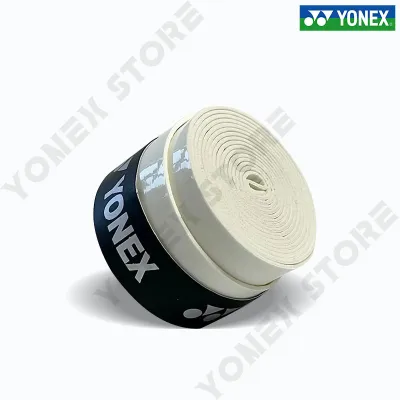
![[ Buy 2 Take 2 ] Yonex AC102EX Overgrip Yonex Thin Grip Belt Pickleball Tennis Badminton Racket Sweat-absorbent Belt Feather Racket Wrapped Belt Hand Rubbe Tennis Badminton Overgrip Grips Tapes](https://img.lazcdn.com/g/p/cf3d0be0e804a079d742737a426c4aee.jpg_400x400q80.jpg_.webp)
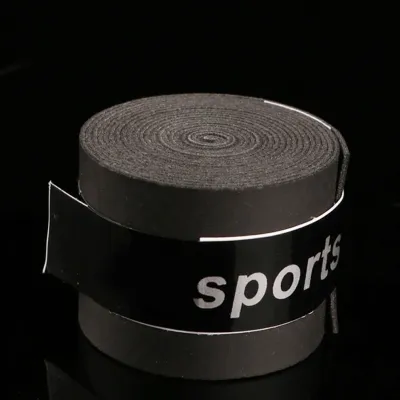
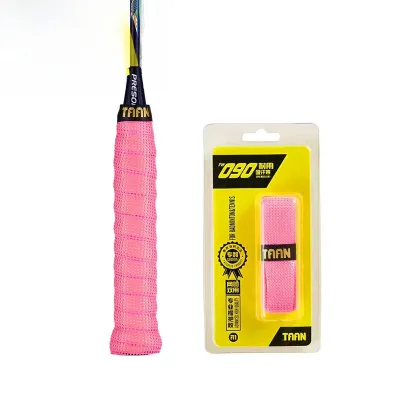
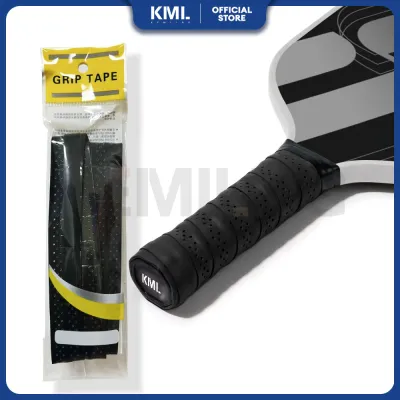
Prices are valid at publication and may change. Please refer to the product page for the latest price.
When comparing general characteristics, replacement grips prioritize long-term structural support and shock absorption, while overgrips prioritize immediate surface performance. Manufacturer labels and product packaging typically categorize grips by their tackiness (how sticky they feel to the touch), absorbency (how well they manage sweat), and thickness. While a replacement grip provides the essential cushion that prevents the hard wood of the handle from digging into your palm, an overgrip offers a customizable outer skin that you can swap out frequently to maintain a secure, slip-free hold.
When to Install a Replacement Grip
Knowing when to strip your racket handle down to the bare wood and install a fresh replacement grip is essential for maintaining the structural integrity of your gear. The most obvious indicators are clear, observable signs of base grip failure. Over time, the original factory grip or an aging replacement grip will begin to crumble, leave sticky residue on your hands, or harden into a stiff, uncomfortable layer. If you notice peeling, deep indentations that do not bounce back, or areas where the raw wooden handle is exposed, the base grip has reached the end of its functional life and must be replaced.

Another common scenario for installing a replacement grip is when you need to make fundamental changes to your racket’s handle thickness or shock absorption. If you find that every smash sends a harsh, stinging vibration through your forearm, your current base grip has likely lost its cushioning properties. Additionally, if you want to downsize your grip to a smaller base size to allow for quicker finger work and faster racket head speed, removing a thick factory grip and replacing it with a thinner, high-quality replacement grip is the correct technical approach.
It is important to note that installing a replacement grip requires more time, effort, and precision than simply wrapping an overgrip. The process involves carefully peeling off the old grip, scraping away any leftover adhesive or degraded foam from the wooden handle, and ensuring the bare surface is clean and dry. Wrapping the new replacement grip requires steady tension to ensure the self-adhesive backing adheres smoothly without creating uneven lumps or gaps. While it demands more preparation, a properly installed base grip provides a stable, comfortable foundation that can last for months of regular play.
When to Apply an Overgrip
Applying an overgrip is the most practical choice when your underlying base grip is still structurally sound, but you need to optimize your daily playing experience. The primary reason to use an overgrip is for quick surface refreshes. During intense rallies, dust, skin oils, and sweat accumulate on the racket handle, causing it to lose its tackiness and slip during fast transitions. Wrapping a fresh overgrip over your intact base layer instantly restores that secure, high-friction feel, allowing you to maintain a relaxed but controlled hold on the racket.
Overgrips are also highly effective for players who need to make minor adjustments to your handle size. If your current racket handle feels slightly too small, causing your fingers to wrap too tightly around it and leading to hand fatigue, adding one or two layers of overgrip can gently increase the handle’s circumference. This creates a more rounded, comfortable grip profile that distributes pressure more evenly across your palm without requiring you to buy a completely new racket or undergo a complex base-grip replacement.
The convenience and cost-effectiveness of overgrips make them indispensable for active players, whether you are engaging in casual weekend matches, intensive training sessions, or competitive tournaments. Because overgrips are relatively inexpensive and quick to apply, you can easily carry several spares in your sports bag. If your grip becomes saturated with sweat or loses its grip during a tournament, you can wrap a new overgrip in less than two minutes between matches, ensuring your performance remains consistent when it matters most.
Decision Framework: Matching Grip Type to Your Needs
To determine the best setup for your racket, you can use a structured decision framework that matches your playing habits, physical needs, and local environment to the correct grip combination.
- Choose a Replacement Grip if:
- Your current base grip is crumbling, peeling, emitting an odor, or exposing the bare wooden handle.
- You experience joint pain or excessive vibration in your wrist and elbow during high-impact shots, indicating a loss of core cushioning.
- You want to reset the racket handle to its original factory specifications or fundamentally downsize the grip circumference.
- Choose an Overgrip if:
- Your base grip is clean and structurally intact, but the surface has become slippery, dirty, or smooth.
- You want a cost-effective way to maintain a fresh, tacky, or absorbent surface that you can change weekly or monthly.
- You need to slightly increase the handle thickness or round out the bevels of the racket handle for a more comfortable grip.
- Verify first if:
- The overall handle size fits your hand comfortably before adding multiple layers, as an excessively thick grip can restrict wrist movement and limit your power generation.
- The manufacturer's specifications for the grip match your specific sweat levels, as some materials focus on dry tackiness while others excel at moisture absorption.
Local environmental conditions play a significant role in how your grip performs. In the tropical climate of the Philippines, high humidity and elevated temperatures lead to rapid sweat production during indoor and outdoor games. This moisture can quickly saturate standard grips, causing them to slip and reducing their lifespan. For players in these conditions, managing sweat is a constant challenge. Using a highly absorbent overgrip over a durable, moisture-resistant replacement grip is often the most effective strategy. This combination allows you to frequently swap out the inexpensive overgrip as it absorbs sweat, keeping your base grip dry and protected from rot.
When planning your gear maintenance, keep a simple checklist in mind. First, verify your current handle size by holding the racket with a relaxed grip; there should be a small gap (about the width of an index finger) between your fingertips and your palm. Second, check the manufacturer’s packaging for terms like “tacky,” “absorbent,” or “polyurethane” to ensure the material matches your sweat profile. Finally, evaluate your budget; while a high-quality replacement grip might cost around ₱150 to ₱300, keeping a multi-pack of overgrips in your bag is a highly economical way to maintain peak performance throughout the year.
Application, Maintenance, and Replacement Signals
Properly applying your chosen grip ensures a consistent feel and prevents the material from shifting or bunching during fast-paced rallies. To wrap a grip correctly, start at the butt cap of the racket handle. Secure the tapered end of the grip with a small piece of adhesive or use the pre-attached tape strip, then begin wrapping upward toward the cone. Maintain a consistent, moderate tension as you wrap; pulling too tightly can thin out the cushioning, while wrapping too loosely can cause the grip to slip or overlap unevenly. Ensure each turn overlaps the previous one by about two to three millimeters to create a smooth, uniform surface. Once you reach the top cone, cut any excess grip material at an angle and secure it firmly with the provided finishing tape.
Recognizing when to change your grip is vital for preventing injury and maintaining control. You should look for clear, observable wear signals during your regular gear checks. If your racket begins to slip in your hand during quick defensive drives, or if you notice visible tearing, fraying, or thinning of the material, it is time for a replacement. A buildup of unpleasant odors or a noticeable loss of tackiness also indicates that sweat and dirt have compromised the grip’s fibers.
To maximize the lifespan of your grips, always consult the racket or grip manufacturer’s care instructions. Generally, it is best to store your racket in a cool, dry compartment of your bag away from direct sunlight, as extreme heat can degrade the adhesive backings and dry out polyurethane materials. After a heavy session in humid conditions, allow your racket handle to air out in a well-ventilated room rather than leaving it zipped inside a damp bag, which can lead to mold growth and damage the underlying wooden handle.
Frequently Asked Questions (FAQ)
Can I put an overgrip directly on a bare racket handle?
Wrapping an overgrip directly onto a bare wooden or synthetic racket handle is not recommended. Because overgrips are exceptionally thin, they do not provide the fundamental cushioning required to absorb the high-impact vibrations of badminton play. Playing without a proper base replacement grip can lead to hand discomfort, blisters, and increased strain on your wrist and elbow joints. Furthermore, the lack of a protective base layer allows sweat to seep directly into the raw wood of the handle, which can cause the wood to rot, warp, or crack over time. Always maintain a healthy base grip before applying an overgrip.
How do I know what grip size I need after adding layers?
To determine if your handle size is correct after adding layers, hold the racket using a standard forehand grip. When holding the handle comfortably, there should be a gap of approximately one finger’s width between your fingertips and the heel of your palm. If your fingers press deeply into your palm, the grip is likely too small, which can cause hand cramps. If your fingers cannot reach near your palm at all, the grip is too thick, which restricts your wrist flexibility and limits your ability to generate power. Test the feel of the racket with a few practice swings to ensure you can transition smoothly between grips without straining your hand.
Community discussion
Share your experience or ask a question. Comments are reviewed before publication.