
Choosing between resin and sintered brake pads is one of the most impactful decisions you can make for your mountain bike’s performance, safety, and overall ride quality. The debate between these two compounds is not about finding a single ideal option, but rather about matching the specific characteristics of each material to your riding style, local terrain, and typical trail conditions. Your brakes are your primary safety mechanism on the trail, and understanding how these compounds interact with your rotors, handle heat, and respond to your fingers at the lever will directly influence your confidence on steep descents and technical corners.
Resin brake pads, also frequently referred to as organic pads, are manufactured from a mixture of fibers, organic materials, and filler metals bound together by a tough, high-temperature resin. These materials might include glass, rubber, carbon, or Kevlar, creating a relatively soft compound that is highly compliant. Sintered brake pads, often called metallic pads, are made by fusing metallic particles—typically copper, bronze, and steel—together under immense heat and pressure in a process called sintering. This results in a highly dense, hard, and durable pad that behaves very differently from its organic counterpart.
For a quick decision, choose resin pads if you primarily ride in dry, dusty conditions, prefer a quiet and squeal-free ride, and value a highly progressive braking feel that allows for subtle speed adjustments. On the other hand, choose sintered pads if you frequently ride in wet, muddy, or gritty environments, tackle long and steep descents that generate extreme heat, or require consistent, fade-free stopping power under heavy loads. The primary dimensions that should guide your choice are your typical local weather, the steepness and length of your descents, your total riding weight (including gear), and whether you ride a traditional mountain bike or a heavier electric mountain bike (e-bike).
Products mentioned in this guide
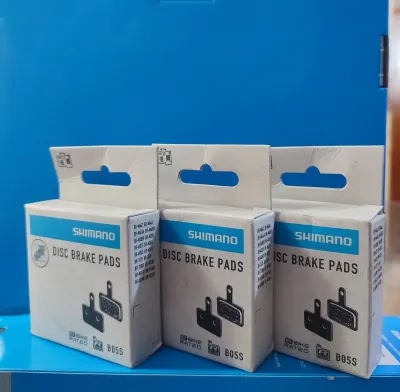
5 Lazada user ratings
thank you seller
ok good makapit
ok good 5 star
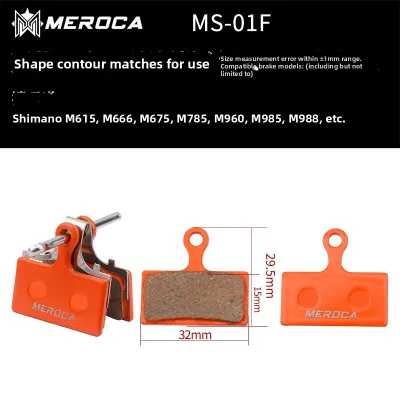
23 Lazada user ratings
I got this a few years ago, and it still looks pretty thick. I think the brake just needs some adjustment. I'll switch to a new one for now,…Read full reviewShow less
I got this a few years ago, and it still looks pretty thick. I think the brake just needs some adjustment. I'll switch to a new one for now, but the brake feels quite responsive, and I can always switch back if needed down the line.
Good product quality, Universal fit for bikes, Crop top design, High quality resin, Lightweight design, Strong braking power,
🔌Compatibility:compatible with himo Z16 Good product quality, for 2 wheels ebike
Great seller! The quality is really good! You can tell it’s well made!
It's really easy to use and responds quickly.
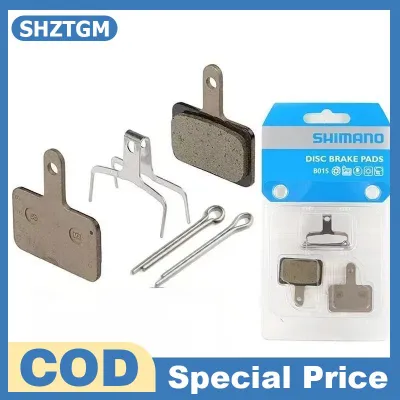
7 Lazada user ratings
misleading. front photo of order shows shimano but when you scroll thru the item page, it is a toopre
🔨Durability:ok nmn sya sana matibay
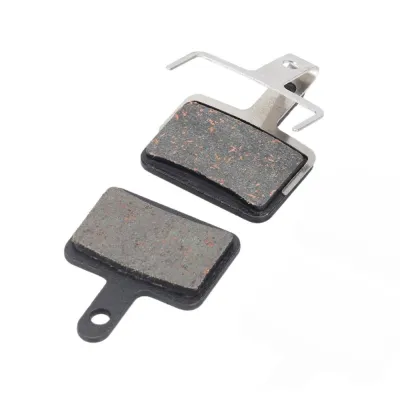
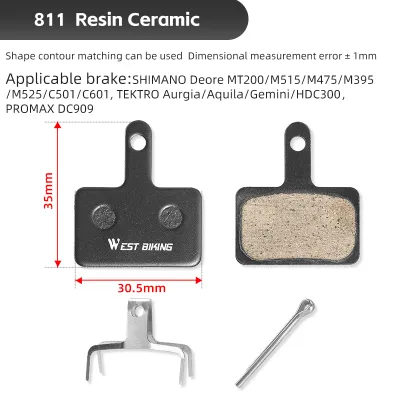
569 Lazada user ratings
High-quality semi-metal brake pads., Made from durable materials for long-lasting performance., Strong braking force, perfect for mountain b…Read full reviewShow less
High-quality semi-metal brake pads., Made from durable materials for long-lasting performance., Strong braking force, perfect for mountain biking.,
🔨Durability:Provides reliable and consistent braking power., 🔌Compatibility:Made from durable materials for long-lasting performance.,
Made from durable materials for long-lasting performance., Provides reliable and consistent braking power.,
Made from durable materials for long-lasting performance., High-quality semi-metal brake pads.,
🔨Durability:good 🔌Compatibility:good 🛠️Ease of Installation:good
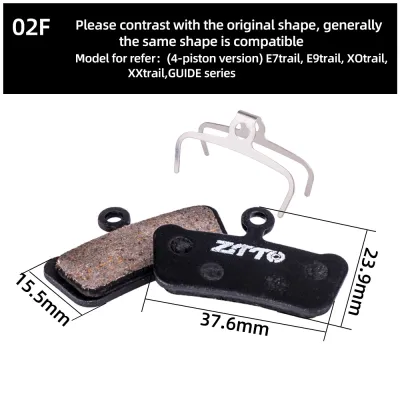
716 Lazada user ratings
matched the specifications that i needed and the pad works great! very cheap and effective. would definitely recommend the brand to others.
The item arrived within the given estimated time of arrival. It was packed by the seller well. Thank you Lazada and seller. More power!
🔨Durability:so far so good 🔌Compatibility:sofar sogood 🛠️Ease of Installation:sofarsogood
ang ganda saktong sakto sa brake ko at nagamit ko na rin siya ang lakas ng kapit
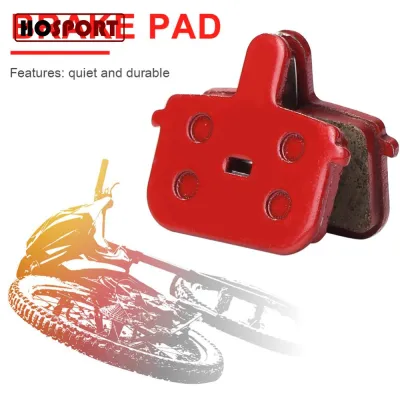
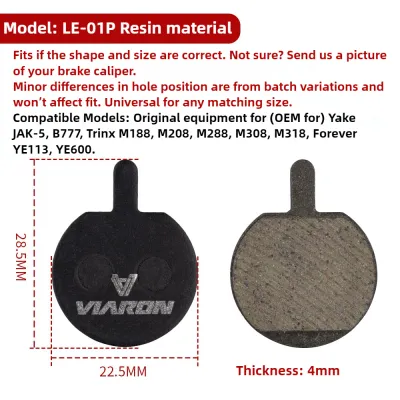
Prices are valid at publication and may change. Please refer to the product page for the latest price.
Stopping Power and Braking Feel Compared
The way a brake pad translates the pull of your finger on the lever into deceleration at the wheel is fundamental to how your bike handles. Resin and sintered pads offer distinct tactile experiences, often referred to as ‘braking feel.’ Resin pads are celebrated for their immediate initial bite. The moment you pull the lever, the soft organic compound conforms quickly to the microscopic imperfections of the steel rotor, providing instant friction. This initial responsiveness is highly intuitive and gives riders a sense of immediate control. Furthermore, resin pads offer excellent modulation. This means you can easily control the amount of braking force applied, making it simple to feather the brakes to maintain traction on loose, off-camber corners or slippery roots without accidentally locking up the wheels.
Sintered pads behave differently, often requiring a brief warm-up period before they deliver their maximum stopping potential. On the first brake application of a cold descent, they might feel slightly dull or require a firmer pull at the lever. However, once the metallic particles reach their optimal operating temperature, sintered pads deliver an incredibly powerful, linear, and aggressive bite. The lever feel is exceptionally firm and solid, which many downhill and enduro riders prefer because it provides a direct, mechanical connection to the braking force. When you need to shut down high speeds instantly before a sharp turn, a warm sintered pad offers exceptional raw stopping power.
Heat management is where the physical differences between these two compounds become most apparent. During long, continuous descents, the friction between the pad and the rotor generates extreme temperatures. Resin pads do not conduct heat well; instead, they tend to insulate the caliper. Under prolonged high heat, the organic binders in resin pads can begin to break down and release gases, creating a microscopic cushion between the pad and the rotor. This phenomenon, known as ‘brake fade,’ causes the brake lever to feel firm, but the actual stopping power drops dramatically, requiring significantly more hand effort to slow down. Sintered pads, being composed of metal, are highly conductive. They transfer heat away from the braking interface and dissipate it through the backing plate and caliper body. This superior thermal management ensures that sintered pads maintain consistent, predictable stopping power even on the longest, steepest mountain descents.
Before making any changes to your braking setup, it is critical to verify compatibility. Many entry-level mountain bike rotors are stamped with the warning ‘Resin Pads Only.’ These rotors are manufactured from a softer grade of steel that cannot withstand the abrasive nature and high operating temperatures of sintered pads. Using sintered pads on a resin-only rotor will cause rapid, uneven rotor wear, extreme noise, and potential structural failure of the rotor under heavy braking. Always inspect your rotors and consult your brake manufacturer’s specifications before upgrading your pad compound.
Noise Levels and Rotor Wear Expectations
Brake noise is a common annoyance that can ruin the peaceful ambiance of a trail ride. Resin pads are highly regarded for their quiet operation. Because the organic compound is relatively soft and compliant, it dampens vibrations rather than amplifying them. In dry conditions, resin pads run virtually silent. Even when they do get wet from a creek crossing or a sudden downpour, they tend to quiet down very quickly once a few rotations of the wheel dry the braking surface. For riders who find the constant squeal of disc brakes distracting, resin is the logical choice.

Sintered pads are notoriously loud, particularly in wet, muddy, or cold conditions. The hard metallic compound rubbing against a steel rotor can create intense high-frequency vibrations that manifest as a loud, metallic squeal or a grinding noise. This noise is often most pronounced at the beginning of a ride or during slow-speed technical descents where the brakes do not get hot enough to burn off moisture and debris. While the noise does not necessarily indicate a performance failure, it can be highly irritating and may draw unwanted attention on shared-use trails.
Component longevity is another key trade-off between these two materials. Resin pads wear down much faster than sintered pads, especially when exposed to abrasive grit, sand, or mud. A single muddy ride can completely destroy a set of resin pads, wearing them down to the metal backing plate. However, because they are soft, resin pads are incredibly gentle on your rotors, extending the lifespan of your expensive braking surfaces. Sintered pads are exceptionally durable and highly resistant to abrasive wear, making them the more economical choice for riders who frequently encounter harsh weather. The trade-off is that their hard, metallic composition accelerates rotor wear, meaning you will need to replace your steel rotors more frequently.
To maintain safety and performance, you must perform regular observable checks on your braking system. Use a digital caliper or micrometer to measure your rotor thickness; most manufacturers specify a minimum safe thickness (often 1.5mm or 1.8mm) stamped directly on the rotor. Inspect your brake pads regularly for wear; if the friction material is worn down to less than 1mm, or if the pad wear spring is close to contacting the rotor, replace them immediately. Additionally, check for pad glazing, which appears as a shiny, mirror-like finish on the pad surface. Glazing is caused by overheating and severely reduces friction, but it can often be remedied by lightly sanding the pad surface with fine-grit sandpaper on a flat block. Finally, look for uneven wear patterns across the pad, which may indicate sticky caliper pistons or a misaligned brake caliper.
Matching Pad Material to Your Riding Style and Terrain
Selecting the right brake pad requires an honest assessment of where and how you ride. To simplify this decision, you can apply a practical framework based on your typical trail conditions and riding discipline.
Choose Resin if:
- You primarily ride cross-country (XC), light trail, or flow trails where braking is intermittent rather than continuous.
- Your local trails are predominantly dry, dusty, or hard-packed.
- You prioritize a quiet, squeal-free ride and value a highly progressive, easy-to-modulate braking feel.
- You want to maximize the lifespan of your brake rotors and do not mind replacing pads more frequently.
Choose Sintered if:
- You ride enduro, downhill, or steep alpine terrain that demands sustained, heavy braking on long descents.
- You frequently ride in wet, muddy, snowy, or highly abrasive trail conditions.
- You require absolute consistency and fade resistance under extreme thermal loads.
- You want a highly durable pad that lasts through multiple seasons of hard riding, even if it means replacing rotors more often.
Verify first if:
- Your current rotors are rated for metallic or sintered pads (look for the 'Resin Pads Only' stamp).
- Your brake calipers and hydraulic system are designed to handle the higher heat transfer associated with sintered compounds.
- Your riding weight, including your bike and gear, warrants the extra heat management of sintered pads.
Rider weight and bike type play a massive role in braking dynamics. A heavier rider, or one carrying a heavy hydration pack and overnight gear, generates significantly more kinetic energy that must be converted into heat during braking. The same applies to electric mountain bikes (e-bikes), which are substantially heavier than traditional mountain bikes and carry more momentum into corners. For heavy riders and e-bike users, resin pads can quickly become overwhelmed, leading to rapid wear and dangerous brake fade. In these scenarios, sintered pads—or specialized heavy-duty e-bike pads—are highly recommended to ensure consistent stopping power and acceptable pad life.
When purchasing replacement pads, whether from an online marketplace or your local bike shop, always verify the exact pad shape and caliper compatibility. Brake manufacturers often use highly specific pad shapes for different models within their lineup, and even minor variations can prevent the pad from fitting or functioning correctly. Always double-check your brake model number (e.g., Shimano Deore, SRAM Code, Magura MT7) before finalizing your purchase.
Installation, Bedding-In, and Maintenance
Proper installation and conditioning are critical to ensuring your new brake pads perform safely and predictably. Simply dropping new pads into your calipers is not enough; you must perform a thorough bedding-in (or burnishing) process before riding technical trails. Bedding-in is the process of transferring an even, microscopic layer of pad material onto the steel rotor surface. This material-on-material contact is what generates the high friction required for effective stopping power. Without proper bedding-in, your brakes will feel weak, wear out prematurely, and produce excessive noise.
To bed in your new pads, find a safe, flat, and paved area away from traffic. Accelerate to a moderate speed (approximately 20 to 25 km/h), then apply the brakes firmly and smoothly to slow down to a walking pace. Do not lock up the wheels, and do not come to a complete stop with the brakes applied, as this can cause an uneven deposit of pad material, leading to a pulsing sensation at the lever. Release the brakes and repeat this process 10 to 20 times per wheel. You will feel the stopping power increase significantly with each repetition as the pad material transfers to the rotor.
Safety is paramount when working on disc brakes. Always keep your hands, tools, and work area completely clean. Even a tiny drop of chain lubricant, suspension fluid, or grease from your fingers can contaminate your brake pads, rendering them useless. When installing new pads, use a clean plastic tire lever or a dedicated piston press tool to push the caliper pistons back into their bores to make room for the thicker new pads. Once installed, inspect your rotor alignment to ensure the rotor spins freely without rubbing against either pad.
Always consult your brake manufacturer’s user manual for specific torque specifications when tightening caliper mounting bolts and rotor bolts. If, after installing and bedding in your new pads, your brake lever feels spongy, pulls all the way to the handlebar, or lacks immediate engagement, stop riding immediately. A spongy lever indicates that air has entered the hydraulic system, or that the system requires a fluid top-up. Do not attempt to ride with compromised brakes; instead, consult a qualified professional bicycle mechanic at your local shop to perform a comprehensive brake bleed and safety inspection.
Frequently Asked Questions (FAQ)
Can I mix resin and sintered pads on the same bike?
Yes, mixing pad compounds is a popular and effective way to customize your bike’s braking performance. Many riders choose to run a sintered pad on the front brake and a resin pad on the rear brake. This configuration places the highly durable, heat-resistant, and powerful sintered pad on the front wheel, which handles up to 70% of your stopping power and experiences the highest thermal loads. Meanwhile, the softer resin pad on the rear wheel provides excellent modulation and quieter operation, making it easier to control rear-wheel traction without locking up and skidding. If you decide to mix compounds, ensure both systems are properly bedded in and compatible with your rotors.
How do I clean contaminated brake pads and rotors?
If your brake rotors become contaminated with oil, grease, or hydraulic fluid, they can usually be salvaged by cleaning them thoroughly with high-purity isopropyl alcohol (90% or higher) and a clean, lint-free microfiber cloth. For contaminated brake pads, however, the situation is more difficult. Because both resin and sintered pad materials are highly porous, they absorb oils deep into their structure. While some riders attempt to clean contaminated pads by sanding the surface or using a blowtorch to burn off the oil, these methods are highly unreliable and can compromise the structural integrity of the pad. For your safety and consistent stopping power, replacing contaminated pads with a fresh set is the only recommended solution.
Do I need to change my rotors when switching pad materials?
You do not necessarily need to replace your rotors when switching between resin and sintered pads, provided the rotors are compatible with both compounds and are not worn past their minimum thickness. However, you must prepare the existing rotors properly. When switching from resin to sintered pads, the layer of organic material embedded in the rotor can prevent the new metallic pads from bedding in correctly, resulting in poor stopping power and severe squealing. To prevent this, thoroughly clean the rotor with isopropyl alcohol and use fine-grit sandpaper to lightly scuff the braking surface, removing the old pad material before installing and bedding in the new pads.
Community discussion
Share your experience or ask a question. Comments are reviewed before publication.