
Selecting the correct hydraulic brake pads is one of the most impactful decisions you can make for your bicycle’s safety and handling. The choice between resin and sintered compounds directly affects how quickly you can stop, how much control you have at the brake lever, and how your brakes perform during long descents or sudden tropical downpours. Rather than one compound being universally superior, each is engineered to solve specific riding challenges.
Resin pads, often referred to as organic pads, are designed for riders who prioritize quiet operation, immediate low-temperature grip, and smooth modulation. Sintered pads, also known as metallic pads, are built to withstand extreme heat, heavy loads, and abrasive trail debris. Matching the right compound to your riding style ensures optimal control, safety, and component longevity.
Understanding the Core Differences in Brake Pad Compounds
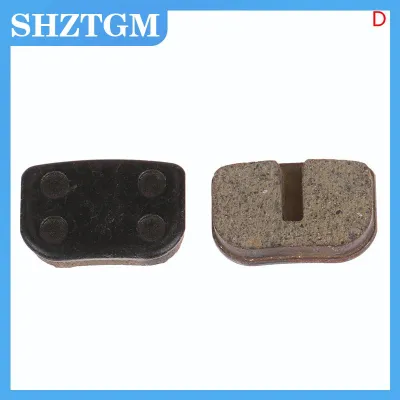
To understand why these two compounds behave so differently on the trail, it helps to look at their physical construction. Resin brake pads are manufactured using a mixture of organic fibers, such as rubber, Kevlar, carbon, and glass, which are bound together with a high-temperature synthetic resin. This composition results in a relatively soft pad material that conforms easily to the microscopic imperfections of the brake rotor, creating immediate friction even when the brakes are completely cold.
Products mentioned in this guide
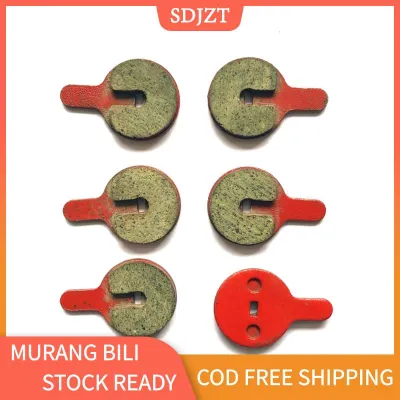
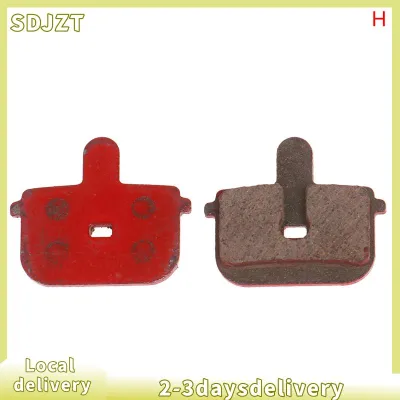
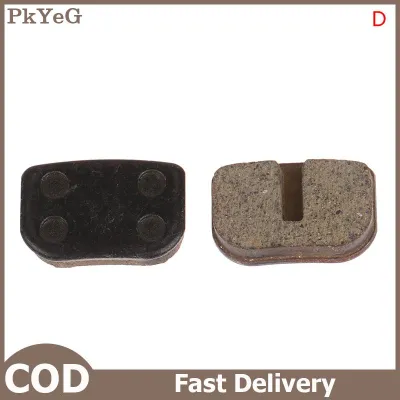
79 Lazada user ratings
High-quality metal material, Perfect for hydraulic brakes, 🔌Compatibility:working perfect and it is very good brake effect 🛠️Ease of Installa…Read full reviewShow less
High-quality metal material, Perfect for hydraulic brakes, 🔌Compatibility:working perfect and it is very good brake effect 🛠️Ease of Installation:very easy to install very good value for money
🔌Compatibility:working absolutely perfect and it is good brake effect 🛠️Ease of Installation:it is very easy to install great Value for money
PANGET WALANG SPRING SOBRANG TAGAL PA DUMATING JUNE 7 INORDER TAPOS XINANCEL KONA DUMATING PA
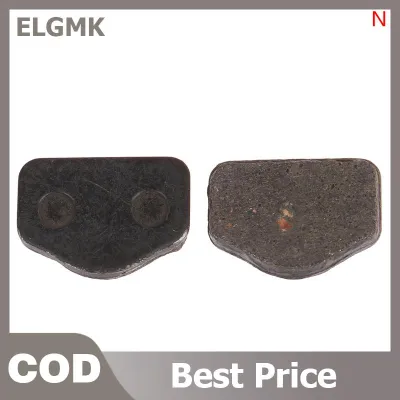
37 Lazada user ratings
na receive kn po Ang item okey naman po maraming salamat
thank you seller package well packed
Wala po kasama Clip ung Break Pad
🛠️Ease of Installation:
good product
19 Lazada user ratings
Good Quality! Reasonable Price! Medyo matagal lang delivery dahil meron sila sariling courier! Highly Recommended! Thanks Seller and Lazada …Read full reviewShow less
Good Quality! Reasonable Price! Medyo matagal lang delivery dahil meron sila sariling courier! Highly Recommended! Thanks Seller and Lazada Rider.
Excellent seller support, Good braking performance, Nice color matching, Perfect fit for bike, Fast shipping service,
Good braking performance, High quality brake pads,
Easy installation, Durable and strong,
maganda at matibay para sa akin
Prices are valid at publication and may change. Please refer to the product page for the latest price.
Sintered brake pads, by contrast, are made from metallic particles—typically a blend of copper, iron, bronze, and steel—that are fused together under intense heat and pressure. This metallic matrix creates a highly dense, incredibly hard friction material that is bonded to a steel backing plate. Because they are primarily metal, sintered pads conduct heat differently and resist physical wear far better than their organic counterparts, though they require more heat to reach their optimal operating friction.
These structural differences dictate how each pad type manages the friction interface. Resin pads wear down by shedding microscopic layers of organic material, which keeps the braking surface clean but accelerates pad wear. Sintered pads rely on the sheer hardness of the metallic matrix to bite into the rotor, which provides immense durability but subjects the rotor itself to higher physical stress and wear over time.
Performance Comparison Across Key Riding Factors
Choosing a brake pad requires balancing several competing performance characteristics. Every rider must weigh the trade-offs between lever feel, thermal capacity, noise, and maintenance intervals to find the compound that fits their typical routes.

Stopping Power and Modulation
The term “modulation” refers to your ability to precisely control the amount of braking force applied to the wheels without locking them up. Resin pads excel in this category, offering a progressive, intuitive feel at the brake lever. As you pull the lever harder, the braking force increases smoothly, allowing you to make micro-adjustments to your speed on loose gravel or technical corners.
Sintered pads deliver a much more aggressive, immediate initial bite. When you squeeze the lever, the metallic compound grabs the rotor with high force almost instantly. While this provides massive stopping power, it requires a more delicate touch and experienced finger control to prevent the tires from skidding, especially on loose or slippery surfaces.
Heat Management and Brake Fade
During long, steep descents, the friction between your pads and rotors generates intense heat. If this heat cannot escape, it can lead to brake fade—a dangerous condition where the brake lever feels firm, but the stopping power severely diminishes. Sintered pads are highly resistant to brake fade because their metallic composition conducts heat away from the braking surface and into the caliper body, maintaining consistent friction at high temperatures.
Resin pads have a much lower thermal threshold. Under sustained, heavy braking, the organic binders in resin pads can overheat and begin to off-gas, creating a thin, slippery barrier between the pad and the rotor. If you frequently ride long, steep descents or carry heavy cargo, you must verify your brake system’s heat tolerance and consider sintered pads to prevent thermal fade.
Noise, Rotor Wear, and Longevity
Noise is a major consideration for many cyclists, particularly those who ride in quiet environments or urban areas. Resin pads are naturally quiet, producing minimal noise under dry conditions and only a brief squeal when wet. Because the compound is softer than the steel rotor, resin pads cause very little wear to the rotor surface, though the pads themselves will wear down relatively quickly and require frequent replacement.
Sintered pads are notorious for being noisy, often producing a high-pitched metallic squeal when subjected to moisture, dust, or light contamination. Because the metallic compound is incredibly hard, it acts as an abrasive against the brake rotor, accelerating rotor wear and requiring you to replace your rotors more frequently. However, the pads themselves are highly durable, lasting significantly longer than resin pads under identical riding conditions.
Matching the Compound to Your Riding Style and Conditions
Your choice of brake pad should align directly with your typical riding environment, your skill level, and the weather conditions you encounter.
Commuting and Casual Trail Riding
For daily commuting, urban riding, and casual cross-country trails, resin pads are generally the most practical choice. City riding involves frequent, short stops where the brakes rarely reach high operating temperatures. Resin pads provide excellent stopping power right from the start of your ride without needing a warm-up period. Their quiet operation and low rotor wear make them a low-maintenance, user-friendly option for riders who want reliable performance without the setup hassle or noise of metallic compounds.
Aggressive Trail and Enduro Riding
If your riding involves technical singletrack, steep descents, and high-speed trail riding, your brakes will experience much higher thermal loads. Sintered pads are highly recommended for aggressive trail and enduro riders who need consistent, fade-free stopping power when flying down steep hills. Some riders choose a mixed setup—installing a sintered pad in the rear brake for maximum heat management and a resin pad in the front brake to maintain precise modulation and steering control.
Downhill and Wet or Muddy Conditions
For downhill racing and riding in wet, humid climates like the Philippines, sintered pads are virtually essential. Tropical downpours and muddy trails can quickly destroy a set of resin pads, as the wet grit acts like sandpaper on the soft organic material. Sintered pads maintain their friction coefficient in wet conditions and physically scrape water, mud, and debris off the rotor face much more effectively, ensuring you have reliable stopping power when navigating slippery roots and steep, muddy drops.
How to Check Compatibility and Make Your Final Choice
Before purchasing new hydraulic brake pads, you must perform a few compatibility and safety checks to ensure safe operation.
First, verify caliper compatibility by matching the exact brand and model of your brake caliper to the pad shape. Brake pads are not universal; they come in dozens of different shapes, backing plate designs, and mounting pin configurations. Check your brake caliper’s user manual or consult a local bike shop to identify the exact replacement pad model code.
Second, inspect your brake rotors for compatibility restrictions. Many entry-level and lightweight rotors are stamped with the warning “Resin Pad Only.” These rotors are made from softer steel alloys that cannot withstand the intense heat and abrasive wear of sintered metallic pads. Installing sintered pads on a resin-only rotor will rapidly destroy the rotor, void your warranty, and potentially lead to catastrophic brake failure.
Third, check your rotor thickness before installing new pads. Rotors wear down over time, and installing new pads on a rotor that is below the manufacturer’s minimum recommended thickness (often engraved on the rotor blade, typically around 1.5mm to 1.8mm) is highly dangerous. If your rotor is close to this limit, replace both the rotor and the pads at the same time.
Finally, remember that both resin and sintered pads require a proper bedding-in process to achieve full stopping power. This process involves performing a series of controlled, gradual stops from moderate speed without locking up the wheels. Bedding-in transfers a thin, even layer of pad material onto the rotor face, which is essential for maximizing friction, preventing brake squeal, and ensuring consistent performance.
Frequently Asked Questions (FAQ)
Can I mix resin and sintered pads on the same bike?
Yes, you can run different compounds on the front and rear brakes, provided both are compatible with your respective rotors. A popular configuration is running a sintered pad on the rear brake to handle the high heat of dragged brakes, while keeping a resin pad on the front brake to maintain smooth, predictable modulation for steering control. Never mix different compounds within the same caliper, as this will cause uneven pad wear and poor piston alignment.
Do sintered pads ruin my brake rotors?
Sintered pads do not ruin compatible rotors, but they do accelerate physical wear due to their hard metallic composition. You will need to monitor your rotor thickness more closely and replace them sooner than you would when using resin pads. Always verify that your rotors are rated for metallic or sintered pads before installation to prevent rapid gouging and premature failure.

Community discussion
Share your experience or ask a question. Comments are reviewed before publication.