
Selecting the right front sight for your rifle is a critical decision that directly influences your aiming speed, precision, and overall confidence in the field. The ideal choice depends on your specific shooting discipline, local environmental conditions, and personal visual preferences. In tropical environments where dense foliage, high humidity, and sudden weather shifts are common, understanding how different sight designs interact with ambient light and target backgrounds is essential for consistent performance. However, even the most advanced sighting system cannot replace fundamental marksmanship training, proper cheek weld, and regular practice.
Each front sight design offers distinct physical characteristics and visual feedback. By evaluating the structural differences between post, blade, and fiber optic sights, you can identify which configuration aligns with your shooting style and environmental demands.
Understanding Rifle Front Sight Designs
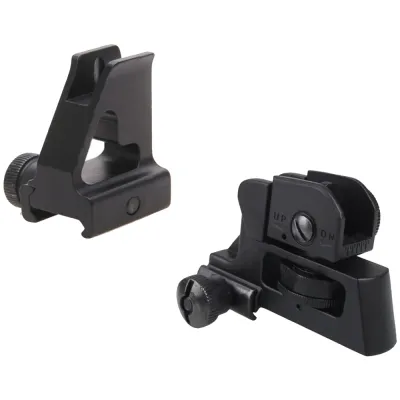
Post sights feature a vertical pillar structure, which is one of the most traditional and widely used designs in military and target rifles. The post typically presents a square or slightly tapered top edge when viewed through a rear sight. This flat, level top provides a highly precise reference point, allowing you to align the exact center of your target right on top of the post. Because of its clean geometric profile, the post sight minimizes visual clutter, making it easier to estimate elevation and windage holdovers during deliberate aiming.
Products mentioned in this guide
Prices are valid at publication and may change. Please refer to the product page for the latest price.
Blade sights utilize a thin, flat, vertical sheet of metal or polymer that runs parallel to the barrel. When looking down the receiver, the shooter sees a narrow vertical line. This design offers an exceptionally crisp, unobstructed view of the surrounding target area. Blade sights are highly favored for classic target rifles and handguns because their slim profile prevents the sight from completely obscuring distant or small targets, allowing for highly refined alignment.
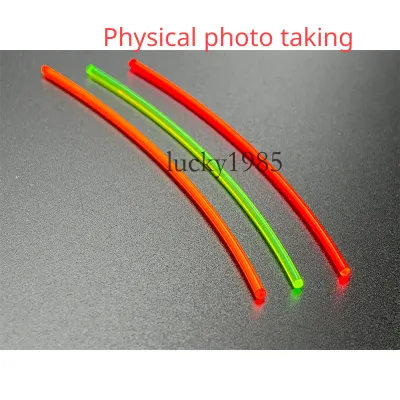
Fiber optic sights integrate a small, light-gathering polymer tube into the front sight housing. This tube collects ambient light along its exposed length and channels it to the polished ends, presenting a bright, glowing dot to the shooter. Because this system relies entirely on natural or artificial ambient light, it requires no batteries or external power sources. It is important to note that fiber optic sights do not glow in absolute darkness; instead, they amplify available light to create a high-contrast point of aim against dark or busy backgrounds.
Matching Front Sight Types to Shooting Scenarios
For precision target shooting at dedicated outdoor ranges, thin posts or blade sights are generally the most effective choices. When shooting at known distances under consistent lighting, a fine post allows you to maintain a clear view of small, static targets without the aiming point covering the bullseye. This level of detail is crucial for tight shot groups, as a thicker sight profile can easily blot out a distant target, leading to alignment errors.

In hunting and low-light environments, such as under dense forest canopies or during the dim hours of dawn and dusk, standard black metal sights can easily blend into dark, cluttered backgrounds. Fiber optic inserts excel in these conditions by gathering the limited ambient light to produce a bright green, red, or orange dot. This contrast helps your eyes quickly distinguish the sight from natural foliage. However, in heavy tropical downpours, water droplets clinging to the fiber optic rod can temporarily distort the gathered light, a factor you must verify and manage during field use.
Dynamic or rapid-engagement scenarios, such as competitive action shooting or close-range pest control, require rapid target acquisition over extreme precision. In these situations, a thicker front post or a bright fiber optic sight is highly advantageous. The human eye naturally tracks a bold shape or a vibrant color much faster than a thin, dark line. While this setup assists with rapid visual tracking, it does come with a trade-off, as the wider profile limits your ability to make highly precise shots at longer distances.
Decoding Front Sight Specifications and Compatibility
Before purchasing a new front sight, you must verify its mounting interface to ensure direct physical compatibility with your rifle. Common mounting systems include specific dovetail cuts (measured in fractions of an inch or millimeters), Picatinny rail slots, or barrel-integrated ramp bases. Consult your rifle’s technical manual or use precision calipers to measure your existing mounting slot, as even minor dimensional differences can prevent a secure fit or cause the sight to drift under recoil.
Sight height and sight radius play a fundamental role in your rifle’s zeroing capability. The height of the front sight must be carefully matched to your rear sight; if the front sight is too tall or too short, you may run out of elevation adjustment on your rear sight when attempting to zero. Additionally, a longer sight radius—the physical distance between the front and rear sights—increases your potential aiming accuracy but makes the system more sensitive to slight alignment errors.
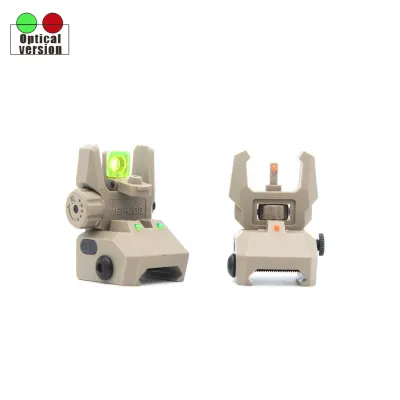
Consider the overall profile of the sight and whether it features protective wings or ears. These metal guards flank the front post or fiber optic tube, shielding the delicate components from accidental impacts during transport, storage, or rugged field use. While protective wings help prevent zero shifts caused by bumps, you should verify that their shape does not excessively block your peripheral vision or clutter your sight picture.
Inspection and Maintenance for Zero Retention
Maintaining your front sight is essential for ensuring that your rifle retains its zero over time. Regularly perform visual checks to inspect the sight for bent posts, loose mounting screws, or cracked fiber optic tubes. In humid, tropical climates, pay close attention to the mounting joints and check for any signs of rust or corrosion that could compromise the structural integrity of the sight interface.
When cleaning your rifle, establish safe cleaning boundaries to protect your sighting components. Harsh chemical solvents, spray lubricants, and degreasers can cloud, melt, or structurally weaken polymer fiber optic rods, and they can dissolve the adhesives or paints used for contrast markers. Always apply cleaning agents carefully with a patch or swab, keeping them away from the sight element, and clean the sight itself using only a mild, damp cloth.
If you detect any structural play, stripped threads, or if the sight requires forced adjustments that do not align with the manufacturer’s instructions, stop immediately. Forcing a tight screw or attempting to drift a stubborn dovetail sight without the proper pusher tool can permanently damage your rifle’s barrel or receiver. In these situations, halt your adjustments and consult a qualified gunsmith to ensure the sight is mounted safely and securely.
Frequently Asked Questions (FAQ)
Can I combine a fiber optic front sight with a standard rear sight?
Yes, combining a bright fiber optic front sight with a plain, dark rear notch or aperture is a highly effective configuration. This setup naturally draws your eye’s focus directly to the front sight, which is a fundamental principle of accurate iron-sight shooting. It also prevents the visual confusion and clutter that can occur when both the front and rear sights feature bright, competing colors or glowing elements.
Do I need a front sight if my rifle has an optical scope?
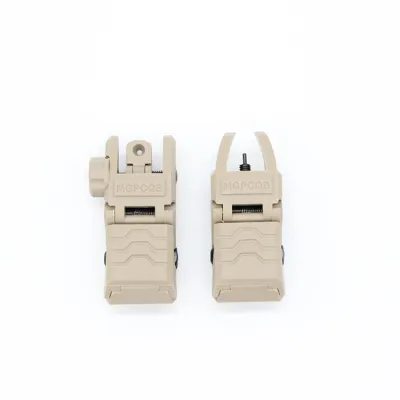
While not strictly necessary for primary aiming, a mechanical front sight serves as a reliable backup system if your optical scope fails, suffers impact damage, or fogs up in high-humidity environments. If you choose to keep iron sights on a scoped rifle, consider using folding sights or quick-detach mounts. These options allow you to keep your primary field of view clear through the scope while ensuring you have a functional backup aiming system ready if needed.
Community discussion
Share your experience or ask a question. Comments are reviewed before publication.