
In the Philippines, basketball is more than just a sport; it is a vibrant part of daily community life. From makeshift street goals to polished indoor courts, children across the country grow up with a basketball in hand, dreaming of executing the perfect jump shot. However, in the rush to help young players develop their skills, parents often make the mistake of introducing them to a regulation 10-foot hoop far too early. Setting the rim too high forces children to alter their natural body mechanics, leading to persistent shooting habits that can hinder their athletic growth for years to come.
To foster proper skill progression and prevent physical strain, the height of the basketball hoop must align with your child’s physical stature, arm strength, and motor development. An adjustable basketball hoop offers a practical solution, allowing the equipment to grow alongside your child. By understanding the ideal hoop height for each developmental stage, you can create a safe, engaging, and highly effective training environment right in your driveway or backyard.
Basketball Hoop Height Guide by Age and Skill Level
Matching the rim height to your child’s age group ensures they can practice correct shooting mechanics without straining their muscles. When a child plays on a hoop that is too high, they lack the physical strength to push the ball up to the rim using standard form. To compensate, they typically adopt a “shot-put” motion, pushing the ball from their chest or shoulder with both hands. This destroys the fundamental vertical alignment of a proper shot, making it incredibly difficult to develop a consistent release point, elbow tuck, and wrist flick later in life.
Products mentioned in this guide
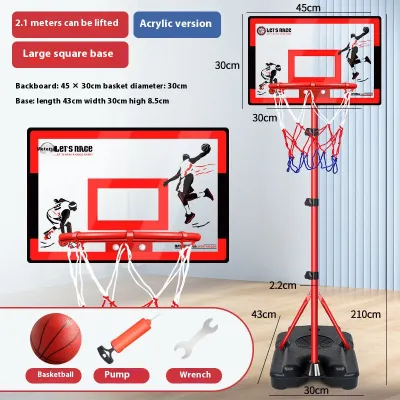
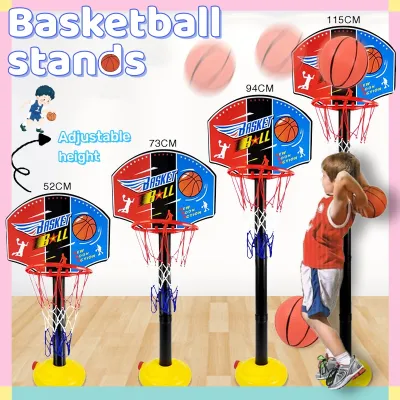
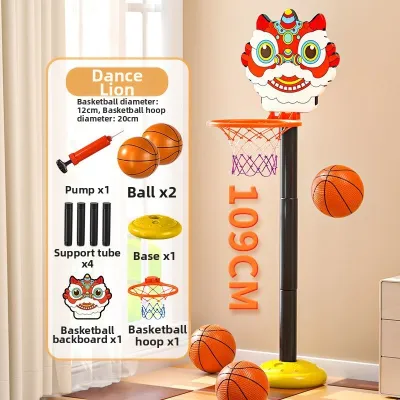
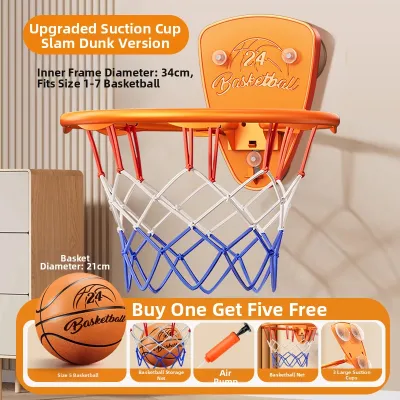
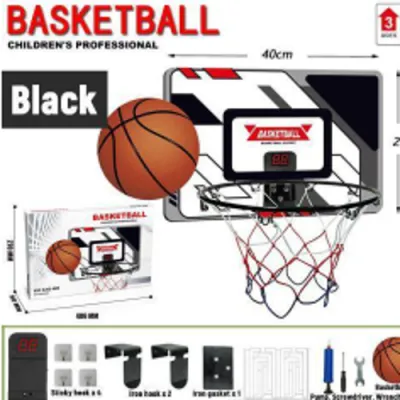
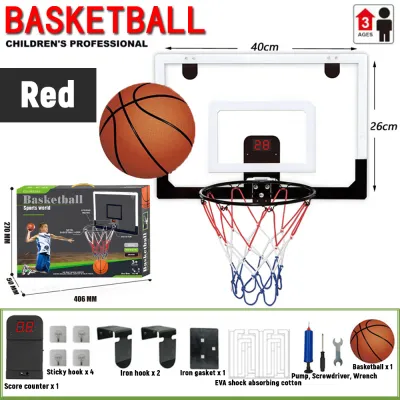
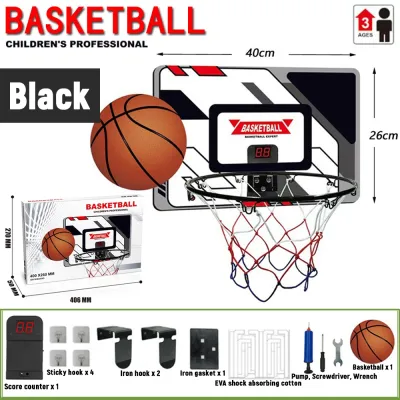
Prices are valid at publication and may change. Please refer to the product page for the latest price.
Using an adjustable system allows you to gradually raise the rim as your child’s strength and coordination improve. The table below serves as a reliable reference guide for matching hoop heights to your child’s age and developmental stage:
| Age Group | Recommended Hoop Height | Recommended Ball Size | Primary Skill Focus |
|---|---|---|---|
| Ages 3–4 | 3 to 5 feet | Mini / Toy Basketball | Hand-eye coordination, basic catching, and soft tossing |
| Ages 5–7 | 6 to 7 feet | Size 4 (25.5") | Basic shooting motion, catching, and short-range layups |
| Ages 8–10 | 8 feet | Size 5 (27.5") | Developing form consistency, wrist flick, and passing accuracy |
| Ages 11–12 | 9 feet | Size 6 (28.5") | Transitioning to standard mechanics and mid-range jump shots |
| Ages 13+ | 10 feet (Regulation) | Size 7 (29.5" for Boys) / Size 6 (Girls) | Full-court play, advanced range, and competitive rules |
Introducing a child to a standard 10-foot rim prematurely also carries biomechanical risks. Young shoulders, elbows, and wrists are still developing. Forcing these joints to generate excessive upward force can lead to repetitive strain injuries or muscle fatigue. When the hoop is set at the correct, age-appropriate height, the child can focus on bending their knees, keeping their elbow aligned under the ball, and releasing it at the peak of their reach. This builds correct muscle memory and boosts their confidence as they see their shots successfully clear the net.
How to Choose a Safe and Durable Adjustable Basketball Hoop
Selecting the right adjustable basketball hoop requires evaluating several structural components to ensure long-term safety, stability, and playability. Because outdoor hoops are subjected to both active play and unpredictable weather conditions, understanding the materials and engineering behind these systems will help you make an informed investment.

Base Stability
Portable basketball hoops rely on a hollow plastic base that must be filled with ballast to remain upright. Parents generally choose between filling the base with water or sand. Water is highly convenient and easy to drain when you need to move the unit, but it is lighter, weighing approximately 1 kilogram per liter. Sand is significantly denser, weighing roughly 1.5 to 1.6 kilograms per liter. This extra weight is crucial for outdoor setups in the Philippines, where sudden monsoon gusts and tropical typhoons can easily tip over a water-filled unit. A sand-filled base provides superior stability, preventing dangerous tipping accidents during aggressive play or high winds.
Backboard Materials
The material of the backboard directly affects the ball’s rebound performance and the unit’s overall durability. Polycarbonate backboards are highly durable and virtually indestructible, making them an excellent choice for families with young, active children who might accidentally hit the board with heavy toys or rocks. However, polycarbonate tends to absorb energy, resulting in a slightly dull rebound. Acrylic backboards offer a step up, providing a livelier bounce and a clearer, professional appearance while remaining shatter-resistant. Tempered glass is the premium option used in professional arenas, offering the truest rebound and scratch resistance. However, glass is heavy, expensive, and requires a highly robust frame, making it less common for portable residential models.
Adjustment Mechanisms
How easily you can change the rim height determines how often you will actually adjust it to match your child’s needs. Telescoping poles are common on budget-friendly models; they require you to remove a bolt, manually slide the pole to the desired slot, and reinsert the bolt. This is typically a two-person job and offers limited height increments. Crank systems utilize a rotating handle or jack mechanism that allows for smooth, continuous micro-adjustments, making it easy for an adult to raise or lower the rim with one hand. Quick-adjust handles use a counterbalanced lever or spring-loaded trigger, allowing you to change heights in seconds. Always look for systems with reliable safety locks to prevent the pole from sliding down unexpectedly.
Rim Type
Younger children are content with basic shooting, but as they grow, they will inevitably want to practice aggressive layups or attempt to hang on the rim. Standard static rims are bolted directly to the backboard or support frame. If a player hangs on a static rim, the force is transferred directly to the backboard, which can crack or shatter the material. Breakaway rims feature enclosed steel springs that compress under downward pressure, absorbing the impact of a shot or a brief grab. This safety feature protects the backboard from structural damage and reduces the risk of wrist or hand injuries for growing players.
Top Adjustable Basketball Hoops for Growing Kids
To help you find the right system for your home, we have categorized the top adjustable basketball hoop styles based on age groups, space constraints, and play requirements. When selecting a hoop, always prioritize models that offer a wide adjustability range, a stable base footprint, and weather-resistant coatings. Additionally, remember to verify current manufacturer specifications, warranty terms, and local availability with your retailer before finalizing your purchase.
Best Overall 44-Inch Adjustable Hoop
Designed primarily for school-aged children between the ages of 8 and 14, a 44-inch adjustable hoop strike the perfect balance between durability, playability, and space efficiency. This category is ideal for standard driveways, carports, or small backyard courts where space is shared with family vehicles.
When shopping in this category, look for a 44-inch backboard made of high-density polycarbonate or acrylic. The system should offer an adjustment range from 7.5 feet up to the regulation 10 feet, allowing it to transition seamlessly as your child enters high school. A base capacity of at least 30 gallons is highly recommended to ensure the unit remains stable during intense shooting practice.
- Pros: Excellent durability, realistic rebound action, and a height range that accommodates both middle schoolers and adults.
- Limitations: The 44-inch width is slightly narrow for advanced players practicing complex bank shots from wide angles, where a 54-inch backboard would perform better.
Best Budget-Friendly 32-Inch Portable Hoop
If you have limited outdoor space, a tight budget, or younger children who are just starting to explore the sport, a 32-inch portable hoop is an excellent entry-level option. These models are typically priced under ₱8,000, making them highly accessible for families.
These compact systems usually feature a 32-inch shatterproof plastic backboard and a simple telescoping pole that adjusts from 6 feet to 8 feet. The base is smaller, typically holding around 20 gallons of ballast, which makes the entire unit lightweight and highly mobile.
- Pros: Exceptionally affordable, easy to assemble, and highly portable, allowing you to quickly roll the unit into a garage or indoor storage area before a heavy rainstorm.
- Limitations: The limited maximum height of 8 feet means your child will outgrow the hoop by the time they reach age 10. The lighter base also requires strict parental supervision, as it cannot withstand dunking or aggressive physical play.
Best Low-Starting-Height Hoop for Toddlers
For toddlers and early beginners aged 3 to 6, a specialized mini-hoop is the safest and most effective way to build early hand-eye coordination and confidence. These systems are designed for indoor playrooms, covered patios, or small grassy yards.
Look for a toddler hoop constructed from lightweight, UV-resistant plastic or foam. The starting height should be adjustable from 3 feet to 5 feet, and the set should include small, lightweight junior-sized basketballs that are easy for tiny hands to grasp and throw.
- Pros: Safe for indoor use, highly encouraging for toddlers, and completely free of heavy metal parts that could cause injury.
- Limitations: These units are not built to withstand harsh outdoor weather; leaving them under direct tropical sunlight will cause the plastic to degrade and become brittle. They are also unsuitable for older, stronger children.
Installation, Safety, and Weather Maintenance Tips
Owning an outdoor basketball hoop in a tropical climate like the Philippines requires proactive maintenance. High humidity, heavy monsoon rains, and intense UV exposure can accelerate rust, degrade plastic bases, and weaken structural bolts. Implementing a regular maintenance and safety routine will extend the life of your equipment and keep your children safe.
Base Weighting Best Practices
Properly filling and sealing your hoop’s base is the foundation of its safety. Follow these steps to ensure maximum stability:
- Position First: Move the empty base to its permanent or semi-permanent location before filling it. Once loaded with sand, the unit will be extremely heavy and difficult to reposition.
- Use Dry Sand: Purchase dry masonry sand rather than wet sand. Dry sand flows smoothly through a funnel, whereas wet sand will clump and clog the fill hole.
- Use a Funnel: Place a wide-mouth funnel into the fill hole. Pour the sand slowly, tapping the sides of the plastic base periodically with a rubber mallet to help the sand settle and fill all empty pockets.
- Seal and Check: Once filled, screw the cap on tightly. Inspect the seams of the base for any hairline cracks or manufacturing defects that could allow sand to escape over time.
Routine Safety Checks
Create a monthly maintenance checklist to ensure the structural integrity of the hoop. Spending fifteen minutes a month on these checks can prevent major equipment failures:
- Tighten Hardware: Use a wrench to check and tighten all bolts connecting the pole segments, backboard brackets, and rim assembly.
- Inspect for Rust: Examine the steel pole for signs of rust, especially near the joints and the base where water tends to pool. If you spot rust, sand the area down and apply a coat of rust-inhibiting outdoor spray paint.
- Check the Net: High UV exposure can rot polyester nets quickly. Inspect the loops for fraying or tearing, and replace them with heavy-duty nylon or all-weather nets when they begin to degrade.
- Test the Adjustment Mechanism: Ensure the crank or telescoping system moves smoothly. Apply a small amount of silicone lubricant to moving parts to prevent binding.
Weather Precautions
During typhoon season, a portable basketball hoop can become a dangerous hazard if left unsecured. When a severe weather warning or typhoon signal is active, take immediate precautions to protect your property and the equipment:
- Lower the Rim: Always lower the hoop to its minimum height setting (usually 6 or 7.5 feet). This lowers the center of gravity and significantly reduces wind resistance.
- Store Indoors: If possible, wheel the unit into a secure garage, carport, or storage shed.
- Lay It Flat: If indoor storage is not an option, lay the hoop completely flat on the ground. Place a thick tarp or cardboard underneath the backboard to prevent it from scratching or cracking against concrete. Secure the base and pole with heavy sandbags or tie-downs to prevent the wind from rolling the unit.
Frequently Asked Questions (FAQ)
Can my 10-year-old play on a standard 10-foot hoop?
While some exceptionally tall or physically advanced 10-year-olds may be tempted to play on a regulation 10-foot hoop, it is generally not recommended. At age 10, most children are still developing the shoulder and core strength required to shoot a basketball with proper form at that height. Playing on a 10-foot rim usually forces them to push the ball from their chest, flare their elbows outward, or jump forward excessively to reach the target. Keeping the hoop at 8 or 9 feet allows them to practice a smooth, fluid shooting motion with a high release point, which is essential for long-term skill development.
How do I prevent the basketball hoop base from leaking or cracking?
To prevent the plastic base from leaking or cracking, avoid dragging the unit across rough concrete, asphalt, or gravel. Dragging wears down the plastic bottom, creating slow leaks that are difficult to patch. Always tilt the hoop onto its built-in wheels when moving it, or use a flat dolly for transport. Additionally, protect the base from prolonged, direct UV exposure when not in use by placing it in a shaded area of your driveway or yard. Using dry sand instead of water as ballast completely eliminates the risk of leaks, water evaporation, or base cracking due to water expansion.
What size basketball should I use for different age groups?
Using the correct ball size is just as important as setting the hoop to the right height. A ball that is too large or heavy forces young players to grip it incorrectly, ruining their shooting release and ball control. Use the following guide to select the right basketball size:
- Size 4 (25.5 inches): Ideal for children aged 4 to 8 years old.
- Size 5 (27.5 inches): The standard youth size, perfect for children aged 9 to 11 years old.
- Size 6 (28.5 inches): Recommended for boys aged 12 to 14, and girls aged 12 and older (including adult women).
- Size 7 (29.5 inches): The official regulation size for boys aged 15 and older, as well as adult men.
Community discussion
Share your experience or ask a question. Comments are reviewed before publication.