
Choosing between a rigid foot brace and a flexible compression sleeve depends on the severity of your sports injury and your stage of recovery. If you have a suspected fracture, severe ligament tear, or an unstable joint that cannot bear weight, a rigid foot brace is necessary to immobilize the area and prevent further damage. Conversely, if you are dealing with mild swelling, muscle fatigue, or are in the later stages of rehabilitation, a flexible compression sleeve offers the light support, warmth, and increased blood flow needed to keep you moving safely.
Selecting the wrong support can delay healing or worsen your injury. Wearing a rigid brace when you only need light compression can lead to joint stiffness and muscle weakness. On the other hand, relying on a thin sleeve when your ligaments require structural immobilization exposes you to painful re-injury, especially when navigating uneven outdoor terrain or returning to active sports.
Quick Assessment: Red Flags That Require a Doctor First
Before purchasing any foot brace or compression sleeve, you must rule out severe injuries that require immediate professional medical evaluation. Self-treating a serious structural issue can lead to chronic pain, joint instability, or improper bone healing. If you experience any of the following red flags after an athletic mishap, bypass retail options and consult a healthcare professional immediately.
Products mentioned in this guide
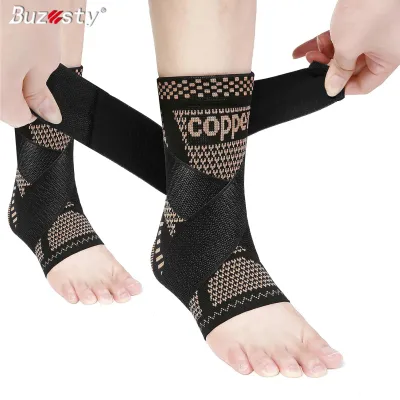
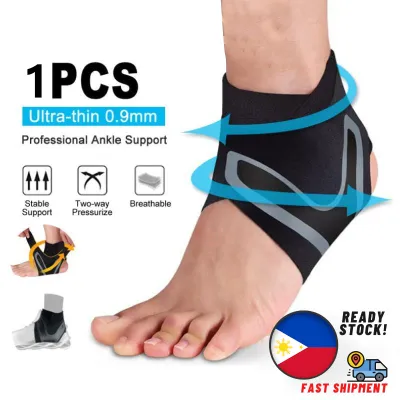
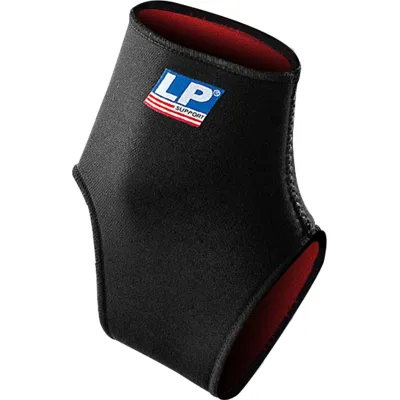
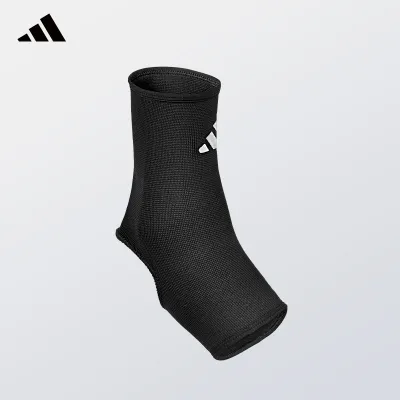
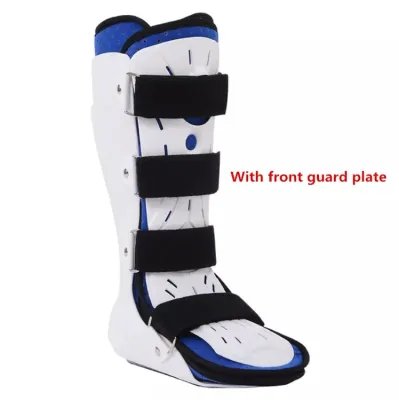
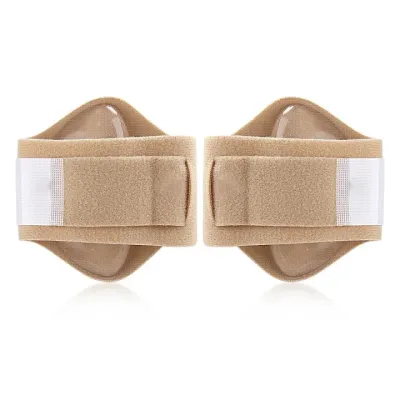
Prices are valid at publication and may change. Please refer to the product page for the latest price.
An inability to bear weight on your foot is the most immediate warning sign. If you cannot take more than four steps without excruciating pain, or if you notice any visible structural deformity or unusual alignment in your foot or ankle, you may be dealing with a fracture or a complete ligament rupture. Attempting to walk or apply compression to a broken bone without professional stabilization can cause severe internal tissue damage.
Circulatory and nerve issues also demand urgent medical attention. If you observe severe, rapid swelling, or if your toes feel cold, numb, or exhibit a tingling sensation, the blood supply or nerve pathways may be compromised. Similarly, if your pain worsens significantly over a short period or fails to show any improvement after a few days of rest, ice, compression, and elevation, a doctor must evaluate the injury before you introduce any supportive gear.
Flexible Compression Sleeves: Ideal for Mild Support and Recovery
Flexible compression sleeves are lightweight, elastic garments designed to slip over your foot and ankle like a snug sock. They are typically made from breathable, moisture-wicking fabrics such as nylon, spandex, or neoprene blends, which are highly suited for humid tropical climates. These sleeves do not contain hard plastic or metal components, allowing your foot to move through its natural range of motion while providing continuous, gentle pressure.

The primary benefit of a compression sleeve is its ability to manage mild swelling and improve local circulation. The elastic knit applies graduated pressure that helps your body reabsorb fluid buildup, which is particularly helpful after long runs, basketball games, or intense training sessions. This gentle compression also provides proprioceptive feedback—a heightened sensory awareness of your joint’s position—which helps your brain coordinate movements more efficiently and prevents minor missteps.
However, flexible sleeves have clear structural limitations. Because they lack rigid supports, they cannot immobilize a joint, bear heavy physical loads, or protect your ankle from sudden lateral rolling during high-impact sports. If you are recovering from a severe sprain where the lateral ligaments are stretched or torn, a simple sleeve will not provide enough mechanical stability to prevent your ankle from giving way on uneven surfaces.
Rigid Foot Braces: Ideal for Immobilization and Severe Injuries
Rigid foot braces are heavy-duty orthopedic devices engineered to restrict movement and protect compromised structures. These braces incorporate hard plastic shells, metal stays, or semi-rigid panels alongside adjustable hook-and-loop straps to lock the foot and ankle into a stable position. They are the standard choice for managing acute, high-grade sprains, suspected stress fractures, or providing post-operative protection during early recovery phases.
The main function of a rigid foot brace is to take the stress off damaged ligaments or bones by preventing harmful ranges of motion. For instance, a brace with rigid side stabilizers prevents the ankle from rolling inward or outward, allowing torn tissues to knit back together without being constantly stretched. This level of structural reinforcement is essential when you must remain mobile but your internal anatomy cannot safely support your body weight without assistance.
Despite their protective benefits, rigid braces come with distinct trade-offs that you must manage carefully. They have a bulkier profile, which often requires you to wear wider, adjustable athletic shoes or specialized footwear to accommodate the extra width. Additionally, prolonged use of a rigid brace without a structured rehabilitation plan can lead to muscle atrophy and joint stiffness, as your foot muscles rely on the brace rather than their own strength to stay upright.
Matching Your Symptoms to the Right Support Type
To choose the correct support, you must carefully evaluate your observable symptoms and daily physical demands. Start by assessing your pain levels and joint stability during basic movements. If you feel a sharp, deep pain when putting weight on your heel or arch, or if your ankle feels loose and “gives way” when you try to stand, your injury requires the structural immobilization of a rigid foot brace. If you only experience a dull ache, mild stiffness, or general fatigue after activity, a flexible compression sleeve is usually sufficient.
Your daily environment and footwear constraints also play a major role in your decision. If your routine involves walking on uneven pavements, commuting via public transport, or standing for long hours on hard surfaces, a rigid brace offers the necessary protection against accidental twists and impacts. Conversely, if you work in an office setting with minimal walking and need a low-profile option that fits easily inside standard shoes or light sneakers, a flexible sleeve is much more practical and comfortable.
Many athletes benefit from a progressive transition strategy that utilizes both types of support at different stages of recovery. During the acute phase immediately following an injury, you might wear a rigid brace to protect the healing tissues and prevent re-injury during essential daily tasks. As your strength returns and pain subsides under professional guidance, you can transition to a flexible compression sleeve to maintain mild swelling control and joint awareness during your return-to-sport training.
Essential Fit and Safety Checks Before Wearing
Once you select the appropriate support type, ensuring a proper fit is critical to avoid secondary complications like skin irritation, blisters, or restricted blood flow. Always measure your foot and ankle circumference accurately using a flexible measuring tape, rather than relying on your standard shoe size. Compare your measurements directly against the manufacturer’s specific sizing chart, as sizing standards vary widely between different brands of athletic supports.
When fitting a rigid foot brace, pay close attention to shoe compatibility and potential pressure points. The brace should fit snugly against your foot without pinching or digging into your skin, especially around the ankle bones and the arch. If you are wearing the brace in a hot, humid environment, check that the inner lining is clean and dry to prevent fungal growth or skin chafing from trapped sweat.
Monitor your foot closely during the first few hours of wearing any new support. Check for warning signs of restricted circulation, such as cold toes, a pale or bluish skin color, or a tingling, pins-and-needles sensation. If you experience throbbing pain or notice deep red indentations on your skin after removing the support, the straps are too tight or the size is too small, and you must adjust the fit immediately to prevent nerve or tissue damage.
Frequently Asked Questions (FAQ)
Can I wear a compression sleeve or rigid brace while sleeping?
You should generally avoid wearing either a compression sleeve or a rigid foot brace while sleeping unless specifically instructed to do so by your doctor. When you are lying down, your blood pressure drops and your circulation naturally slows; wearing tight compression garments overnight can restrict blood flow to your toes and cause skin irritation. Rigid braces can also catch on bedsheets, twisting your foot into uncomfortable angles or putting excessive pressure on sensitive nerves while you are asleep.
How do I know if my foot brace is too tight?
You can determine if your foot brace is too tight by performing a simple capillary refill check on your toes. Press firmly on the nail of your big toe until it turns white, then release it; the natural pink color should return within two seconds. If it takes longer, or if your toes feel cold, numb, or start to tingle, the brace is restricting your blood flow. You should also loosen the straps immediately if you experience throbbing pain or notice deep, painful red marks on your skin after taking the brace off.
Community discussion
Share your experience or ask a question. Comments are reviewed before publication.