
Managing the discomfort of carpal tunnel syndrome requires a practical approach to joint stabilization and daily comfort. Choosing between a rigid splint and a flexible brace is one of the most critical decisions you will make when looking for a carpal tunnel wrist support. The right choice depends heavily on your daily activities, the severity of your symptoms, and the specific times of day you experience discomfort. While one design focuses on strict immobilization to prevent nerve compression, the other prioritizes compression and flexibility to keep you moving.
In tropical climates like the Philippines, where high humidity and heat are daily factors, your choice also involves material breathability and skin comfort. A support that feels comfortable in an air-conditioned office might become hot and irritating during a commute or outdoor activity. Understanding how these two distinct designs function mechanically will help you select a support that manages your symptoms without disrupting your lifestyle. Always consult a qualified healthcare professional for a formal diagnosis and a personalized treatment plan before starting any new support regimen.
Understanding Rigid Splints and Flexible Braces
To make an informed decision, it is essential to understand the structural differences and primary mechanical functions of each support type. Rigid splints are characterized by their built-in, non-flexible components, typically made of metal or hard plastic stays. These stays are strategically positioned along the palm or the back of the hand to lock the wrist joint into a neutral, straight position. By preventing the wrist from bending upward or downward, the splint minimizes pressure on the median nerve, which runs through the narrow carpal tunnel passage. This strict immobilization is highly effective at preventing the repetitive bending that aggravates nerve irritation.
Products mentioned in this guide
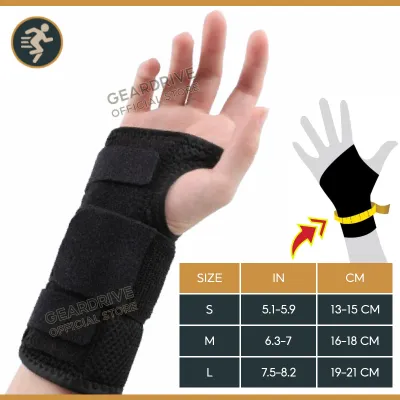
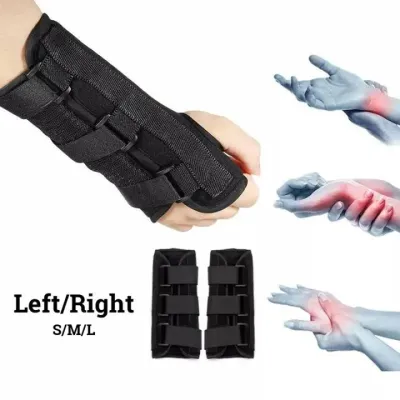
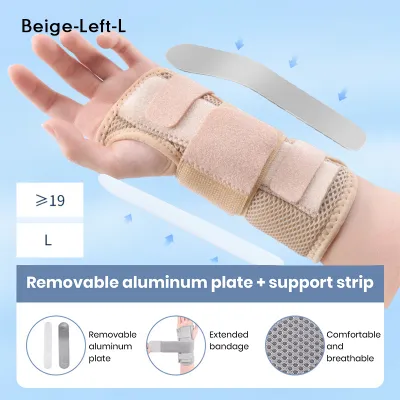
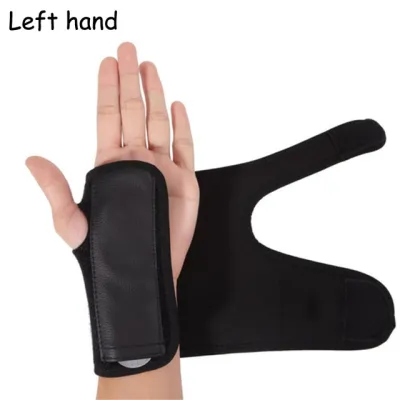
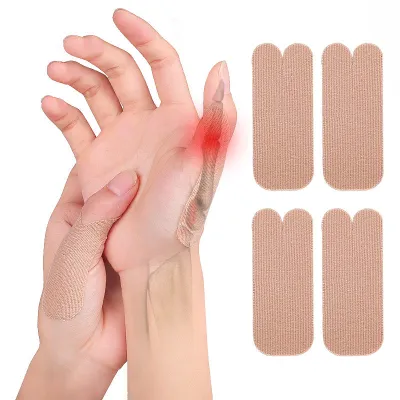
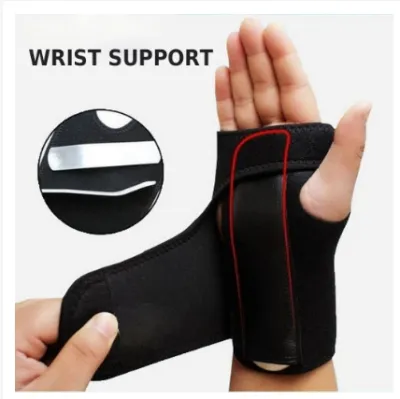
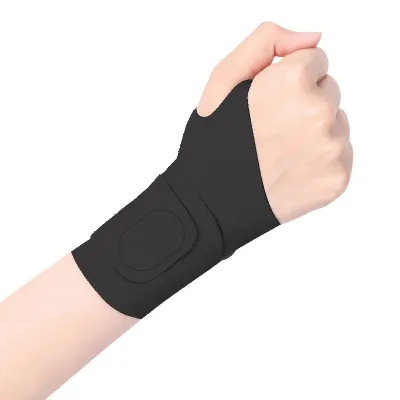
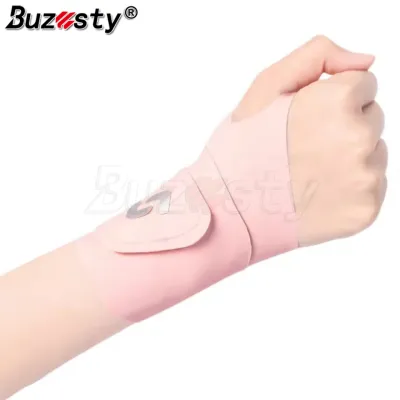
Prices are valid at publication and may change. Please refer to the product page for the latest price.
In contrast, flexible braces are constructed from elastic, neoprene, or specialized compression fabrics without any rigid inserts. These supports are designed to wrap snugly around the wrist joint, providing targeted compression and gentle warmth. Instead of locking the joint in place, a flexible brace allows for a full or near-full range of motion, enabling you to bend and rotate your wrist during daily tasks. The primary mechanism here is not immobilization, but rather compression, which helps manage localized swelling and provides sensory feedback that encourages safer movement patterns.
The physical bulk of these two designs also differs significantly, impacting how they feel during wear. Rigid splints tend to be bulkier and heavier due to the structural stays and robust strapping systems required to keep the joint immobile. This bulk can make it challenging to perform fine motor tasks or wear long-sleeved clothing comfortably. Flexible braces, on the other hand, feature a low-profile design that fits easily under sleeves and conforms closely to the natural contours of your hand. This makes them much less obtrusive during active use, though they do not offer the structural protection of a rigid model.
Scenarios for Choosing a Rigid Splint
A rigid splint is highly beneficial when strict joint immobilization is necessary to protect the median nerve from compression. The most common scenario for wearing a rigid splint is during sleep. Many people unconsciously curl their wrists inward or tuck their hands under their pillows while sleeping, a posture that severely pinches the carpal tunnel and leads to waking up with numbness, tingling, or sharp pain. Wearing a rigid splint at night keeps the wrist securely in a neutral position, allowing the nerve to rest and recover without interruption.

Another critical scenario for a rigid splint is during acute symptom flare-ups. When the carpal tunnel is highly inflamed, even minor movements can cause intense discomfort or shooting sensations into the fingers. During these periods, locking the wrist in a neutral position provides the joint with the complete rest required to help reduce acute irritation. If your daily routine involves tasks that do not require fine hand movements, wearing a rigid splint during these rest periods can help prevent further aggravation.
However, the limitations of a rigid splint must be carefully considered before use. Because the metal or plastic stays restrict movement, performing tasks that require a strong grip, typing, or handling tools becomes difficult and frustrating. Attempting to force movement against the rigid stays can also strain surrounding muscles and tendons, potentially leading to secondary discomfort in the forearm or fingers. Additionally, the added bulk can make the splint feel hot and heavy, particularly in warm environments, requiring you to take regular breaks to let your skin breathe.
Scenarios for Choosing a Flexible Brace
Flexible braces are designed for individuals who require mild support, warmth, and joint mobility to carry out their daily routines. Active daytime use is the primary scenario where a flexible brace excels. If your job involves moderate typing, writing, or light assembly work, a flexible brace provides a layer of support without preventing you from performing these tasks. The compression fabric helps keep the wrist warm, which can improve local circulation and make the joint feel more supple and comfortable during repetitive movements.
These braces are also highly suitable for light sports, gym workouts, or outdoor activities where complete immobilization would be impractical or unsafe. For instance, during recreational activities, maintaining a natural grip and quick wrist reactions is essential for safety. A flexible brace offers a reassuring level of stability and proprioceptive feedback—meaning it increases your awareness of your wrist’s position—helping you avoid extreme, awkward angles without locking the joint completely.
Despite these benefits, flexible braces have clear limitations that make them unsuitable for certain situations. They do not provide enough structural resistance to prevent the deep wrist bending that occurs during sleep, making them poor choices for nighttime wear. If you are experiencing an acute, highly painful flare-up, a flexible brace will not offer the level of rest your nerve needs to recover. Relying solely on a flexible option during severe pain phases may allow continued micro-movements that prolong your discomfort.
Decision Framework: Which Support Fits Your Routine?
Choosing the right carpal tunnel wrist support requires a clear assessment of your daily habits, work environment, and symptom patterns. To simplify this choice, you can use a straightforward decision framework based on your specific needs. If your primary complaints are nighttime numbness, morning stiffness, or severe pain during acute flare-ups, a rigid splint is the more appropriate option. This choice is also ideal if a healthcare professional has specifically instructed you to limit wrist flexion to allow the median nerve to rest.
Conversely, you should choose a flexible brace if your symptoms are mild to moderate and you need to maintain your grip strength for work or hobbies. This option is highly suited for those who participate in active sports, need a low-profile support that fits under work attire, or require gentle compression to manage minor daytime discomfort. The flexible material allows you to go about your day with minimal restriction while still receiving light joint support.
For many individuals, a combination of both support types offers the most balanced approach. You might wear a rigid splint at night to ensure your wrist remains in a safe, neutral position while you sleep, and then switch to a flexible brace during the day to provide light support and compression during active hours. This dual strategy ensures your wrist gets maximum rest when sleeping while maintaining functional mobility and protection during your daily routine.
Before finalizing your choice or continuing long-term use, always perform a quick safety check. If you experience worsening pain, persistent numbness, finger discoloration, or symptoms that begin to radiate up your arm, stop using the support immediately. These signs indicate that the support may be fitting incorrectly, applying excessive pressure, or that your condition requires a different medical intervention.
Fit, Safety, and Maintenance Checks
Proper fit and regular maintenance are essential to ensure your wrist support remains effective and does not cause secondary issues. When putting on either type of support, checking the tightness is your first priority. The straps should be snug enough to keep the support in place without sliding, but they must never be so tight that they cut off circulation, cause your fingers to feel cold, or trigger new tingling sensations. A good rule of thumb is to ensure you can comfortably slip one finger under the straps.
If you are using a rigid splint, you must verify the correct placement of the metal or plastic stay. Most manufacturers design the main rigid insert to sit directly along the palm area, conforming to the natural curve of your hand. Refer to the manufacturer’s diagram to confirm the splint is oriented correctly; wearing a splint backward or upside down can apply pressure directly to the carpal tunnel, worsening the very symptoms you are trying to relieve.
Maintaining the cleanliness of your wrist support is particularly important in warm, humid climates where sweat and skin oils accumulate quickly. To preserve the elastic integrity and fabric quality, follow the product labels carefully. Most supports should be hand washed in cool water using a mild soap, then rinsed thoroughly and allowed to air dry completely away from direct sunlight. Avoid using hot water, harsh detergents, or a clothes dryer, as extreme heat can degrade elastic fibers and warp plastic or metal inserts.
Finally, establish clear stopping conditions for your support wear. If you notice skin irritation, redness, chafing, or an increase in joint stiffness after removing the support, discontinue use. These issues can arise from trapped moisture, friction, or wearing the support for too long. Consulting a healthcare professional when these symptoms occur ensures you receive guidance on adjusting your wear schedule or switching to a different material.
Frequently Asked Questions (FAQ)
Can I wear a wrist support all day?
Wearing a wrist support continuously throughout the day and night is generally not recommended unless specifically advised by a healthcare professional. Prolonged, uninterrupted immobilization can lead to muscle weakening in the forearm and hand, as well as joint stiffness, because the muscles do not have to work to support the wrist. It is important to follow the manufacturer’s guidelines and professional advice regarding your specific wear schedule. Taking regular breaks throughout the day allows for natural wrist movement, promotes healthy blood circulation, and gives your skin a chance to breathe, which is especially important in warm weather.
Does a wrist support cure carpal tunnel syndrome?
A wrist support is designed to manage symptoms and limit aggravating movements, but it does not cure the underlying anatomical cause of carpal tunnel syndrome. The support works by reducing pressure on the median nerve during activities or sleep, which helps alleviate pain and numbness. For long-term management and a true resolution of the condition, a comprehensive evaluation by a healthcare professional is necessary. They can help you develop a broader treatment plan, which often includes ergonomic adjustments to your workstation, targeted physical therapy exercises, and other medical interventions tailored to your specific situation.
Community discussion
Share your experience or ask a question. Comments are reviewed before publication.