
Rigid athletic tape is designed to restrict joint movement and provide mechanical stability, making it ideal for high-impact sports or preventing acute sprains. Elastic athletic tape stretches with your body to offer dynamic muscle support and sensory feedback without limiting your range of motion, suiting endurance or flexibility-heavy activities. Your choice depends entirely on whether your primary goal is joint immobilization or dynamic muscle support. Selecting the wrong type can either restrict your athletic performance or fail to protect a vulnerable joint, especially when playing in the intense heat and humidity of the Philippines.
In tropical climates, sweat and high humidity can quickly compromise how tape adheres to your skin. Understanding the physical properties and intended uses of each tape type ensures you stay protected on the court, field, or track. This guide breaks down the core differences, application scenarios, and safety checks to help you choose the right support for your sport.
Core Differences Between Rigid and Elastic Athletic Tape
Rigid athletic tape is typically made from non-stretch cotton woven fibers, often coated with a strong zinc oxide adhesive. This material is designed to have zero stretch, meaning once you apply it to a joint, it acts as a physical barrier to movement. The primary mechanism is mechanical restriction, which physically locks the joint in place to prevent hyperextension, rolling, or excessive twisting during sudden movements.
Products mentioned in this guide
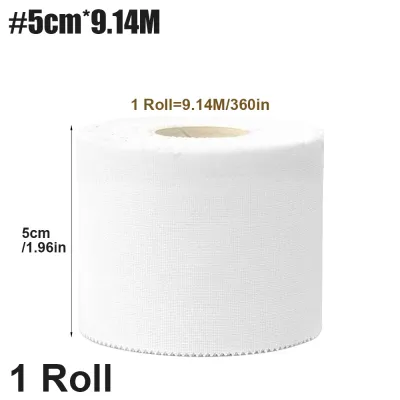
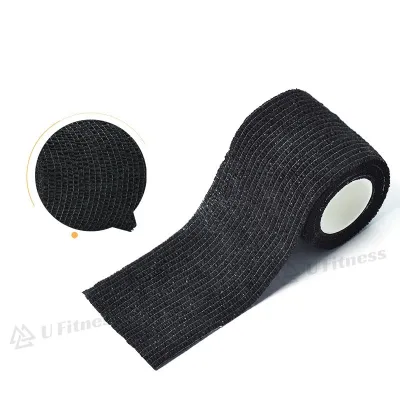
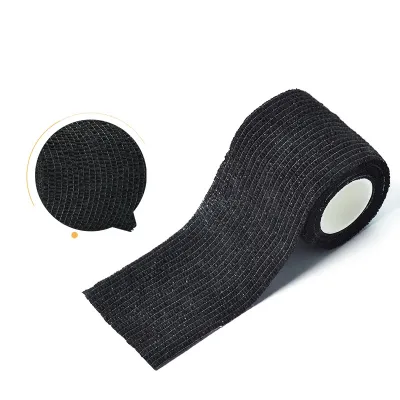
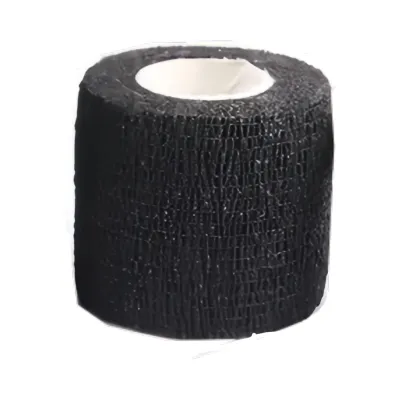

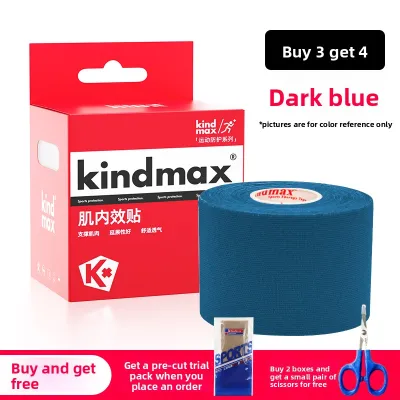
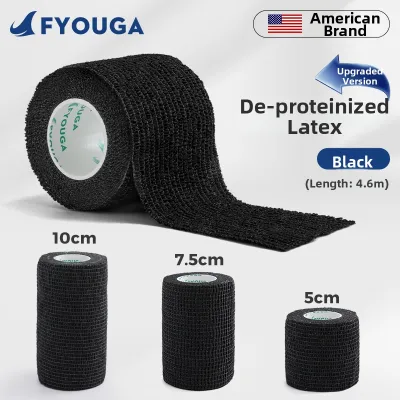
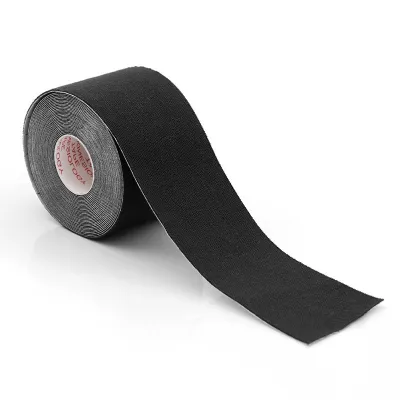
Prices are valid at publication and may change. Please refer to the product page for the latest price.
In contrast, elastic athletic tape is constructed from elastic cotton or synthetic fibers blended with polyurethane, backed by a heat-activated acrylic adhesive. This tape is designed to stretch, mimicking the natural elasticity of human skin and muscle. Instead of mechanically blocking movement, elastic tape works through neuromuscular feedback, stimulating sensory receptors to help your brain better perceive joint position and muscle activation.
Because these tapes use different adhesives, skin sensitivity is a critical factor to verify before application. Rigid tapes often use strong, rubber-based zinc oxide adhesives that grip tightly but can be harsh on sensitive skin, especially when mixed with sweat. Elastic tapes generally use medical-grade acrylic adhesives that are formulated to be hypoallergenic, though you should always check the product packaging to verify these claims.
When to Use Rigid Athletic Tape
Rigid athletic tape is your primary choice when your main objective is to limit joint movement to protect against acute injuries or support a joint that has previously suffered a sprain. This makes it highly suitable for high-impact, contact, or rapid-direction-change sports. In activities like basketball, volleyball, and football, players frequently experience sudden lateral movements and physical contact that put immense stress on the joints.

The target areas for rigid tape are almost exclusively joints that require strict stabilization. Common applications include taping ankles to prevent lateral sprains, wrapping wrists to handle high-impact falls, or buddy-taping fingers in volleyball to prevent dislocation. By wrapping these areas securely, you create an external support system that absorbs the force of sudden impacts.
However, rigid tape comes with notable limitations and safety checks. Because it does not stretch, wrapping it too tightly can easily restrict blood circulation or compress nerves. It is not designed for prolonged continuous wear, so you should typically apply it just before your training session and remove it immediately afterward. Leaving rigid tape on for extended periods can lead to skin irritation, especially under hot and humid conditions where sweat gets trapped beneath the non-breathable cotton backing.
When to Use Elastic Athletic Tape
Elastic athletic tape is designed for scenarios where you need support but cannot afford to lose your natural range of motion. This makes it the ideal choice for endurance, flexibility-heavy, or repetitive-motion sports. Runners, swimmers, tennis players, and gymnasts rely heavily on elastic tape because their movements require fluid, unhindered joint articulation across multiple planes.
The target areas for elastic tape are typically large muscle groups, tendons, and joints that require dynamic feedback rather than physical immobilization. You will often see it applied along the calves to manage tightness, over the shoulders to assist with overhead throwing mechanics, or around the knees to provide sensory support during long runs. Instead of locking the joint, the elastic tension provides a continuous sensory reminder to your body, helping to improve movement efficiency.
Despite its versatility, elastic tape has clear limitations. It does not provide mechanical joint stabilization, meaning it will not prevent a weak ankle from rolling or protect a severely damaged ligament from further injury. It also requires a specific application technique, as applying too much stretch to the tape can cause skin blistering. Furthermore, because it is designed to be worn for multiple days, verifying skin allergy compatibility and checking the water-resistance claims on the product label are essential steps before application.
Feature Comparison: Rigid vs Elastic Tape
When choosing between these two options, comparing their core features side-by-side can help clarify which tape matches your immediate athletic needs. The primary distinction lies in how they manage movement and how long they are intended to remain on your skin.
To help you evaluate your options, consider the following key decision dimensions:
- Support Type: Rigid tape provides mechanical, structural support to lock joints in place. Elastic tape provides dynamic, sensory, and neuromuscular support to assist muscle movement.
- Range of Motion: Rigid tape highly restricts movement to prevent injury. Elastic tape allows a full, natural range of motion.
- Primary Use Cases: Use rigid tape for acute joint sprains, high-impact contact sports, and immediate joint stabilization. Use elastic tape for muscle fatigue, endurance sports, dynamic movement, and sensory feedback.
- Recommended Wear Duration: Rigid tape is designed for short-term wear during a specific game or workout. Elastic tape is designed for multi-day wear, depending on adhesive quality.
- Application Difficulty: Rigid tape requires precise anatomical wrapping techniques to avoid cutting off circulation. Elastic tape requires understanding tension percentages and muscle placement to ensure effective sensory feedback.
Rather than relying on generalized performance claims, always check the product packaging for specific stretch percentages, water-resistance durations, and adhesive strength ratings. Different manufacturers use varying adhesive formulations that perform differently under high humidity or water exposure, so verifying these specifications on the label is crucial.
How to Decide: A Step-by-Step Selection Guide
To determine the exact tape you need, follow this step-by-step decision framework based on your current physical condition, sport, and performance goals.
First, evaluate your primary physical need. Choose rigid athletic tape if your primary goal is joint immobilization, if you are recovering from or preventing acute joint sprains, or if you participate in high-impact contact sports where sudden joint rolling is a constant risk. If your ankle feels unstable after a previous injury and you are about to step onto a basketball court, the mechanical restriction of rigid tape is what you need to keep that joint secure.
Second, assess your movement requirements. Choose elastic athletic tape if you require a full range of motion, are managing minor muscle strains, need dynamic support to manage muscle fatigue, or participate in endurance and flexibility sports. If you are a marathon runner looking to support your calves over a long distance, or a tennis player needing shoulder feedback without losing your serve mechanics, elastic tape is the correct choice.
Third, verify your physical safety boundaries before making a purchase. If you have a history of skin allergies, circulatory issues, or are experiencing undiagnosed, severe joint pain, do not rely on tape as a primary solution. Always consult a qualified healthcare professional to diagnose the underlying issue before applying any supportive tape. When budgeting for your sports gear, verifying the cost per roll (often ranging around ₱150 to ₱400 depending on the brand and adhesive quality) can help you plan your monthly training expenses.
Application and Safety Checks Before You Tape
Proper application is just as important as choosing the right type of tape. Before you apply any athletic tape, you must prepare your skin to ensure proper adhesion and minimize the risk of irritation, especially in warm climates where sweat and humidity can quickly degrade adhesives.
Begin by thoroughly cleaning and drying the application area. Remove any dirt, oils, or lotions from the skin. If the area has dense hair, consider trimming or shaving it, as hair can prevent the adhesive from making direct contact with the skin and make tape removal highly painful. Once the skin is clean and dry, check the product label for specific instructions regarding adhesive ingredients, recommended application steps, and safe removal methods.
While wearing the tape, monitor your body’s response closely. You must remove the tape immediately and consult a healthcare professional if you experience any stop conditions, such as numbness, tingling, skin discoloration, a cold sensation in your extremities, or an increase in pain. These signs indicate that the tape is applied too tightly, is restricting your circulation, or is causing an adverse skin reaction.
Frequently Asked Questions (FAQ)
Can I use both rigid and elastic tape at the same time?
Yes, you can use both types of tape simultaneously in specific hybrid taping techniques where you require both joint stabilization and muscle feedback. For example, a trainer might apply elastic tape over a muscle group to provide dynamic feedback, and then layer rigid tape over the adjacent joint to restrict harmful lateral movement. When combining them, it is crucial to apply the elastic tape first as the base layer and use the rigid tape on top to secure the joint. Always check the product labels to ensure the adhesives are compatible and will not cause skin irritation when layered.
How long can I safely leave athletic tape on my skin?
The safe wear duration depends entirely on the type of tape you are using and your skin’s sensitivity. Rigid athletic tape is designed for short-term use and should generally be removed immediately after your athletic activity, typically within a few hours, to prevent skin irritation and allow normal circulation to restore. Elastic athletic tape is designed with more breathable materials and can often be left on for one to three days, depending on the manufacturer’s instructions. Always verify the maximum recommended wear time on your specific product packaging and remove the tape sooner if you feel any discomfort.
Is athletic tape a replacement for medical braces or professional treatment?
No, athletic tape is a supportive tool and is not a replacement for medical braces, rehabilitation, or professional medical treatment. While tape offers temporary support and sensory feedback, it cannot provide the rigid, structural immobilization of a medical-grade brace for severe ligament tears or fractures. If you are experiencing persistent pain, joint instability, or an acute injury, you should seek a professional diagnosis from a qualified healthcare provider rather than relying solely on tape to manage the condition.
Community discussion
Share your experience or ask a question. Comments are reviewed before publication.