
Choosing between a rigid and a suspension fork for a 26-inch mountain bike depends on where you ride, how much maintenance you want to perform, and your preference for efficiency versus comfort. A rigid fork is ideal if you ride mostly smooth trails, gravel, or paved paths, value lightweight climbing, and prefer a zero-maintenance setup. A suspension fork is the better choice if you frequently tackle rocky, root-filled descents and loose terrain where front-wheel traction and impact absorption are critical for control.
The 26-inch wheel size has distinct rolling characteristics compared to modern 29-inch or 27.5-inch wheels. Because 26-inch wheels have a smaller outer diameter, they have a steeper angle of attack when encountering obstacles. This means they do not roll over rocks, roots, or holes as easily as larger wheels, transferring more of the impact directly to the frame and your hands.
Because of this steeper angle of attack, your choice of fork on a 26-inch bike plays a massive role in your overall ride quality. A rigid fork on a 26-inch wheel will deliver a highly tactile, unfiltered trail feel, requiring active body positioning to absorb bumps. A suspension fork helps mitigate the smaller wheel’s natural tendency to hang up on obstacles by compressing to absorb the impact, keeping your momentum going.
Products mentioned in this guide
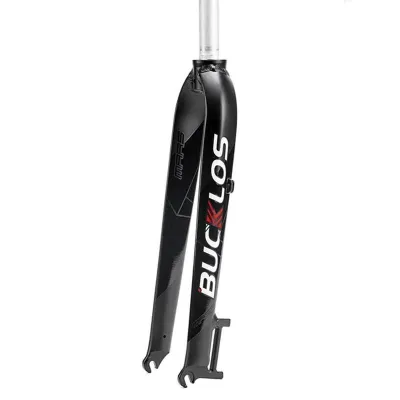
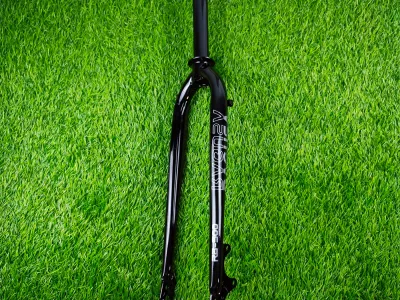
316 Lazada user ratings
🔨Durability:wait for it to be tested next month looks like a good fit 🛠️Ease of Installation:will know next month looks like this will work..…Read full reviewShow less
🔨Durability:wait for it to be tested next month looks like a good fit 🛠️Ease of Installation:will know next month looks like this will work.. project rebuild bike quality looks good no scratches nice nice many thanks to seller and rider
Sleek and stylish design., Perfect fit for my mountain bike., Smooth and comfortable ride., Great for off-road adventures., Provides excelle…Read full reviewShow less
Sleek and stylish design., Perfect fit for my mountain bike., Smooth and comfortable ride., Great for off-road adventures., Provides excellent stability and control.,
maayos naman at nakabalot ng maganda. hanapan ko pa ng time para maikabit agad at matesting
ayos👍👍 legit sya, saktong sakto sa 26er, salamat kay seller at sa delivery😁

636 Lazada user ratings
Sturdy steel construction, Sleek design, Smooth ride on any terrain, Versatile fork for different wheel sizes,
paltan ninyo to dapat rotor ito paltan ninyo nagbabayad Ako Ng tama paltan ninyo kung Hindi kakasuhan ko kayo
🔨Durability:10 🔌Compatibility:10 🛠️Ease of Installation:10 Sturdy steel construction,
Great value for the price, Durable and reliable, Enhances bike's performance,
lots of scratches and chipped parts.
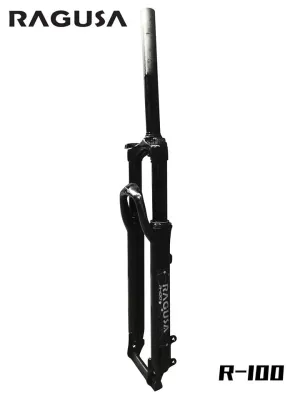
91 Lazada user ratings
Solid build and construction, Lockout feature is convenient, Lockout function works well, Improves ride comfort, Great value for money, Dura…Read full reviewShow less
Solid build and construction, Lockout feature is convenient, Lockout function works well, Improves ride comfort, Great value for money, Durable steel construction,
nice 🔌Compatibility:goods na goods, walang labis walang kulang. 🛠️Ease of Installation:agree, suggestible bili na kayo
Quality:good, malambot ang play Appearance:simple lang sya Performance:have'nt tried yet, sana magtagal
ot bad for the price. steel fork suspension for MTB. good for daily use only. weights around 2kilos
Goods mukang matibay at magtatagal solid yung bakal mas prefer ko mga ganitong solid kahit mabigat
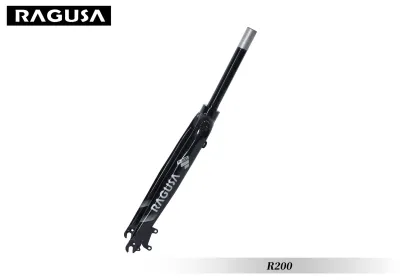
19 Lazada user ratings
thank you sa dilevery rider mabilis naman 26 yung inorder ko pero 27.5 ang dumating sakin
🔨Durability:9mm quick release compatibility,
Ideal for mountain bike use,
solidddjsbsbsbsbba
napaka ganda po
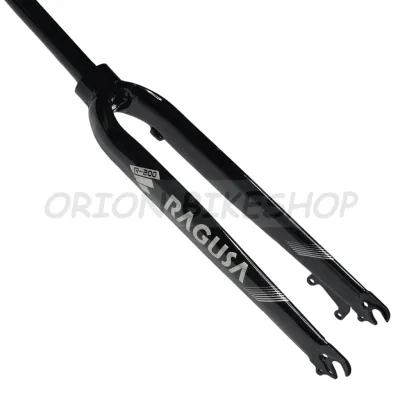
9 Lazada user ratings
🔨Durability:10 🔌Compatibility:10, depends on axle type 🛠️Ease of Installation:10 maganda, need mo ngalang ng starnut steel material
may konting gasgas nilagyan pa ng Pentel pen kita pero ok na rin di maiwasan talaga slamat sa rider at sa seller
ganda ng packaging,ok nmn ang item,may konting gasgas lng cgro bgo pa balutin meron na.thnx seller
Ragusa brand quality, verygood po sobrang salamat po😃
🔌Compatibility:sakto kahit gulong mo ay 27.5 x 2.25
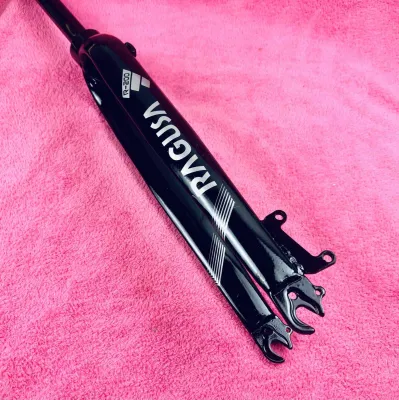
230 Lazada user ratings
Ayus ang prudukto nila kaso may mga kaunting gasgas. Klaseng minadali ang pag pipintura
🔨Durability:50/100 🛠️Ease of Installation:tagilid tapos madaming gas gas
The product is ok and ther is no damage or scratch that all thank u😄
nagawan Naman ng paraan 27.5 Kasi Yung pinadala 26 Yung inorder ehh
good quality maganda sya kaso may gasgas sya onti pero okay lng
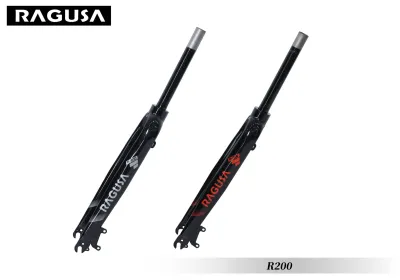
13 Lazada user ratings
good sya pero may kunting gasgas nga lang pero overall good sya
diko nagamit palpak order ko NSA bahay lang
Prices are valid at publication and may change. Please refer to the product page for the latest price.
A rigid fork offers unmatched steering precision and immediate feedback, allowing you to feel exactly what the front tire is doing on the trail. However, this direct connection means your hands, wrists, and shoulders must absorb the vibrations. A suspension fork dampens these forces, keeping the front tire pressed firmly against the ground to maintain traction on loose or uneven terrain, though it sacrifices some of that razor-sharp steering feedback.
Rather than assuming a suspension fork will automatically make your ride comfortable or that a rigid fork will be unbearably harsh, inspect the specific characteristics of the components. For suspension forks, check the manufacturer’s stated travel and damper adjustments. For rigid forks, look at the material construction—such as the natural compliance of chromoly steel or carbon fiber versus the stiffness of aluminum—to understand how the fork will behave under load.
Weight, Pedaling Efficiency, and Climbing
One of the most significant differences between these two fork designs is weight. Suspension forks are complex mechanical systems containing upper stanchions, lower legs, internal dampers, oil, wiper seals, and either a steel coil spring or an air chamber. These components add substantial weight to the front end of your bicycle. A heavier front end requires more physical effort to lift over trail obstacles and can make the bike’s steering feel heavier during slow-speed maneuvers.
In contrast, rigid forks feature a simple, one-piece construction with no moving parts, making them exceptionally light. By eliminating the springs, dampers, and heavy outer castings, a rigid fork can shave several pounds off your bike’s total weight. This weight reduction is immediately noticeable when climbing or when accelerating from a complete stop, as there is less mass to move against gravity.
When you stand up to pedal aggressively, especially on steep climbs, your body weight shifts forward. On a bike equipped with a suspension fork, this downward force causes the fork to compress and rebound rhythmically, a phenomenon known as suspension bob. This movement absorbs a portion of your pedaling energy, converting your hard work into heat inside the damper rather than forward momentum.
Many modern suspension forks feature a lockout lever that restricts oil flow inside the damper to stiffen the fork. While a lockout mechanism helps mitigate suspension bob during climbs, it does not completely eliminate internal movement and adds another control lever to your handlebars. Additionally, forgetting to unlock the fork before a rough descent can subject the internal damper to high pressures, potentially damaging the system.
A rigid fork offers absolute power transfer because there are no moving parts to compress under your pedaling forces. Every ounce of energy you put into the pedals is transmitted directly to the rear wheel, making rigid forks highly efficient for climbing smooth fire roads, traversing gravel paths, or commuting on paved surfaces.
To make an informed decision, verify the exact weight of any candidate fork on the manufacturer’s specification sheet. Compare this weight against your bike’s current total build weight and consider your typical climbing routes to evaluate whether the weight savings of a rigid fork outweigh the comfort benefits of suspension.
Maintenance Requirements and Long-Term Durability
Rigid forks are the gold standard for riders who want a simple, low-maintenance bicycle. Because they have no moving parts, internal fluids, or pressurized air chambers, they require virtually no routine servicing. This makes them highly reliable for long-distance touring, daily commuting, or riders who prefer to spend their time riding rather than wrenching in the garage.

Although rigid forks do not require internal servicing, they are not completely maintenance-free. You must perform periodic visual inspections to check for structural integrity. Inspect the fork blades, crown, and dropouts for any signs of stress cracks, paint bubbling, or deep gouges, especially if you are using a carbon fiber or lightweight aluminum fork. Additionally, always use a torque wrench to verify that the axle or quick-release skewer is tightened to the manufacturer’s exact specifications.
Suspension forks require a structured maintenance schedule to keep them operating safely and smoothly. During a ride, the exposed stanchion tubes are constantly coated in dust, mud, and water. As the fork compresses, the wiper seals attempt to scrape this debris away, but over time, fine grit can bypass the seals and enter the lower legs, contaminating the lubricating oil.
To prevent premature wear, you must clean the stanchions and wiper seals with a soft, clean cloth after every ride. Regularly inspect the outer seals for signs of cracking, dry rot, or oil weeping, which indicates that the internal seals have failed and need immediate replacement. Neglecting these basic checks can allow dirt to wear away the anodized coating on the stanchions, ruining the fork’s smooth action and requiring an expensive replacement.
Your local riding environment plays a major role in how quickly a suspension fork wears out. Riding in wet, muddy, or extremely dusty conditions accelerates seal contamination and bushing wear. If you frequently ride in harsh weather, you will need to service your suspension fork much more frequently to prevent internal damage, which increases your long-term ownership and servicing costs.
Because service intervals vary significantly between different brands and models, always consult the specific fork’s service manual for recommended service hours. Do not rely on general guidelines, as some high-performance forks require lower leg lubrication services after as little as 30 to 50 hours of riding time to maintain their warranty and performance.
Decision Framework: Choosing the Right Fork for Your Trails
Selecting the right fork requires balancing your riding style, the terrain you frequent, and your willingness to perform regular bike maintenance. To help you visualize the trade-offs, review the comparison table below summarizing the key performance characteristics of each fork type.
| Feature | Rigid Fork | Suspension Fork |
|---|---|---|
| Ride Feel | Direct trail feedback, highly precise steering | Dampened impacts, increased front-wheel traction |
| Pedaling Efficiency | Maximum power transfer, zero energy loss | Potential energy loss from bobbing (unless locked out) |
| Maintenance | Minimal (periodic safety and torque checks) | High (regular cleaning, seal checks, periodic rebuilds) |
| Ideal Terrain | Smooth singletrack, gravel, pavement, fire roads | Rocky trails, root-filled descents, loose dirt |
A rigid fork is the ideal choice if you prioritize climbing efficiency, ride mostly on smooth dirt trails, gravel paths, or paved roads, and want a bike that is always ready to ride without any suspension setup or ongoing maintenance costs. It is also an excellent option for riders looking to build a lightweight, minimalist commuter or bikepacking rig where reliability in remote areas is paramount.
A suspension fork is the correct choice if you frequently ride technical singletrack, rocky descents, or trails with exposed tree roots. The active suspension keeps your front tire in contact with the ground, providing the traction needed for safe braking and steering on loose terrain while significantly reducing the physical fatigue on your upper body.
When riding technical terrain, remember that equipment cannot replace proper technique, training, and judgment. If you are a beginner rider, a suspension fork can provide a helpful safety margin by absorbing unexpected bumps, but it does not make you immune to crashes. Always ride within your skill limits, and if you experience severe hand fatigue or lose steering control on rough descents, stop riding immediately to inspect your equipment and adjust your speed.
Before purchasing a new fork, you must verify if your 26-inch frame’s geometry is designed to accommodate the axle-to-crown length of the fork you want. Installing a fork with an incorrect axle-to-crown length will alter the bike’s head tube angle, which can slow down steering, compromise stability, or place excessive structural stress on the frame’s head tube joint.
To ensure a successful upgrade, measure your current fork’s axle-to-crown length from the center of the front axle to the crown race seat. Take these measurements, along with your bike’s head tube diameter and brake mount specifications, to a local bike shop to confirm compatibility before purchasing a new rigid or suspension fork.
Frequently Asked Questions (FAQ)
Can I convert my 26-inch MTB from a rigid to a suspension fork later?
Yes, physical conversion is often possible, but you must carefully consider the geometric changes it introduces. Adding a suspension fork typically increases the front-end height of the bike because of the extra length needed for suspension travel.
This increase in height slackens the head tube angle, which slows down the bike’s steering response and can make handling feel sluggish on tight trails. Additionally, a longer fork exerts more leverage on the head tube, which can stress and potentially damage a frame that was not originally designed to handle a suspension fork.
To avoid these issues, measure your current rigid fork’s axle-to-crown length and look for a suspension fork with a matching or manufacturer-approved length, or consult your frame manufacturer’s documentation to find the maximum allowable fork travel.
Are suspension forks always heavier than rigid forks?
Generally, yes. Suspension forks require heavy internal components, including steel or aluminum stanchions, lower legs, dampers, and coil or air springs, which inherently weigh more than a simple rigid design.
The weight difference is most pronounced when comparing high-end carbon fiber rigid forks, which can be exceptionally light, to entry-level coil-sprung suspension forks that add substantial weight to the front of the bike.
However, because materials and designs vary, you should always check the manufacturer’s stated weight for the specific models you are comparing rather than assuming a universal weight difference.

Community discussion
Share your experience or ask a question. Comments are reviewed before publication.