
Choosing the right wrist support for men depends entirely on your injury’s severity, a proper medical diagnosis, and the specific range of motion your daily activities require. If you are dealing with an acute injury, severe pain, or a suspected sprain that requires strict immobilization to heal, a rigid wrist brace equipped with structural splints is generally necessary. Conversely, if you are managing mild strains, chronic stiffness, or seeking preventive joint warmth and compression during active sports, a flexible support is the more appropriate choice. Before purchasing any gear, it is crucial to consult a healthcare professional, especially if you experience severe pain, visible deformity, or numbness in your hand or fingers.
Assessing Your Wrist Condition to Define Your Support Goals
To determine which type of support fits your situation, you must first evaluate the nature of your wrist discomfort. Acute injuries typically occur from sudden impacts, such as a fall during a basketball game or a slip on a wet surface. These incidents often result in immediate, sharp pain, swelling, and a noticeable loss of function, which usually require structural stabilization. On the other hand, chronic or overuse conditions develop gradually over time due to repetitive motions, such as typing at a desk, lifting weights, or performing manual labor. These issues often present as a dull, persistent ache or stiffness that worsens after activity but improves with rest.
Identifying observable signals is key to deciding whether you can manage the condition with over-the-counter gear or if you need immediate medical attention. If you notice any visible deformity in the joint, severe bruising that spreads rapidly, or an inability to move your fingers, do not attempt to self-treat with a wrist support. These are clear indicators of a potentially serious injury, such as a fracture or ligament tear, that requires professional diagnostic imaging and treatment.
Products mentioned in this guide
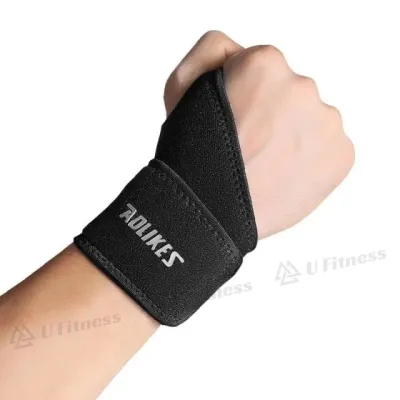
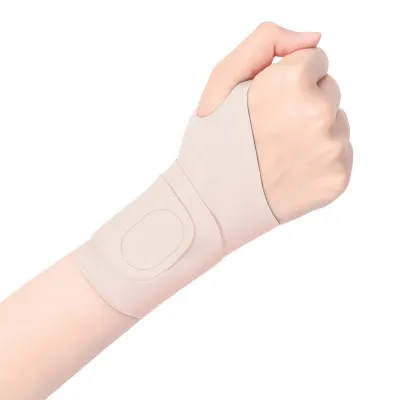
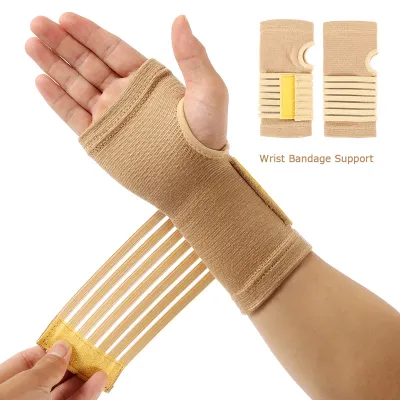
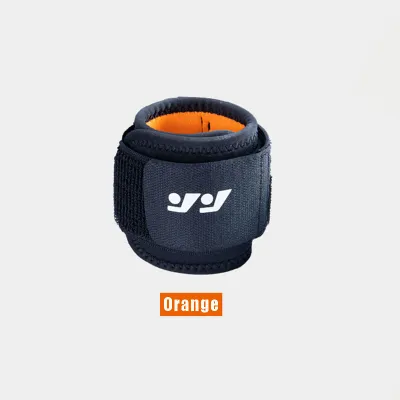
Prices are valid at publication and may change. Please refer to the product page for the latest price.
Your daily routine and occupational demands also play a major role in defining your support goals. For men working in construction, logistics, or office environments, the balance between joint protection and functional grip strength is vital. An overly restrictive brace might prevent you from performing your job safely, while a support that is too loose will fail to protect the joint from repetitive strain. Similarly, if you participate in sports like tennis, golf, or weightlifting, you must choose a support that allows the specific wrist angles required for your sport while still reinforcing the joint against excessive stress.
Rigid Wrist Braces: Maximum Immobilization for Acute Injuries
Rigid wrist braces are engineered to provide maximum stabilization by incorporating solid components, such as removable metal splints or hard plastic stays. The primary mechanism of these braces is to restrict joint movement almost entirely, locking the wrist in a neutral position. By preventing flexion, extension, and lateral movement, a rigid brace takes the mechanical load off the injured tendons and ligaments. This strict immobilization allows the delicate, healing tissues to repair without being subjected to the micro-traumas caused by everyday hand movements.

These braces are typically recommended for specific, high-protection scenarios. If you are recovering from an orthopedic surgery, managing a severe grade-two or grade-three sprain, or dealing with a diagnosed condition like moderate-to-severe carpal tunnel syndrome, a doctor may instruct you to wear a rigid brace. The structural support ensures that even during involuntary movements—such as tossing and turning during sleep—the wrist remains in a safe, aligned position that minimizes pressure on the median nerve and surrounding structures.
However, this high level of protection comes with distinct functional trade-offs. Rigid braces are inherently bulky, which can make fitting them under long-sleeved shirts or work jackets difficult. They significantly restrict your grip strength and fine motor skills, making tasks like writing, typing, or handling tools challenging. Furthermore, because these braces cover a large surface area and contain dense materials, verifying their breathability and skin comfort is essential. In warm, humid environments like the Philippines, sweat can easily accumulate under the brace, leading to skin irritation, chafing, or unpleasant odors if the materials are not regularly cleaned or designed with ventilation channels.
Flexible Supports: Compression and Mobility for Mild Strains
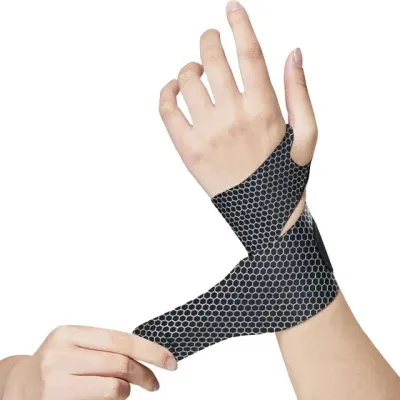
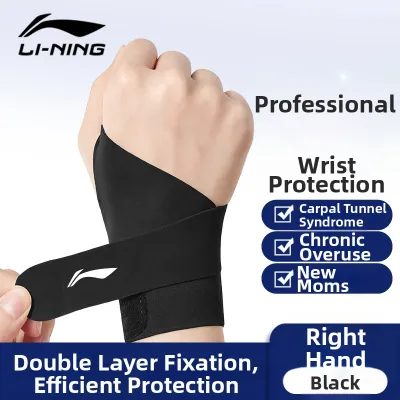
Flexible wrist supports, which include elastic sleeves, neoprene wraps, and adjustable compression bands, focus on active mobility rather than immobilization. The primary mechanism of a flexible support is to deliver targeted compression to the joint, which helps manage localized swelling and promotes blood circulation. Additionally, these supports provide therapeutic warmth and enhance proprioception—your body’s natural awareness of joint positioning. By stimulating the sensory receptors in the skin, a flexible wrap helps you maintain better alignment and control during physical movement without locking the joint in place.
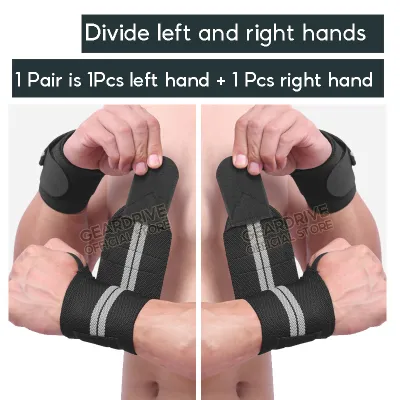
These lightweight options are ideal for managing mild strains, minor repetitive strain injuries, and early-stage arthritis flare-ups. They are also widely used as a preventive measure by men who engage in heavy lifting, cross-training, or racket sports. A flexible wrap reinforces the wrist during high-stress movements, such as bench presses or overhead lifts, helping to distribute the load more evenly across the joint structures without compromising your grip or natural hand mechanics.
The main trade-off of a flexible support is its lack of structural protection. Because they do not contain rigid splints, these wraps cannot prevent the wrist from bending under sudden, heavy impacts or severe hyperextension. If you experience an unexpected fall or are subjected to a high-velocity force, a flexible sleeve will not keep the joint from moving into a damaging angle. Therefore, relying on a flexible wrap for an unstable, severely injured, or healing joint can lead to further tissue damage and prolonged recovery times.
Rigid vs. Flexible: Comparing Features and Daily Trade-offs
When choosing between these two options, comparing their daily performance across key usability dimensions can help you make a practical decision. Rigid braces offer complete immobilization but score low on breathability and manual dexterity. Flexible supports offer high mobility, excellent breathability, and minimal impact on your grip, but they provide no structural defense against joint bending.
Material selection is particularly important if you live in a tropical climate where high humidity and heat are daily factors. Heavy neoprene supports retain heat effectively, which is beneficial for soothing stiff joints but can cause excessive sweating and skin irritation during extended wear. If you require long-term support, look for lightweight, engineered knit fabrics or perforated materials that allow moisture to escape. Ensuring the support is easily washable is also a key consideration for maintaining hygiene and preventing bacterial buildup over weeks of daily use.
| Feature | Rigid Wrist Brace | Flexible Wrist Support |
|---|---|---|
| Immobilization Level | High (restricts almost all movement) | Low to Moderate (allows natural movement) |
| Primary Benefit | Protects healing tissues, prevents harmful angles | Provides compression, warmth, and proprioception |
| Mobility Allowance | Minimal (locks wrist in neutral position) | High (full range of motion preserved) |
| Ideal Use Cases | Post-surgery, severe sprains, carpal tunnel | Mild strains, weightlifting, repetitive tasks |
| Key Limitations | Bulky, limits grip strength, traps heat | No structural protection against heavy impacts |
| Material Check | Look for removable splints and breathable liners | Look for moisture-wicking, adjustable straps |
Matching the Support to Your Recovery Stage and Activity
To select the correct gear, you can apply a straightforward decision framework based on your current physical state. Choose a rigid brace if you are experiencing acute, sharp pain, have been instructed by a doctor to immobilize the joint, or need to ensure total rest for the wrist to heal. Choose a flexible support if you are dealing with mild, dull discomfort, are returning to sports or physical labor after an injury, or require full finger and hand mobility to perform your daily tasks.
In many recovery journeys, you will actually transition from one type of support to the other. During the initial, acute phase of an injury, a rigid brace is essential to protect the joint and allow the primary inflammation to subside. As the tissues heal and you begin rehabilitation exercises under professional guidance, you can gradually transition to a flexible support. This step-down approach provides a safety net of compression and light stability as you rebuild your natural muscle strength and joint mobility.
Regardless of the type you choose, verifying the correct size and fit is critical for both safety and effectiveness. A support that is too tight can restrict blood circulation and compress nerves, while one that is too loose will fail to provide any therapeutic benefit. Always refer to the manufacturer’s specific sizing chart, which typically requires measuring the circumference of your wrist just below the joint. Because men generally have larger wrist circumferences and broader hands, checking these measurements rather than guessing your size ensures the support fits securely without causing discomfort. Whether you are investing ‛500 in a basic wrap or ‛2,000 in a medical-grade brace, a proper fit is the foundation of effective recovery.
Safety Boundaries: When to Stop Self-Treating and See a Doctor
While over-the-counter wrist supports are highly useful tools, they are not a substitute for professional medical care. You must stop self-treating and seek immediate medical evaluation if you experience warning signs such as persistent numbness, tingling in your fingers, severe or worsening swelling, or any visible deformity in the wrist joint. Additionally, if your pain does not begin to improve after a few days of rest and support, or if it worsens despite wearing the gear, a professional assessment is required.
Wrist supports should always be viewed as adjuncts to a comprehensive recovery plan, which may include physical therapy, targeted strengthening exercises, and ergonomic adjustments to your workspace. Relying solely on a brace or wrap to mask pain while continuing to overload an injured joint can lead to chronic instability, muscle weakness, and long-term joint damage. Always consult a qualified healthcare provider to ensure your recovery strategy is safe and appropriate for your specific condition.
Frequently Asked Questions (FAQ)
Can I wear a rigid wrist brace while sleeping?
While healthcare professionals sometimes recommend wearing a rigid wrist brace overnight to manage conditions like carpal tunnel syndrome, you should only do so under direct medical advice. Wearing an immobilizing brace for extended, unmonitored periods can lead to restricted blood circulation or skin irritation if the straps are fastened too tightly. Ensure the brace is adjusted comfortably and check your skin regularly for any signs of redness or pressure marks.
How tight should a flexible wrist wrap be during heavy lifting?
A flexible wrist wrap should be tight enough to provide noticeable compression and joint stability, but not so tight that it restricts your blood flow. When wrapping your wrist for heavy lifting, you should still be able to slide a finger under the edge of the wrap. If you experience numbness, tingling, cold fingers, or a change in skin color, these are immediate signals that the wrap is too tight and must be loosened to prevent nerve and vascular compression.
Community discussion
Share your experience or ask a question. Comments are reviewed before publication.