
Finding yourself stretched too far forward on steep descents or suffering from numb wrists during long road rides often comes down to a single component: your handlebars. The choice between riser, flat, and drop handlebars fundamentally dictates your bike’s handling, your body’s posture, and your overall control over different terrains. While flat bars offer simple, direct steering for cross-country routes, riser bars elevate your hands for better control on steep descents, and drop bars provide multiple hand positions to maximize aerodynamic efficiency over long distances. Selecting the right style requires balancing your physical comfort, the technical demands of your local trails or roads, and the mechanical compatibility of your existing bicycle frame.
What are the core geometry differences between riser, flat, and drop handlebars?
The physical shape of your handlebars is defined by key measurements including rise, sweep, reach, and drop, which vary dramatically across flat, riser, and drop designs. Understanding these dimensions allows you to visualize how each bar alters your contact points relative to the front wheel.
Flat Handlebars: Simplicity and Width
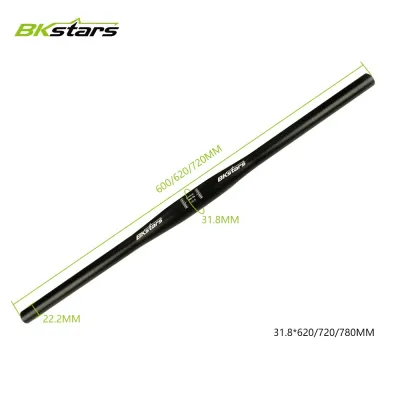
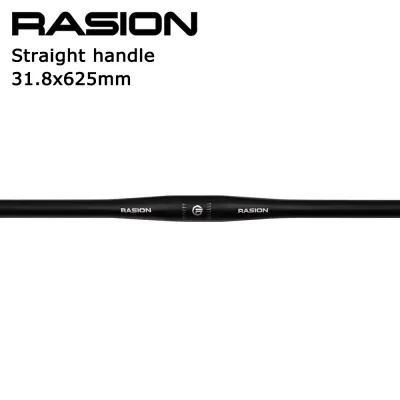
Flat bars are characterized by their simple, straight profile with zero vertical rise from the center clamp to the bar ends. They are not always perfectly straight; most feature a subtle backward angle, known as backsweep, which typically ranges from 5 to 9 degrees to align more naturally with the angle of your wrists. Their width generally spans from 580 millimeters for older cross-country setups to over 740 millimeters for modern trail riding, prioritizing a wide, stable platform without vertical deviation.
Products mentioned in this guide
37 Lazada user ratings
fast shipping and good packaging, good quality materials used, durable,Lightweight and strong, Aluminum alloy material, thanks to Lazada, th…Read full reviewShow less
fast shipping and good packaging, good quality materials used, durable,Lightweight and strong, Aluminum alloy material, thanks to Lazada, the seller and the courier
Compatibility:Excellent customer service, Durability:High quality finish, Weight:light ana strong
Perfect for mountain biking,
thank you seller at lazada
Durability:10/10
76 Lazada user ratings
Beatiful. Only if I have received my 20" folding bike ordered 3 days ago. I can start making dome modification. Ha! The s itrm is highly rev…Read full reviewShow less
Beatiful. Only if I have received my 20" folding bike ordered 3 days ago. I can start making dome modification. Ha! The s itrm is highly revommanded. Great quality, great packaging! Cannot ask for more than this. Thanks, seller!!
Items arrived earlier than I expected. Local distributor na pala cya. It came just as I expected. good quality.High-strength and corrosion-r…Read full reviewShow less
Items arrived earlier than I expected. Local distributor na pala cya. It came just as I expected. good quality.High-strength and corrosion-resistant, Anodized finish for durability, Lightweight aluminum alloy handlebar,
ok maganda ang pagkkabalot maayos naman dumating so nice within 3days thank u sa rider at sa seller & Lazada 👍 ⭐⭐⭐⭐⭐👍
Items arrived earlier than I expected. Local distributor na pala cya. It came just as I expected. good quality.
104 Lazada user ratings
Aluminum alloy material, 22.2mm mounting ends, 22.2mm mounting ends, Easy to install, Easy to install, Good for MTB riding, Good for MTB rid…Read full reviewShow less
Aluminum alloy material, 22.2mm mounting ends, 22.2mm mounting ends, Easy to install, Easy to install, Good for MTB riding, Good for MTB riding, 31.8mm handlebar size,
22.2mm mounting ends, Diverse color options, Diverse color options, Corrosion resistant, 600mm length option, Good for MTB riding,
High performance, Easy to install, 22.2mm mounting ends, 22.2mm mounting ends, Good for MTB riding, Good for MTB riding,
its great just short i put the wrong size my bad but 9ther wise its a gread part would recommend buy the 700
Easy to install, High performance, Aluminum alloy material, Corrosion resistant, 22.2mm mounting ends,
1,456 Lazada user ratings
High-quality aluminum alloy material, Lightweight and durable, Provides a comfortable grip, Excellent handlebar design, Easy to install and …Read full reviewShow less
High-quality aluminum alloy material, Lightweight and durable, Provides a comfortable grip, Excellent handlebar design, Easy to install and adjust, 🔨Durability:High Quality 🔌Compatibility:Universal all sizes 🛠️Ease of Installation:Basic installation
🔨Durability:good 🔌Compatibility:good 🛠️Ease of Installation:good Excellent handlebar design, High-quality aluminum alloy material,
Enhances control and stability, Easy to install and adjust, well packed. Fast delivery. Good price.
Provides a comfortable grip, Perfect fit for my mountain bike,
thank you seller and delivery not the best but acceptable
82 Lazada user ratings
Compatibility:good Durability:good Weight:verry good nice seller very nice kua delivery man..God bless you all 🥰🥰🥰🥰🥰love ❤ 😍 💖 verry affordable …Read full reviewShow less
Compatibility:good Durability:good Weight:verry good nice seller very nice kua delivery man..God bless you all 🥰🥰🥰🥰🥰love ❤ 😍 💖 verry affordable and so verry past delivery your so very nice and legit shop 🥰🥰🥰🥰🥰
Natanggap ko na, ayus naman pagkakadeliver. excited naman na ako na ikabit. pero nakita ko may dalawang tama, kung makikita nyo sa picture. …Read full reviewShow less
Natanggap ko na, ayus naman pagkakadeliver. excited naman na ako na ikabit. pero nakita ko may dalawang tama, kung makikita nyo sa picture. ok na sana pero ok na din. thanks sa delivery rider.
Improved control and stability, High-quality aluminum alloy material, Excellent value for the price, Comfortable grip for long rides,
Weight:Easy to install on my bike, Improved control and stability, Enhanced riding experience with this handlebar,
Durability:Durable and lightweight handlebar, Great handlebar for mountain biking, Perfect size for my bike,
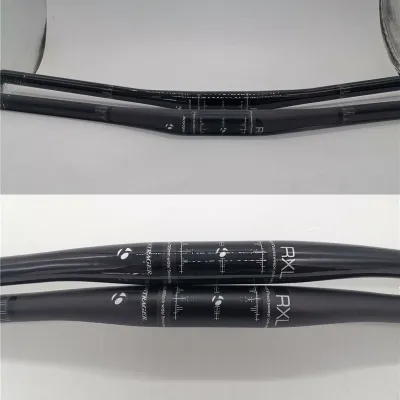
14 Lazada user ratings
Bontrager handle bar? Apaka pogi neto, since backsweep and upsweep nasiya at the same time na me-maintain nya ang comfort and looks, since T…Read full reviewShow less
Bontrager handle bar? Apaka pogi neto, since backsweep and upsweep nasiya at the same time na me-maintain nya ang comfort and looks, since T7000 carbon ang ginamit apaka tibay neto promise🙏 🔨Durability: 1million/10 🔌Compatibility: Need carbon paste kung ipa-pair mosya sa carbon stem.
🔨Durability:👍 🔌Compatibility:👍 🛠️Ease of Installation:👍 Well packed no damage wort it ang pag hihintay Thank you seller and Lazada ❤️❤️❤️ ♥️♥️♥️👍👍👍👍👍♥️♥️♥️⭐⭐⭐⭐⭐♥️♥️♥️
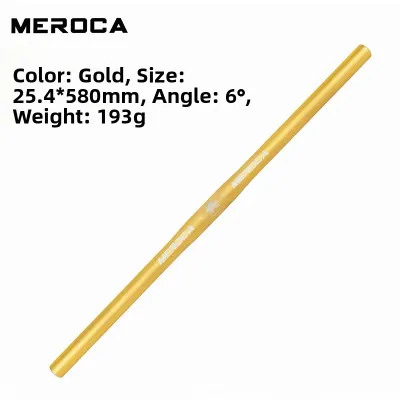
8 Lazada user ratings
finally after almost one month of waiting.I'm so pleased with this bicycle handlebar! 🤩 The unique curved design is really eye-catching. It …Read full reviewShow less
finally after almost one month of waiting.I'm so pleased with this bicycle handlebar! 🤩 The unique curved design is really eye-catching. It feels sturdy and well-made, exactly as shown in the pictures. 👍 Installation was a breeze. Definitely happy with this purchase! 🚴♀️✨
Compatible in all sense, durable but so light!!! The item in all respect, is in the best condition!👍 Thank you Seller, transporter and lazad…Read full reviewShow less
Compatible in all sense, durable but so light!!! The item in all respect, is in the best condition!👍 Thank you Seller, transporter and lazada, have a pleasant evening!!!
Prices are valid at publication and may change. Please refer to the product page for the latest price.
Riser Handlebars: Elevation and Sweep
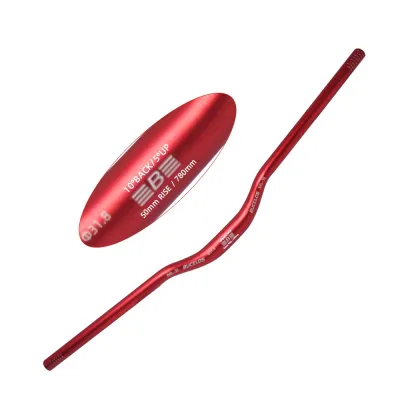
Riser bars introduce a distinct upward bend on either side of the central stem clamp, elevating the hand grips above the level of the stem. This vertical rise typically ranges from 15 millimeters to as much as 50 millimeters or more. In addition to rise, these bars incorporate both backsweep (angling back toward the rider) and upsweep (angling slightly upward toward the ends), which allows riders to fine-tune their hand and wrist alignment for technical riding.
Drop Handlebars: Multi-Dimensional Reach and Drop
Drop bars feature a complex, multi-directional geometry designed for road and gravel applications. They consist of a straight top section that curves forward (reach) before bending downward and backward (drop) to create the characteristic lower hooks. This design provides three distinct grip zones: the tops for relaxed riding, the brake hoods for general cruising and climbing, and the drops for an aerodynamic tuck. Modern gravel-specific drop bars also feature “flare,” where the lower drops angle outward to provide a wider, more stable stance when navigating loose surfaces.
How does each handlebar type affect your riding position and comfort?
Your handlebar selection directly dictates your torso angle, weight distribution, and the amount of physical strain placed on your joints during a ride. By changing where your hands rest, you shift your center of gravity either forward for speed or backward for stability.

Upright Posture and Visibility with Flat and Riser Bars
Flat and riser handlebars encourage a more upright riding posture, which naturally shifts your body weight backward toward your hips and saddle. This upright position opens up your chest, improves forward visibility in traffic or on busy trails, and reduces the immediate physical demand on your core muscles. Riser bars take this a step further by lifting your torso even higher, which can alleviate lower back tension and reduce the weight pressing down through your wrists, making them highly comfortable for riders who experience neck or back stiffness.
Aerodynamics and Hand Variety with Drop Bars
Drop handlebars place you in a more aggressive, forward-leaning posture that optimizes aerodynamic efficiency by lowering your frontal surface area. This position requires your core muscles to support a larger portion of your upper body weight, distributing the remaining load between your hands and the saddle. While this forward lean can feel intense for beginners, drop bars offer the distinct advantage of multiple hand positions; switching between the tops, hoods, and drops allows you to shift pressure points across your hands and wrists, preventing the localized numbness and fatigue that often occur during multi-hour endurance rides.
Managing Strain on the Back, Neck, and Shoulders
The long-term comfort of each style depends heavily on your flexibility and riding duration. An upright posture on flat or riser bars is highly comfortable for short to medium rides but can concentrate road vibrations directly up your spine over long distances. Conversely, the stretched-out position of drop bars reduces spinal compression by distributing forces horizontally, though it requires sufficient flexibility in your hamstrings and lower back to avoid neck strain over consecutive hours of cycling.
How do steering response and control vary across these three handlebar designs?
Steering characteristics are governed by the width of the handlebar and the leverage it provides over the front wheel’s steering axis. A wider bar slows down the steering input but increases stability, while a narrower bar speeds up response but requires more physical effort to control in rough terrain.
Leverage and Technical Control on Wide Bars
Flat and riser handlebars are typically much wider than drop bars, providing immense leverage that makes it easier to muscle the front wheel over rocks, roots, and ruts. This wide stance translates to slow, predictable, and highly stable steering at low speeds, which is essential for navigating technical mountain bike trails. The immediate steering response of a wide flat or riser bar allows for rapid micro-adjustments, giving you the leverage needed to keep the front wheel on track when encountering sudden obstacles.
Aerodynamic Efficiency and High-Speed Stability on Drop Bars
Drop handlebars are significantly narrower, typically matching the shoulder width of the rider (ranging from 38 to 46 centimeters). This narrow profile reduces aerodynamic drag and allows you to squeeze through tight spaces, but it offers less leverage, resulting in quicker, more sensitive steering at high speeds. When riding in the drops, your lower center of gravity increases high-speed stability on paved descents, while riding on the hoods provides a balanced compromise of control and brake accessibility.
The Role of Sweep and Width in Trail Navigation
The sweep angle of flat and riser bars also plays a critical role in steering ergonomics by positioning your elbows outward, which naturally prepares your upper body to absorb impacts. On narrow, tree-lined trails, however, the extreme width of flat and riser bars requires careful navigation to avoid clipping obstacles, whereas the compact width of drop bars provides excellent clearance at the expense of raw leverage.
Which handlebar style is best suited for your specific bike and riding terrain?
Matching your handlebar style to your terrain and bicycle frame geometry is essential for achieving a balanced, safe ride. Installing a handlebar type that contradicts your bike’s intended design can negatively alter its handling characteristics and compromise your safety.
Flat Bars for Commuting and Cross-Country
Flat bars are highly suited for urban commuting, cross-country riding, and moderate recreational trails where quick maneuvers and clear visibility are paramount. They excel in stop-and-go city traffic where you need to keep your head up to watch for vehicles while maintaining quick brake lever access. For cross-country racers, flat bars keep the front end low and efficient for climbing steep hills without losing front-wheel traction.
Riser Bars for Technical Trails and Downhill Descending
Riser bars are the standard choice for technical trail riding, enduro, and downhill mountain biking. When descending steep, rocky terrain, the added height of a riser bar keeps your weight from shifting too far over the front axle, reducing the risk of pitching forward over the handlebars. This upright control is critical when navigating technical features, drops, and jumps where maximum leverage and upper-body mobility are required to maneuver the bike.
Drop Bars for Road, Gravel, and Long-Distance Touring
Drop bars are designed for paved roads, gravel paths, and long-distance touring where maintaining speed and managing wind resistance are your primary goals. The aerodynamic efficiency of the drops helps you sustain higher speeds with less effort, while the variety of hand positions is indispensable for preventing fatigue during all-day gravel adventures or multi-day bikepacking trips. For mixed-terrain riding, gravel-specific drop bars with flared drops offer a wider stance for improved stability when descending loose gravel roads.
What compatibility factors must you verify before swapping handlebar styles?
Swapping your handlebar style is rarely a simple upgrade, as it involves a complex web of component compatibility that affects your steering safety and braking performance. Before purchasing a new handlebar, you must verify several critical mechanical dimensions to ensure a secure and functional setup.
Stem Clamp and Grip Diameters
First, you must match the clamp diameter of the handlebar’s center section with your stem’s clamp diameter. The most common modern standards are 31.8 millimeters and 35 millimeters, though older or entry-level bikes may use 25.4 millimeters or 26.0 millimeters. Attempting to force mismatched components together can lead to sudden handlebar slippage or catastrophic material failure while riding.
Lever and Shifter Compatibility
Second, brake and shifter lever clamp diameters differ significantly between flat/riser bars and drop bars. Flat and riser bars typically use a standard 22.2-millimeter outer diameter at the grips, whereas drop bars use a larger 23.8-millimeter diameter. This means your flat-bar brake levers and shifters will not physically slide onto a drop bar, and road-style integrated brake-shift levers cannot clamp securely onto a flat or riser bar.
Cable Length and Hydraulic Hose Routing
Third, changing your handlebar geometry often requires adjusting your cable and housing lengths. Moving from a narrow flat bar to a wide riser bar, or transitioning to a drop bar with a longer forward reach, can pull your brake cables and shifter housings dangerously taut, preventing you from turning the handlebars fully. You may need to install entirely new inner cables and outer housings, which can add to the overall cost of the conversion, potentially ranging from a few hundred to several thousand pesos ₱ depending on whether you are running mechanical systems or complex hydraulic disc brakes.
If your conversion involves transitioning between hydraulic disc brakes and mechanical drivetrains, or if you are unsure about cable routing and torque specifications, stop and consult a professional bike mechanic. Incorrectly installed controls can lead to brake failure or poor shifting, making professional installation a vital step for ensuring your safety on the road or trail.
Community discussion
Share your experience or ask a question. Comments are reviewed before publication.