
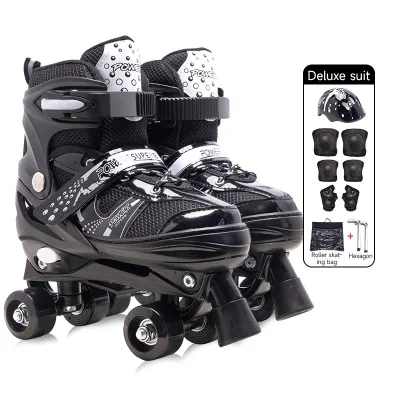
When shopping for skating shoes roller models, the technical details printed on the wheels and bearings can feel overwhelming. Choosing the right setup is not about finding a single, universally perfect configuration; instead, it is about matching physical characteristics to your local environment, skill level, and personal goals. Whether you are navigating a smooth outdoor basketball court or skating along a humid coastal boulevard, three core specifications dictate your ride: wheel size, wheel hardness, and bearing ratings.
Together, these components form the foundation of roller skate performance. Wheel size dictates your speed and maneuverability, wheel hardness determines your grip and shock absorption, and the bearings govern how efficiently your wheels spin. Whether you prefer traditional quad skates or inline skating shoes roller designs, understanding these specifications will help you make an informed decision and avoid costly purchasing mistakes.
Understanding Wheel Size: Diameter and Profile
Wheel size is measured in millimeters (mm) and refers directly to the diameter of the wheel. This measurement is typically printed on the outer face of the wheel. If the graphic has worn off after hours of use, you can determine the size by using a standard caliper or ruler to measure the distance from one outer edge of the wheel directly through the center core to the opposite edge.
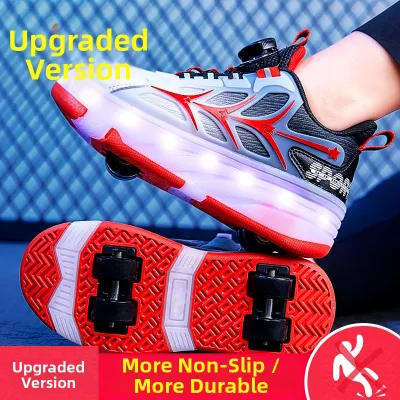
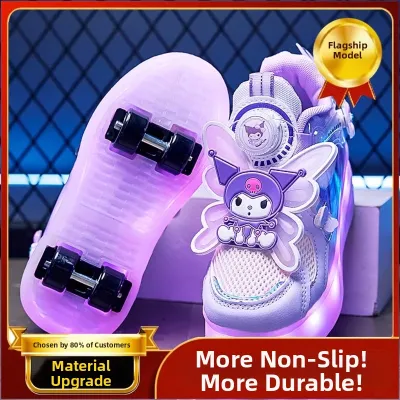
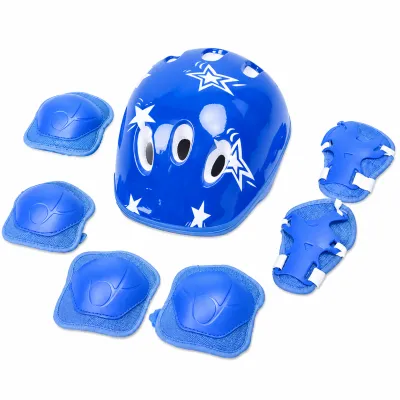
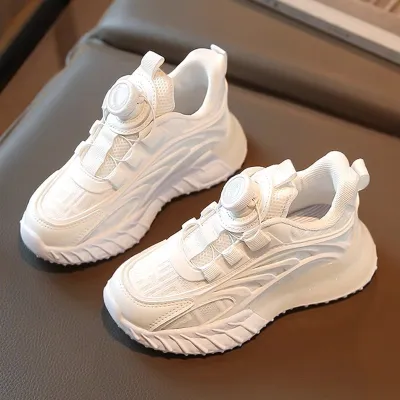
Products mentioned in this guide


![IMUTO[Free protective gear]Roller Skate Shoes for Kids Adjustable Quad Skates Roller Blades Skate Shoes for Girls Boys](https://img.lazcdn.com/g/p/825ea35eea06c587864d651862874cfc.png_400x400q80.png_.webp)
Prices are valid at publication and may change. Please refer to the product page for the latest price.
The diameter of your wheels directly affects how your skates handle different terrains and how much effort is required to maintain speed. Larger wheels (typically 80mm to 110mm) roll over cracks, pebbles, and uneven surfaces with relative ease, maintaining momentum for long-distance fitness. However, they raise your center of gravity, which can reduce stability for beginners. Conversely, smaller wheels (typically 55mm to 76mm) offer a lower center of gravity, providing excellent stability and quick acceleration from a dead stop. This makes them highly agile and easier to control, though they require more physical effort to maintain high speeds and can catch on small stones or cracks.
Beyond diameter, the wheel profile—or contact patch width—plays a vital role in stability and friction. A wider, flatter profile distributes weight over a larger surface area, offering maximum grip and stability for cruising. A narrow, rounded profile reduces the contact patch, minimizing friction against the ground. This rounded shape allows for rapid transitions and easier sliding, but it demands better balance and precise edge control from the skater.
Decoding Wheel Hardness (Durometer)
Wheel hardness is measured using the durometer scale, designated by a number followed by the letter “A” (for example, 78A or 95A). This rating indicates how hard or soft the polyurethane material of the wheel is. Understanding this scale is crucial for ensuring you have the right amount of traction and shock absorption for your specific skating environment.

Softer wheels (78A to 85A) are engineered primarily for outdoor use. The pliable material compresses slightly under your weight to absorb vibrations from rough asphalt and concrete, providing excellent grip during sharp turns. However, this increased friction means softer wheels can feel sluggish on smooth indoor rink floors and will wear down faster. Harder wheels (90A to 103A) are designed for indoor rinks, skate parks, and highly polished surfaces. Because the material does not compress easily, harder wheels transfer physical energy directly into speed, allowing for a fast, effortless glide on smooth wood or coated concrete, though they offer virtually no shock absorption on rough pavement.
For safety, beginners must exercise caution. Extremely hard wheels (95A and above) on dusty, smooth, or polished indoor surfaces can lead to a sudden loss of traction. Without sufficient edge control, your wheels can easily slide out from under you, resulting in hard falls. If you are uncertain about the surfaces you will encounter, starting with a medium-hardness hybrid wheel (around 82A to 86A) offers a safer, more forgiving balance of grip and speed.
Demystifying Bearing Ratings (ABEC and ILQ)
Every roller skate wheel requires two bearings and a spacer to spin freely on the axle. While bearings are frequently advertised with an ABEC rating (such as ABEC-5, ABEC-7, or ABEC-9), a higher number does not automatically make a skate faster. The ABEC (Annular Bearing Engineers’ Committee) scale measures manufacturing tolerances for industrial machinery, not the specific physical demands of recreational skating.
While a higher ABEC rating indicates tighter manufacturing tolerances, it does not account for the lateral forces, heavy impacts, and environmental debris that skates encounter. A high-tolerance industrial bearing can quickly fail if it is subjected to the side-to-side loads of a hard turn or the impact of jumping off a curb. Because of this, many reputable manufacturers use alternative rating systems, such as ILQ (InLine Quality) or SG ratings, which are specifically engineered to evaluate a bearing’s performance under skating-specific conditions.
In humid, tropical climates, bearing protection is paramount. Standard open bearings allow moisture, fine dust, and road grime to enter the internal raceway, quickly leading to rust, grinding noises, and eventual seizure. Look for bearings equipped with removable rubber shields (often labeled as RS or LLU) rather than non-removable metal shields (ZZ). Removable rubber shields provide an effective barrier against humidity and dust while allowing you to easily open, clean, and re-lubricate the bearings to extend their lifespan.
How to Match Skating Shoes Roller Specs to Your Surface
To get the most out of your skating shoes roller setup, you must combine your knowledge of wheel size, hardness, and bearings to suit your specific skating environment. No single configuration excels everywhere, so identifying where you will spend the majority of your time is the first step toward a comfortable and safe ride.
For outdoor fitness skating on public park paths, rough asphalt, or uneven concrete, your priority should be shock absorption and momentum. A setup featuring larger wheels (80mm to 90mm) with a soft durometer (78A to 84A) will smooth out the vibrations of rough terrain and roll over small pebbles safely. Pair these with durable, well-sealed bearings featuring rubber shields to protect the internals from outdoor dust, puddles, and high humidity.
If you plan to skate primarily on indoor rinks, polished concrete courts, or smooth wooden floors, you will benefit from smaller to medium-sized wheels (62mm to 76mm) with a hard durometer (90A to 98A). This combination provides the responsiveness needed for tight turns, while the hard compound allows you to glide effortlessly without feeling bogged down. High-precision bearings with light oil lubrication will maximize your rolling efficiency on these clean, smooth surfaces.
For aggressive street or park skating, durability and impact resistance are paramount. Park skaters typically use small, hard wheels (55mm to 60mm, with hardness ratings of 98A to 101A) that feature a flat, wide profile. This design provides a stable landing platform after jumps and prevents the wheels from sticking to concrete ramps or metal coping during grinds. For this style, prioritize heavy-duty, impact-resistant bearings over high-speed ratings, as landing forces can easily damage delicate, high-tolerance bearings.
The following table summarizes these general guidelines to help you select the ideal specifications for your skating style:
| Skating Environment | Recommended Wheel Size | Recommended Hardness | Bearing Focus |
|---|---|---|---|
| Outdoor Fitness & Rough Pavement | 80mm – 90mm | 78A – 84A (Soft) | Dust-resistant, fully sealed rubber shields |
| Indoor Rinks & Smooth Concrete | 62mm – 76mm | 90A – 98A (Hard) | High-precision, light oil lubrication |
| Skate Parks & Aggressive Skating | 55mm – 60mm | 98A – 101A (Very Hard) | High impact resistance, durable steel casings |
| Casual Recreation & Multi-Surface | 72mm – 80mm | 82A – 86A (Medium/Hybrid) | Low maintenance, double-shielded design |
Frequently Asked Questions (FAQ)
Can I use indoor wheels for outdoor skating?
While physically possible, using hard indoor wheels outdoors is highly discouraged. They cannot absorb the vibrations of rough asphalt or concrete, resulting in an uncomfortable, fatiguing ride. Additionally, indoor wheels lack grip on uneven outdoor surfaces, increasing the risk of slipping on dust or sand. If you skate on both surfaces, investing in medium-hardness hybrid wheels (82A to 86A) or keeping two separate wheel sets is the safest solution.
Do I need to clean and lubricate my bearings?
Yes, regular maintenance preserves both performance and safety. Dust, moisture, and road grime eventually penetrate bearing shields, drying out the lubricant and causing friction. If you hear grinding noises or feel resistance, it is time to clean them. Always refer to the manufacturer’s care instructions first. Typically, you should remove the shields, clean the bearings in a dedicated solvent, dry them completely, and apply a few drops of skate-specific oil or grease. Avoid household penetrating oils like WD-40, which strip protective lubricants and attract dirt.
Community discussion
Share your experience or ask a question. Comments are reviewed before publication.