
Choosing the right back extension machine for your home gym is a critical decision for your posterior chain development, core stability, and overall spinal health. The two primary designs available—the horizontal Roman chair and the 45-degree back extension bench—offer distinct biomechanical advantages, space requirements, and user experiences. Selecting the wrong style can lead to uncomfortable workouts or a machine that simply does not fit your training space.
If you need a quick decision, choose the 45-degree back extension bench if you are a beginner, focusing on lower back rehabilitation, or working with limited floor space and low ceilings. This design offers a gentler learning curve and a more compact footprint. Conversely, choose the horizontal Roman chair if you are an advanced lifter prioritizing glute and hamstring hypertrophy, plan to use heavy external loads, and have ample room clearance. Before making any purchase, always verify your ceiling height and the machine’s physical footprint to ensure a safe, unobstructed range of motion.
How the Angle Changes Your Workout: 45-Degree vs Horizontal
The physical angle of each machine fundamentally alters the physics of the exercise, changing how gravity acts on your body and which muscles experience the greatest tension. On a 45-degree back extension bench, your body is positioned at a diagonal angle relative to the floor. This inclination reduces the leverage at the bottom of the movement, meaning the initial phase of the extension feels relatively light. As you rise to the top, the tension remains highly consistent and manageable, making it an excellent tool for building muscular endurance without exposing the spine to sudden spikes in resistance.
Products mentioned in this guide
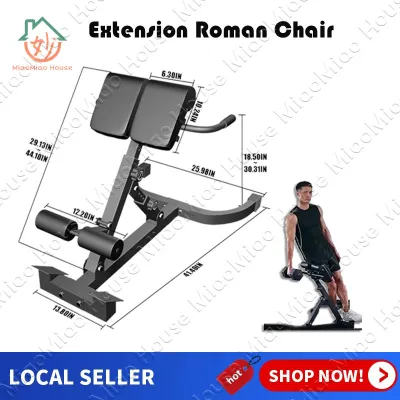
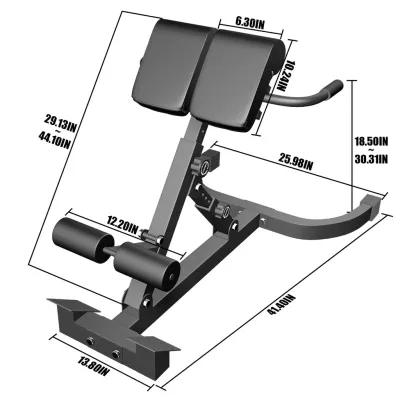
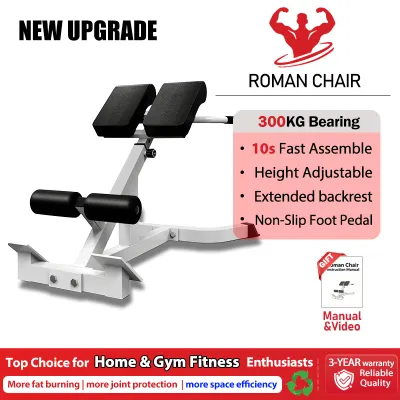
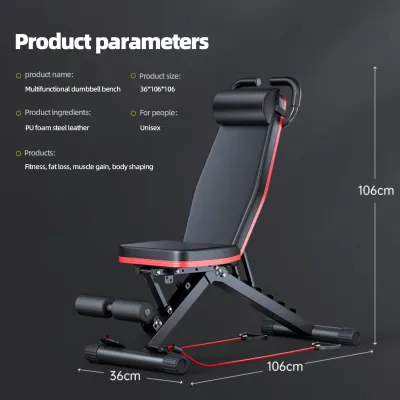
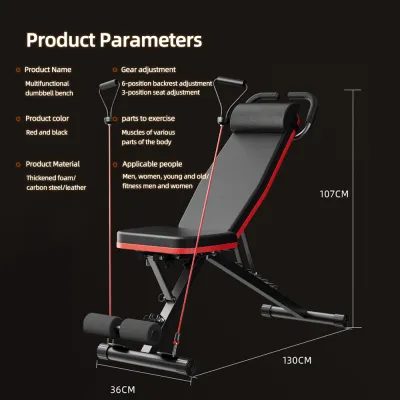
Prices are valid at publication and may change. Please refer to the product page for the latest price.
In contrast, a horizontal Roman chair positions your torso parallel to the floor at the starting point of the extension. This horizontal alignment maximizes the moment arm—the horizontal distance between your hips and your upper body’s center of mass. Because of this leverage, the peak torque demands on your glutes, hamstrings, and lower back are significantly higher, particularly at the top of the movement where you must fight gravity to hold your body straight.
The pivot point on both machines is determined by the placement of the hip pad, which dictates how your muscles are recruited. If the pad is positioned high, resting against your upper thighs and pelvis, it locks your hips in place. This forces the movement to occur primarily through flexion and extension of the lumbar spine, targeting the spinal erectors. If the pad is adjusted lower, just below your hip crease, your pelvis can rotate freely. This allows you to perform a true hip hinge, shifting the primary workload to your glutes and hamstrings while your lower back acts as a stabilizer.
Matching the Machine to Your Training Goals
Aligning your equipment choice with your specific fitness objectives ensures you get the most value out of your investment. For individuals prioritizing lower back health, core endurance, and general posture support, the 45-degree bench is highly effective. The angled design allows you to perform controlled, moderate-intensity spinal erector work with minimal risk of accidental hyperextension. It is particularly suited for high-repetition training, which builds the muscular endurance necessary to support the spine during daily activities.

If your primary goal is athletic performance, powerlifting preparation, or targeted glute and hamstring development, the horizontal Roman chair is the superior tool. The horizontal starting position allows your torso to hang completely vertical at the bottom of the movement, providing a deep stretch under load that is difficult to replicate on an angled bench. This extended range of motion is highly beneficial for hypertrophy. Furthermore, the horizontal position makes it much easier to hold weight plates or dumbbells against your chest to progressively overload the movement as you get stronger.
Exercise versatility is another factor to consider. While both machines are primarily used for back extensions, they can accommodate secondary movements. The horizontal Roman chair is highly effective for performing side bends to target the obliques, as the horizontal alignment provides a direct line of resistance against gravity. Some advanced lifters also use the Roman chair for isometric holds or even reverse hyperextensions by facing the opposite direction, though this requires a highly stable frame.
Space, Clearance, and Home Gym Setup Requirements
Before purchasing any fitness equipment, you must carefully evaluate the physical constraints of your workout space. In many homes, especially in urban areas where space is at a premium, the footprint of the machine is a major deciding factor. A 45-degree back extension bench typically features a compact, triangular frame that occupies minimal floor space. Many angled models are also designed to be foldable, allowing you to collapse the frame and store it in a closet or against a wall when your workout is finished.
A horizontal Roman chair requires a much larger, rectangular base to ensure stability. Because your entire body weight is projected horizontally during the exercise, the machine must have a long, heavy base to prevent it from tipping forward. This means a Roman chair will occupy a permanent spot in your gym and cannot be easily tucked away. Additionally, you must account for ceiling height and surrounding clearance. When performing extensions on a Roman chair, your head and upper body travel through a wide arc; you must ensure there is enough vertical and horizontal clearance to avoid hitting nearby walls, low ceilings, or overhead beams.
Storage and mobility are also critical, particularly in tropical climates where home gyms may be set up in semi-outdoor spaces like carports, covered patios, or garage areas. High humidity can accelerate the wear on fitness equipment, so look for machines with powder-coated steel frames that resist rust. If you need to move your equipment frequently to protect it from the elements or to clear space, prioritize models equipped with built-in transport wheels and a manageable overall weight.
Comfort and Adjustability Features to Verify Before Buying
To ensure your workouts are safe, comfortable, and effective, you must verify several key build features in the manufacturer’s specifications before making a purchase. The quality of the padding is paramount. Cheap, low-density foam will compress completely under your body weight, leading to painful bruising on your hips, thighs, or shins. Look for high-density foam padding wrapped in sweat-resistant, easy-to-clean vinyl upholstery that can withstand daily use in warm, humid conditions. A split-pad design for the hip support is highly recommended, as it reduces pressure on sensitive areas.
Adjustability is another crucial factor, especially if multiple people of different heights will be using the machine. Verify that the hip pad can be adjusted vertically to align perfectly with your hip crease, and that the ankle rollers can be adjusted horizontally to accommodate your leg length. If the machine lacks sufficient adjustment points, you may find yourself locked into an awkward position that strains your knees or lower back instead of targeting the intended muscle groups.
Finally, review the manufacturer’s stated maximum weight capacity and structural stability. A high-quality back extension machine should feel rock-solid during use. Look for frames constructed from heavy-gauge steel with wide stabilizer feet. If you plan to perform weighted extensions, ensure the combined weight of your body and the added plates does not exceed the machine’s rated capacity. Non-slip rubber end caps on the base are also essential to prevent the machine from sliding or scratching your floors, whether you are training on concrete, wood, or tiled surfaces.
Final Decision Framework: Which One Wins for You?
To finalize your decision, use this straightforward checklist to match your circumstances to the right machine:
Choose the 45-Degree Bench if:
- Your primary goal is lower back maintenance, injury rehabilitation, or general core endurance.
- You are a beginner or intermediate lifter who prefers a controlled, progressive learning curve.
- Your workout space is limited, and you require a compact or foldable machine that can be easily stored.
- You are working within a tighter budget, as angled benches are often more affordable.
Choose the Roman Chair if:
- Your main objective is maximum glute and hamstring hypertrophy or athletic power development.
- You are an experienced lifter who wants to perform heavy, weighted extensions with a full range of motion.
- You have a dedicated home gym space with ample floor area and high ceiling clearance.
- You want a highly stable, heavy-duty machine that can support advanced lateral and posterior chain exercises.
Verify first if:
- You are considering a hybrid or adjustable model that claims to offer both 45-degree and horizontal angles. Check the user manual to ensure the locking pins, pivot joints, and pad shapes are robust enough to handle the transitions without compromising your safety or the machine's structural integrity.
Frequently Asked Questions (FAQ)
Can I use a back extension machine if I have lower back pain?
If you are experiencing active lower back pain, you should always consult a physical therapist or medical professional before starting any new exercise routine. Once cleared, a 45-degree back extension bench is generally considered a lower-risk option for rehabilitation because the angled position reduces the shear force on the lumbar spine at the bottom of the movement. When performing the exercise, focus on maintaining a neutral spine and avoid hyperextending or arching your back past the straight-line position at the top. Do not add external weight until you have built sufficient baseline strength and have been cleared by a professional.
Are Roman chairs and GHD (Glute Ham Developer) machines the same?
While Roman chairs and GHD machines look similar and both target the posterior chain, they are biomechanically distinct. A GHD machine features a large, half-moon curved pad and a footplate that positions your knees as the primary pivot point, allowing you to perform glute-ham raises that heavily isolate the hamstrings through knee flexion. A Roman chair features flat or slightly angled pads where your hips serve as the pivot point, focusing primarily on hip extension and spinal erection. While some hybrid models attempt to combine these features, true GHDs are much larger, heavier, and serve a different primary training function than a standard Roman chair.
Community discussion
Share your experience or ask a question. Comments are reviewed before publication.