
Finding the right way to transport your bicycle can be incredibly frustrating, especially when you have to navigate heavy tropical downpours, bumpy roads, and tight parking spaces. Choosing between a roof rack, hitch rack, or trunk mount depends entirely on your vehicle’s physical mounting points, your physical lifting capacity, and the specific frame design of your bicycles. There is no single universal carrier; instead, the ideal choice balances your vehicle’s structural limits with how often you ride and how much effort you want to spend loading your gear.
Transporting your bike safely requires a system that can withstand both high speeds on the highway and the vibrations of uneven road surfaces. In tropical climates like the Philippines, where intense sunlight, high humidity, and sudden monsoon rains are common, your gear faces unique environmental stressors. A poorly matched carrier not only risks damaging your vehicle’s paint or body panels but can also lead to catastrophic equipment failure while driving in busy traffic. Understanding the physical boundaries of each mounting style is the first step toward a safe and stress-free journey to the trail.
How does your vehicle's design limit your bike carrier choices?
Your vehicle’s body style, factory installations, and structural weight limits dictate which bike carrier styles are physically compatible. You must verify these physical mounting points before purchasing any rack system to avoid vehicle damage or unsafe road conditions. Not every car can support every type of rack, and forcing an incompatible system onto your vehicle can lead to costly repairs.
Products mentioned in this guide
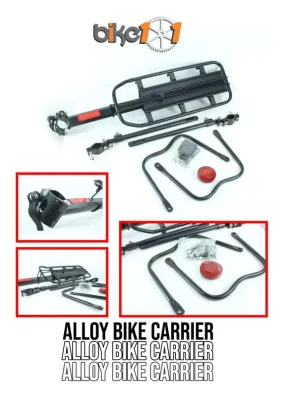
24 Lazada user ratings
items recieve, ok nman walang damage, may mga kala kalawang lang, siguro matagal ng stock, thanks seller, thanks rider, thanks lazada
nice, napakagwapo, pwede na angkasan or maglagay ng lagayan ng gamit, matibay naman dahil bakal lahat salamat ng marami
🛠️Ease of Installation:plug and play, fits to my mtb 🔌Compatibility:stylish design. 🔨Durability:alluminum material
🔨Durability:100% kayang kaya si Misis 60kg 🔌Compatibility:100% 🛠️Ease of Installation:100%
more than expected. thank so much
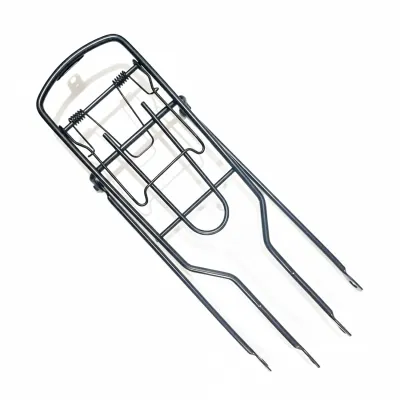
148 Lazada user ratings
Sleek design that complements my bike, Sturdy and reliable bike carrier, Perfect for carrying luggage on bike rides, Makes transporting my b…Read full reviewShow less
Sleek design that complements my bike, Sturdy and reliable bike carrier, Perfect for carrying luggage on bike rides, Makes transporting my bike a breeze,
Makes transporting my bike a breeze, Durable steel construction, High-quality rack carrier for my bike, Perfect for carrying luggage on bike…Read full reviewShow less
Makes transporting my bike a breeze, Durable steel construction, High-quality rack carrier for my bike, Perfect for carrying luggage on bike rides,
goods naman , nailagay ko na sa velo ko , salamat seller , lazada .
matibay at maganda malakas ang pang ipit bili na kayo
ok naman , medyo tuklap na ang pintura pero ok pa din
Prices are valid at publication and may change. Please refer to the product page for the latest price.
Roof rack systems require specific structural foundations to be installed safely. To use a roof-mounted bike carrier, your vehicle must be equipped with either factory-installed side rails or dedicated aftermarket crossbars. It is crucial to check your vehicle’s owner’s manual for the dynamic roof weight limit, which is the maximum weight the roof can safely support while the vehicle is in motion. This limit is significantly lower than the static weight limit and must accommodate both the weight of the crossbars themselves and the bike carriers.
Hitch racks offer a highly stable platform but require a compatible hitch receiver installed under your rear bumper. You must identify whether your vehicle has a factory-installed receiver or if you need to have an aftermarket one professionally fitted. Hitch receivers generally come in two standard sizes: 1.25 inches and 2 inches. Additionally, you must verify the hitch’s tongue weight capacity, which is the maximum downward force the receiver can support. This capacity determines how many bikes you can safely carry behind your vehicle.
Trunk mounts are often considered highly versatile, but they have severe physical limitations based on vehicle design. These strap-on carriers rely on the structural integrity of your rear trunk lid, tailgate, or bumper. Vehicles with plastic rear spoilers, delicate glass-edge hatchbacks, or flush bumper designs often cannot support the tension of trunk-mount straps. Placing heavy loads on these delicate components can warp metal panels, crack plastic spoilers, or shatter rear glass during transit.
How do loading effort and daily driving clearance differ between roof, hitch, and trunk mounts?
Loading effort and clearance requirements vary dramatically across the three styles, directly impacting your physical comfort and where you can safely drive. Roof racks keep the rear of your vehicle completely clear but require lifting bikes overhead, while hitch and trunk mounts keep bikes low but restrict rear access and extend your vehicle’s overall length. Balancing these daily usability factors is essential for a system you will actually enjoy using.

Lifting mechanics represent a major physical consideration for any cyclist. Roof racks require you to lift the entire weight of your bicycle above your shoulders to secure it into the tray. This task can be incredibly challenging and physically exhausting, especially after a long, tiring ride, or when handling heavy commuter bikes and steel frames. In contrast, hitch racks require minimal lifting, allowing you to roll or lift the tires just a few inches off the ground. Trunk mounts require a moderate lift to waist or chest height to hang the bike frame onto the support arms.
Clearance and rear access are daily driving factors that can cause significant inconvenience if overlooked. Roof-mounted bikes dramatically increase your vehicle’s total height, creating a high risk of hitting low-clearance parking structures, drive-through overhangs, or low-hanging tree branches and utility lines. On the other hand, hitch and trunk mounts extend the rear profile of your vehicle, making parallel parking more difficult. They also block access to your trunk or tailgate; while some premium hitch racks feature a tilt-down mechanism to allow rear access, basic models require you to unload the bikes entirely just to reach your gear.
Aerodynamics and road visibility are also affected by your choice of carrier. Roof-mounted bikes sit directly in the wind stream, which increases wind resistance, alters the vehicle’s center of gravity, and can make the vehicle more sensitive to strong crosswinds during stormy weather. This drag can also noticeably increase wind noise inside the cabin. Hitch and trunk mounts keep the bikes tucked in the aerodynamic slipstream behind the vehicle, but they can partially block your rear view, obscure your license plate, and interfere with backup sensors or rear cameras. Always consult your carrier’s manual for recommended speed limits and driving adjustments.
How do security and bike frame protection compare across the three carrier types?
Protecting your bikes from both physical damage during transit and opportunistic theft requires understanding how each carrier secures the load. Hitch and roof racks generally offer superior stability and frame-safe contact points, whereas trunk mounts rely on straps that can allow bike-to-bike contact and paint abrasion. Choosing the right securing mechanism ensures your investment arrives at your destination in pristine condition.
Frame contact points vary significantly between carrier designs and can impact the structural integrity of your bicycle. Many modern hitch and roof racks utilize wheel-only contact mechanisms, which clamp securely over the front and rear tires without ever touching the bike frame. This design is highly recommended for delicate carbon fiber frames, custom paint jobs, or unique frame geometries that cannot tolerate clamping pressure. Other carriers use frame-clamping jaws or hanging cradles that grip the top tube, which can scratch paint or even crush lightweight tubing if over-tightened.
Anti-sway features and overall stability are critical when driving over rough roads, speed bumps, or through sudden stops. Hitch tray racks hold each bicycle independently in its own wheel slot, preventing any contact between multiple bikes. Hanging-style hitch racks and trunk mounts suspend bikes by their top tubes, which can allow them to swing back and forth during acceleration and braking. Without high-quality anti-sway straps, integrated cradles, or protective padding between the bikes, they can repeatedly collide with each other or rub against your vehicle’s tailgate, causing deep scratches.
Theft deterrence is a vital consideration when parking at trailheads, restaurants, or rest stops. Many premium hitch and roof racks feature integrated locking systems, such as locking cables that secure the bike frame to the rack and lock cores that secure the rack to the vehicle’s crossbars or hitch receiver. Trunk mounts are inherently more difficult to secure because the entire rack is held on by fabric straps that can be easily cut with shears. Regardless of the carrier style, always verify lock compatibility with your specific bike frame geometry, as unusually thick tubes or full-suspension designs may require aftermarket locking accessories.
Which bike carrier type best matches your riding frequency and bike collection?
The ideal bike carrier aligns with the weight of your bicycles, how often you head out to ride, and whether you plan to change vehicles in the future. Heavy or specialized bikes demand the robust support of a hitch tray, while occasional riders using standard frames may find the portability of a trunk mount highly practical. Evaluating your current riding habits and future goals will prevent you from outgrowing your carrier too quickly.
Your bike collection’s total weight and frame types are the most critical limiting factors. Heavy electric bikes (e-bikes), fat-tire bikes, and heavy utility models often exceed the weight capacity of standard roof racks and trunk mounts. These heavy-duty bikes are best suited for robust hitch-mounted tray racks, which are designed to support individual bike weights of 20 kg or more. Conversely, lightweight road bikes, standard gravel bikes, and traditional hardtail mountain bikes can easily be accommodated by high-quality roof racks or hanging carriers.
Your riding frequency determines how much convenience you should budget for. If you ride multiple times a week, a hitch-mounted tray rack offers unparalleled load-and-leave convenience, as it can remain installed on your vehicle and folds up compactly when not in use. For occasional weekend riders or seasonal cyclists, a trunk mount offers a practical, budget-friendly solution. While a basic trunk mount might cost around ₱3,000 to ₱8,000, a premium hitch-mounted tray system can easily exceed ₱25,000, not including the cost of installing a hitch receiver. The lower upfront cost and easy storage of a trunk mount make it highly appealing for infrequent use.
Long-term versatility and vehicle changes should also influence your decision. Roof rack systems are often highly vehicle-specific, requiring you to purchase expensive new fit kits, towers, or crossbars if you switch to a different car model. Hitch racks offer excellent cross-vehicle compatibility, as they can be easily transferred to any vehicle equipped with the correct receiver size. Trunk mounts offer moderate adjustability across different sedans and hatchbacks, but their fit is never guaranteed on newer vehicle designs with integrated plastic body molding.
What exact specifications must you check on your vehicle and carrier before buying?
Before finalizing your purchase, you must cross-reference the physical specifications of your vehicle with the technical limits of the carrier. Failing to match these specifications can lead to structural failure, vehicle damage, or serious road hazards. Taking the time to measure and verify these details ensures a safe, legal, and secure setup for every journey.
On the vehicle side, you must locate the exact hitch class and tongue weight limit, which are typically printed on a safety sticker attached directly to your vehicle’s hitch receiver. For roof setups, consult your vehicle’s owner’s manual to find the maximum dynamic roof load limit. Remember that the combined weight of your crossbars, the bike carrier itself, and your bicycles must never exceed this rated limit. For trunk mounts, consult the carrier manufacturer’s fit guide to ensure your specific vehicle make, model, and year are explicitly listed as compatible.
On the carrier side, check the manufacturer’s specification sheet for the maximum weight limit per bike, the total weight capacity of the rack, and the compatible wheelbase or tire width ranges. If you ride a modern mountain bike with a long wheelbase or wide fat-tire wheels, ensure the carrier’s trays or straps are long enough to secure the wheels safely. Additionally, verify that the carrier does not completely block your vehicle’s license plate or taillights, as this can lead to traffic violations in many jurisdictions.
Safety must always come first when transporting heavy loads on public roads. If the combined weight of your carrier and bikes comes within 10% of your vehicle’s rated limits, or if you notice any unusual flexing, wobbling, or loosening of straps during a test drive, stop immediately. Do not attempt to modify the rack or force a fit. Consult a professional mechanic or the vehicle manufacturer to verify your setup before embarking on long trips in challenging road or weather conditions.
Community discussion
Share your experience or ask a question. Comments are reviewed before publication.