
Quick Answer: Which Car Tent Type Should You Choose?
Selecting the ideal car tent configuration can transform your outdoor adventures. If you plan to upgrade your vehicle for camping, understanding how each tent type interacts with your car’s roof, suspension, and rear cargo area is the first step toward a safe and comfortable trip.
- Choose a rooftop tent if you prioritize sleeping off the ground, move campsites frequently, and want an integrated sleeping platform that packs away in minutes.
- Choose a side awning with an annex if you prefer a stationary basecamp, require reliable daytime shade, and want a spacious ground-level living area.
- Choose a tailgate tent if you own an SUV, minivan, or hatchback and want a highly integrated, budget-friendly setup that allows you to access your vehicle's cargo space directly from your sleeping quarters.
Ultimately, the best choice depends entirely on your vehicle’s structural load limits and your specific travel itinerary.
The Contenders: Rooftop, Side Awning, and Tailgate Car Tent Options Defined
To make an informed decision, you must first understand the design and function of each car tent category. While all three options attach directly to your vehicle, they serve fundamentally different purposes and offer varying levels of shelter.
Products mentioned in this guide
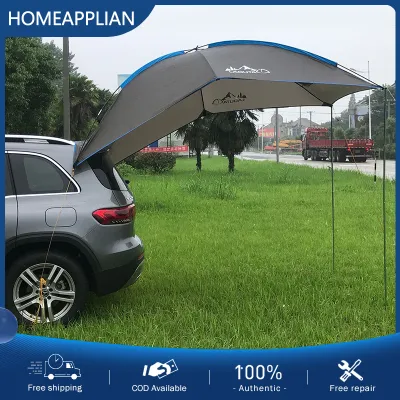
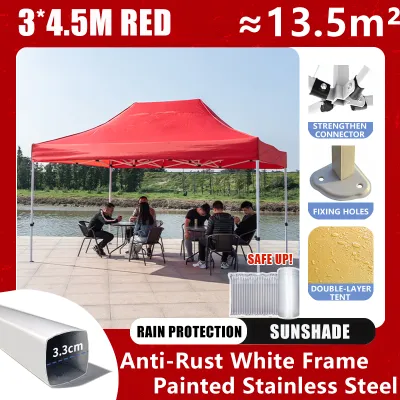
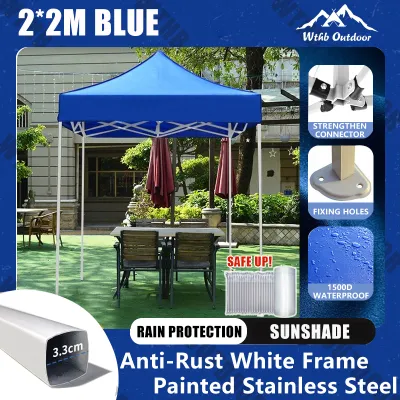
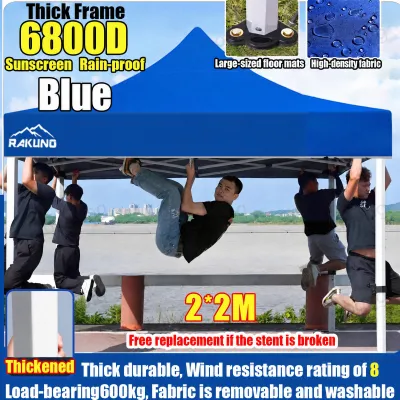
Prices are valid at publication and may change. Please refer to the product page for the latest price.

Rooftop Tents Mounted directly onto a vehicle’s roof rack system, rooftop tents are elevated sleeping platforms that fold or pop open. They are divided into two main categories: hard-shell and soft-shell models. Hard-shell designs resemble a slim cargo box when closed and use gas struts to pop up vertically or open like a clamshell in seconds. Soft-shell models feature a heavy-duty fabric cover and fold out to double their footprint, offering more interior space at the cost of a slightly longer setup time.
Side Awnings with Annex Rooms A side awning is a roll-out shade structure permanently mounted to the side of a roof rack. On its own, an awning provides overhead protection from intense tropical sun and sudden rain showers. However, to transform it into a functional sleeping space, you must attach a zip-on annex. This annex hangs beneath the extended awning, creating a fully enclosed ground-level room with walls, windows, and a heavy-duty floor.
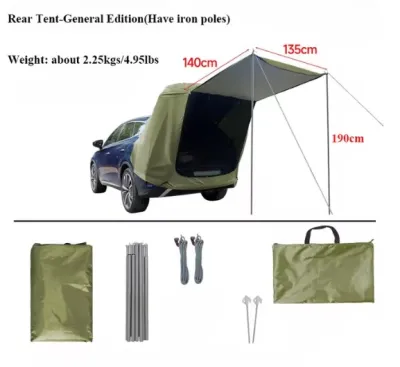
Tailgate Tents Tailgate tents attach to the rear hatch, trunk, or cargo doors of SUVs, hatchbacks, and minivans. By using an elasticized sleeve and adjustable straps, these tents wrap securely around the rear opening of your vehicle. This design effectively extends your vehicle’s interior cargo area into a ground-level tent room, allowing you to sleep inside the car while utilizing the attached tent for living space, gear storage, or additional sleeping quarters.
Vehicle Compatibility: Checking Your Roof Load and Rack Limits
Before purchasing any car tent, you must verify that your vehicle can safely support the physical load. Failing to check these limits can damage your vehicle’s body panels, crush your roof ditch channels, or compromise your safety on the road.
The most critical concept to understand is the difference between dynamic and static weight limits. The dynamic weight limit is the maximum load your vehicle’s roof can safely support while the vehicle is in motion. This limit accounts for the severe aerodynamic forces and lateral shifts that occur when cornering or braking at high speeds. The static weight limit is the load the roof can support when the vehicle is stationary and parked. Because a parked vehicle does not experience dynamic kinetic forces, the static limit is typically three to four times higher than the dynamic limit—plenty of weight to support the tent, crossbars, and multiple adult occupants.
Always consult your vehicle owner’s manual and your roof rack manufacturer’s specifications for these exact limits. Do not rely on generic online estimates or assume that a large SUV automatically has a high load capacity. Many factory-installed crossbars are only rated for light cargo, such as bicycles or luggage, and are entirely unsuitable for supporting a rooftop tent.
To support a rooftop tent safely, you will almost certainly need to upgrade to heavy-duty, aftermarket crossbars or a dedicated platform rack system. These systems must be rated to handle both the dynamic weight of the tent while driving and the static weight of your camping group when parked.
In contrast, tailgate tents do not place structural weight on your roof. Instead, they require a specific vehicle body shape—typically a rear liftgate hatch that swings upward or barn doors that swing outward—to support the fabric sleeve. Side awnings require a sturdy roof rack, side rails, or gutter mounts to provide a secure anchor point along the length of the vehicle’s roofline.
Setup and Takedown: Balancing Convenience and Effort
The ease of setting up and packing away your shelter directly impacts your daily enjoyment on the road. If your camping itinerary involves moving to a new location every afternoon, a tedious setup process can quickly turn a dream trip into a chore.
Rooftop Tents Rooftop tents offer some of the fastest setup times on the market, but this depends heavily on the shell design. Hard-shell models are incredibly efficient; after releasing a few latches, internal gas-assisted struts push the tent open in under two minutes. Soft-shell models require more manual labor. You must remove a heavy PVC travel cover, unfold the platform using the ladder as a lever, and manually insert tension rods to prop open the window rainflies. Takedown for soft-shell tents also requires tucking loose fabric back into the folding frame, which can be physically demanding.
Side Awnings Side awnings provide near-instant shade for quick roadside stops, but setting up a full sleeping annex is a multi-step process. After rolling out the awning and securing its vertical poles, you must carry out the heavy annex fabric, zip it to the awning frame, clip it to the support poles, and stake the floor securely to the ground. This process can easily take fifteen to twenty minutes of physical effort, making it less practical for quick overnight stops.
Tailgate Tents Tailgate tents require you to open your rear hatch, drape the elasticized sleeve over the door, and secure it to your vehicle’s wheel wells and undercarriage using adjustable straps. Once the vehicle connection is sealed, you must stake out the ground portion of the tent like a traditional ground shelter. The primary logistical challenge of a tailgate tent occurs if you need to use your vehicle during the day. To drive to a nearby store or trailhead, you must completely detach the sleeve, seal the tent opening to protect your gear from weather and pests, and then repeat the entire alignment process when you return.
Sleeping Space, Comfort, and Ground Clearance
Your comfort during the night depends on how well your tent insulates you from the ground, manages moisture, and provides space to move.
Rooftop Tents Rooftop tents excel at providing a comfortable, elevated sleeping experience. By sleeping high off the ground, you are completely isolated from ground moisture, mud, and uneven terrain. This elevation is particularly beneficial in tropical climates, such as the Philippines, where heavy rains can quickly turn campsite soil into mud, and crawling insects or pests are a constant presence. Furthermore, most rooftop tents feature a built-in, high-density foam mattress that remains inside the tent when packed, saving valuable cargo space inside your vehicle.
Side Awnings (with annex) Side awnings with annexes offer a ground-level sleeping experience that feels more like a traditional cabin tent. Because the annex sits on the ground, you must use separate sleeping gear, such as cots, air mattresses, or thick foam mats, to stay comfortable. The main advantage of this setup is vertical space. The high ceilings of an awning annex allow you to stand up fully, change clothes comfortably, and set up camp chairs and tables inside a protected, insect-free environment.
Tailgate Tents Tailgate tents provide a unique hybrid experience by merging your vehicle’s interior cargo space with an outdoor ground tent. Many campers build a custom sleeping platform over their folded rear seats, allowing them to sleep inside the secure, hard-sided cabin of their vehicle. The attached tailgate tent then serves as an auxiliary room for changing, storing muddy gear, or housing additional campers. This setup keeps your primary sleeping area clean and dry, though it requires careful management of vehicle battery drain if you leave the hatch open overnight.
Matching the Tent to Your Camping Style and Itinerary
Aligning your tent choice with your travel habits ensures you do not end up with an expensive piece of gear that frustrates you on the trail.
Overlanding and Frequent Moving If your travel style centers on overlanding, off-roading, and moving to a new campsite every day, a rooftop tent is highly advantageous. It allows you to park on uneven, rocky, or muddy ground and sleep comfortably without spending hours clearing debris or leveling a ground footprint. Because the tent is self-contained on your roof, you can pull into a campsite late at night and be asleep minutes later.
Basecamp and Extended Stays For stationary basecamping, where you plan to stay in one scenic location for several days or a week, a side awning with an annex is often the superior choice. It creates a large, comfortable social hub that serves as a kitchen, dining area, and living room. In tropical environments, having a wide, shaded outdoor space is essential for escaping the intense midday sun and staying dry during sudden afternoon downpours.
Weekend Car Camping and Gear-Heavy Trips If you prefer weekend car camping, family trips, or gear-heavy activities like kayaking or mountain biking, a tailgate tent offers excellent utility. It allows you to keep all your gear organized inside your vehicle while enjoying a traditional, ground-level camping experience. You can easily access your car’s 12V power outlets to charge devices or run portable fans, making the vehicle feel like an active part of your campsite.
Tropical Weather Considerations When camping in tropical climates, weather management is critical. Flat side awnings must be pitched with a steep angle on one side to prevent heavy rainwater from pooling and collapsing the aluminum support poles. For rooftop tents, wind exposure is a major consideration; being elevated makes the tent a sail in high winds, which can cause the vehicle to rock and disrupt your sleep during stormy weather.
Budget and Hidden Costs: Beyond the Initial Price Tag
When planning your purchase, looking only at the retail price of the tent fabric can lead to unexpected expenses. Each setup requires supporting hardware and accessories to function safely and comfortably.
- Rooftop Tents: These represent the highest initial financial investment. Beyond the cost of the tent itself, you must factor in the price of heavy-duty, aftermarket roof racks or platform systems, which can add significant cost to your overall budget. Additionally, because rooftop tents remain on your vehicle permanently during camping season, they increase aerodynamic drag, which can permanently lower your vehicle's fuel efficiency.
- Side Awnings: These are relatively affordable as standalone shade structures, but the cost increases once you add the necessary sleeping annex. You must also budget for heavy-duty mounting brackets compatible with your specific roof rack, as well as separate ground sheets and sleeping cots or mattresses to complete the setup.
- Tailgate Tents: These are generally the most budget-friendly option upfront because they utilize your vehicle's existing structure for support. However, you should still budget for accessories like custom-fit window screens for your vehicle doors to allow airflow without letting in mosquitoes, leveling blocks to keep your vehicle flat on uneven ground, and portable power stations to run fans and lights without draining your car's starter battery.
Always calculate the total “ecosystem” cost rather than just looking at the base price of the tent fabric.
Final Decision Framework: Your Step-by-Step Selection Guide
To choose the correct car tent for your vehicle and camping style, follow this systematic evaluation process:
- Step 1: Verify Vehicle Limits
Check your owner's manual for the dynamic and static roof weight limits. If your vehicle cannot support the weight of a rooftop tent and its occupants, eliminate that option immediately and focus on tailgate or ground-anchored setups. - Step 2: Define Your Camping Style
Determine if you are a highly mobile overland traveler who moves daily or a stationary basecamper who stays in one spot. Mobile campers should lean toward rooftop tents, while basecampers will benefit more from side awnings or tailgate configurations. - Step 3: Assess Physical Setup Requirements
Be honest about your willingness to handle the setup routine. If you dislike lifting heavy covers, climbing ladders, or staking out ground pegs in the mud, choose a hard-shell rooftop tent. If you enjoy creating a large, multi-room camp layout, an awning annex or tailgate tent is ideal. - Step 4: Calculate the Total Ecosystem Budget
Add up the cost of the tent, upgraded roof racks, mounting hardware, sleeping pads, and vehicle modifications. Choose the system that fits comfortably within your budget without compromising on safety or essential gear.
Frequently Asked Questions (FAQ)
Can I install a rooftop tent on a sedan or small hatchback?
While some compact sedans and hatchbacks can be fitted with aftermarket roof rails, their dynamic weight limits are typically too low to safely support a standard rooftop tent. Additionally, the small roof surface area of these vehicles can lead to dangerous wind resistance and altered vehicle handling while driving. Always consult your vehicle’s manual and a professional rack installer before attempting to mount any heavy load on a small passenger car.
Do I need a separate ground tent if I buy a side awning?
A standard side awning only provides overhead shade and basic weather protection from sun and rain. To sleep securely under an awning, you must purchase and attach a fully enclosed annex room that zips directly to the frame, or use a separate traditional ground tent pitched adjacent to the shaded area.
Community discussion
Share your experience or ask a question. Comments are reviewed before publication.