
Choosing between round and hex dumbbells is a critical decision when building a home gym. Neither shape is universally superior; instead, the right choice depends on your exercise preferences, storage space, and workout environment. The primary trade-off lies in rolling capability versus stability. Round dumbbells are designed to roll smoothly, making them excellent for dynamic movements and traditional lifting, but they require secure storage to prevent rolling hazards. Hexagonal (hex) dumbbells feature flat edges that prevent rolling, offering stability for floor-based exercises and easy stackability in compact spaces. By evaluating how these physical designs align with your fitness goals and home setup, you can select the shape that maximizes your training efficiency and safety.
Core Design Differences Between Round and Hex Dumbbells
Round dumbbells feature a circular head design that ensures a perfectly symmetrical weight distribution around the handle axis. Because there are no flat edges, the center of gravity remains centered, allowing the dumbbell to rotate smoothly in your hand during dynamic movements. Standard designs typically feature a solid steel or cast-iron core, often encased in polyurethane or rubber to protect floors and reduce noise.
Hex dumbbells have six flat sides, which alters how the weight behaves when placed on a surface. The flat edges provide a stable base, preventing the dumbbell from rolling even on slightly uneven surfaces. While the center of gravity remains centered relative to the handle, the physical presence of the flat sides means the weight does not roll or rotate smoothly along the ground. Hex dumbbells are commonly manufactured from solid cast iron, with many modern options featuring a thick rubber coating over the heads to absorb impact and resist wear.
Products mentioned in this guide
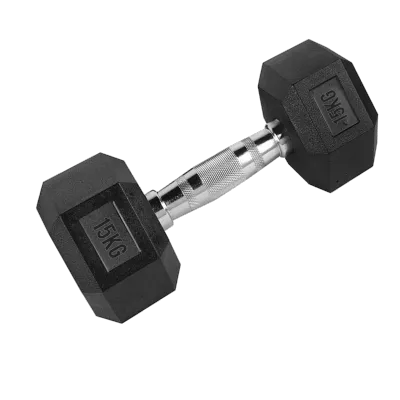
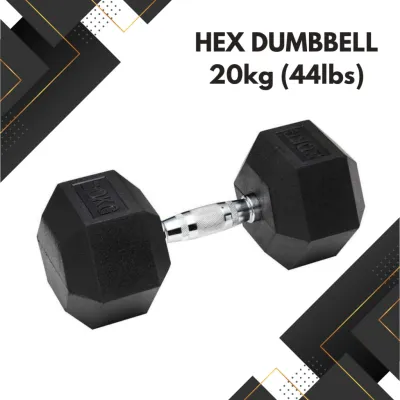
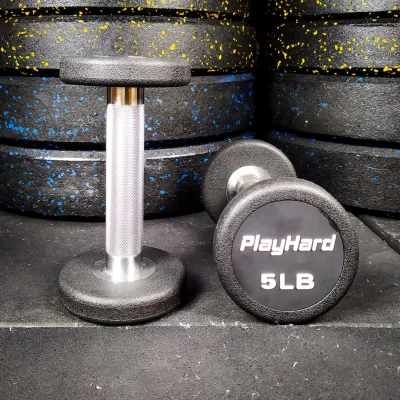
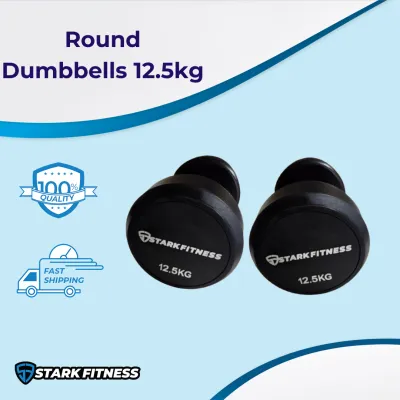
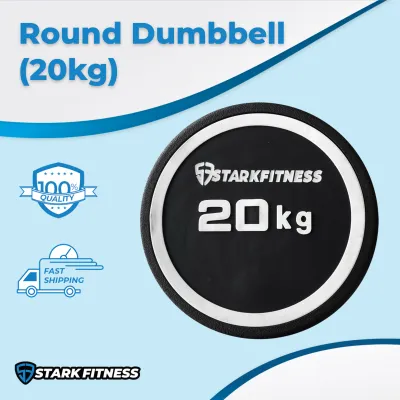
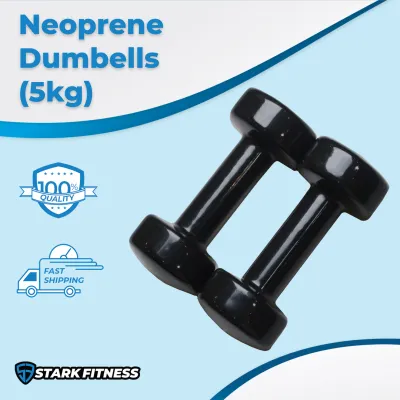
Prices are valid at publication and may change. Please refer to the product page for the latest price.
Understanding these structural differences is essential because they dictate how the equipment interacts with your hands, your floor, and your storage racks. For instance, in high-humidity environments like a garage gym in the Philippines, the choice of coating—whether rubber, urethane, or bare cast iron—plays a significant role in how well the dumbbell resists moisture-induced wear over time.
How Shape Impacts Your Workout Routine
Your choice of dumbbell shape directly influences the flow and safety of your daily workouts. If your routine heavily features floor-based movements, the flat edges of a hex dumbbell offer a distinct advantage. Exercises like renegade rows, dumbbell push-ups, and floor presses require you to place your full body weight onto the handles while the dumbbells rest on the floor. Hex dumbbells remain firmly in place, providing a stable, non-slip platform that protects your wrists from sudden pivoting or slipping. Attempting these same movements with round dumbbells is highly discouraged, as the circular heads can easily roll outward, leading to joint strain or sudden falls.

Conversely, round dumbbells excel in dynamic training and traditional isolation movements. During exercises like clean-and-presses, snatches, or standard bicep curls, the circular profile allows for a natural, unobstructed path of motion. If you accidentally graze your leg or hip during a rapid lift, the smooth, curved surface of a round dumbbell is far more forgiving than the sharp corners of a hex design. Additionally, for exercises that require rolling the weight along the floor—such as dumbbell ab rollouts—the round shape is a functional necessity.
Grip comfort and handle design also vary between these two styles, affecting both heavy lifting and high-repetition endurance work. Many round dumbbells, especially commercial-grade polyurethane models, feature straight, fully knurled steel handles that offer a consistent grip across the entire width. Hex dumbbells frequently utilize contoured, ergonomic handles that are thicker in the middle and taper toward the ends. While some lifters prefer the natural feel of a contoured grip for high-rep endurance sets, others find that straight handles provide better torque and stability during heavy, low-rep strength training. Checking the knurling depth and handle specifications before purchasing ensures the grip matches your sweat levels and lifting preferences.
Home Gym Storage and Space Considerations
Managing physical space is a primary concern for any home fitness enthusiast, particularly when dedicating a corner of a living room, balcony, or garage to a workout zone. Hex dumbbells are exceptionally space-efficient due to their flat-sided design. If you do not have a dedicated storage rack, you can safely stack hex dumbbells vertically on top of one another in a corner, minimizing their physical footprint. They stay exactly where you place them, making them ideal for compact homes where equipment must be tucked away quickly after a session.
Round dumbbells present a different set of storage challenges. Because they roll freely, they cannot be stacked on top of one another on the floor. Leaving round dumbbells loose on the ground poses a significant safety hazard; a slight tilt in the floor or an accidental kick can send a heavy weight rolling across the room, potentially damaging walls, breaking household items, or causing painful tripping injuries. To safely house round dumbbells, you must invest in a dedicated storage rack.
When planning your layout, consider the type of rack required for each shape. Hex dumbbells are highly versatile and can sit securely on flat tray shelves, angled tiers, or specialized vertical A-frame racks. Round dumbbells, however, typically require saddle-style racks or shelves with a pronounced front lip to cradle the circular heads and prevent them from rolling forward. Factoring the cost and footprint of these storage solutions into your initial budget is crucial for maintaining an organized and safe training environment.
Durability, Material, and Maintenance Checks
Before finalizing your purchase, performing a thorough check of materials and construction quality will ensure your investment lasts for years. Dumbbells are subjected to repetitive impacts, sweat, and environmental moisture, making durability a top priority.
First, verify the coating material by checking the manufacturer’s specifications. High-quality urethane is highly resistant to tearing, sun exposure, and moisture, making it an excellent choice for humid tropical climates, though it often comes at a premium. Rubber-coated options offer great impact absorption and floor protection at a more accessible price point, but they can emit a strong odor initially and may degrade if exposed to direct sunlight or extreme heat. Bare cast iron is incredibly durable but requires regular maintenance, such as applying a light coat of oil, to prevent rust in humid conditions.
Second, inspect the structural integrity of the dumbbells upon delivery. Check the connection between the handle and the weight heads; high-quality dumbbells feature a solid, welded, or securely pinned joint to prevent the heads from loosening over time. Examine the knurling depth on the handles to ensure it provides sufficient friction without being overly sharp. For adjustable dumbbell systems, carefully verify the locking mechanism, collar security, and plate alignment to prevent accidental releases during overhead lifts.
Finally, assess your floor protection requirements. While rubber and urethane coatings help cushion impacts, they do not eliminate the risk of floor damage. Both round and hex designs require a high-density rubber mat or gym flooring to distribute weight safely. Hex dumbbells, due to their flat edges, can create concentrated point-load pressure when dropped at an angle, whereas round dumbbells distribute the impact more evenly across a curved surface. Always check the drop-tolerance limits of your flooring and avoid dropping cast-iron weights directly onto tile, vinyl, or hardwood surfaces.
Decision Framework: Which Shape Should You Buy?
To make your final decision, align your training style, space constraints, and budget with the unique characteristics of each shape. This structured framework will help guide your choice:
Choose round dumbbells if:
- Your workouts consist primarily of traditional strength training, Olympic lifts, or dynamic movements where the dumbbell must rotate smoothly.
- You already own or plan to purchase a dedicated saddle-style storage rack to prevent rolling hazards.
- You prefer a uniform, symmetrical aesthetic and a straight, fully knurled handle design.
Choose hex dumbbells if:
- Your routine frequently incorporates floor-based exercises like push-ups, planks, or renegade rows that require a stable, non-slip base.
- You have limited space and need to stack your weights vertically on the floor or on a simple, flat-tiered rack.
- You want a cost-effective, highly versatile option that stays exactly where you put it, minimizing tripping hazards in a busy household.
Before purchasing, always verify the specific type of equipment you are buying. If you are opting for space-saving adjustable dumbbells, note that many of these systems utilize specialized dial or pin mechanisms that may feature hybrid shapes or unique storage cradles. Additionally, if you are upgrading an existing home gym, double-check that your current storage rack is compatible with the shape you select, as commercial-grade racks designed for round dumbbells may not securely hold hex profiles, and vice versa.
Frequently Asked Questions (FAQ)
Can I mix round and hex dumbbells on the same storage rack?
Mixing round and hex dumbbells on the same rack is possible, but it requires careful attention to safety and rack design. Standard flat-shelf or angled-tier racks designed for hex dumbbells lack the specialized cradles needed to keep round dumbbells from rolling. If you place round dumbbells on a flat shelf, they can easily shift during workouts, creating a risk of falling off the edge. To safely mix shapes, ensure your rack has a pronounced front lip or dedicated saddle inserts for the round weights. Always place the heaviest dumbbells on the bottom tier to maintain a low center of gravity and prevent the rack from tipping over.
Do hex dumbbells require different floor protection than round ones?
Yes, the shape of the dumbbell head affects how impact force is transmitted to your floor. When a hex dumbbell is dropped or set down heavily, its flat edges and sharp corners can create high point-load pressure, concentrating the force on a small area of your floor. Round dumbbells distribute this impact force more evenly across their curved surface. Consequently, if you use hex dumbbells—especially heavier cast-iron models—you should invest in thicker, high-density rubber mats (typically 10mm to 20mm thick) to prevent localized cracking of tiles or denting of concrete. Always check the manufacturer’s specifications for both your dumbbells and your gym flooring to ensure adequate drop-tolerance and protection.
Community discussion
Share your experience or ask a question. Comments are reviewed before publication.