
Building a home gym requires balancing space, budget, and equipment durability. Among the most versatile tools you can acquire is the hex dumbbell, a staple for strength training that owes its popularity to its anti-roll design. When browsing options, you will primarily choose between two head materials: bare cast iron and rubber-coated iron. Deciding which material is best for your setup depends heavily on your training space, local climate, and tolerance for noise and odor.
Rubber-Coated vs Cast Iron Hex Dumbbells: A Quick Comparison
Before investing in a full set of weights, it is helpful to understand how these two materials differ in construction and daily use. Bare cast iron hex dumbbells are cast as a single piece of solid metal, often finished with a thin layer of paint, enamel, or powder coating. In contrast, rubber-coated hex dumbbells feature a solid iron or steel core encased in a thick layer of vulcanized or virgin rubber.
The primary decision-defining dimensions for home gym owners are floor impact, noise level, odor, climate resilience, and overall cost. While both styles share the classic hexagonal shape that prevents them from rolling away during floor exercises, the outer material changes how they interact with your home environment.
Products mentioned in this guide

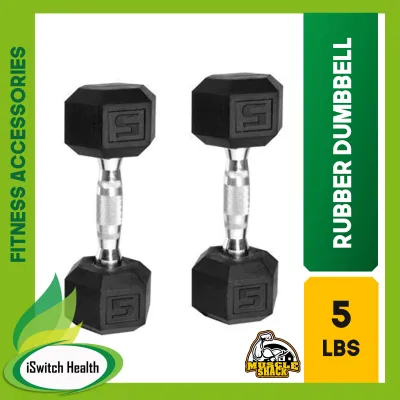
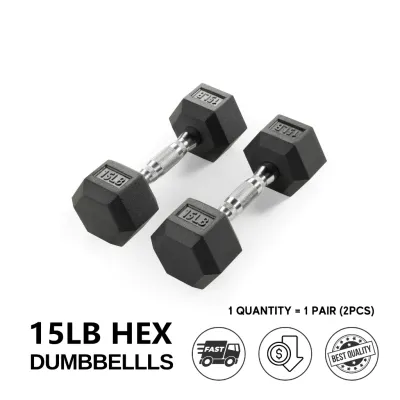
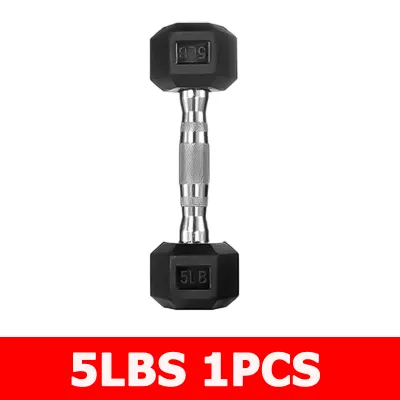
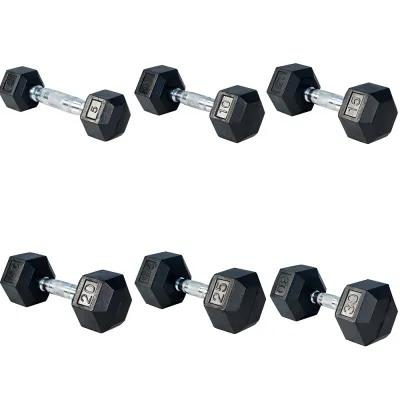
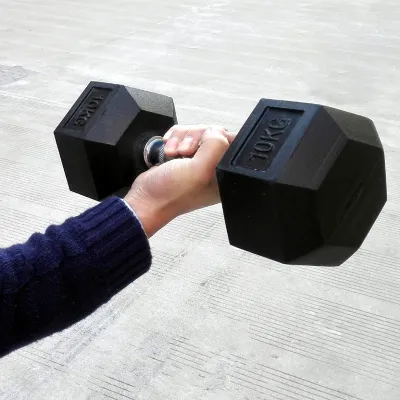
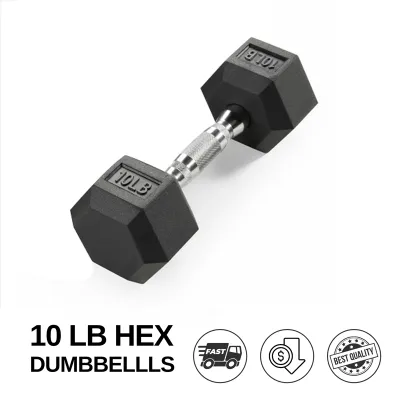
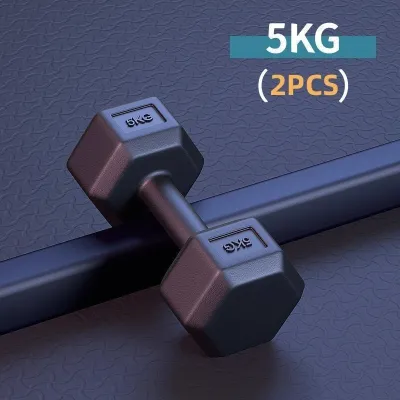
Prices are valid at publication and may change. Please refer to the product page for the latest price.
The table below outlines the core differences between these two popular options:
| Feature | Bare Cast Iron Hex Dumbbells | Rubber-Coated Hex Dumbbells |
|---|---|---|
| Core Construction | Solid cast iron | Cast iron or steel core |
| Outer Coating | Paint, enamel, or powder coat | Vulcanized or virgin rubber |
| Floor Impact Risk | High (can scratch or crack floors) | Moderate to Low (provides cushioning) |
| Noise Level | High (metallic clanking) | Low (muffled impact) |
| Initial Odor | None | Moderate to High (temporary off-gassing) |
| Climate Resistance | Lower (susceptible to rust) | Higher (rubber protects core) |
| Relative Cost | Lower per kilogram | Higher per kilogram |
Durability and Maintenance: How Each Material Holds Up Over Time
Dumbbells are a long-term investment, but their lifespan depends on how well they withstand your training environment and how much maintenance you are willing to perform. Both materials are highly durable, but they are vulnerable to different types of environmental wear.

Cast Iron: Rust Prevention and Surface Care
Solid cast iron is incredibly tough and virtually indestructible under normal training conditions. However, its primary weakness is moisture and oxidation. In tropical climates like the Philippines, where relative humidity levels can soar during the rainy season, bare metal is highly susceptible to rust.
To maintain cast iron weights, you must adopt a proactive care routine. Always wipe sweat off the handles and heads immediately after your workout, as the salt in sweat accelerates corrosion. Store your weights in a dry, well-ventilated area, and avoid leaving them directly on damp concrete or tiled floors.
Most cast iron dumbbells feature a painted or powder-coated finish to protect the metal. Over time, clanking the weights together can chip this surface coating, exposing the raw iron underneath to air and moisture. If you notice chips, check the manufacturer’s care instructions to see if a touch-up paint or rust-inhibiting treatment is recommended.
Rubber-Coated: Preventing Cracks and Peeling
Rubber-coated dumbbells offer excellent protection for the inner iron core, effectively sealing it away from moisture and sweat. However, the rubber coating itself is an organic compound that can degrade over time if exposed to harsh environmental factors.
Prolonged exposure to direct sunlight is the most common cause of rubber degradation. Ultraviolet (UV) rays dry out the rubber, causing it to harden, crack, and eventually peel away from the metal core. Extreme temperature fluctuations and high heat can also accelerate this aging process.
To clean rubber-coated weights safely, use a soft cloth dampened with mild dish soap and warm water. Avoid abrasive scrubbing brushes, steel wool, or harsh chemical solvents, which can degrade the rubber compounds. Ensure the dumbbells are completely dry before returning them to their storage rack. Before purchasing, check the product description to verify if the manufacturer uses high-quality virgin rubber or polyurethane, which typically offer better long-term resilience than recycled rubber.
Floor Protection and Noise: Managing Your Home Gym Environment
Your home gym setup is not just about the weights; it is also about protecting your living space and maintaining a peaceful household. The physical impact of your equipment can have lasting consequences on your floors and your relationships with those sharing your home.
Floor Protection: Many residential spaces in the Philippines feature ceramic tile, polished concrete, or laminate flooring. Dropping a bare cast iron hex dumbbell on ceramic tile can instantly shatter the surface. Even if you set them down carefully, the hard, unforgiving edges of a cast iron hex head can scratch hardwood or dent laminate. Rubber-coated dumbbells feature a resilient outer layer that absorbs shock and distributes impact force, significantly reducing the risk of scratching, denting, or cracking delicate floors.
Noise Reduction: Acoustic comfort is another critical factor, particularly if you live in a high-rise condominium in Metro Manila or a shared family home. Cast iron dumbbells produce a sharp, loud clanking sound whenever they touch each other or the floor. Rubber-coated dumbbells muffle these sounds, allowing you to train early in the morning or late at night without disturbing others.
Mitigation Strategies: Regardless of the material you choose, relying solely on the dumbbell coating is not enough to guarantee floor safety. If you lean toward cast iron, investing in high-density rubber gym mats (at least 10mm to 15mm thick) or dedicated lifting platforms is essential. If you choose rubber-coated dumbbells, a thinner mat may suffice, but you should still verify the density and thickness ratings of your flooring protection rather than relying on generic descriptions.
Smell and Air Quality: Dealing with Rubber Off-Gassing
One of the most common complaints among home gym owners who purchase new rubber-coated equipment is the strong, tire-like odor. This phenomenon, known as off-gassing, occurs as volatile organic compounds (VOCs) escape from the newly manufactured rubber.
In contrast, bare cast iron dumbbells are completely odorless. If you plan to set up your workout space in a small, poorly ventilated spare bedroom, or an air-conditioned room, cast iron is often the preferred choice for those sensitive to chemical smells or respiratory irritants.
If you decide to purchase rubber-coated dumbbells, there are several low-risk steps you can take to mitigate the odor. First, air the dumbbells out in a well-ventilated, shaded outdoor area, such as a covered balcony or carport, for a few days. Avoid leaving them in direct sunlight, as UV rays will damage the rubber. Wiping the rubber heads down with a mild solution of dish soap and warm water can also help remove surface oils left over from the manufacturing mold.
Never use harsh chemical solvents, bleach, or ozone generators to speed up the deodorizing process, as these can permanently degrade the rubber structure and pose health risks. When shopping, check product specifications or user reviews for mentions of “virgin rubber” or “low-odor polyurethane” formulations, which naturally emit far fewer VOCs.
Budget and Value: Weighing the Upfront Cost Against Long-Term Needs
Building a home gym is a financial commitment, and understanding the true value of your equipment requires looking beyond the initial sticker price.
Upfront Costs: In general, bare cast iron hex dumbbells are more affordable per kilogram than their rubber-coated counterparts. This price difference makes cast iron highly attractive if you are building a comprehensive weight set from scratch and want to maximize your budget.
Hidden and Long-Term Costs: However, focusing solely on the upfront price can lead to hidden expenses. If you choose cast iron to save money but end up cracking your home’s ceramic tiles, the cost of floor repairs will quickly surpass your initial savings. To use cast iron safely on indoor floors, you must factor in the mandatory cost of thick, high-quality rubber flooring mats.
Value Assessment: Evaluate your specific training environment to determine the best value. If you are setting up in a garage with sealed concrete floors or an outdoor covered patio where cosmetic damage is not a concern, cast iron offers exceptional value. If you are training in a finished living space or a rented apartment, the premium price of rubber-coated dumbbells is easily justified by the peace of mind and protection they offer.
When comparing options on local online marketplaces or fitness retail sites, compare prices based on weight increments (price per kilogram) and check for warranties that cover manufacturing defects, such as loose heads or premature rubber peeling.
How to Choose the Right Hex Dumbbell for Your Specific Setup
To make your final decision, align the characteristics of each material with your specific home gym constraints and training preferences.
When to Choose Rubber-Coated:
- You train in an apartment, condominium, or shared family home where minimizing noise is a priority.
- Your workout space has delicate flooring, such as hardwood, laminate, or ceramic tiles.
- You prefer a modern, finished aesthetic and do not mind taking a few days to air out new equipment.
When to Choose Cast Iron:
- You are working with a strict budget and want to get the most weight possible for your money.
- You have a dedicated garage, basement, or outdoor workout area with highly durable flooring or heavy-duty rubber mats.
- You are highly sensitive to chemical odors and want completely odorless equipment from day one.
- You prefer the classic, rugged feel of traditional iron weights.
Universal Hex Dumbbell Checks: Regardless of the head material you choose, the handle is your primary point of contact and deserves close inspection. Always evaluate the knurling pattern; it should provide a secure, non-slip grip without being so sharp that it tears your hands during high-repetition training. Check the handle diameter to ensure a comfortable fit for your hand size. Finally, verify the structural integrity of the connection between the handle and the hex head. High-quality hex dumbbells use a secure friction-welding process or heavy-duty internal bolts to ensure the heads never spin or loosen over time.
As you begin your strength training journey, remember that you do not need a massive rack of weights immediately. Start with a manageable range of weights that match your current strength level, and prioritize safe lifting techniques over acquiring a large collection of equipment all at once.
Frequently Asked Questions (FAQ)
Can I leave rubber-coated dumbbells in a hot garage?
While rubber-coated dumbbells are highly durable, leaving them in a hot, unventilated garage—especially near windows with direct sunlight—can accelerate the degradation of the rubber. Over time, high temperatures and UV exposure cause the rubber to dry out, harden, and crack. To maximize their lifespan, store your dumbbells in a shaded, well-ventilated area of your garage away from direct heat sources.
How do I remove the factory smell from new rubber dumbbells?
To reduce the strong factory odor, wipe the rubber heads thoroughly with a soft cloth dampened with warm water and a mild dish soap. This removes residual manufacturing oils. Afterward, place the dumbbells in a well-ventilated, shaded outdoor area, such as a covered patio or balcony, for three to seven days. Avoid using bleach, citrus-based cleaners, or harsh chemical solvents, as these can break down the rubber compounds.
Will bare cast iron hex dumbbells rust in a humid climate?
Yes, bare cast iron is highly vulnerable to rust in humid environments, such as the tropical climate of the Philippines. Sweat from your hands introduces moisture and salt, which quickly triggers oxidation. To prevent rust, wipe your dumbbells completely dry with a clean towel immediately after every workout. Store them off the floor on a dedicated dumbbell rack, and consider using a dehumidifier or maintaining good airflow in your workout space.
Community discussion
Share your experience or ask a question. Comments are reviewed before publication.