
Choosing the right 10kg plate weights depends entirely on your training style, floor protection needs, and equipment setup. While iron plates offer a compact and budget-friendly option for general strength training, rubber-coated and bumper plates provide varying levels of impact absorption and noise reduction. This guide breaks down the structural differences, practical trade-offs, and specific use cases to help you select the most suitable material for your home or commercial gym environment.
Understanding the Core Differences in Plate Materials
Cast iron plates represent the traditional standard in strength training. These plates are manufactured from poured iron or steel, resulting in a highly compact profile. Because they are thin, they allow you to load more total weight onto a barbell sleeve. However, bare iron is prone to rust if exposed to moisture, and it clangs loudly during lifts.
Rubber-coated plates feature a classic cast iron core encased in a protective layer of rubber or urethane. This coating acts as a barrier against moisture, reducing the risk of rust and preventing the metal from scratching your barbell, racks, or adjacent plates. While they look similar to bumper plates, they are not designed for dropping and still contain a rigid metal core that can damage floors upon high impact.
Products mentioned in this guide
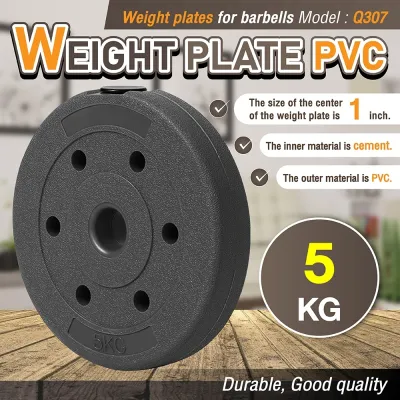
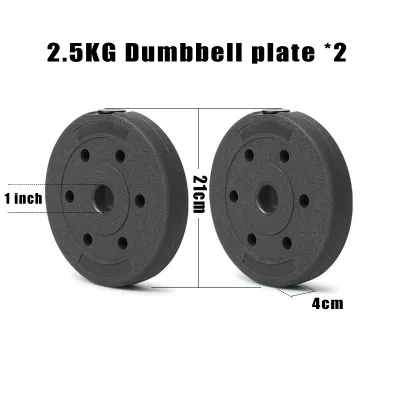
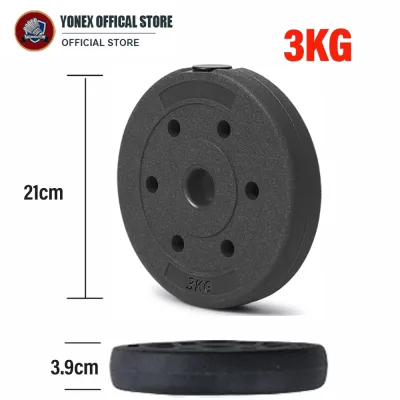
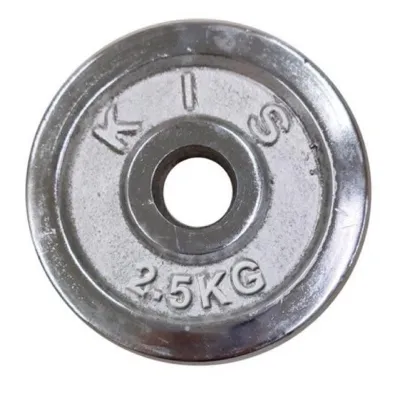
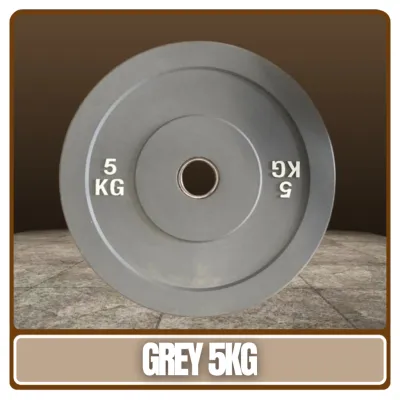
Prices are valid at publication and may change. Please refer to the product page for the latest price.
Bumper plates are constructed primarily from high-density vulcanized rubber or urethane with a steel or brass center hub. Unlike iron plates, which get larger in diameter as they get heavier, bumper plates maintain a uniform outer diameter across almost all weight increments. This design ensures that when a barbell is dropped, the impact is distributed evenly across the wide surface area of the plates, protecting both the bar and the floor.
Key Comparison Dimensions for 10kg Plates
Floor protection and drop tolerance represent the most critical operational differences. Bumper plates are engineered to bounce slightly and absorb the shock of a drop from overhead or shoulder height, making them safe for use on rubber gym flooring or lifting platforms. In contrast, dropping bare iron or rubber-coated plates directly onto concrete or thin mats can crack the subfloor, damage the barbell sleeves, or fracture the plates themselves.

Acoustics and odor also play a significant role in home and commercial gym comfort. Iron plates produce a distinct metallic clanking sound that many lifters enjoy, but this noise can easily disturb neighbors or family members in shared living spaces. Rubber-coated and bumper plates dampen this sound significantly. However, new rubber products often release a strong chemical odor, known as off-gassing, which requires adequate ventilation to dissipate over several weeks.
Thickness directly dictates how much weight you can load onto your barbell. A typical 10kg bumper plate is substantially thicker than a 10kg iron plate because low-density rubber requires more volume to reach the same mass. If you plan to lift heavy loads, using thick bumper plates will quickly consume the available space on your barbell sleeves, whereas thin iron plates allow for maximum loading capacity.
Grip and handling characteristics affect how easily you can load, unload, and carry your weights. Many iron and rubber-coated plates feature integrated hand grips or raised outer lips that make them easy to pick up flat from the floor. Standard bumper plates usually have flat, smooth faces without cutouts, which can make them more challenging to pinch and lift when lying flat on the ground.
Matching Plate Materials to Your Training Style
For Olympic weightlifting, power athletics, and high-intensity functional fitness, bumper plates are critical. Movements like the snatch, clean and jerk, and overhead presses frequently end with dropping the barbell from overhead. Using rigid iron plates for these lifts can damage your equipment and flooring.
If your routine focuses on traditional powerlifting, bodybuilding, or general strength training, iron or rubber-coated plates are highly efficient. Exercises such as the bench press, back squat, and overhead press do not require dropping the weight at the end of a set. For these controlled movements, the compact profile of iron plates allows you to maintain a closer center of gravity on the bar, which can improve stability during heavy lifts.
Home gym owners must carefully weigh their physical space constraints and local climate conditions. In tropical environments with high humidity, such as the Philippines, bare iron plates require regular maintenance to prevent rust, making rubber-coated plates an attractive, low-maintenance alternative. Additionally, if your gym is located on a second floor or shares a wall with neighbors, the noise-dampening qualities of rubber or bumper plates are essential for maintaining peace.
Decision Framework: Which 10kg Plate Should You Buy?
To finalize your selection, match your primary training activities and environment to the specific strengths of each plate material.
Choose bumper plates if you regularly perform dynamic, high-impact lifts where dropping the barbell is common practice. You must ensure you have a suitable rubber flooring surface and that your barbell sleeves are long enough to accommodate the wider profile of these rubber plates.
Choose rubber-coated plates if you focus on controlled strength training and want to protect your racks and barbell from scratches. This option is ideal for lifters who want the noise-dampening benefits of rubber without the bulk and high cost of full bumper plates.
Choose iron plates if you are working with a limited budget, need to maximize the weight capacity of your barbell, or train on a dedicated lifting platform where noise is not an issue. This classic option remains the most space-efficient choice for heavy powerlifting.
Before making any purchase, verify your equipment specifications. Measure the usable sleeve length of your barbell and compare it against the thickness of the 10kg plates you plan to buy. Additionally, review the manufacturer’s warranty terms, as dropping rubber-coated or iron plates will typically void any coverage and can lead to immediate equipment failure.
Maintenance and Care for Longevity
Proper maintenance ensures your weight plates remain safe and functional for years. For rubber-coated and bumper plates, clean the surfaces regularly using a damp microfiber cloth with mild soap and water. Avoid using harsh chemical solvents or petroleum-based cleaners, as these can degrade the rubber compounds and cause premature cracking or peeling.
For cast iron plates, keeping the metal dry is the primary defense against rust. Wipe away sweat after every workout and store the plates in a well-ventilated, low-humidity area. If minor surface rust does appear, you can gently remove it with a wire brush and apply a thin coat of rust-preventative oil or touch-up paint designed for metal surfaces.
Store all rubber-based plates away from direct sunlight, as prolonged exposure to ultraviolet rays can dry out the material, leading to discoloration and brittleness. Regularly inspect the center steel inserts of your bumper plates to ensure they remain securely bonded to the rubber; any play or loosening around the hub indicates that the plate should be retired from high-impact drops.
Frequently Asked Questions (FAQ)
Can I mix bumper plates and iron plates on the same barbell?
Yes, you can mix them, but you must never drop the barbell when iron plates are loaded. If you drop a mixed bar, the bumper plates will absorb the initial impact, but the smaller-diameter iron plates will slide or shift, placing extreme uneven stress on the barbell sleeves and the bumper plates themselves. Only mix them for controlled lifts where the barbell is returned to the rack or floor gently.
Do rubber-coated plates smell, and how long does it last?
New rubber-coated and bumper plates often emit a distinct chemical odor due to the vulcanization process used during manufacturing. This off-gassing is completely normal and typically fades within a few weeks. To speed up the process, store the plates in a well-ventilated area, or wipe them down with a diluted mixture of water and mild dish soap or vinegar.
Are 10kg bumper plates too thick for a standard barbell?
A single pair of 10kg bumper plates will easily fit on any standard Olympic barbell sleeve. However, because 10kg bumper plates are significantly thicker than their iron counterparts, loading multiple pairs will quickly consume the available sleeve space. If you plan to load more than 100kg on a standard barbell, you may need to transition to thinner, higher-density competition bumpers or iron plates.
Community discussion
Share your experience or ask a question. Comments are reviewed before publication.