
When selecting a bola pang basketball, matching the material to your primary playing surface is the most important decision you will make. The court surface directly dictates how your ball performs, how long it lasts, and how safe your games are.
For outdoor concrete courts, a rubber basketball is the most durable and weather-resistant choice. For indoor wooden courts, a composite leather basketball offers the superior grip, moisture absorption, and tactile control required on polished surfaces. Using the wrong material on either surface can quickly ruin your gear or lead to slips and handling errors during play.
Understanding Court Surfaces and Ball Wear
Outdoor concrete and asphalt courts are highly abrasive. Their rough, uneven textures act like sandpaper against any material that bounces or slides across them. Every dribble, crossover, and rim contact grinds down the outer layer of the ball. Over time, this friction wears away the raised texture, known as pebbling, and flattens the channels.
Products mentioned in this guide
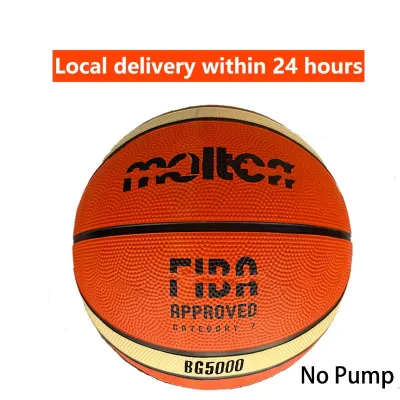
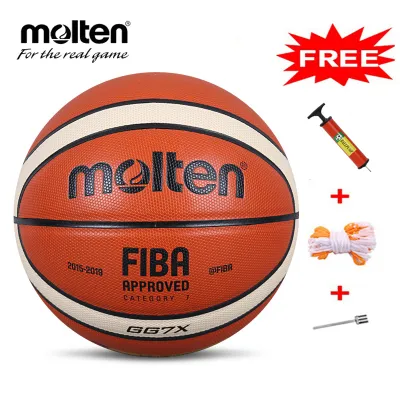
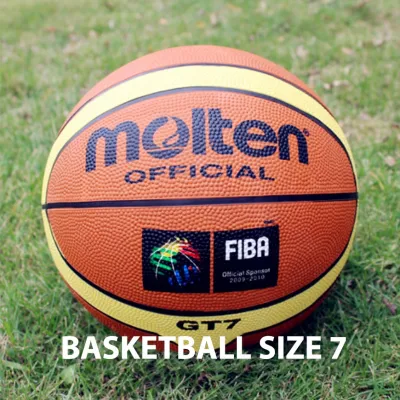
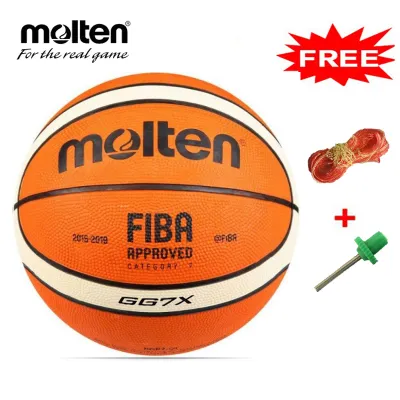
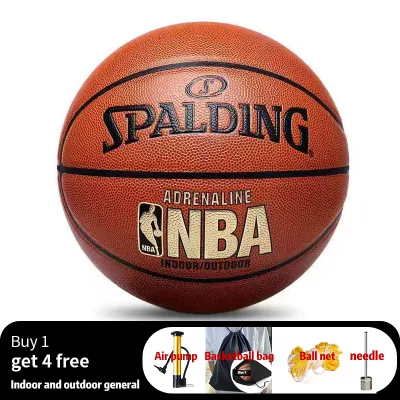
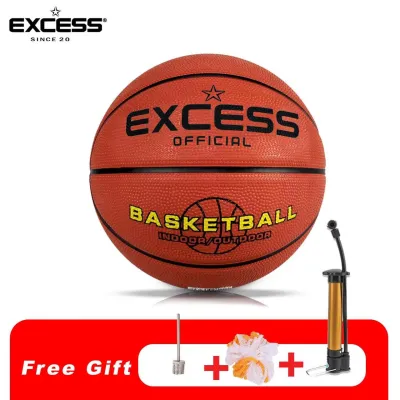
Prices are valid at publication and may change. Please refer to the product page for the latest price.
Additionally, outdoor courts are exposed to environmental elements like dust, dirt, heat, and humidity. These factors can degrade synthetic materials and weaken adhesives. A ball used outdoors must be able to withstand these harsh conditions without peeling or losing its structural integrity.
Indoor wooden courts present a completely different set of physical challenges. These surfaces are typically polished and sealed, offering a smooth but potentially slick playing area. To maintain traction, the court relies on clean contact between the shoe sole and the ball surface.
However, indoor courts accumulate fine dust and sweat from players. Without a material that can absorb light moisture and maintain friction, the ball will easily slip out of a player’s hands or slide off the rim. This compromises control and safety during fast-paced games.
Rubber Basketballs: Built for the Outdoors
Rubber basketballs are engineered specifically to withstand the harsh conditions of outdoor play. Made from heavy-duty, vulcanized rubber, these balls resist the intense scraping and impact of concrete and asphalt. They do not have glued panels that can peel off when exposed to moisture, making them highly resilient against sudden tropical rain showers or high humidity.

When it comes to grip, rubber provides excellent friction on clean surfaces. However, on dusty outdoor courts, fine dirt can coat the rubber, temporarily reducing its tackiness. Players can easily manage this by wiping the ball down periodically during play.
In terms of feel, rubber balls have a distinctively firm and bouncy response. They require absolutely no break-in period, meaning they are ready for competitive play straight out of the box. The trade-off is a harder feel on the hands, which some players find less comfortable during long training sessions.
Composite Leather Basketballs: The Indoor Standard
Composite leather is the preferred material for indoor wooden courts due to its superior feel and performance characteristics. This synthetic material is designed to mimic the premium qualities of genuine leather at a more accessible price point. It features a soft, cushioned outer layer that provides excellent tactile feedback, allowing players to perform precise ball-handling maneuvers and maintain consistent shooting form.
One of the greatest advantages of composite leather is its moisture-absorbing capability. As players sweat during intense indoor games, the composite material absorbs light moisture, preventing the ball from becoming dangerously slick. This helps maintain a reliable grip throughout the game.
However, this soft structure makes composite leather highly vulnerable to outdoor elements. Rough concrete will quickly scrape off the delicate outer coating, leading to rapid pebble loss and exposing the inner carcass. Furthermore, excessive moisture from outdoor puddles can seep into the seams, weakening the adhesives and causing the panels to peel.
Can You Use One Basketball for Both Courts?
Many manufacturers offer “indoor/outdoor” hybrid basketballs, which are typically composite leather balls with a slightly reinforced outer shell. While these hybrid options provide a decent compromise for casual players, they come with notable performance trade-offs. They are rarely as durable as pure rubber on concrete, nor do they offer the premium, moisture-absorbing grip of dedicated indoor composite balls on wood.
Using a dedicated outdoor rubber ball on an indoor wooden court is generally discouraged. The hard rubber surface can transfer outdoor dirt and dust onto the polished wood, making the court slippery for other players. In some cases, hard rubber can also leave dark scuff marks on the sealed floor.
Conversely, bringing an indoor-only composite ball to an outdoor concrete court is a costly mistake. The abrasive surface can ruin the ball’s grip and outer layer in just a few games, making it unusable for indoor play.
To decide whether to buy one hybrid ball or two specialized balls, consider your playing habits:
- The Dedicated Outdoor Player: If you play almost exclusively on concrete or asphalt, stick to a durable rubber ball to maximize your investment.
- The Dedicated Indoor Player: If your games are strictly on polished wooden or indoor vinyl courts, a high-quality composite leather ball is essential for performance and safety.
- The Multi-Court Player: If you regularly transition between indoor and outdoor venues, investing in two separate, specialized balls is the most practical choice. This approach ensures you always have the right grip for the surface while extending the overall lifespan of both balls.
How to Inspect and Maintain Your Basketball
Regular maintenance and inspections are crucial to keep your bola pang basketball in safe, playable condition. Over time, all basketballs lose their grip and structural integrity, but simple checks can help you identify when it is time for a deep clean or a replacement.
Perform a visual and tactile inspection before every game. Run your hands over the surface to check the condition of the pebbles. If large areas of the ball feel smooth or flat, your grip will be severely compromised during quick movements. Also, check the black channels between the panels; if they are filled with packed dirt or are wearing down to the level of the panels, the ball needs attention.
Cleaning methods differ significantly based on the material:
- Rubber Maintenance: Wash the ball with mild dish soap and warm water to remove dirt and oils. Rinse it thoroughly and wipe it dry with a clean towel.
- Composite Leather Maintenance: Avoid soaking the ball or using harsh chemical cleaners, which can damage the synthetic fibers and adhesives. Instead, wipe the surface with a damp microfiber cloth to lift dust and sweat, then let it air dry.
Proper inflation and storage are also vital. Always use a reliable pressure gauge to check the inflation level, keeping it within the manufacturer’s recommended range printed near the air valve. Avoid over-inflating, which can stretch the bladder and cause warping. Finally, store your basketball in a cool, dry indoor space. Leaving a ball in direct sunlight, high-heat environments, or damp outdoor areas can warp the shape and degrade the outer materials.
Frequently Asked Questions (FAQ)
Does the price of a basketball guarantee better outdoor durability?
No. Premium basketballs are often expensive because they use advanced composite or genuine leather materials designed specifically for indoor grip and moisture control. These high-end materials are soft and will degrade rapidly on rough concrete. A budget-friendly rubber ball is far more durable for outdoor play than an expensive indoor-only model. When shopping at local sports stores or online marketplaces, prioritize material type over price tag to match your playing surface.
How do I know when my basketball has lost its grip?
You can identify a worn-out basketball by checking for smooth, shiny patches on the handling surfaces. If the ball easily slips out of your hands during basic passing or shooting drills, or if it feels slick even after being wiped clean, the surface texture has worn down. You can also perform a quick spin test: spin the ball in your hands; if your fingers cannot easily catch and control the spin due to a lack of friction, the ball should be replaced for safety.
Community discussion
Share your experience or ask a question. Comments are reviewed before publication.